
Qualcomm
Qualcomm · Networking · Filed May 7, 2025 · USPTO published Nov 12, 2026 · This week's release
Qualcomm Patents a Phone That Predicts Whether Its Upload Will Get Through
Qualcomm's patent teaches your phone to check recent signal conditions and guess whether its next upload will get through. If the odds look bad, the phone holds off.
- Publication number
- US 2026/0362431 A1(US20260362431A1)
- Applicant
- QUALCOMM Incorporated
- Filed · Published
- May 7, 2025 · Nov 12, 2026
- Inventors
- Yi HUANG, Taesang YOO, Himanshu JOSHI, Ziqi WANG
- Status when we published
- Waiting for an examiner
- Document
- 20 claims
- US classification
- 370/329
What Qualcomm's upload-prediction patent does
You're walking through a crowded train station and your phone has a message to send. The network has set aside regular sending windows for your phone, and by default it grabs the very next one, even if the airwaves are jammed and the message will probably get lost.
Qualcomm's patent gives the phone a way to check first. Before each window, a small AI model looks at how the signal and interference behaved a moment ago, plus how your recent uploads and downloads went, and estimates the odds that sending now will work.
The network sets the bar for how good those odds must be. If your phone clears it, the message goes out. If not, your phone holds off and tries a later window instead of spending a send on a likely failure.
receive information that identifies a threshold level corresponding to a probability of success for an autonomous physical uplink shared channel (PUSCH) transmission by the UE; …
Translation: The phone checks the likelihood that its data upload will succeed before sending it.
How the phone scores each upcoming send slot
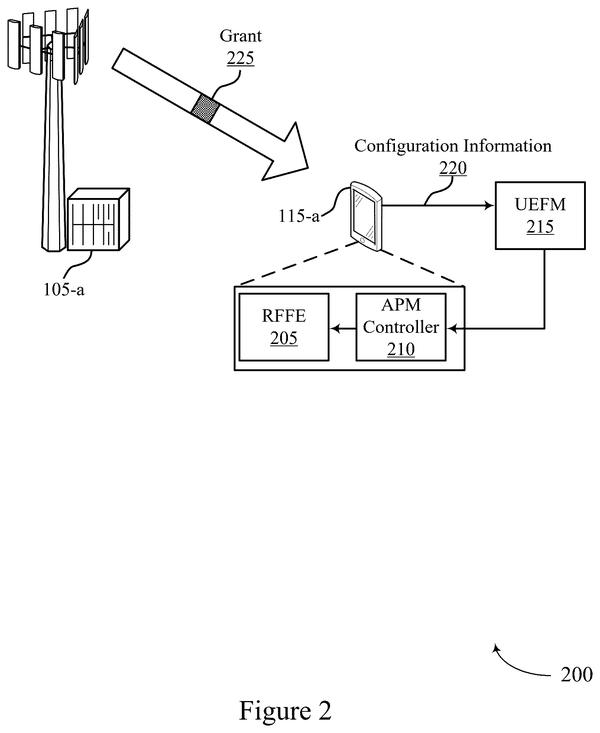
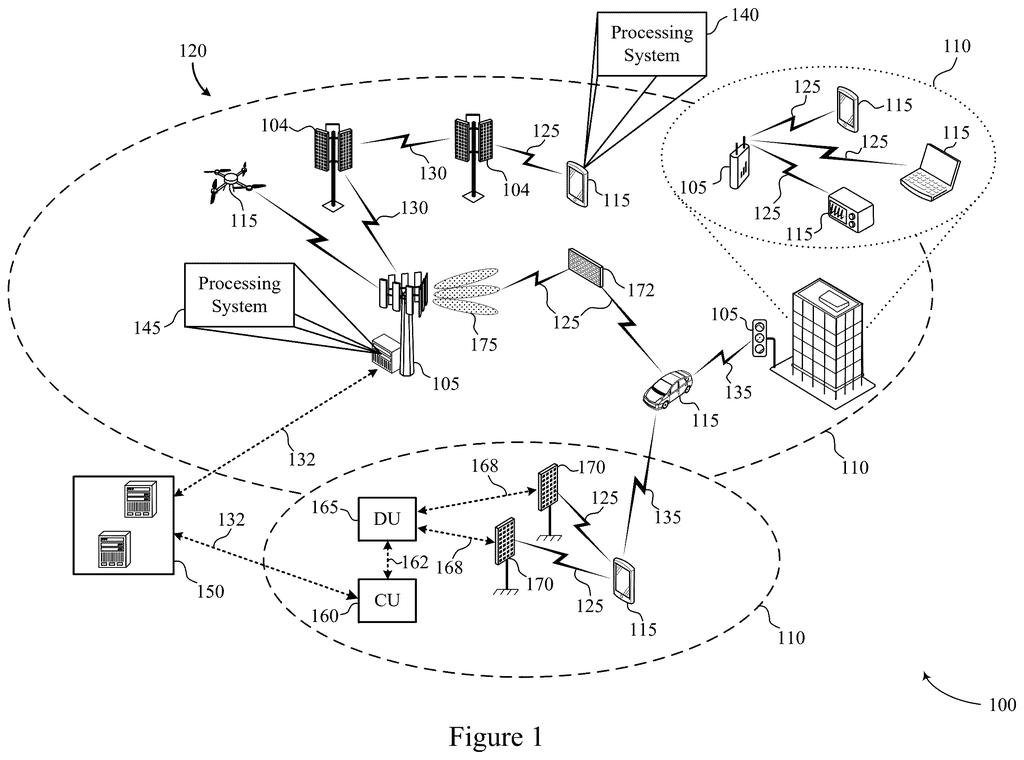
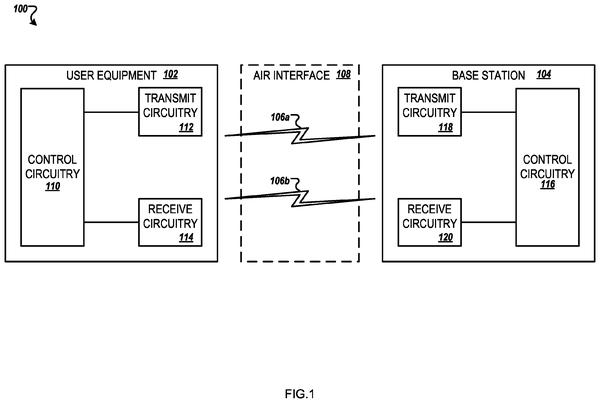
The filing covers both ends of the link: the phone (called a user equipment, or UE) and the network equipment, such as a base station. The network first sends a threshold level, a minimum chance of success for an upload the phone starts on its own. It also sends a configuration listing one or more configured grant setups, each a set of pre-scheduled sending slots the phone may use without asking permission each time.
Before the next slot, the phone can run a learning model. Its inputs, drawn from the slots just before, can include:
- Recent signal-quality measurements
- Recent interference measurements
- How often its recent uploads succeeded
- How often recent downloads succeeded
If the model's output meets the threshold, the phone sends in the next slot. If not, it waits for a later one. The model can be a neural network, a CNN or an RNN (types of AI that spot patterns in a sequence of recent readings), and the description also covers a transformer.
When the network has set up several configurations with different transmission settings, such as how densely data is packed, the model can also choose which one to use, or choose to wait.
The network can help train the model by sharing compressed signal data, register the phone's models, switch them on or off, or tell the phone to swap between a more optimistic and a more pessimistic one. In the example, a network success rate above a 90% target suggests the model is too cautious.
… user equipment (UE) autonomous uplink transmission based on artificial intelligence/machine learning (AI/ML) modeling.
Translation: The device uses machine learning to decide when and how to upload data independently.
Why a phone that waits could save you retries
The practical payoff is fewer wasted sends. When a phone fires off data into a noisy slot, the network can't read it, and the work has to be redone. A phone that skips those slots leaves its airtime for sends that have a better chance of landing, which the filing says should improve resource use and cut interference across the network.
The design also gives the carrier a dial. The filing describes a trade-off between delay and success rate: a more optimistic model sends sooner, a more pessimistic one fails less often. The network can pick which behavior it wants and change it as conditions shift, which matters for anything that sends data on its own, from phones to cars and industrial gear.
Qualcomm's 590th filing we have tracked since May adds to our Qualcomm coverage that includes car safety alerts and touch shortcuts for phones.
Source: US 2026/0362431 A1 at the USPTO (PDF). Full patent text and figures are in the official publication.
Get our take in your Top Stories
Liked this breakdown? Add Patentlyze as a preferred source on Google, and our plain-English take shows up more often in your Top Stories the next time Qualcomm patent news breaks.
Add Patentlyze on Google
One click.
There are more where this came from
We read every patent application Big Tech publishes and send you the ones worth knowing. Plain English, free, every week.
The drawings · 13 sheets
13 drawing sheets from US 2026/0362431 A1 · click any drawing to enlarge


Show the other 5 sheets


More from Qualcomm
All 624 Qualcomm patents →
More in Networking
All 498 Networking patents →
Apple
Apple Files Patent for Borrowing Your Phone's Camera on a Shared TV
Apple
Apple Files Patent for Letting Your Phone Decide What Apps' Servers Can See
Samsung
Samsung Files Patent for Sending AI Training Jobs to a Second 5G Tower
Apple
No comments yet