
Samsung Patent: Bookmarks That Remember Which Apps You Were Using at the Time
Every browser lets you save a webpage, but none of them remember why you saved it. Samsung is patenting a system that captures what you were doing on your phone right before you hit that bookmark button.
What Samsung's context-aware bookmarks actually do
Right now, bookmarks are just links. Your phone saves the URL and maybe a title, but it has no idea whether you were researching a recipe, shopping for a gift, or following up on a work email when you saved it.
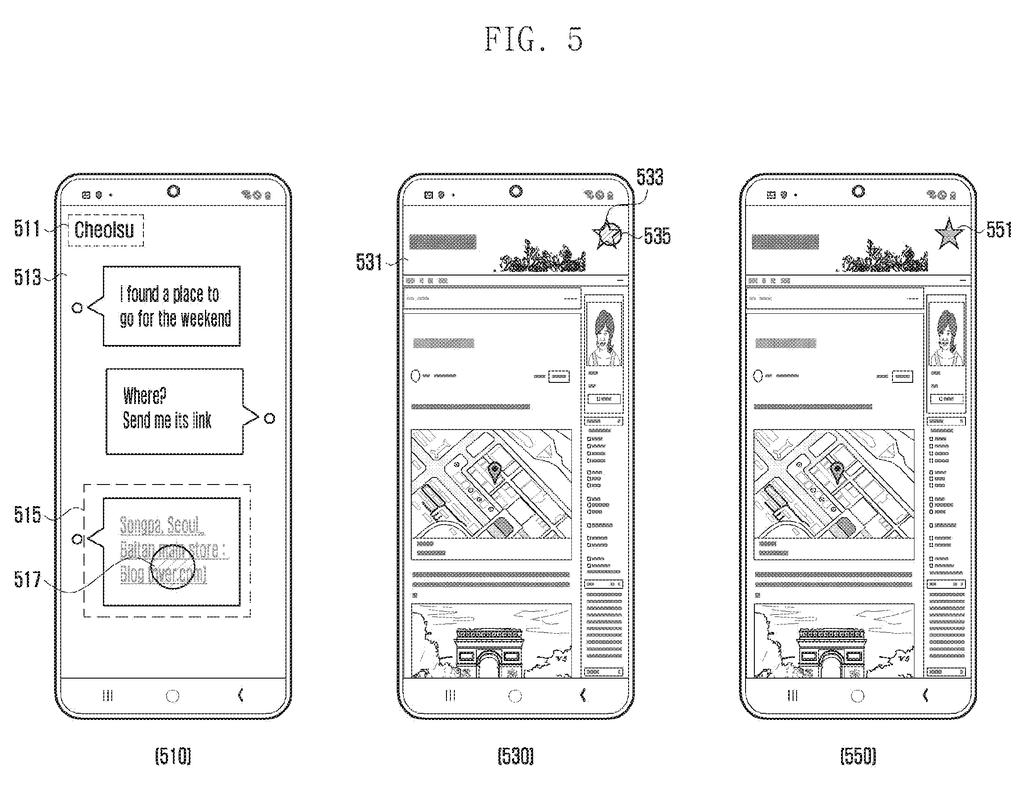
Samsung's patent wants to change that. When you bookmark a page, the device would look back at which apps you had open or used just before that moment, and attach that context to the bookmark automatically. So instead of a folder full of links you can't place, each saved page could carry a quiet record of the situation it came from.
That extra layer of information could help your phone organize, surface, or suggest your saved pages in ways that actually match how you work, rather than forcing you to remember why you saved something days or weeks later.
… obtain first information related to at least one application used before a time point when the user input is detected, generate bookmark information related to the first web page, based on the obtained first information …
Translation: The device tracks which apps you were using right before you saved a webpage so it can link that context to the bookmark.
How the device ties app history to a saved webpage
The patent describes an electronic device (phone, tablet, or similar) that watches which apps were active in the window before a user saves a web bookmark. That app history becomes "first information" that feeds into what Samsung calls "bookmark information", a richer metadata package attached to the saved page.
The core steps the device would follow:
- Detect when the user triggers a bookmark action on a web page.
- Look back at the apps used before that moment and collect relevant signals.
- Generate bookmark metadata using those app-usage signals.
- Store the bookmark with that metadata mapped to the page's identifier in memory.
The claim language is deliberately broad. "First information related to at least one application" could mean the app name, the content being viewed, the time spent, or combinations of these. The patent does not lock in a single format, which gives Samsung room to apply the mechanism in several ways.
The practical result is a bookmark that carries context, not just a URL. A retrieval system could later use that context to sort, search, or recommend saved pages based on what the user was trying to accomplish.
… map identification information related to the first webpage and the generated bookmark information and store the mapped information in the memory.
Translation: The system saves a permanent link between the specific website you bookmarked and the apps you had open at that moment.
What this means for how phones organize your browsing
The real problem here is not that bookmarks are ugly; it's that they are memoryless. Most people abandon their bookmark folders because the links become unrecognizable within days. If Samsung can attach reliable context at save time, that changes what a saved page actually is: less an archive entry, more a snapshot of intent. For everyday users, that could make the difference between a browser feature that gets used and one that gets ignored.
Samsung's Galaxy phones already ship with their own browser and app ecosystem, giving the company the data pipeline this feature would need to work well. Whether this stays a browser tweak or grows into something that feeds Samsung's broader AI assistant ambitions is an open question, and it's the kind of question that shapes where latest Big Tech patents on device intelligence are pointing right now.
Samsung's 1152nd filing we've tracked since May in our Samsung coverage follows applications like keeping home routers in sync and a self-framing projector.
Bookmarks have been broken for twenty years, and the failure is always the same: you save a link in the moment, and it means nothing to you a week later. That gap between saving and remembering costs people real time every day.
Samsung's approach here matches the scale of that frustration. By reading what apps you were using right before you saved a page, the system builds context around the bookmark without asking you to do anything extra. That last part matters, because every bookmark feature that requires extra effort from the user eventually gets ignored.
The patent is broad enough that the actual usefulness will depend entirely on execution. Knowing which app you had open is a starting point, not a solution, and whether this becomes a feature people rely on or one they never notice is a question the document leaves open.
There are more where this came from
We read every patent application Big Tech publishes and send you the ones worth knowing. Plain English, free, every week.
The drawings
14 drawing sheets from US 2026/0252656 A1 · click any drawing to enlarge


Want this weekly breakdown for a company we don't cover? Patentlyze Pro →