
Samsung Files Patent for a Refrigerator That Tells Your Phone What You Already Have at the Store
Your fridge could tell you, right there in the produce aisle, that you already have three onions at home and show you the exact shelf they're sitting on.
What Samsung's grocery-aware fridge actually does
Imagine you're standing in the produce aisle, staring at a bag of carrots, and you can't remember whether you have any at home. So you buy them. Two weeks later, there are three bags in the crisper drawer.
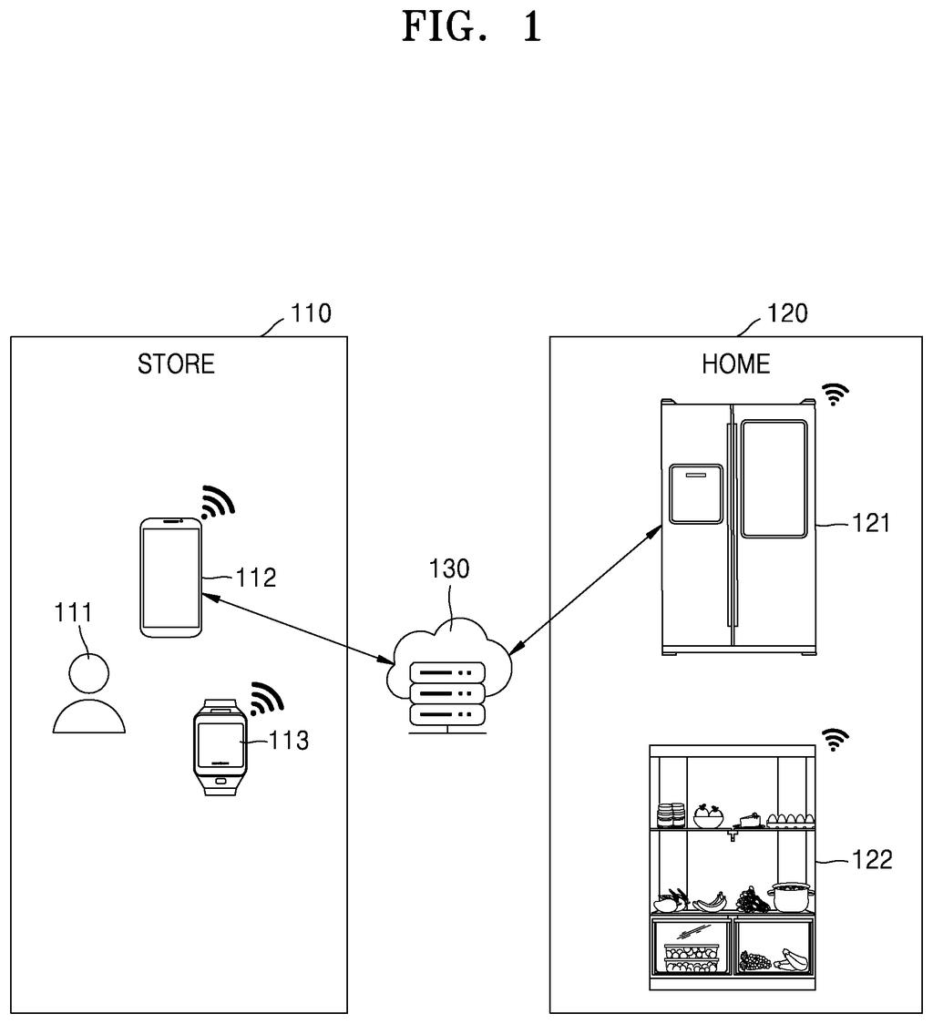
Samsung's patent application goes after that problem. Your phone works out which part of the store you're in, using your location, a store map, in-store beacons, or a quick photo of a sign or barcode. It then asks your refrigerator what it holds in that category and sends back the answer.
You could see a list of what's already there, a photo of the shelf with the item boxed in red, and a list of what you're running low on. You could even get a recipe that combines what you own with what's on display. The system can also tell you whether a new purchase will fit in your fridge.
identifying a category of food items for sale in a store; generating shopping information related to stored food items included in the identified category from among at least one food item stored in a refrigerator; and transmitting the generated shopping information to a user terminal …
Translation: The fridge checks what aisle you are in and texts your phone a list of what is already at home in that category.
How your phone figures out which aisle you're in
The system has three players: your phone (the filing calls it a user terminal), your refrigerator, and sometimes a server in between (an internet-connected computer that relays messages and stores fridge data). The phone's job is to work out the category of food in front of you, such as vegetables or meat.
It can do that several ways. GPS plus a map can tell it you walked into a butcher shop, so the category is meat. Inside a big supermarket, in-store beacons (small transmitters using Wi-Fi, Bluetooth, or ultra-wideband radio) can pinpoint your aisle. The phone's camera can also read a sign that says Vegetables, or scan a QR code or barcode. You can type or say a category too.
Once the category is known, the fridge or server checks its list of stored items and its in/out record (a log of what was put in and taken out). Then it can send back:
- A list of matching items and where they sit
- A photo from the fridge's internal cameras, with the item highlighted by a red rectangle
- A list of items you need to buy, based on stock, expiration dates, and habits
- A recipe that uses what you have plus what's on display
- A recommended storage spot, or a warning that there's no room
If the fridge can't take a live photo, such as a milk bottle in a door bin that is only visible when the door opens, it sends the last stored image.
… recipe information related to the displayed food items and the stored food items, and recommended storage location information related to where the displayed food items are to be stored in the refrigerator.
Translation: It suggests recipes using what you buy alongside what you already own, plus tips on where to put the new groceries.
Why a fridge that talks to your phone matters
The practical payoff is fewer wasted trips and fewer wasted groceries. Instead of keeping a mental inventory or a stale shopping list, you get an answer about your own fridge at the exact moment you're deciding whether to buy something. The storage check is a small touch with real use: it can tell you there's no room for that extra gallon of milk before you carry it home.
For Samsung, the filing leans on hardware a camera-equipped smart refrigerator would already have, mainly internal cameras and a food log. The patent describes a refrigerator that pushes its own data out to your phone when you need it, rather than only displaying it on its own screen at home. That turns the appliance into something you use away from the kitchen.
Samsung's 271st filing in our cell phone coverage we've tracked since May adds to a run that includes one that charges a smart ring and one showing flat and 3D images.
Buying something you already own is one of those small, recurring failures that drains money and fills trash cans. Most households throw away food they forgot they had, and most shopping trips include at least one duplicate purchase. That cost is real even if no single instance feels large enough to bother fixing.
The approach matches the problem in one important way: your phone senses which aisle you are standing in and surfaces what you already have at home, without you lifting a finger. Showing an actual photo of your fridge shelf beats a text list because a picture settles the question before doubt has time to grow.
The honest limit is that this only works if your refrigerator is accurately tracking its own contents and the store's location system is reliable. When those conditions slip, a wrong answer in the aisle is more frustrating than no answer at all, and that gap is where this idea will succeed or fail in practice.
Get our take in your Top Stories
Liked this breakdown? Add Patentlyze as a preferred source on Google, and our plain-English take shows up more often in your Top Stories the next time Samsung patent news breaks.
There are more where this came from
We read every patent application Big Tech publishes and send you the ones worth knowing. Plain English, free, every week.
The drawings
23 drawing sheets from US 2026/0320556 A1 · click any drawing to enlarge


Show the other 15 sheets


Want this weekly breakdown for a company we don't cover? Patentlyze Pro →
Be the first to weigh in