Get the newsletter
Sony · Chip · Filed Jun 9, 2026 · USPTO published Oct 1, 2026 · Oct 1 release

Sony Patents a Video Compression Trick That Cuts Memory Overhead

Every time your TV streams a video, a chip is doing enormous math to compress and decompress each frame. Sony has filed a patent for a way to do that math with less memory, which could matter a lot for small, power-constrained devices.
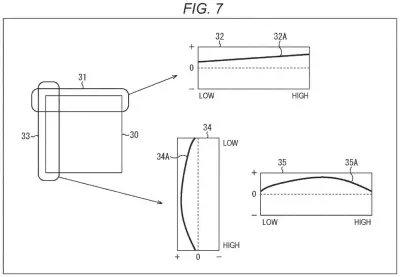
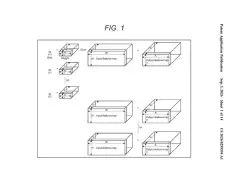
Horizontal and vertical transforms applied to an image block, showing how different transform types affect the data. Drawing from patent filing US 2026/0303867 A1.
Horizontal and vertical transforms applied to an image block, showing how different transform types affect the data.All 102 drawings ↓
Publication number
US 2026/0303867 A1(US20260303867A1)
Applicant
SONY CORPORATION
Filed · Published
Jun 9, 2026 · Oct 1, 2026
Inventors
Takeshi TSUKUBA
Status when we published
Waiting for an examiner
Document
14 claims
US classification
375/240.12
Parent application
Continuation of 19/040,607 (filed Jan 29, 2025)(19040607)

What Sony's leaner video compression actually does

Ever wondered why cheap streaming sticks sometimes stutter while expensive TVs don't? Part of the answer is memory: the chip inside needs room to store the math tables it uses to compress and decompress video. The bigger or more complex the video format, the bigger those tables get.

Sony's patent describes a way to derive the math tables on the fly instead of storing every version up front. Rather than keeping a separate lookup table for each possible compression style, the chip rearranges the incoming image data in a specific order first, then runs a single shared table through it. You get the same result with a smaller memory footprint.

The target audience here is image encoding and decoding hardware, the kind found in cameras, set-top boxes, and streaming chips. Smaller memory requirements can translate into lower chip costs or lower power use, which trickles down to consumer devices.

From the filing · CLAIM 1
circuitry configured to perform a permutation operation on a prediction residual of an image based on a transform type of an orthogonal transform for the prediction residual …

Translation: Specialized hardware rearranges image data before applying mathematical compression steps.

How the permutation step replaces extra stored matrices

Video compression works by finding patterns in an image and storing a compact mathematical description of those patterns instead of every raw pixel. A key step in that process is called an orthogonal transform (think of it as a way of expressing image data as a mix of frequencies, similar to how a music equalizer breaks a song into bass, mid, and treble).

To do that transform, the encoder uses a transformation matrix, basically a grid of numbers that defines the math. Different compression approaches (called transform types) need different matrices, and storing all of them simultaneously takes memory.

Sony's approach inserts a permutation step before the transform runs. A permutation is simply a reordering: the chip shuffles the incoming prediction residual data (the difference between what the encoder predicted a frame would look like and what it actually looks like) into a specific arrangement. After that shuffle, a single base transform matrix can handle what would otherwise require multiple distinct matrices.

The result:

  • Fewer matrices need to be held in memory at once
  • The same mathematical outcome is achieved for each transform type
  • Encoded data is packed into a bitstream in the usual way, so the output stays compatible with existing standards
From the filing · THE ABSTRACT
… suppression of an increase in a memory capacity required for orthogonal transform and inverse orthogonal transform …

Translation: The method prevents image compression systems from needing extra working memory.

What this means for video encoders and streaming hardware

Memory is one of the quietest cost drivers in consumer electronics. A chip that needs less RAM to run a video codec can be made smaller, cheaper, or more power-efficient, and those savings do eventually show up in the devices you buy, from cameras to streaming sticks to smart TVs.

The more interesting angle is on the encoding side. Cameras and editing hardware that process high-resolution or high-frame-rate video in real time are constantly under memory pressure. A method that keeps the transform step lean without sacrificing output quality is the kind of incremental improvement that adds up across a product line. Whether this specific approach makes it into a shipping product depends on how well it fits existing codec standards, but the problem it addresses is real.

Sony's ninth entry we've tracked since July in the AI chip wars watchlist follows one on waking chips via data lines and one on cutting memory when idle, showing how the company keeps rethinking chip power use.

Source: US 2026/0303867 A1 at the USPTO (PDF). Full patent text and figures are in the official publication.

Get our take in your Top Stories

Liked this breakdown? Add Patentlyze as a preferred source on Google, and our plain-English take shows up more often in your Top Stories the next time Sony patent news breaks.

There are more where this came from

We read every patent application Big Tech publishes and send you the ones worth knowing. Plain English, free, every week.

The drawings · 102 sheets

102 drawing sheets from US 2026/0303867 A1 · click any drawing to enlarge

Transform candidate sets for prediction., drawing sheet 1 from US 2026/0303867 A1
Sheet 1 Transform candidate sets for prediction.
Transform types and basis functions., drawing sheet 2 from US 2026/0303867 A1
Sheet 2 Transform types and basis functions.
Transform sets for intra prediction., drawing sheet 3 from US 2026/0303867 A1
Sheet 3 Transform sets for intra prediction.
Available transform types., drawing sheet 4 from US 2026/0303867 A1
Sheet 4 Available transform types.
Transform matrix memory usage., drawing sheet 5 from US 2026/0303867 A1
Sheet 5 Transform matrix memory usage.
Transform matrix memory usage., drawing sheet 6 from US 2026/0303867 A1
Sheet 6 Transform matrix memory usage.
Image block with horizontal and vertical transforms., drawing sheet 7 from US 2026/0303867 A1
Sheet 7 Image block with horizontal and vertical transforms.
Transform types by waveform shape., drawing sheet 8 from US 2026/0303867 A1
Sheet 8 Transform types by waveform shape.
Show the other 52 sheets
Sony Patents a Video Compression Trick That Cuts Memory Overhead patent drawing, sheet 9
Sheet 9
Sony Patents a Video Compression Trick That Cuts Memory Overhead patent drawing, sheet 10
Sheet 10
Sony Patents a Video Compression Trick That Cuts Memory Overhead patent drawing, sheet 11
Sheet 11
Sony Patents a Video Compression Trick That Cuts Memory Overhead patent drawing, sheet 12
Sheet 12
Sony Patents a Video Compression Trick That Cuts Memory Overhead patent drawing, sheet 13
Sheet 13
Sony Patents a Video Compression Trick That Cuts Memory Overhead patent drawing, sheet 14
Sheet 14
Sony Patents a Video Compression Trick That Cuts Memory Overhead patent drawing, sheet 15
Sheet 15
Sony Patents a Video Compression Trick That Cuts Memory Overhead patent drawing, sheet 16
Sheet 16
Sony Patents a Video Compression Trick That Cuts Memory Overhead patent drawing, sheet 17
Sheet 17
Sony Patents a Video Compression Trick That Cuts Memory Overhead patent drawing, sheet 18
Sheet 18
Sony Patents a Video Compression Trick That Cuts Memory Overhead patent drawing, sheet 19
Sheet 19
Sony Patents a Video Compression Trick That Cuts Memory Overhead patent drawing, sheet 20
Sheet 20
Sony Patents a Video Compression Trick That Cuts Memory Overhead patent drawing, sheet 21
Sheet 21
Sony Patents a Video Compression Trick That Cuts Memory Overhead patent drawing, sheet 22
Sheet 22
Sony Patents a Video Compression Trick That Cuts Memory Overhead patent drawing, sheet 23
Sheet 23
Sony Patents a Video Compression Trick That Cuts Memory Overhead patent drawing, sheet 24
Sheet 24
Sony Patents a Video Compression Trick That Cuts Memory Overhead patent drawing, sheet 25
Sheet 25
Sony Patents a Video Compression Trick That Cuts Memory Overhead patent drawing, sheet 26
Sheet 26
Sony Patents a Video Compression Trick That Cuts Memory Overhead patent drawing, sheet 27
Sheet 27
Sony Patents a Video Compression Trick That Cuts Memory Overhead patent drawing, sheet 28
Sheet 28
Sony Patents a Video Compression Trick That Cuts Memory Overhead patent drawing, sheet 29
Sheet 29
Sony Patents a Video Compression Trick That Cuts Memory Overhead patent drawing, sheet 30
Sheet 30
Sony Patents a Video Compression Trick That Cuts Memory Overhead patent drawing, sheet 31
Sheet 31
Sony Patents a Video Compression Trick That Cuts Memory Overhead patent drawing, sheet 32
Sheet 32
Sony Patents a Video Compression Trick That Cuts Memory Overhead patent drawing, sheet 33
Sheet 33
Sony Patents a Video Compression Trick That Cuts Memory Overhead patent drawing, sheet 34
Sheet 34
Sony Patents a Video Compression Trick That Cuts Memory Overhead patent drawing, sheet 35
Sheet 35
Sony Patents a Video Compression Trick That Cuts Memory Overhead patent drawing, sheet 36
Sheet 36
Sony Patents a Video Compression Trick That Cuts Memory Overhead patent drawing, sheet 37
Sheet 37
Sony Patents a Video Compression Trick That Cuts Memory Overhead patent drawing, sheet 38
Sheet 38
Sony Patents a Video Compression Trick That Cuts Memory Overhead patent drawing, sheet 39
Sheet 39
Sony Patents a Video Compression Trick That Cuts Memory Overhead patent drawing, sheet 40
Sheet 40
Sony Patents a Video Compression Trick That Cuts Memory Overhead patent drawing, sheet 41
Sheet 41
Sony Patents a Video Compression Trick That Cuts Memory Overhead patent drawing, sheet 42
Sheet 42
Sony Patents a Video Compression Trick That Cuts Memory Overhead patent drawing, sheet 43
Sheet 43
Sony Patents a Video Compression Trick That Cuts Memory Overhead patent drawing, sheet 44
Sheet 44
Sony Patents a Video Compression Trick That Cuts Memory Overhead patent drawing, sheet 45
Sheet 45
Sony Patents a Video Compression Trick That Cuts Memory Overhead patent drawing, sheet 46
Sheet 46
Sony Patents a Video Compression Trick That Cuts Memory Overhead patent drawing, sheet 47
Sheet 47
Sony Patents a Video Compression Trick That Cuts Memory Overhead patent drawing, sheet 48
Sheet 48
Sony Patents a Video Compression Trick That Cuts Memory Overhead patent drawing, sheet 49
Sheet 49
Sony Patents a Video Compression Trick That Cuts Memory Overhead patent drawing, sheet 50
Sheet 50
Sony Patents a Video Compression Trick That Cuts Memory Overhead patent drawing, sheet 51
Sheet 51
Sony Patents a Video Compression Trick That Cuts Memory Overhead patent drawing, sheet 52
Sheet 52
Sony Patents a Video Compression Trick That Cuts Memory Overhead patent drawing, sheet 53
Sheet 53
Sony Patents a Video Compression Trick That Cuts Memory Overhead patent drawing, sheet 54
Sheet 54
Sony Patents a Video Compression Trick That Cuts Memory Overhead patent drawing, sheet 55
Sheet 55
Sony Patents a Video Compression Trick That Cuts Memory Overhead patent drawing, sheet 56
Sheet 56
Sony Patents a Video Compression Trick That Cuts Memory Overhead patent drawing, sheet 57
Sheet 57
Sony Patents a Video Compression Trick That Cuts Memory Overhead patent drawing, sheet 58
Sheet 58
Sony Patents a Video Compression Trick That Cuts Memory Overhead patent drawing, sheet 59
Sheet 59
Sony Patents a Video Compression Trick That Cuts Memory Overhead patent drawing, sheet 60
Sheet 60

Sheets 61 to 102 are in the full USPTO filing.

Patent filing page

Watchlists this filing belongs to

All watchlists →
Reader comments

No comments yet

Start the discussion

Real name or a handle, either is fine. Comments are read by a person before they appear, so allow a little time. Keep it about the filing.