
Waymo Patents a Self-Navigating Depot Check-In System for Robotaxis
When a Waymo robotaxi needs service, who tells it where to park? A new patent answers that question — and it's more logistically interesting than it sounds.
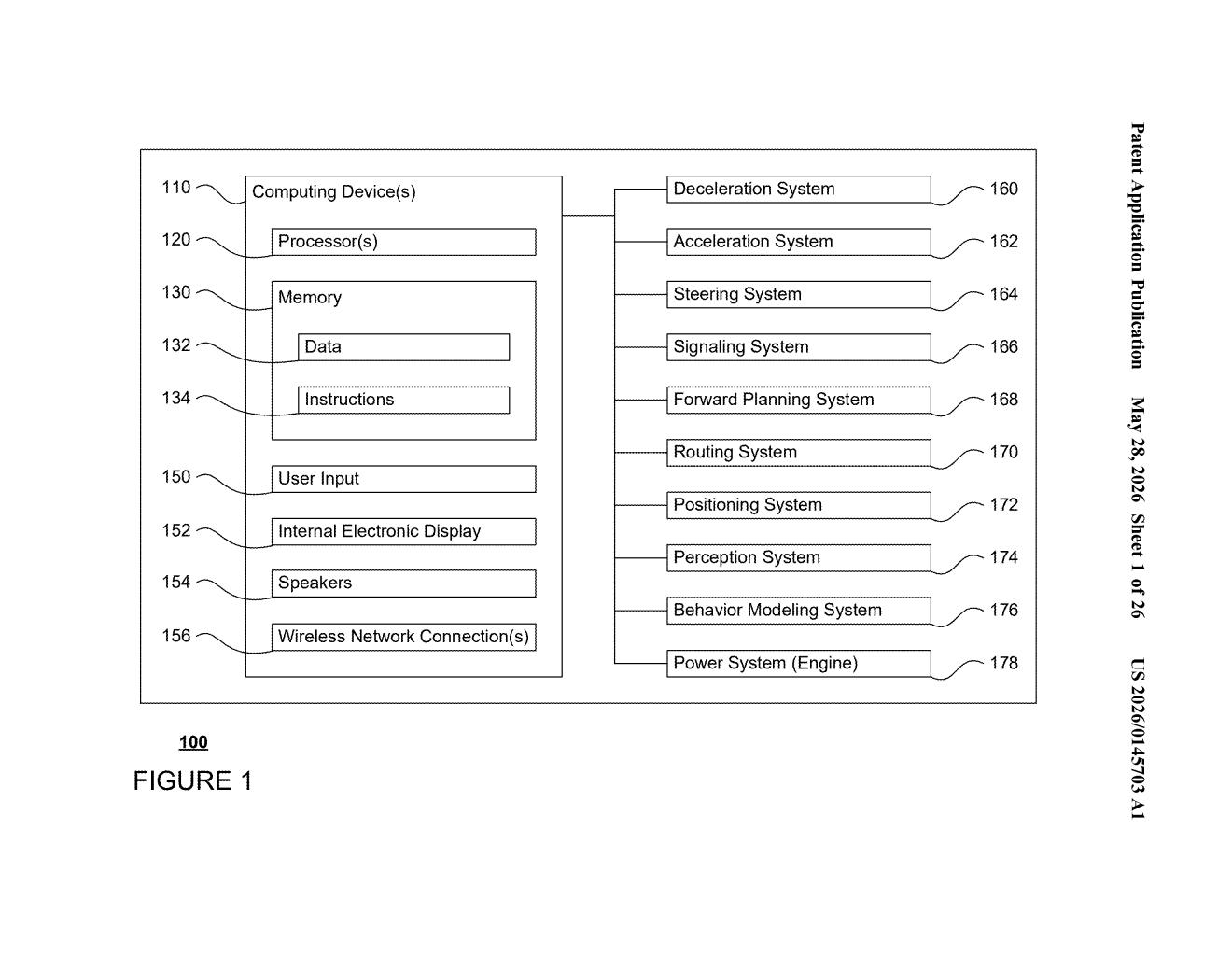
How Waymo's robotaxis find their own parking spots
Imagine a busy airport parking garage where every spot has a specific purpose — oil changes here, tire rotations there, software updates over by the elevator. Now imagine the car has to find its own spot, without a human attendant pointing the way. That's roughly what this patent describes.
When a Waymo vehicle needs attention — whether it's charging, cleaning, or a mechanical check — a server sends it to a depot. Once there, the car doesn't just wander around. It navigates to a staging area: a waiting zone where it can see whether its target service bay is free. If the bay is taken, the car gets rerouted to a different staging area with a different priority level and waits for an alternative spot.
Think of it like a hospital triage system for cars. Urgent needs (say, a sensor fault) get higher priority in the queue than routine needs (a scheduled wash). The whole process runs autonomously — no human dispatcher required.
How the prioritized staging-area queue actually works
The patent describes a hierarchical queuing system that operates entirely onboard the autonomous vehicle, coordinated with a server.
- A server computing device sends the vehicle a signal to report to a depot area — essentially a command saying "you need attention, go here."
- The vehicle generates a prioritized list of staging areas — intermediate positions inside the depot from which the car can observe whether a target service bay (called a stopping location) is occupied or free.
- The car drives to the highest-priority staging area first and uses its onboard sensors to check availability of the associated stopping location.
- If the spot is free, the car pulls in. If it's occupied, the system falls through to the next staging area on the list, which covers a different stopping location tied to a different need — and a different priority level.
The key insight is the observe-before-committing approach: rather than driving directly to a bay and blocking traffic when it's full, the vehicle holds at a designated vantage point first. This keeps depot traffic flowing and avoids deadlocks where multiple vehicles are all trying to occupy the same lane. The patent also notes that different staging areas map to needs of different priority, so the system inherently handles triage — a vehicle with a critical need won't get bumped to a low-priority bay just because a high-priority one is temporarily busy.
What this means for Waymo's fleet operations at scale
Waymo's commercial robotaxi service in San Francisco and Phoenix already operates large fleets, and depot logistics become a genuine bottleneck as those fleets grow. A human dispatcher can eyeball a busy garage and redirect cars on the fly — but that doesn't scale to hundreds of vehicles cycling through overnight. This patent is essentially Waymo encoding that dispatcher logic directly into the vehicle and the fleet management system.
For fleet operators watching Waymo's tech stack, this is a signal that the company is investing seriously in the unsexy back-end infrastructure that makes autonomous ride-hailing economically viable. You don't make money on robotaxis if your vehicles are sitting in depot traffic jams waiting for a wash bay to open up.
This isn't a flashy perception or AI patent — it's a logistics patent. But that's exactly why it's worth noting. Waymo's competitive moat isn't just better lidar; it's the entire operational stack that makes a fully driverless fleet actually run on time. Depot orchestration is one of those problems that looks trivial until you're managing 500 cars and every wasted minute costs real money.
There are more where this came from
We read every patent application Big Tech publishes and send you the ones worth knowing. Plain English, free, every week.
Want this weekly breakdown for a company we don't cover? Patentlyze Pro →