Latest cybersecurity patents
Fraud detection, encryption, sign-in and privacy controls from Microsoft, Google, IBM, Apple and others. The cybersecurity and privacy patent applications we have broken down from the companies we track, newest first.
- in the Nov 12 release
- 8
- in November so far
- 27
- filings tracked
- 341
- last 90 days
- 143
Recent filings
Newest first · 341 total-
Nvidia · Published Nov 5
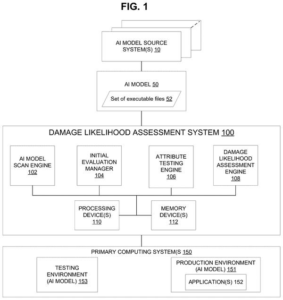
Nvidia Patents a Risk Score for AI Models Downloaded From Untrusted Sources
An AI model downloaded from a stranger is really a program, and it can hide code that attacks the computer running it. Nvidia's filing describes a way to test-drive the model first and hand it a risk score.
-
OpenAI · Published Nov 5
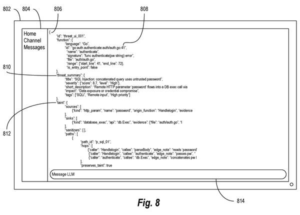
OpenAI Patents an AI Bug Hunter That Tests Its Own Findings Before Reporting Them
Before OpenAI's system tells a human that a piece of software has a security hole, it tries to break a copy of the code to prove it. If it can't reproduce the problem, the alert gets muted.
-
Google · Published Nov 5
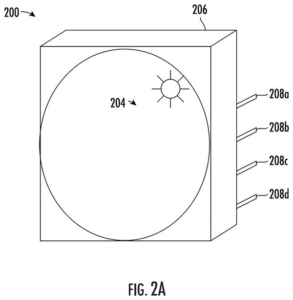
Google Patents a Camera Sensor That Counts People Without Keeping a Single Photo
Google has filed a patent application for a sealed camera sensor that counts the people in a room, then erases every frame it saw without ever saving one.
-
Samsung · Published Oct 29
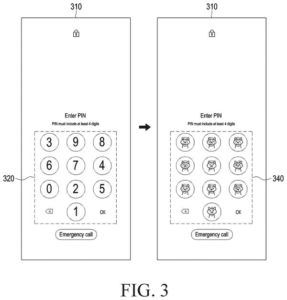
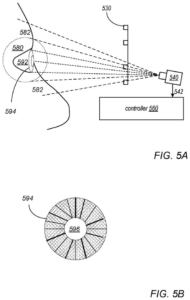
Samsung Files Patent to Make Your PIN Pad Look Like a Cat to Snoopers
Samsung has filed a patent application for a phone screen that shows you your PIN pad but shows anyone farther away a blurry cat. You choose how far away "farther" starts.
-
Qualcomm · Published Oct 29
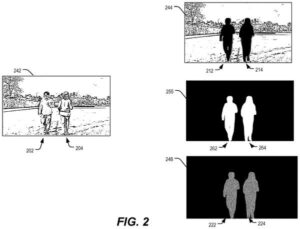
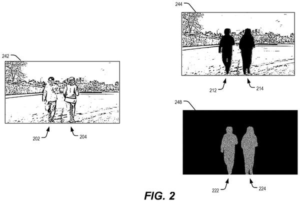
Qualcomm Files Patent for Video That Hides Faces Unless You Have the Key
Qualcomm describes a way to blur the people in a video for everyone else while keeping their real faces locked inside the very same file. Hand over the key and the original comes back.
-
Apple · Published Oct 29
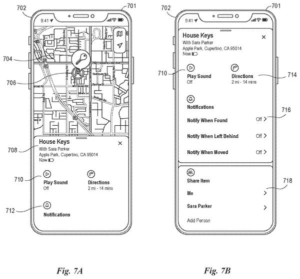
Apple Files Patent to Share Your AirTag's Location Without Giving Up Control
Letting someone else help find your lost item used to mean giving them your encryption keys. Apple's filing splits the job across two servers so they only get answers, and only for as long as you allow.
-
Apple · Published Oct 29
Apple Files Patent to Nudge You Into Position for Eye-Scan Logins
Apple's patent gives an eye-scanning device a way to tell you what's wrong when it can't get a good look at you, so you can fix it instead of just failing.
-
Qualcomm · Published Oct 29
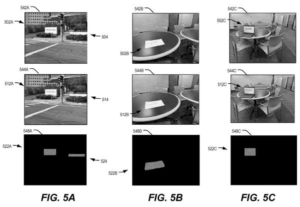
Qualcomm Files Patent for Phones That Lock Faces and License Plates in Your Videos
Qualcomm's filing describes a camera that can scramble just the faces, license plates or whiteboards in a video, and only when your location or Wi-Fi network says it should. The scrambled patch rides inside the same file, so one clip can show two different versions.
-
Microsoft · Published Oct 29
Microsoft Files Patent to Lock Away Only the Password in a Message, Leaving the Rest Readable
Microsoft's filing describes software that catches a password mid-message and swaps it for a locked link, so the rest of what you wrote stays readable. It aims to replace the error-message block that pushes people toward risky workarounds.
-
Microsoft · Published Oct 29
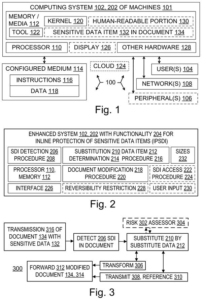
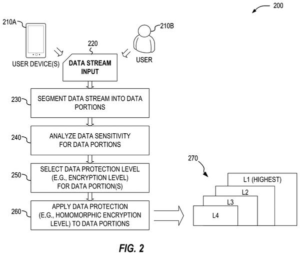
Microsoft Files Patent to Lock Down Only the Sensitive Parts of Your Data
A camera watching an empty hallway doesn't need the same lock as the frame showing who just walked in. Microsoft's patent filing builds a whole system around that idea.
-
Microsoft · Published Oct 29
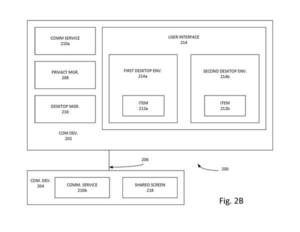
Microsoft Files Patent to Hide Your Private Apps Before You Share Your Screen
Everyone who shares their screen has the same fear: a private email or spreadsheet showing up mid-call. Microsoft's filing has the computer sweep those items onto a hidden desktop before anyone sees them.
-
Qualcomm · Published Oct 29
Qualcomm Files Patent for Videos That Carry a Hidden, Locked Copy of Blurred Faces
One video file, two versions of reality: strangers see a blurred face, and anyone holding the right key sees the real one.