What the filings show
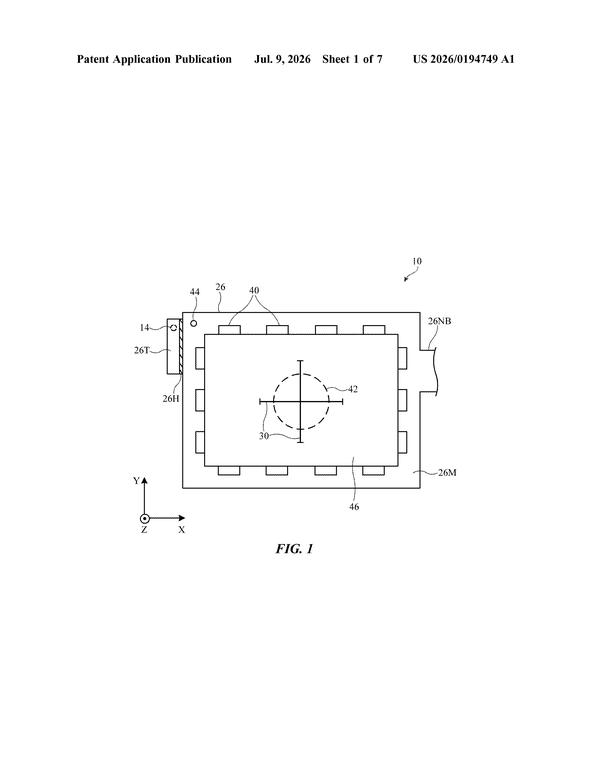
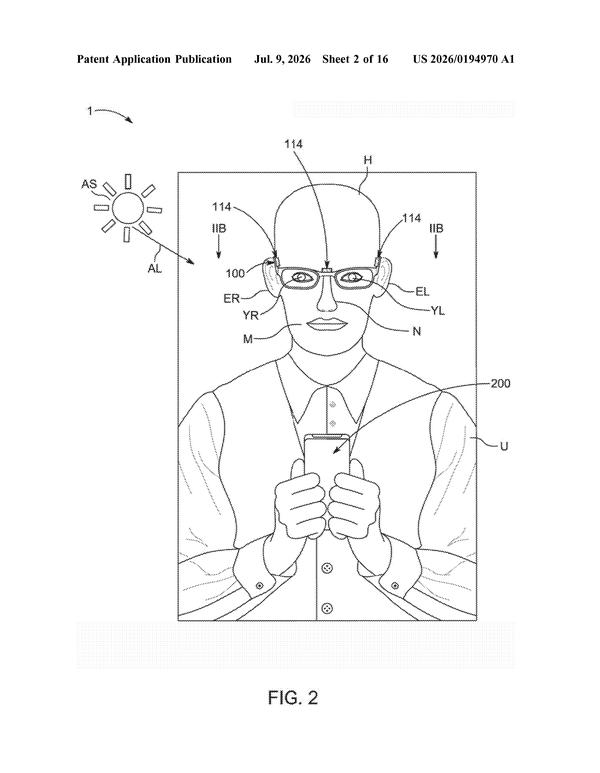
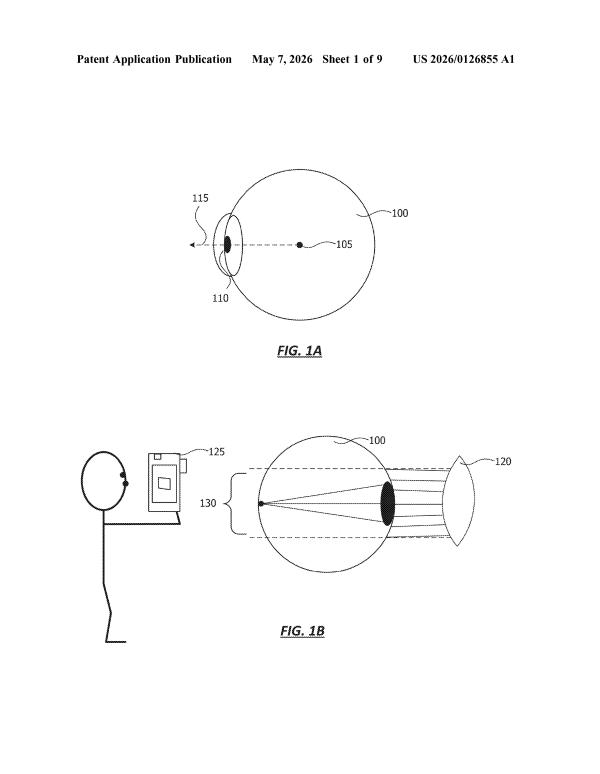
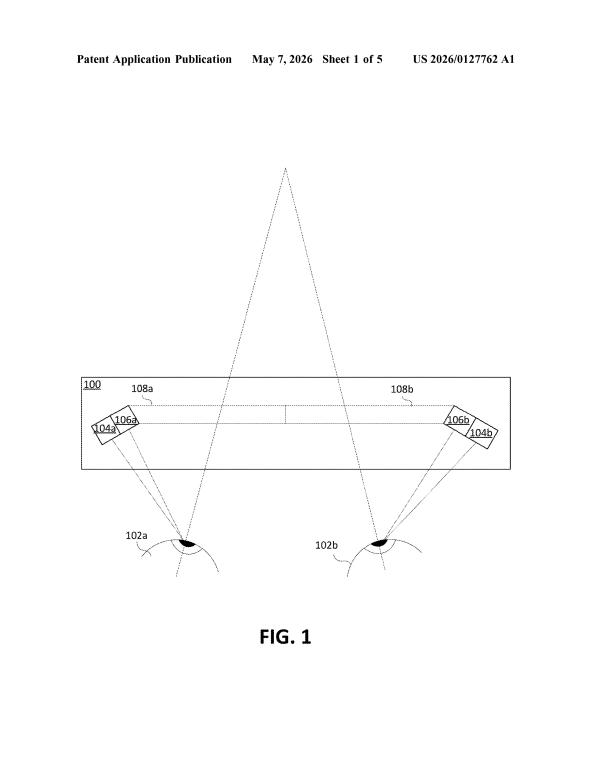
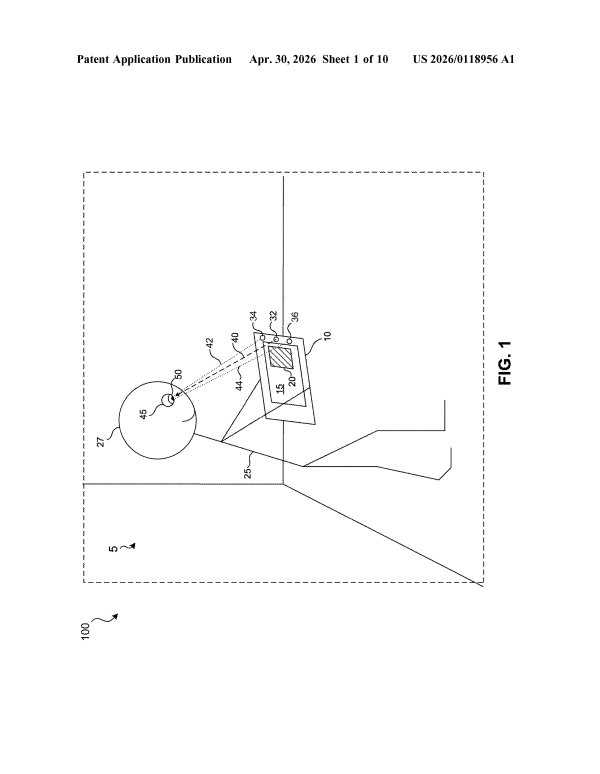
Most of the engineering in this batch sits at the front end of tracking itself. One filing corrects gaze data that gets skewed near the edge of a headset lens, another builds a 3D map of the eye while it enrolls, and a third widens the target after a gesture lands slightly off. These are not flashy features. They are the plumbing that makes eye and hand input reliable enough to trust for things like triggering hot corner shortcuts or turning a slider by staring at it.
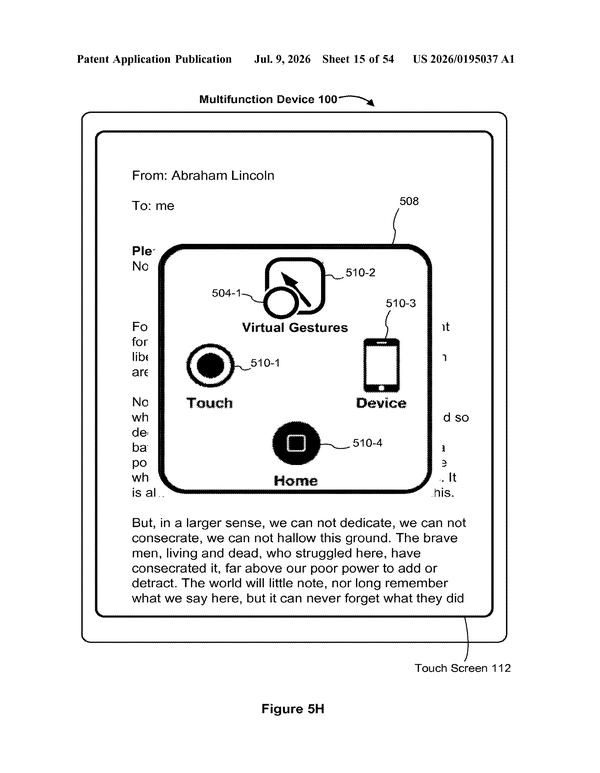
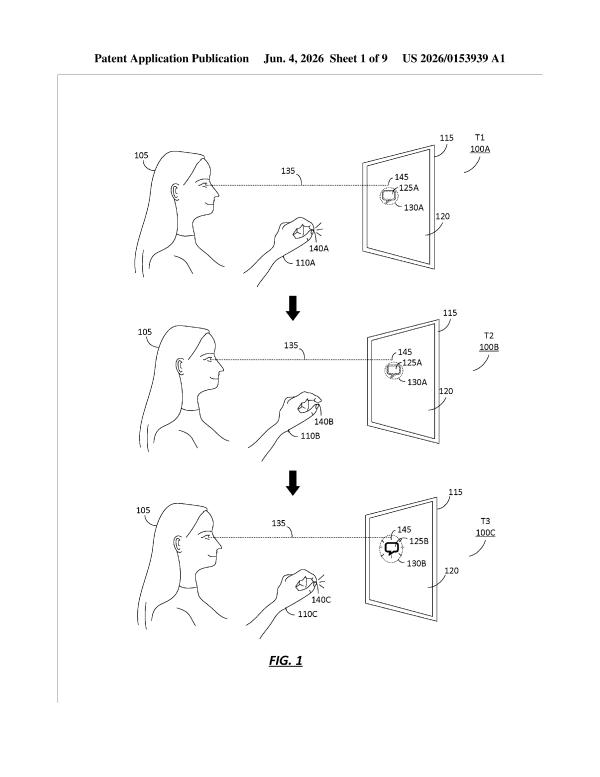
A second cluster of filings deals with telling intentional input from noise. One patent requires two hands together before an AR action fires, so a single stray hand movement does nothing. Another splits playback control into two stages, so a glance and a gesture trigger different responses instead of one accidental command. A floating app menu that appears after you look at your hand and flick it follows the same logic: the system waits for a clear combination of signals before it acts.
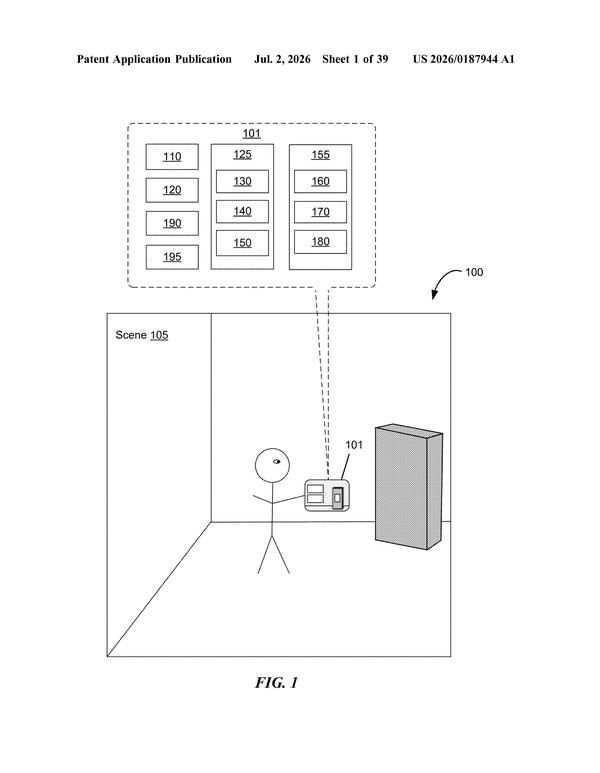
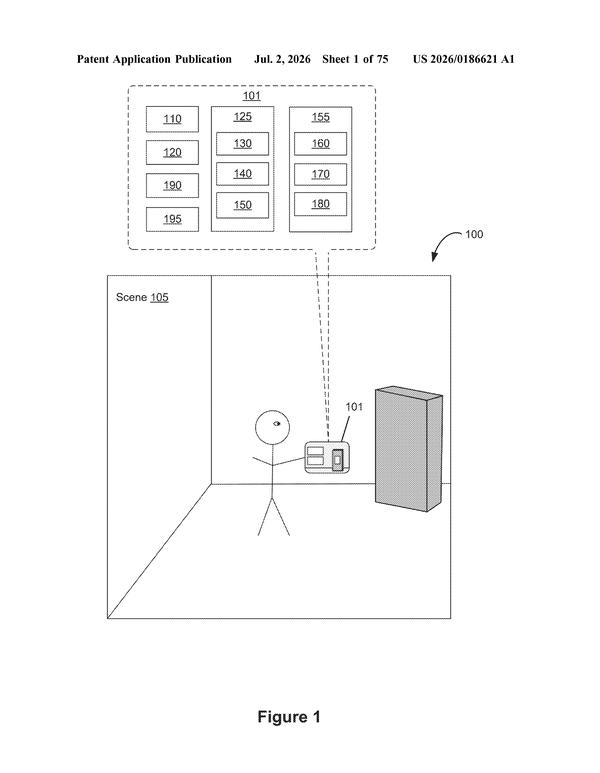
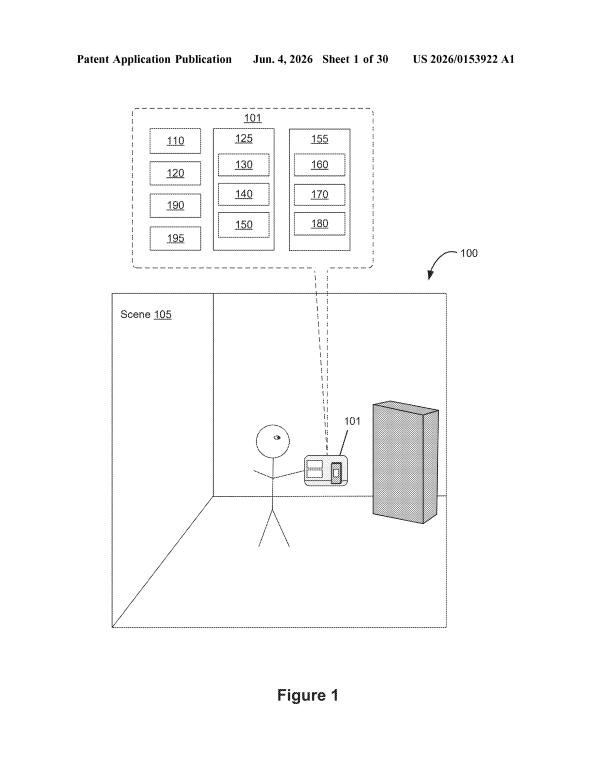
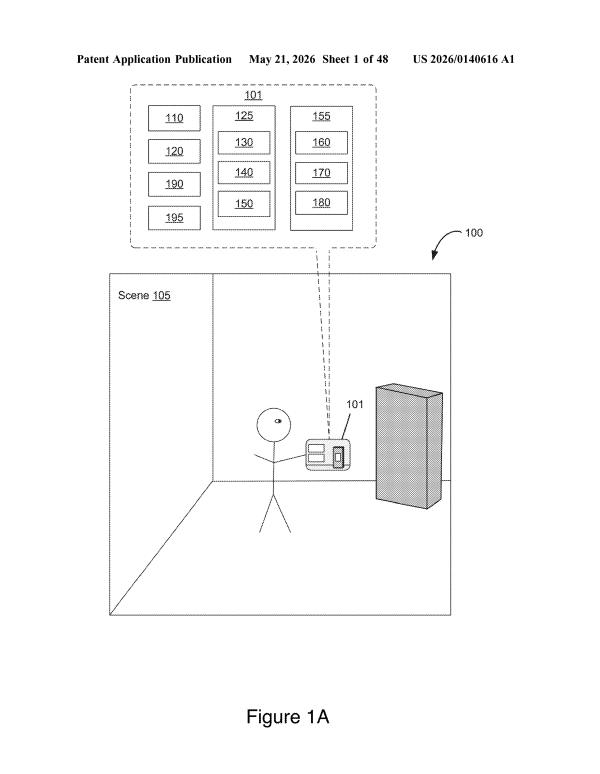
The filings also stretch past headset menus into the physical room, with one patent describing gestures that control real-world objects like doors or lights, and another moving on-screen content to follow where your eyes land. A VR cursor that appears before your finger touches the pad suggests Apple wants prediction, not just reaction. Readers should watch for more filings that push gaze and gesture control outside the headset entirely.
Questions readers ask
Does this mean Apple will replace touchscreens with eye and hand control?
Not necessarily. These are patent filings, which describe research directions Apple is protecting, not confirmed products. The filings do show consistent investment in making gaze and gesture input accurate and forgiving enough to work as a control method, which suggests Apple is serious about the idea even if no shipping product uses all of it yet.
How does Apple's eye tracking avoid mistakes at the edge of the lens?
One filing in this storyline describes a correction step that adjusts gaze data specifically when your eye looks toward the boundary of a headset lens, where tracking normally gets less reliable. It is a narrow fix aimed at a known weak spot in eye tracking rather than a general upgrade.
Can you control things outside a headset with these patents?
Yes, at least on paper. One filing describes gesturing at real-world objects like a door or a smart light to control them, which extends the gaze and gesture ideas beyond menus inside a headset. It is one of the more ambitious filings in the batch and worth watching for follow-ups.
What happens if I miss a gesture or look away by accident?
Several filings address exactly that. One widens the target area after a missed gesture so a slightly off pinch still registers, and another requires two hands together before an AR action fires, which cuts down on accidental single-hand triggers. The pattern suggests Apple is focused on tolerance for imperfect input.