
Samsung's New Patent Finds Products That Match Where Every Detail Actually Sits
Most product search engines match items by category or keyword. Samsung's new patent describes a system that also looks at how a product's defining features are arranged relative to each other, so a search for a sneaker with a logo on the left toe finds sneakers where that logo is actually on the left toe.
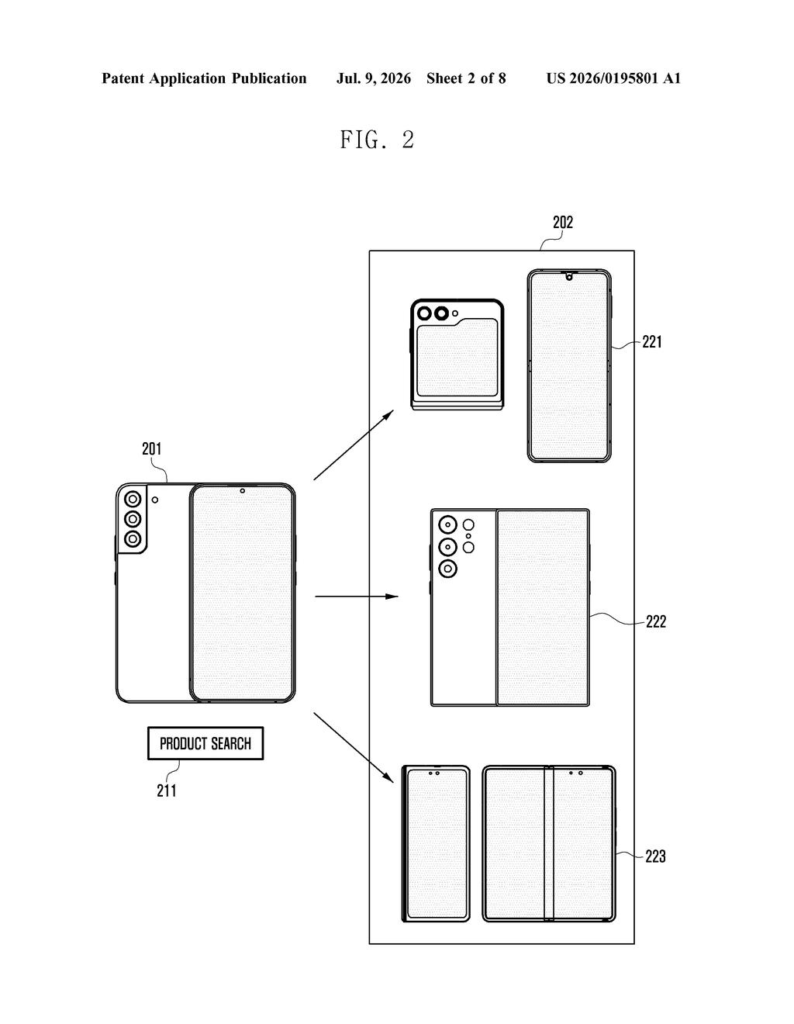
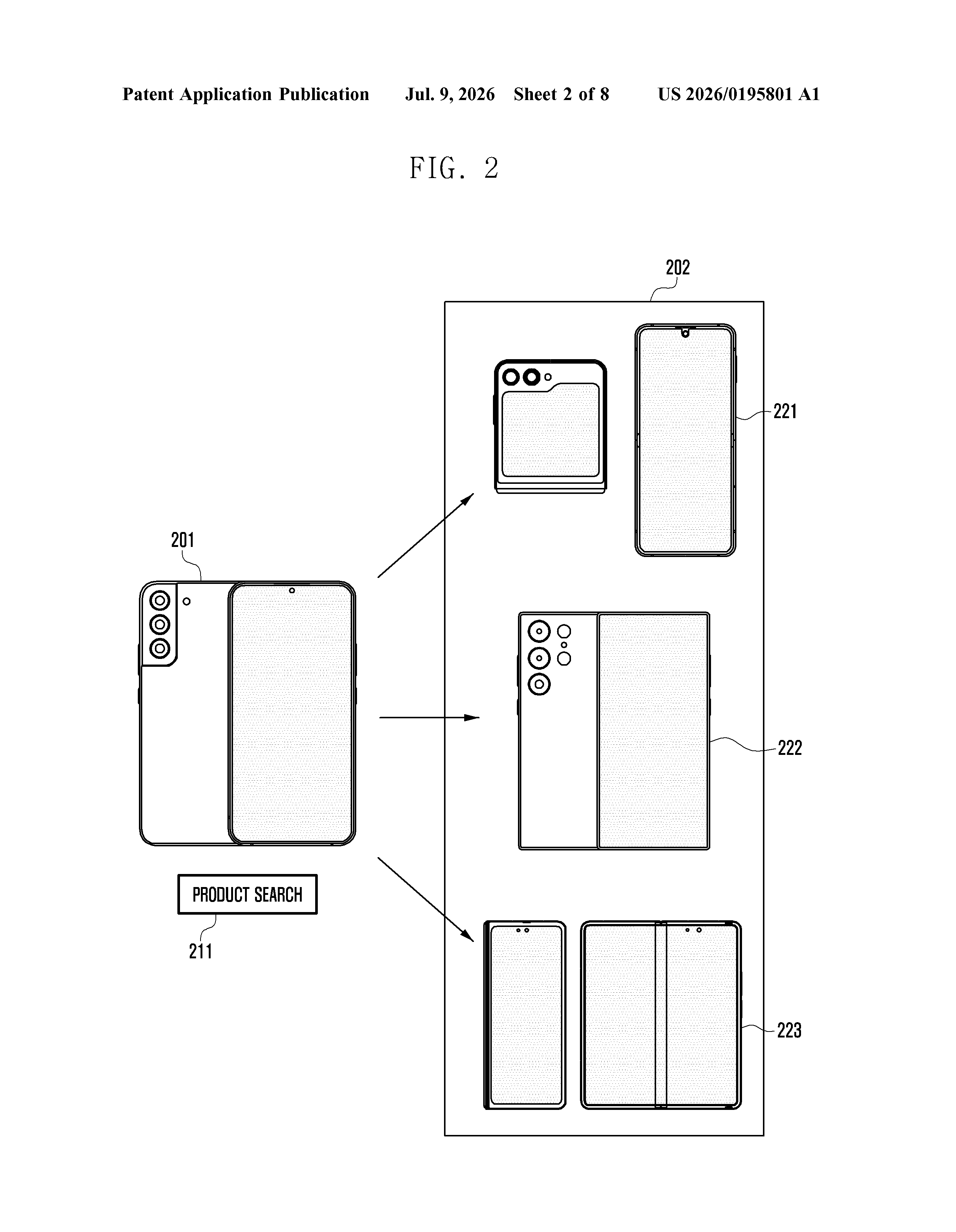
How Samsung's layout-aware shopping search works
Imagine you're shopping for a specific backpack: it has two front pockets, a logo in the upper-right corner, and mesh side panels. A normal search might return dozens of backpacks that share some of those features but look completely different in practice. Samsung's patent tackles exactly that problem.
The idea is to analyze where each feature sits on a product, not just what features it has. The system breaks a product down into individual visual elements, figures out how they're positioned and arranged relative to each other, and then uses that layout fingerprint to find other products whose features sit in roughly the same spots.
So instead of getting 'backpacks with mesh panels,' you'd get backpacks where the mesh panels are on the sides, the logo is top-right, and the front pockets are stacked. For shoppers who want something genuinely similar to what they already like, that's a meaningful step up from how most product recommendations work today.
How the object embedding model maps feature positions
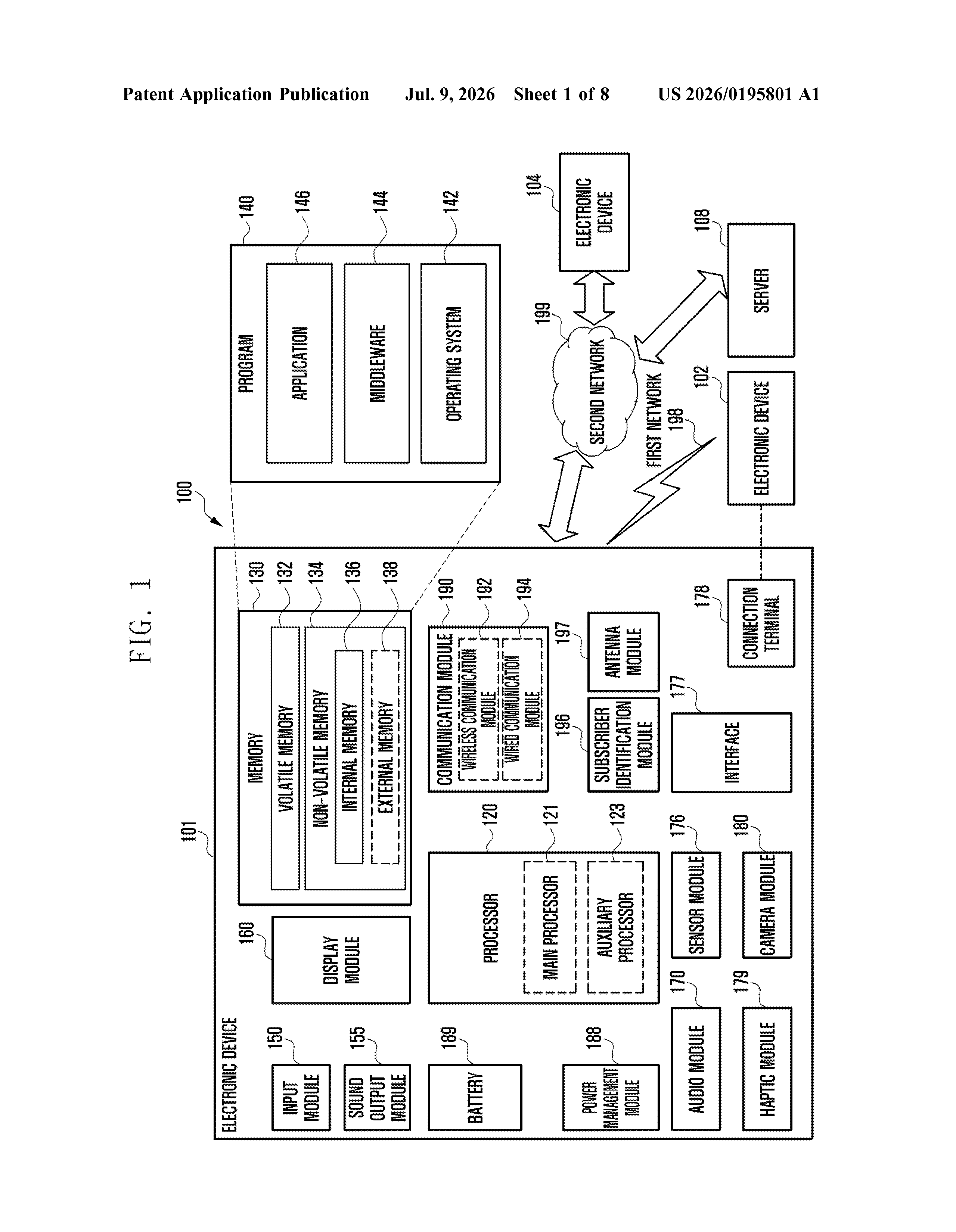
The patent centers on what Samsung calls an object embedding model, which is a type of AI trained to convert visual or descriptive elements of a product into numerical representations (think of each feature as a point in a coordinate space).
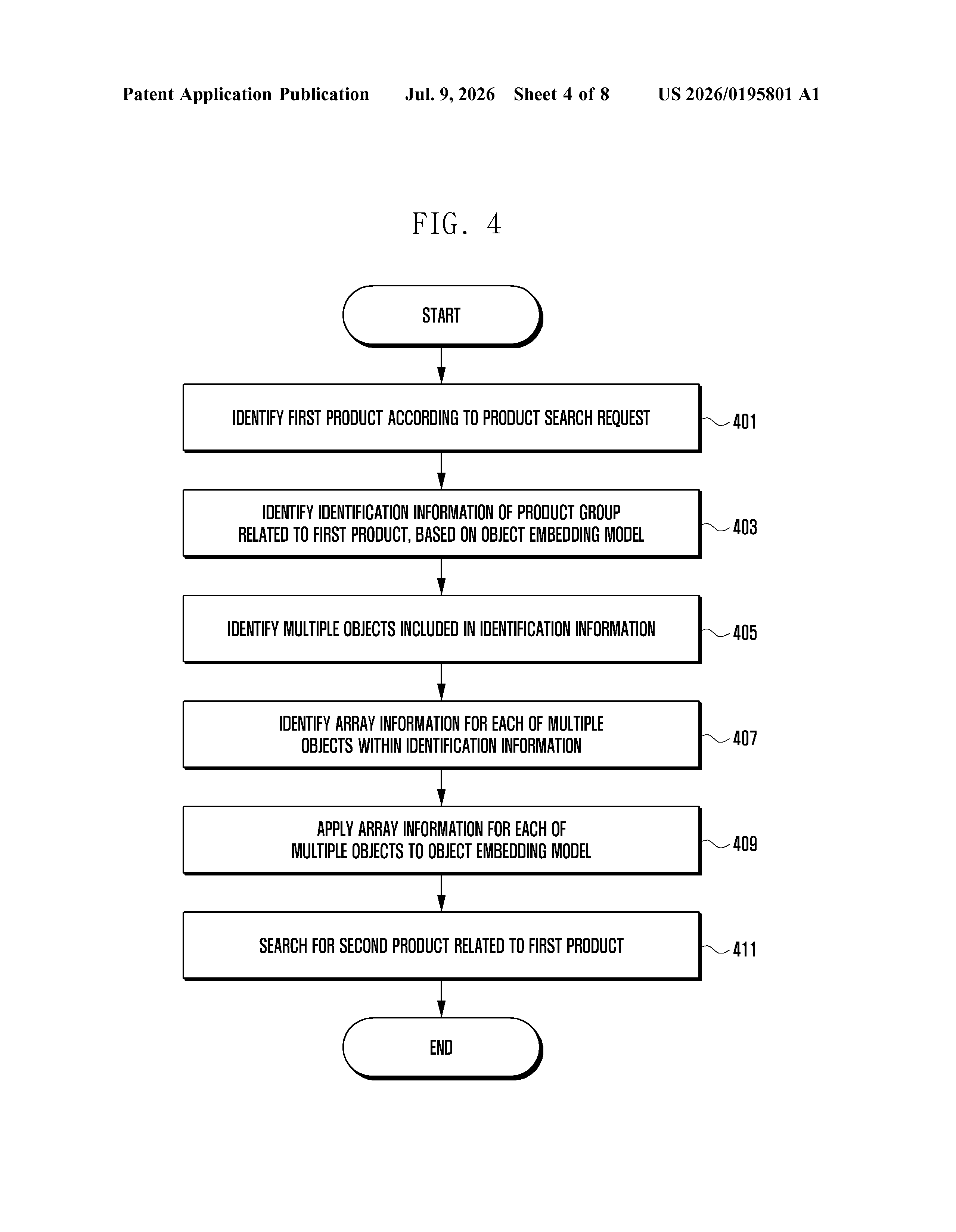
The process works in roughly four steps:
- A user submits a search tied to a specific product.
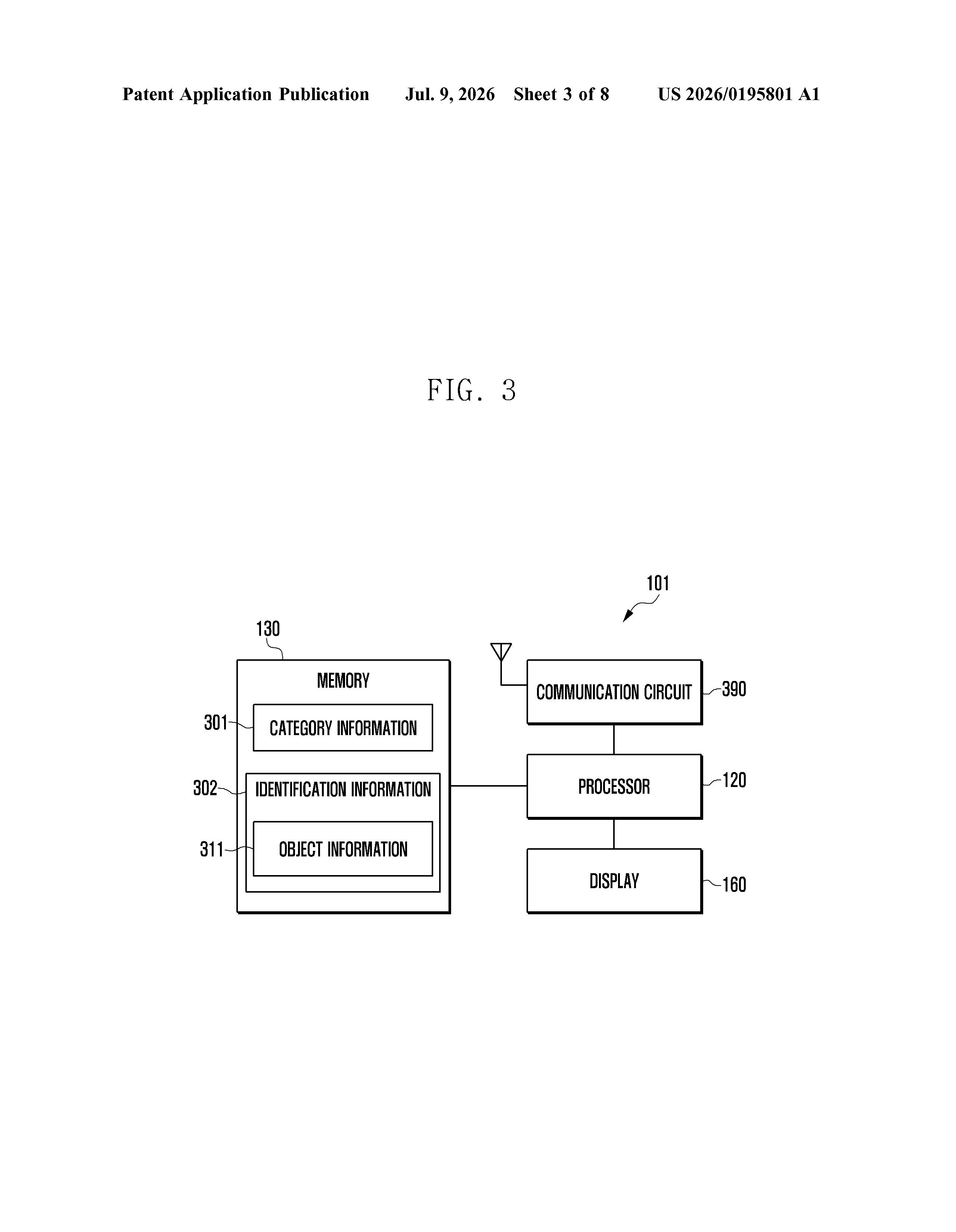
- The system identifies that product's category identification information, essentially a structured description of the relevant attributes for that category.
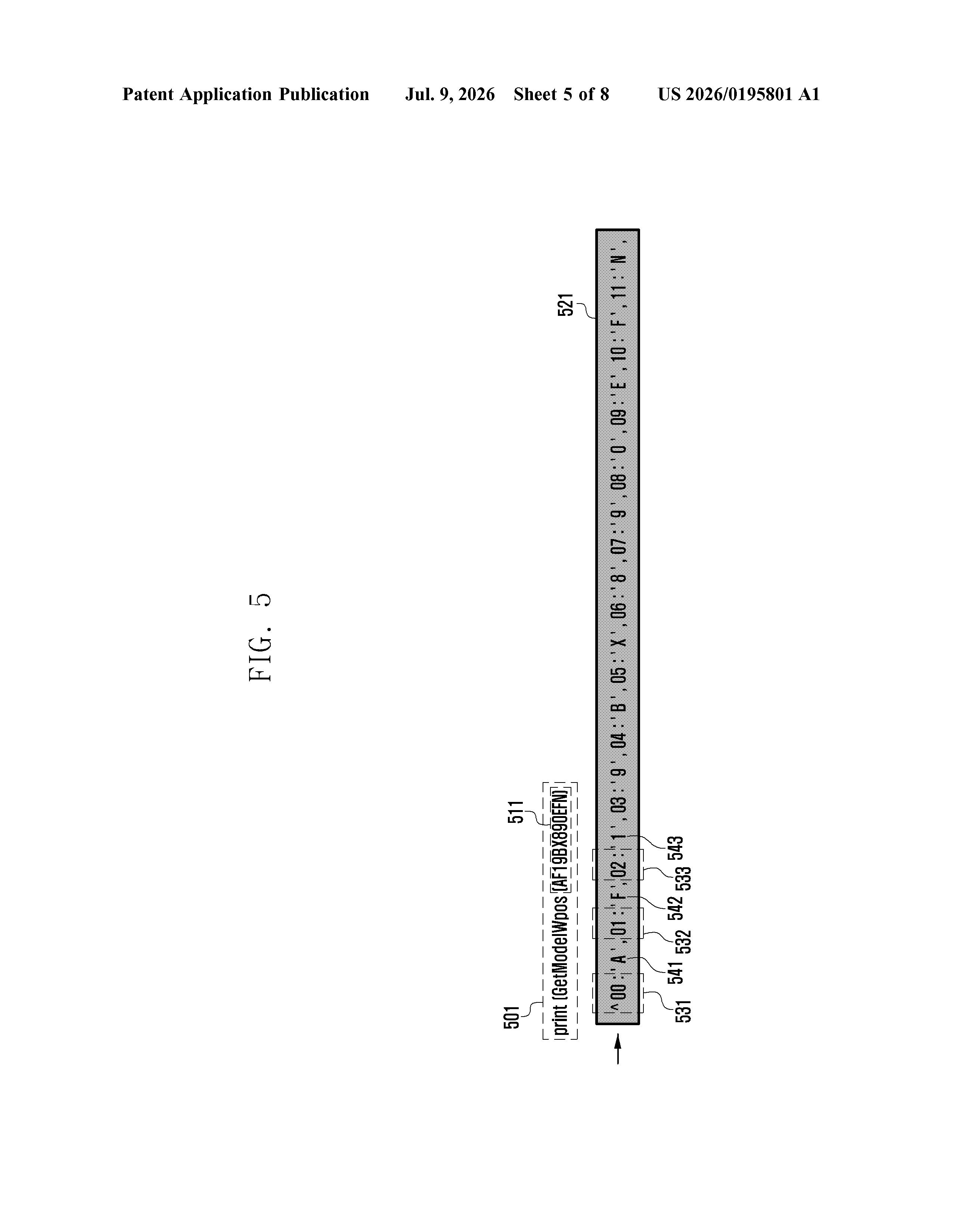
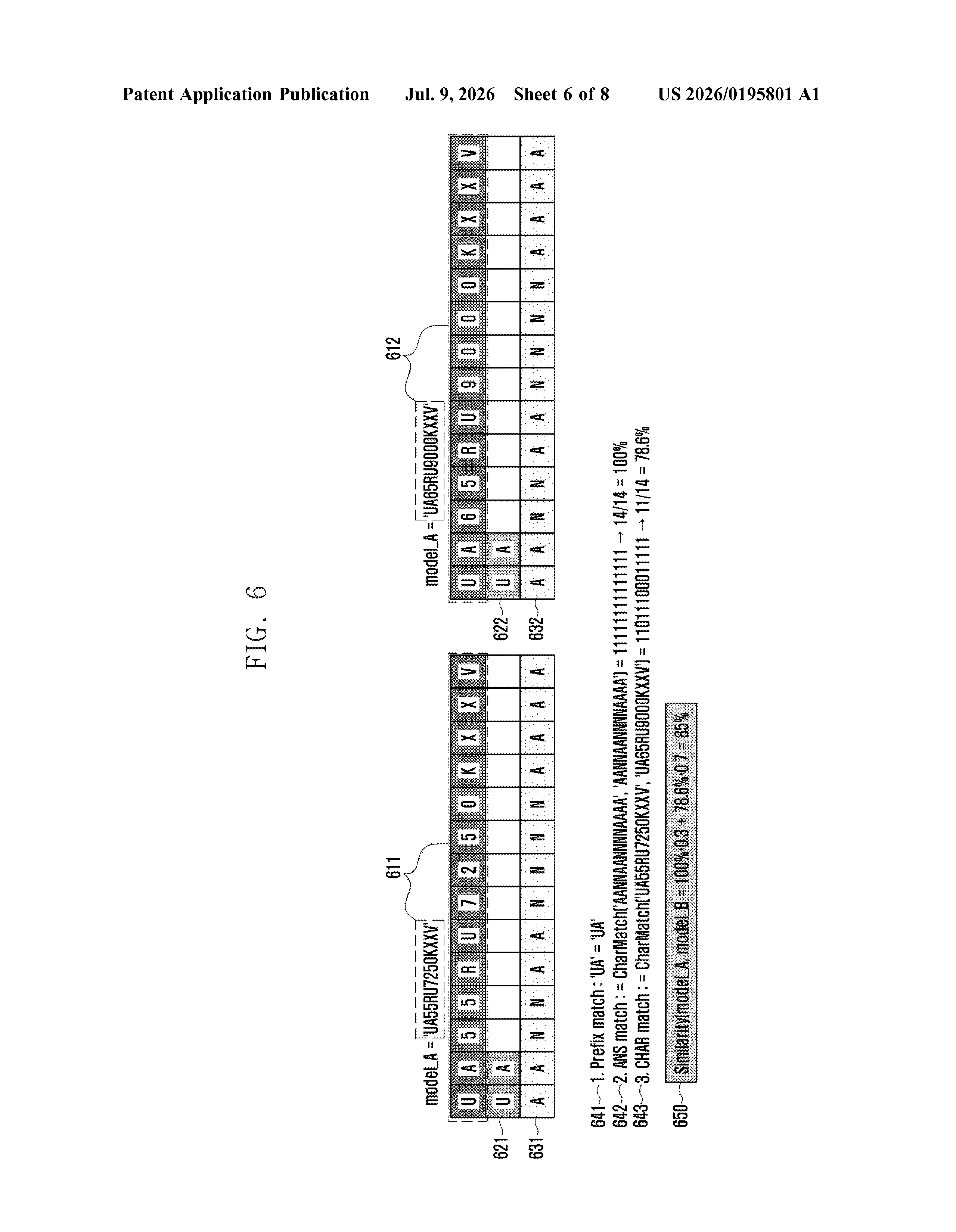
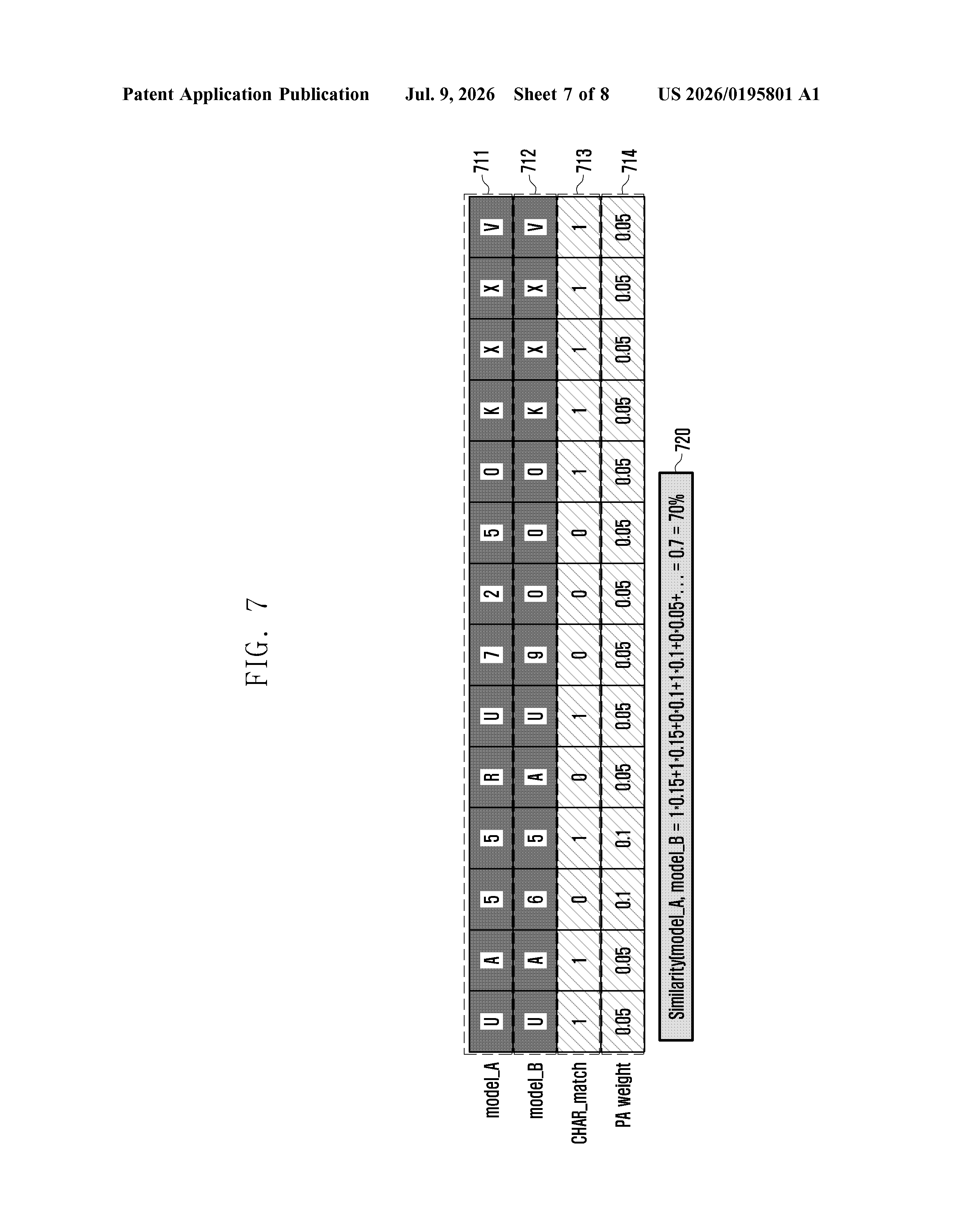
- The AI model analyzes the individual objects or features within that description and records their array information, meaning the spatial or positional relationship between those features.
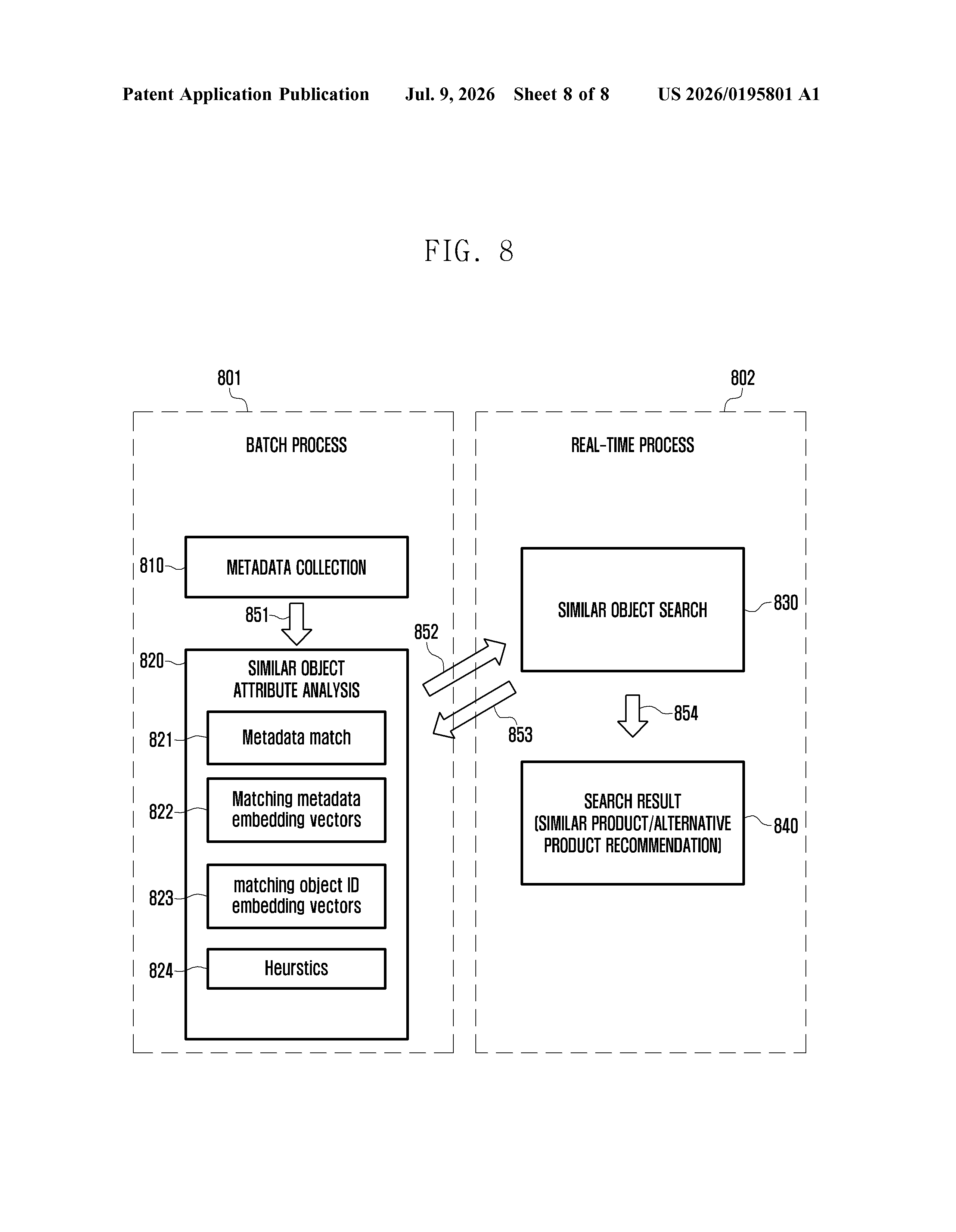
- The system then searches a product catalog for items whose feature arrangements closely match, and surfaces those as recommendations.
The key distinction from conventional recommendation engines is that positional context matters here. Two products can share the same list of features but arrange them very differently. Samsung's approach treats that arrangement as part of the product's identity, not just a visual detail to be ignored.
What this means for Samsung's shopping and search features
For Samsung, which operates its own e-commerce integrations and Galaxy device shopping features, a more precise recommendation engine could meaningfully improve the usefulness of on-device or in-app shopping tools. If you use a Samsung phone to search for a product by photo or text, this kind of spatial matching could surface results that feel genuinely similar rather than loosely related.
More broadly, this approach hints at a direction where visual product search gets less about broad categories and more about fine-grained physical similarity. That's useful for fashion, furniture, electronics accessories, and anything else where layout and proportion matter as much as the feature list itself.
This is a real and specific idea, not a vague AI filing. The focus on positional arrangement as a search signal is a genuine technical distinction from standard embedding-based recommendations. Whether Samsung turns it into a shipped product feature is another question, but the underlying concept is worth paying attention to.
Get our take in your Top Stories
Liked this breakdown? Add Patentlyze as a preferred source on Google, and our plain-English take shows up more often in your Top Stories the next time Samsung patent news breaks.
There are more where this came from
We read every patent application Big Tech publishes and send you the ones worth knowing. Plain English, free, every week.
The drawings
8 drawing sheets from US 2026/0195801 A1 · click any drawing to enlarge
Want this weekly breakdown for a company we don't cover? Patentlyze Pro →