
Apple Patents a Motion-Gated Heart Rate Sampling System for Wearables
Your Apple Watch sometimes takes heart rate readings at the worst possible moment — mid-stride, mid-pedal, maximum wrist bounce. This patent is Apple's attempt to fix that by making the watch wait for the right moment.
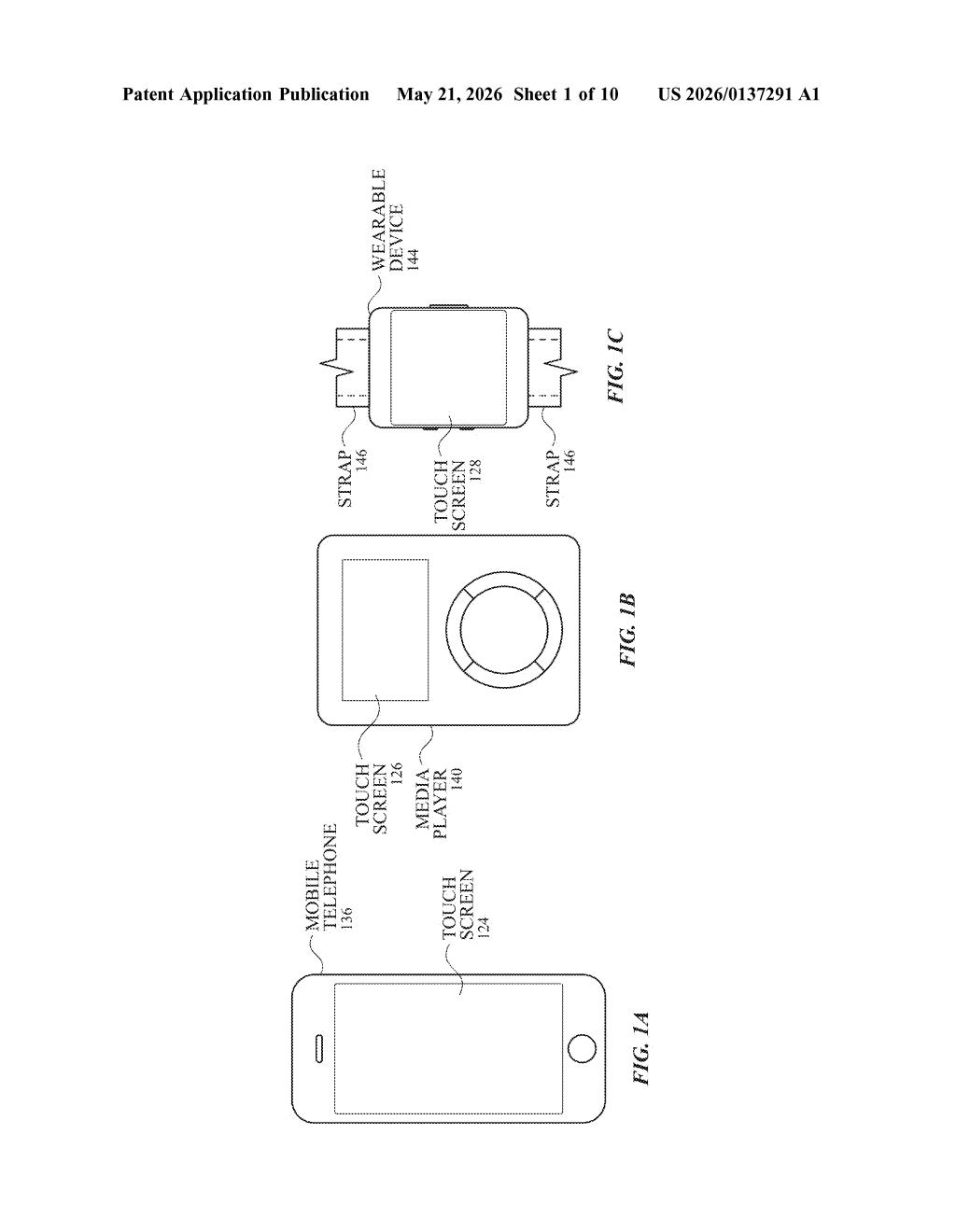
What Apple's activity-gated heart rate system actually does
Imagine your watch tries to check your heart rate right as you're taking a big step uphill. Your wrist is moving, your muscles are firing, and the optical sensor on the back of the watch is getting a noisy, unreliable signal. The number it reports might be off — sometimes by a lot.
Apple's new patent describes a system that essentially teaches your wearable to wait before sampling. Instead of grabbing a reading whenever the schedule says to, the device first checks whether you're in a stable, consistent phase of your activity — say, a steady walking rhythm with a confirmed step count — before the light-based sensor (the kind that measures blood flow through your skin) takes its measurement.
The core idea is to use motion data as a quality gate. The watch confirms you're doing a recognized activity like walking or biking, verifies that your motion meets a set of "continuous motion criteria," and only then fires the optical sensor. The result, in theory, is cleaner physiological data with less motion artifact noise.
How the watch decides when to take a clean reading
The patent describes a layered decision process that runs before any physiological measurement is taken. Here's the flow:
- Motion detection: One or more sensors (accelerometer, gyroscope) continuously measure movement and generate "motion information."
- Continuous motion criteria check: The system verifies that the motion is steady and consistent — not just that you're moving, but that you're moving in a stable, repeatable pattern. For walking, this includes a "walking state criteria" and a step count criteria, meaning the watch needs to confirm you've been walking for a sufficient number of steps before it considers the motion clean enough.
- Activity classification: The system also confirms which predetermined activity you're doing (walking, stair climbing, biking, etc.), since the noise profile and ideal sampling window differ by activity type.
- Gated measurement: Only when both criteria are satisfied does the device activate its light detectors (photoplethysmography, or PPG — the green LEDs that detect blood volume changes under the skin) to capture heart rate or other physiological signals.
The patent also mentions additional timing guardrails: an inter-sampling waiting time (a mandatory pause between readings) and a post-physiological measurement amount of time (a cooldown after each reading). A confidence value is also part of the framework, suggesting the system scores the quality of a potential measurement window before committing to it.
What this means for Apple Watch health accuracy
Heart rate accuracy during exercise is one of the most-criticized aspects of optical wearable sensors. Motion artifact — signal noise caused by the device moving against your skin — is the primary culprit. If Apple can reliably gate readings to low-noise windows during known activities, it directly improves the trustworthiness of workout heart rate data, which flows into calorie estimates, fitness load calculations, and health trend analysis that users increasingly rely on.
This is also relevant to Apple's broader health ambitions. More accurate physiological data during activity means better inputs for features like cardio fitness (VO2 max), irregular rhythm notifications, and any future health metrics Apple adds to the Watch. A smarter sampling strategy is foundational infrastructure — it doesn't show up in a spec sheet, but it underpins everything built on top of it.
This is unglamorous but genuinely useful engineering work. Motion artifact is a real and persistent problem with optical heart rate sensors, and Apple's approach — using activity classification and motion consistency as a gate rather than just filtering noisy readings after the fact — is a more principled solution than most. Worth caring about if you use Apple Watch for fitness tracking.
Get our take in your Top Stories
Liked this breakdown? Add Patentlyze as a preferred source on Google, and our plain-English take shows up more often in your Top Stories the next time Apple patent news breaks.
There are more where this came from
We read every patent application Big Tech publishes and send you the ones worth knowing. Plain English, free, every week.
Want this weekly breakdown for a company we don't cover? Patentlyze Pro →