
Intel Patents a System That Switches Your Wi-Fi to a Backup Before You Notice It's Down
Intel has filed a patent for a system that checks whether a backup Wi-Fi access point is working, then switches your traffic over the moment your current connection fails, before apps on your device even realize anything went wrong.
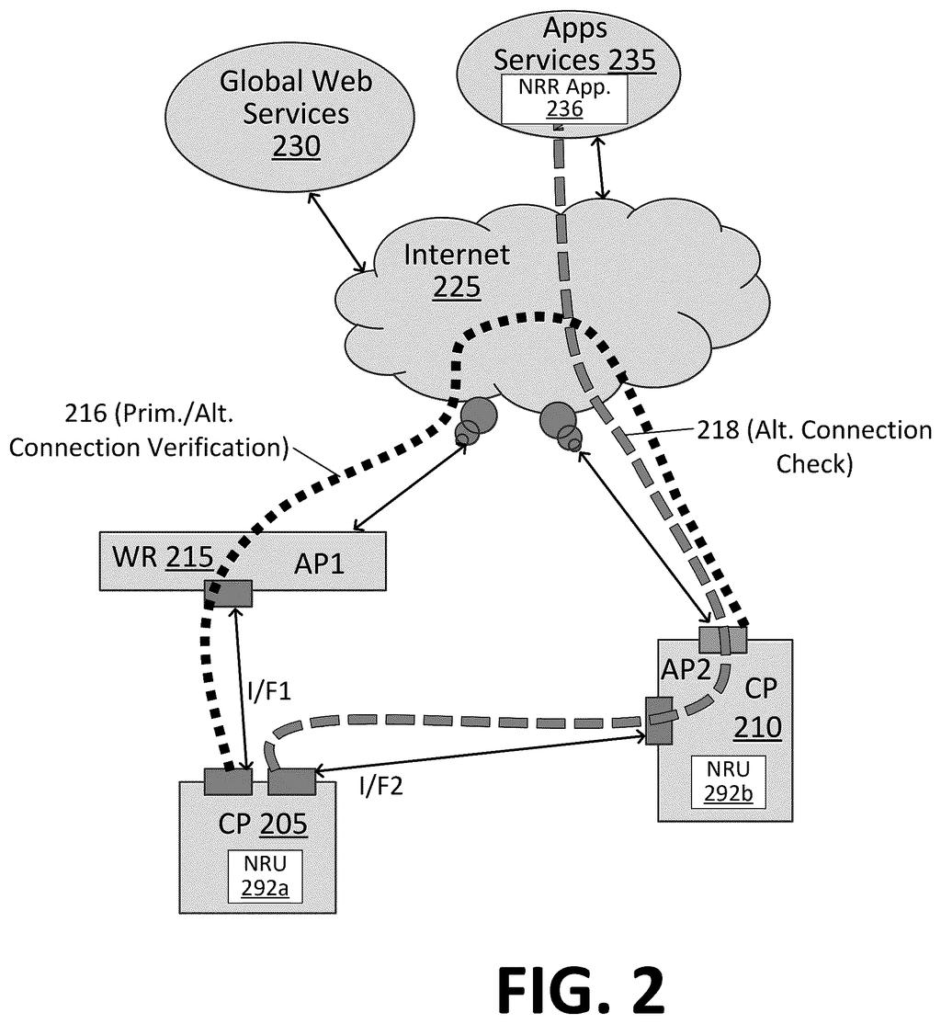
What Intel's automatic Wi-Fi failover actually does
Imagine you're on a video call and your router hiccups. For a few painful seconds, the connection drops, the call freezes, and your apps throw up error messages. By the time the router reconnects or you switch networks manually, the damage is done.
Intel's patent describes a system built into a device's computing platform that runs a continuous background test: it sends small probe messages through your current Wi-Fi access point and also through a backup one, checking whether both paths to the internet are actually working. If the main connection fails, it already knows the backup is ready and immediately reroutes your traffic.
The key idea is speed. Instead of waiting for an app to report a timeout, the device itself detects the failure and switches connections in one fast step. If the original connection comes back, the system can revert just as quickly.
Techniques may be provided to facilitate rapid automatic access point (AP) steering and reverting between APs based on efficiently determining AP connection failure.
Translation: This describes a method for quickly and automatically shifting your devices between different Wi-Fi routers when a connection dies.
How the device tests the backup router in the background
The patent covers a method running entirely on the device's compute platform, no router firmware update required. Here's the flow:
- Normal operation: all internet traffic flows through a primary access point (your usual router or Wi-Fi hotspot).
- Parallel probing: the device also sends lightweight "response request" messages through the primary access point and out to an alternate access point, essentially asking the backup "are you alive and reachable?"
- Failure detection: if the primary connection stops returning responses, the system uses the data it already collected from probing the backup to confirm a usable alternate path exists.
- Automatic failover: traffic is rerouted through the alternate access point immediately, without waiting for an OS-level timeout or user intervention.
The claim is written around a non-transitory computer readable storage medium (meaning the logic lives in firmware or software stored on the device, not in the network hardware). That scope is deliberately broad: it covers any compute platform running these instructions, whether that's a laptop, a gateway device, or an embedded controller.
What this means for always-on laptops and smart devices
For most people, a Wi-Fi drop is a minor annoyance. But for enterprise laptops on video calls, industrial sensors, or any device where a few seconds of downtime costs money or causes errors, faster failover has real value. A system that detects failure and switches connections before the app layer even notices is meaningfully faster than anything that relies on TCP timeouts or OS-level reconnect logic.
For you as a consumer, this could mean laptop Wi-Fi that automatically and silently switches between your home router and a nearby hotspot the moment one falters. The promise is that your apps stay running without a visible hiccup.
Intel's 157th filing in our Intel coverage since May adds to a run that includes offloading work to cell networks and routing signals through metal frames.
Claim 1 covers any computing device that runs background connection tests toward a backup wireless network while still connected to its primary one, then switches over when those tests reveal a problem. That scope is wide: the claim does not specify how often the tests run, what degree of failure triggers a switch, or how the backup network gets set up in the first place.
In practice, a claim that broad could apply to a large range of laptops, tablets, or handheld devices running this probe-and-switch logic, giving the patent real blocking power over everyday consumer hardware, not just specialized networking equipment.
The open question is whether the patent office accepts that framing or pushes Intel to narrow it. Vague boundaries in a claim tend to invite challenges, and the core behavior here testing a fallback connection and jumping to it when needed, is familiar enough that prior examples will certainly surface during review.
There are more where this came from
We read every patent application Big Tech publishes and send you the ones worth knowing. Plain English, free, every week.
The drawings
5 drawing sheets from US 2026/0303519 A1 · click any drawing to enlarge


Want this weekly breakdown for a company we don't cover? Patentlyze Pro →
Be the first to weigh in