
IBM Patents a System for Sending Different Screen Content to Different Video Call Participants
Imagine running a Zoom call where your sales team sees the CRM dashboard, your engineers see the terminal logs, and your exec sees only the PowerPoint — all at the same time, without juggling multiple sessions. That's the core idea behind this IBM patent.
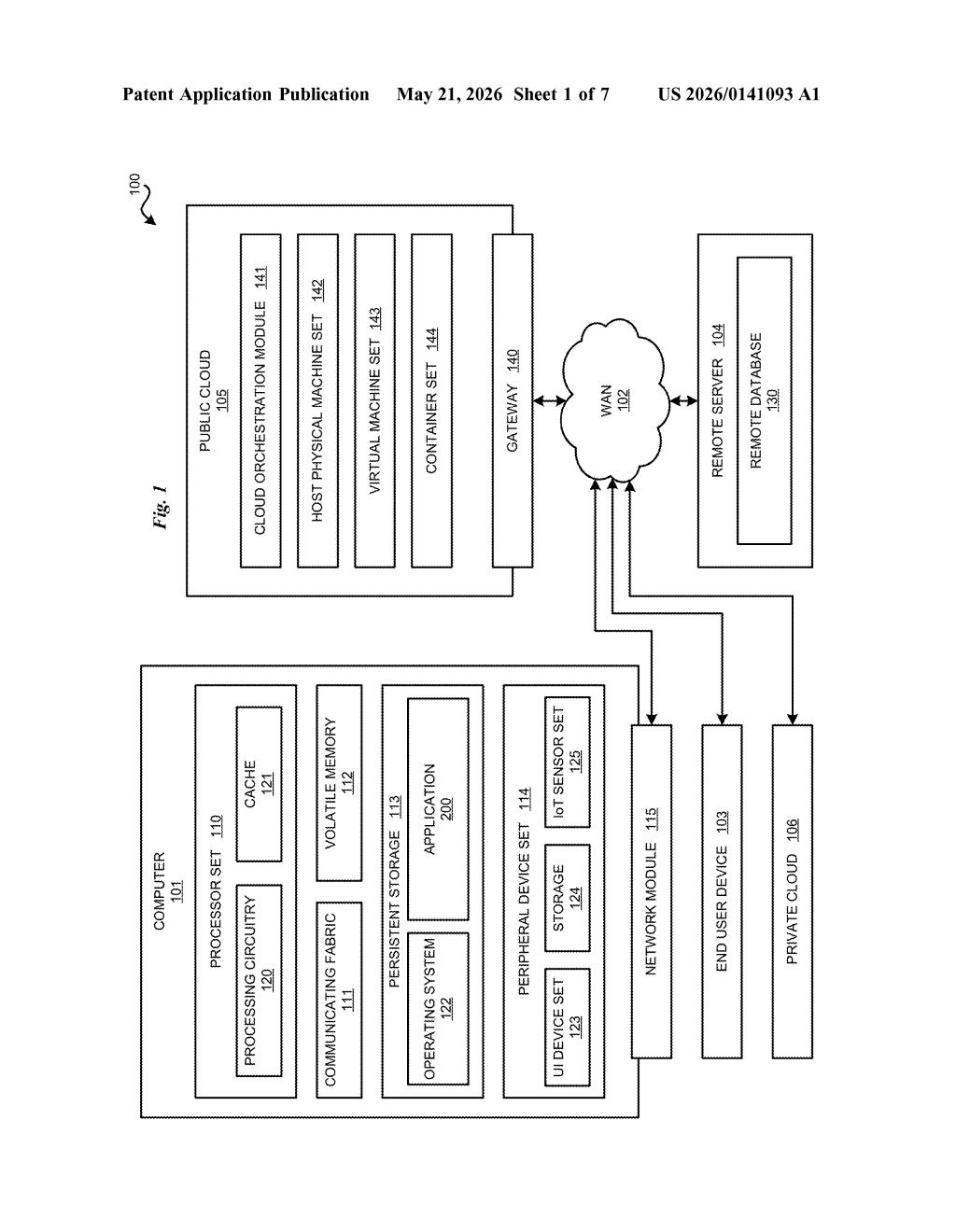
What IBM's per-user screen sharing actually does
Right now, when you share your screen in a video call, everyone on the call sees the same thing. If you want different people to see different windows or apps, you're stuck hosting separate meetings or frantically alt-tabbing between them.
IBM's patent describes a video conferencing server that can split a screen-share into separate segments and deliver each segment only to the people who are supposed to see it. So one attendee gets your PowerPoint and browser, another gets your terminal logs, and a third gets the full picture — all from the same meeting.
The system figures out who should see what by computing an "access metric" from the share request, essentially a permission profile for each user. The relevant slice of the screen is then extracted and sent as its own private stream to that person's device.
How IBM's access metric routes segments to specific users
The patent centers on a video conferencing server that intercepts a screen-sharing request and computes an access metric — essentially a per-user permission descriptor that encodes which portions of the shared media stream a given participant is authorized to receive.
Based on that metric, the server extracts a segment from the full media stream. A "segment" here is a discrete, bounded slice of the stream — think one application window, a terminal pane, or a browser tab — not the entire screen feed. This segment is packaged separately from the main stream.
The extracted segment is then sent directly to the target user's device, where it renders as if it were a normal share. Crucially, the patent makes clear this segment travels independently of the broader media stream, meaning other participants never receive it as part of their own feed.
The UI mockup embedded in the patent shows a presenter interface with familiar sharing options (screen, whiteboard, camera, files) augmented by a receiver-selection step — you pick which attendees get which application before hitting share. The described applications include browser windows, terminals, Microsoft Office apps, and third-party tools like Cisco Secure Client.
What this means for enterprise video conferencing privacy
For enterprise use cases — security reviews, client calls, multi-team standups — the inability to selectively share content is a genuine friction point. Right now, the workaround is either hosting parallel calls or trusting attendees not to screenshot things they weren't supposed to see. IBM's approach bakes the access control into the conferencing infrastructure itself, which is a cleaner solution.
The patent's reference to terminals, code editors, and "Cisco Secure Client" signals this is aimed squarely at developer and IT workflows, not casual video calls. If this capability shipped in a product like IBM's Webex-adjacent collaboration tools or a third-party platform that licensed the approach, it could make sensitive technical reviews meaningfully easier to run without spinning up separate sessions for every audience segment.
This is a genuinely useful idea solving a real, recurring problem in enterprise video calls — the kind of thing anyone who has ever fumbled through a multi-audience demo will immediately recognize. The claim language is fairly broad ("computing an access metric" covers a lot of ground), but the core concept is specific enough that IBM probably has a defensible filing here. Worth watching if you work in enterprise collaboration tooling.
There are more where this came from
We read every patent application Big Tech publishes and send you the ones worth knowing. Plain English, free, every week.
Want this weekly breakdown for a company we don't cover? Patentlyze Pro →