
OpenAI
OpenAI · AI / ML · Filed Nov 17, 2025 · USPTO published Nov 12, 2026 · This week's release
OpenAI Files Patent for Shared AI Project Folders With Built-In Instructions
OpenAI has filed a patent application for project folders that load your instructions, files and past chats into an AI assistant in one click. Share a folder with a coworker and each of you gets answers tuned to you.
- Publication number
- US 2026/0359788 A1(US20260359788A1)
- Applicant
- OpenAI OpCo, LLC
- Filed · Published
- Nov 17, 2025 · Nov 12, 2026
- Inventors
- Thomas Dimson, Drew Schuster
- Status when we published
- Examiner raised objections; the company can respond
- Document
- 20 claims
- US classification
- 707/827
- Examiner
- BULLOCK, JOSHUA (Art Unit 2153)
- Parent application
- Continuation of 19/202,262 (filed May 8, 2025)(19202262)
What OpenAI's shared project folders do
A wedding planner opens an AI chatbot and types out the same instructions she typed yesterday: the tone to use, the templates to follow, the details about her client. She does this every single time. If you've ever pasted the same block of background into a chatbot for the tenth time, you know the feeling.
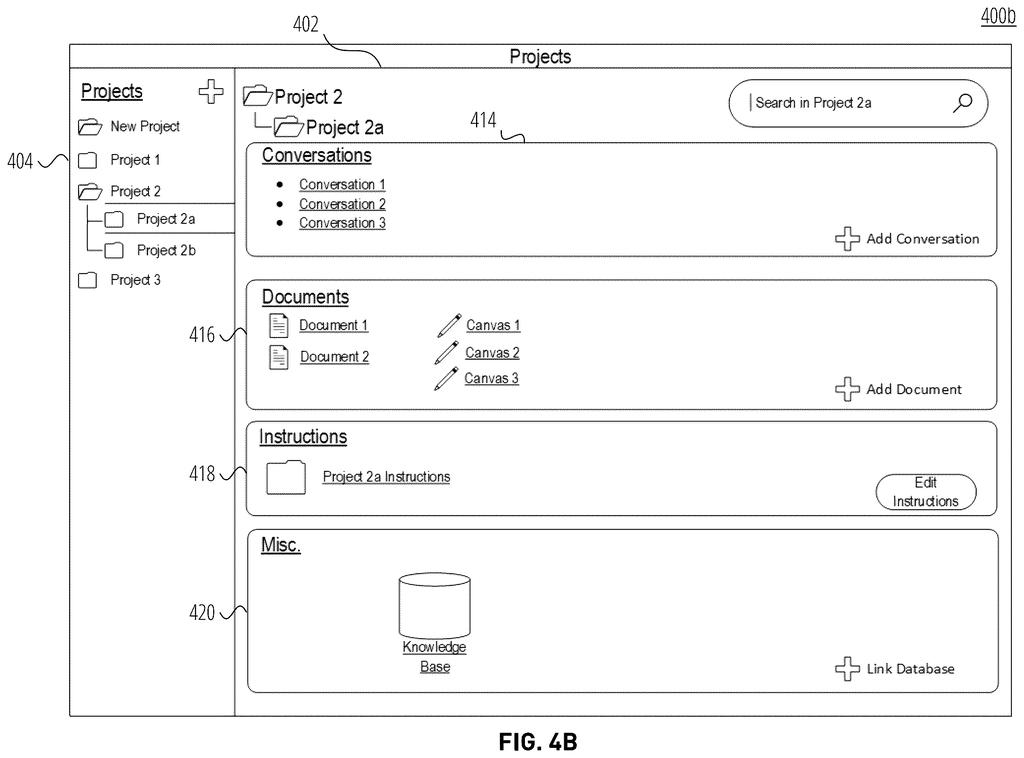
OpenAI's patent application describes smart folders to fix that. You drop your instructions, documents and past chats into a folder. Open the folder, and the AI receives all of it automatically. Folders can sit inside other folders, so a client's folder can inherit the planner's general rules and add its own.
You can also share a folder. A colleague gets the same background, but the AI still answers them using their preferences, and your personal AI memory stays out of it.
receiving, by a generative response engine, a request from a first user account to save a conversation thread between the first user account and the generative response engine to a smart folder, wherein a second user account is granted access permission to the smart folder by the first user account …
Translation: One user saves a chat to a shared folder that another person can access.
How nested folders pass instructions down
The filing describes smart folders, containers that hold what the patent calls context items: written instructions for the AI, uploaded documents, collaborative documents, and saved conversation threads. When you select a folder, those items are loaded into the AI's context window (everything the model receives as input when it writes a reply).
The claims center on sharing. One user saves a conversation to a folder and grants a second user access. The second user selects the folder and types a prompt, and the system sends that prompt plus the folder's items to the model. The reply is shown to the second user and appended to the shared thread.
Folders can also nest:
- Selecting a parent folder sends only the parent's instructions.
- Selecting a sub-folder sends its own items plus the parent's.
- The model is told how the folders are nested and is trained to settle conflicts between general rules and specific ones.
Each person's personalization state (the memories the AI has built up about them) is added to their own context window but is not stored in the folder. The first user's state is not sent when the second user asks a question. Documents can be stored as vectors for retrieval-augmented generation (RAG, where the AI searches your files for relevant passages), and oversized items can be summarized to fit.
The present technology pertains to managing contexts for generative response engines while enforcing a hierarchy of contexts based on the organization of the contexts into one or more smart folders.
Translation: This system organizes saved files and chats into smart folders to help the AI understand background info.
What shared folders mean for your AI chats
If you use an AI assistant for work, the daily chore is re-explaining yourself. A folder that remembers your instructions, files and past chats would cut that, and a shared one would let a team start from the same background instead of everyone building their own. The filing's examples include a professor who shares a class assistant with students who cannot edit its rules.
The privacy design matters too: each person's own AI memory stays out of the shared folder. As for status, an examiner has issued a first rejection, a routine step that usually leads to amendments, so nothing here is approved. The filing names ChatGPT, custom GPTs and Canvas as examples of where the idea could apply.
OpenAI's fifth filing we've tracked in our AI assistants that remember you watchlist since August builds on earlier applications like one on AI-written notes and one on short user profiles.
Source: US 2026/0359788 A1 at the USPTO (PDF). Full patent text and figures are in the official publication.
Get our take in your Top Stories
Liked this breakdown? Add Patentlyze as a preferred source on Google, and our plain-English take shows up more often in your Top Stories the next time OpenAI patent news breaks.
Add Patentlyze on Google
One click.
There are more where this came from
We read every patent application Big Tech publishes and send you the ones worth knowing. Plain English, free, every week.
The drawings · 10 sheets
10 drawing sheets from US 2026/0359788 A1 · click any drawing to enlarge


Show the other 2 sheets


More from OpenAI
All 51 OpenAI patents →
More in AI assistant & agent
All 413 AI assistant & agent patents →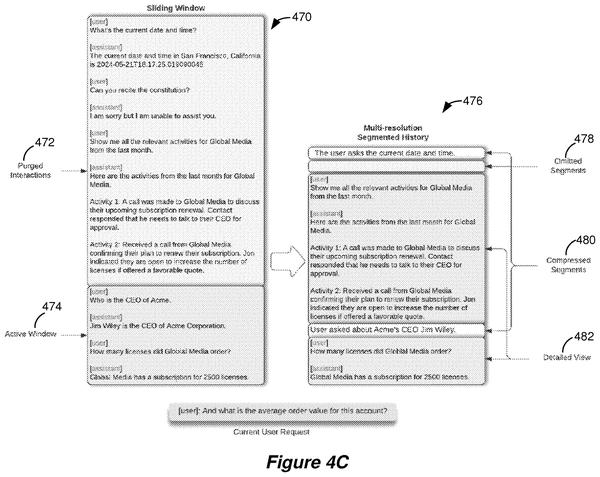
Salesforce
Salesforce Patents Chatbot Memory That Shrinks Old Topics and Keeps the Relevant Ones
Disney
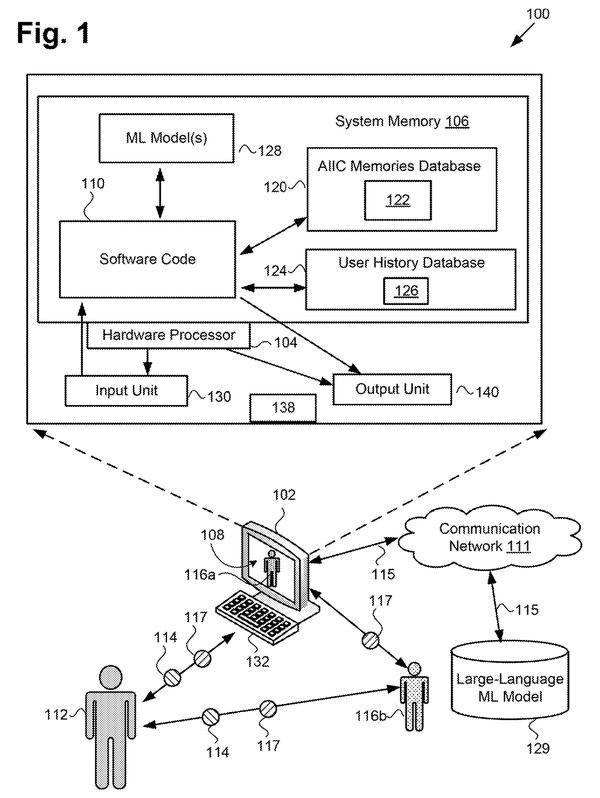
Disney Files Patent for an AI Character That Invents Memories to Match Yours
Microsoft
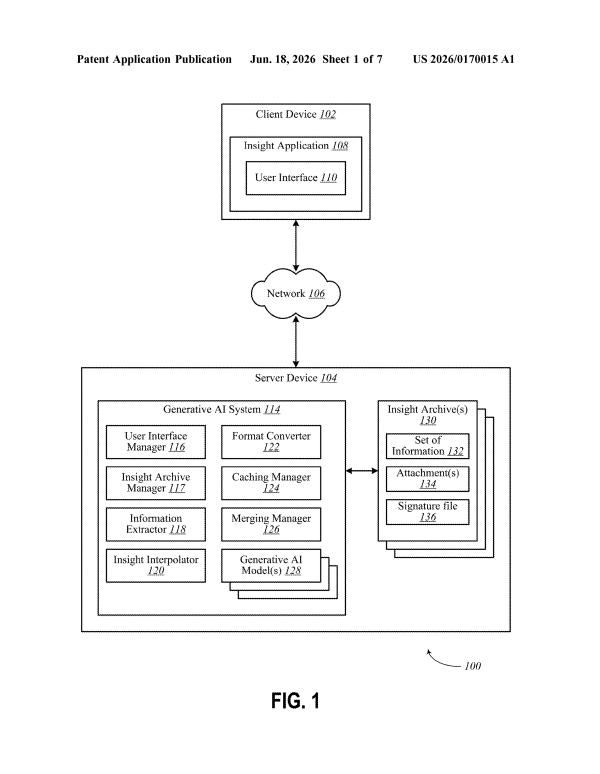
A New Microsoft Patent Lets AI Remember and Learn From Past Chats
Google
No comments yet