
Google
Google · Software · Filed Jan 16, 2026 · USPTO published Nov 12, 2026 · This week's release
A New Google Patent Guesses Whether You're Ready to Buy and Slides Up Price Comparisons
Google has filed a patent for a browser feature that tries to work out whether you're just browsing or about to check out. It then slides a panel over the page with whatever it thinks you need next.
- Publication number
- US 2026/0359371 A1(US20260359371A1)
- Applicant
- GOOGLE LLC
- Filed · Published
- Jan 16, 2026 · Nov 12, 2026
- Inventors
- Ibrahim Badr
- Status when we published
- Waiting for an examiner
- Document
- 20 claims
- US classification
- 707/707
- Parent application
- Continuation of 18/744,105 (filed Jun 14, 2024)(18744105)
What Google's shopping-intent guesser actually does
Buying a pair of jeans online usually means a dozen tabs. You search "blue jeans," click through brand pages and reviews, and then hunt for a store with a decent price. Google's patent describes a way to cut down that legwork.
As you browse, the system would guess what you're up to: just looking around, keeping an eye on a product, or ready to buy. It bases the guess on the page you're on and the path that got you there. Searching "good smartphones" suggests early research, while searching a specific phone model suggests you're close to buying.
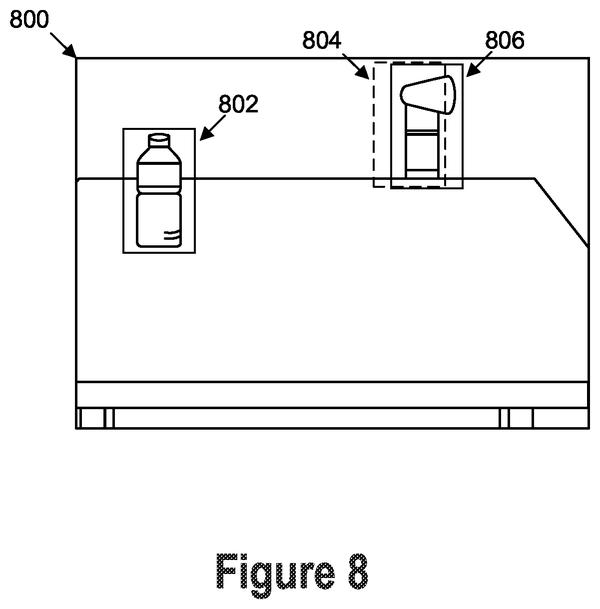
Then a panel slides up over the bottom of the page with help that fits. You might get overview articles if you're exploring, reviews if you've narrowed it down, and store prices and availability if you're about to buy.
… determining a predicted intent of the user, wherein determining the predicted intent comprises: applying, as input to a trained machine learning model, the information identifying the webpage and the device activity history of the user; and receiving, as output from the trained machine learning model, the predicted intent of the user …
Translation: An artificial intelligence model analyzes your browsing history to figure out what you plan to do next.
How the browser decides when to slide up help
The system starts with two inputs: which page you're on, and your device activity history. That history includes the pages you visited just before, and can also include your searches, the apps you've opened, and even messages you've sent or received. Both go into a trained machine learning model (software that learned patterns from past examples). The model returns a predicted intent, such as "information gathering," "tracking," or "purchasing."
Next, the system picks additional content to match:
- Information gathering: overview articles, product comparisons, reviews
- Purchasing: store information, product availability, a comparison of offers from several stores
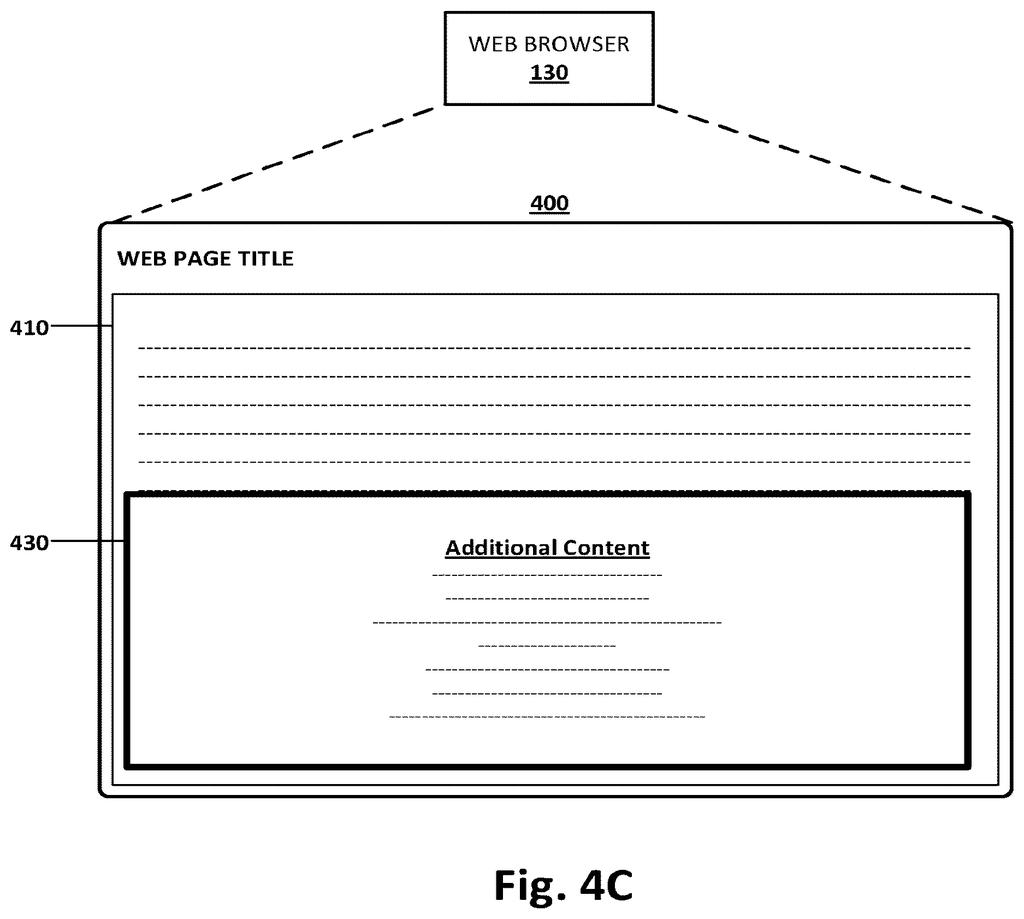
The panel doesn't appear instantly. It waits for a display condition, such as you staying on the page past a time limit or scrolling past a set point (the filing mentions 85% of the page as an example). The model can also report a confidence level, and the panel can be held back when that number is low. When it shows up, it's a slide drawer over the lower part of the page (about the bottom 25% in the example), typically run by a browser plug-in.
The filing also describes fetching content ahead of time (precaching) when confidence is high. It mentions a "track" button with price-change alerts and a dashboard, plus a list of related questions drawn from the searches that most often lead to the page.
… displaying an overlay, on a portion of the webpage, that includes the additional content.
Translation: A popup window appears over the page you are reading to show you extra information.
Why Google's browser overlay changes shopping
If you shop online, this goes after a familiar chore: bouncing between search results, review sites and store pages to decide what to buy and where. A panel that shows reviews while you're still deciding, and price comparisons once you're ready, could save you several tabs and some time. The filing also pitches it as lighter on your device, since fewer pages need to be opened and loaded.
For Google, it's a way to put useful content in front of you inside the page you're already reading. The guesses depend on your browsing trail, so how much of your data gets used and where it's processed would matter to anyone who turns a feature like this on.
Google's 1067th filing in our Google coverage since May follows work like self-rewriting search ads and a lighter digital car key.
Source: US 2026/0359371 A1 at the USPTO (PDF). Full patent text and figures are in the official publication.
Get our take in your Top Stories
Liked this breakdown? Add Patentlyze as a preferred source on Google, and our plain-English take shows up more often in your Top Stories the next time Google patent news breaks.
Add Patentlyze on Google
One click.
There are more where this came from
We read every patent application Big Tech publishes and send you the ones worth knowing. Plain English, free, every week.
The drawings · 7 sheets
7 drawing sheets from US 2026/0359371 A1 · click any drawing to enlarge


More from Google
All 1,079 Google patents →
More in Software
All 753 Software patents →
IBM
IBM Files Patent for Letting Several People Share One Quantum Computer at Once
Sony
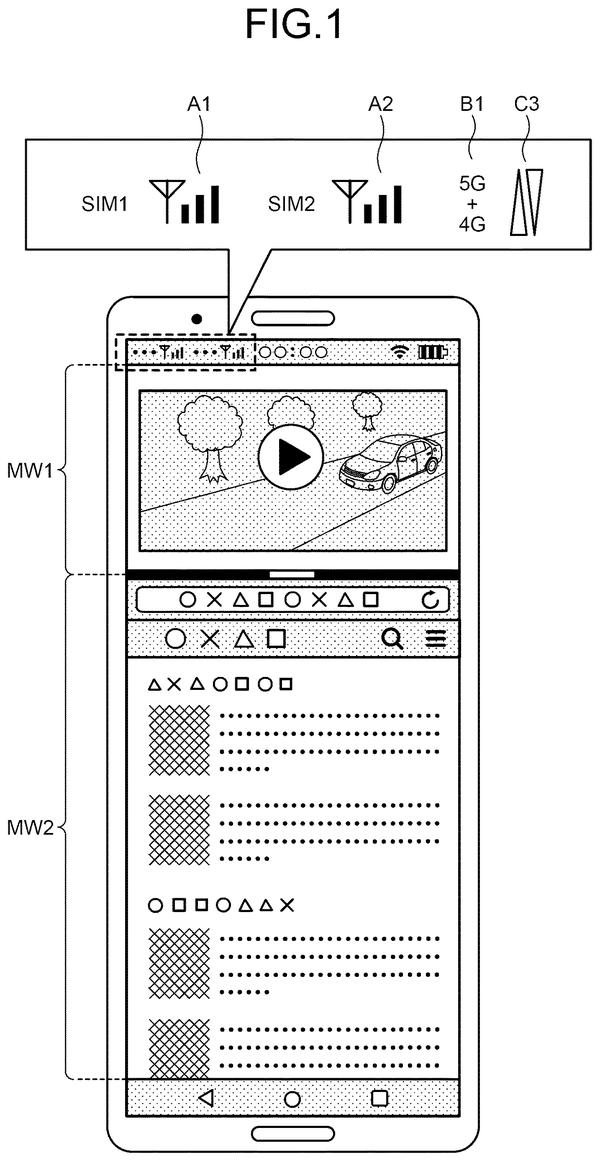
Sony Patents Phone Icons That Show Which of Your Two SIM Cards Is Online
Sony
Sony Patents a Shortcut That Lets a Moving Camera Map a Room Faster
Qualcomm
No comments yet