
BMW
BMW · Automotive · Filed Apr 30, 2025 · USPTO published Nov 19, 2026 · This week's release
BMW Files Patent for Cameras That Spot Fogged Windows and Clear Them Automatically
BMW's filing replaces fog sensors with a simple trick: look at the same scene twice, once through the glass and once without it. If the two pictures disagree, the window needs clearing.
- Publication number
- US 2026/0370952 A1(US20260370952A1)
- Applicant
- Bayerische Motoren Werke Aktiengesellschaft
- Filed · Published
- Apr 30, 2025 · Nov 19, 2026
- Inventors
- Vincent Karas, Johannes Feldmaier, Andreas Menath, Fabian Franke, Carina Weismann, Willibald Watzka
- Status when we published
- Examiner raised objections; the company can respond
- Document
- 17 claims
- US classification
- 348/148
- Examiner
- WALKER, JARED T (Art Unit 2426)
- Parent application
- National Stage Entry of PCT/EP2023/072547 (filed Aug 16, 2023)(PCTEP2023072547)
What BMW's two-camera fog check actually does
Cars that try to notice a fogged-up window today usually lean on temperature, humidity or dedicated mist sensors. Each one only measures a single spot, and none of them checks what you can actually see through the glass.
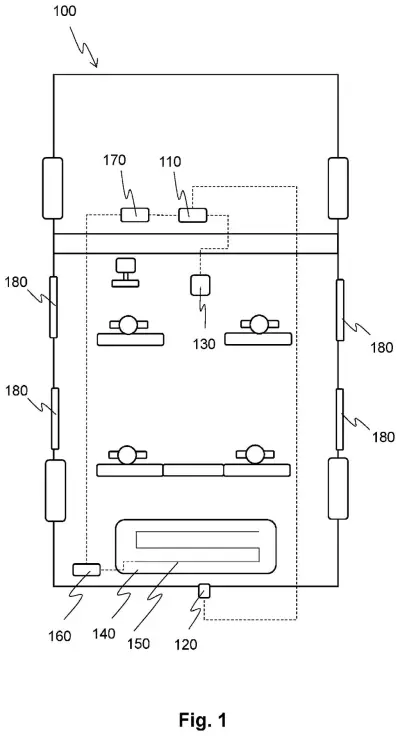
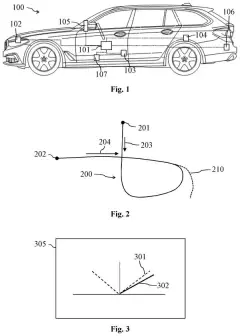
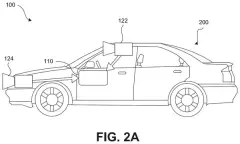
BMW's filing swaps that for a simple comparison. A camera inside the car looks out through, say, the rear window. A second camera mounted on the outside, such as a parking camera in the bumper, looks at the same scene with no glass in the way. If the inside view doesn't match the outside one, the glass is probably hazy.
From there the car can act on its own: switch on the rear-window heater, run the wipers, blow air into the cabin, or crack a side window. When the two views match again, it stops.
a first image sensor configured to capture a first image of a spatial area outside the vehicle through a window of the vehicle; a second image sensor configured to capture a second image of the spatial area, other than through the window of the vehicle; …
Translation: One camera looks outside through the glass while another looks outside without the glass in the way.
How the car compares its inside and outside views
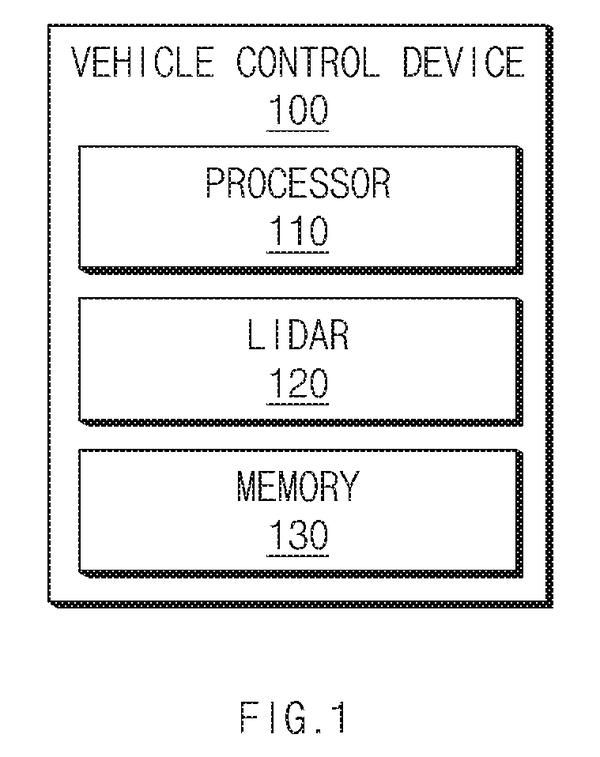
The claims cover an apparatus with three parts. A first image sensor (usually a camera) captures a picture of the area outside the car through a window. A second image sensor captures the same area without any window in between. An evaluation device runs an algorithm that compares the two pictures and decides whether the window is less transparent than a reference value. That reference can be a factory-new pane, or a measurement taken in the same car when the glass was known to be clear.
In the filing's example, the first camera sits on the headliner (the fabric ceiling) and looks out the rear window. The second sits on the rear bumper and may already exist for parking assistance. The description says the sensors could also be radar or lidar.
The dependent claims add practical details. Both pictures are taken at about the same moment, so changing light can't skew the result. If a light sensor says it's dark, the car's lights switch on first. The description also notes that a headlight beam looks blurry and low-contrast through fogged glass but sharp in the outside camera's view.
The claims then list what the car can do about it:
- Turn on a heating device, such as the wire built into a rear window.
- Run the wipers and cleaning fluid.
- Send air into the cabin.
- Lower a side window.
The check repeats over time, and the clearing mode shuts off once the two views match, which saves energy.
Why BMW could skip humidity sensors for fog
For you, the practical payoff is a car that deals with a fogged or frosted window without you hunting for the defrost button. A driver who can't see out is a safety problem, and the filing frames it that way. For BMW, the appeal is cost: it reuses interior and parking cameras the car may already carry instead of adding humidity or mist sensors.
The examiner's first review rejected the claims as filed, which is routine at this stage and usually followed by amendments. Treat this as an early look at how BMW thinks about the problem, not a sign of a feature heading to showrooms.
Source: US 2026/0370952 A1 at the USPTO (PDF). Full patent text and figures are in the official publication.
Get our take in your Top Stories
Liked this breakdown? Add Patentlyze as a preferred source on Google, and our plain-English take shows up more often in your Top Stories the next time BMW patent news breaks.
Add Patentlyze on Google
One click.
There are more where this came from
We read the new patents from Big Tech, carmakers and more and send you the ones worth knowing. Plain English, free, every week.
The drawings · 2 sheets
2 drawing sheets from US 2026/0370952 A1 · click any drawing to enlarge


More from BMW
All 6 BMW patents →
More in Automotive
All 432 Automotive patents →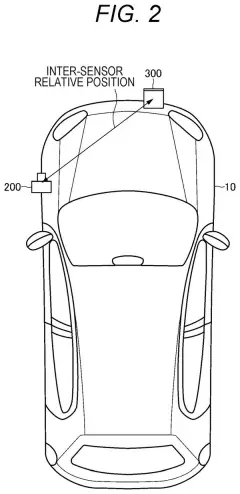
Sony
Sony Files Patent for Cars That Realign Their Own Cameras and Laser Sensors
Nvidia
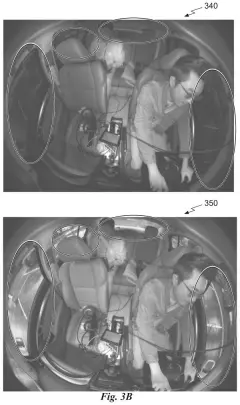
Nvidia Files Patent for Sharper Night Vision From Low-Cost Car Cameras
Nvidia
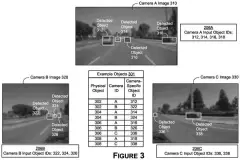
Nvidia Files Patent for Counting Each Object Once When Several Car Cameras See It
Mobileye (Intel)
No comments yet