
Samsung Patents a Glass Display Cover That Bends Without Shattering
Glass and folding don't naturally get along — but Samsung may have found a way to make them work together by literally carving stress relief into the edges of the glass itself.
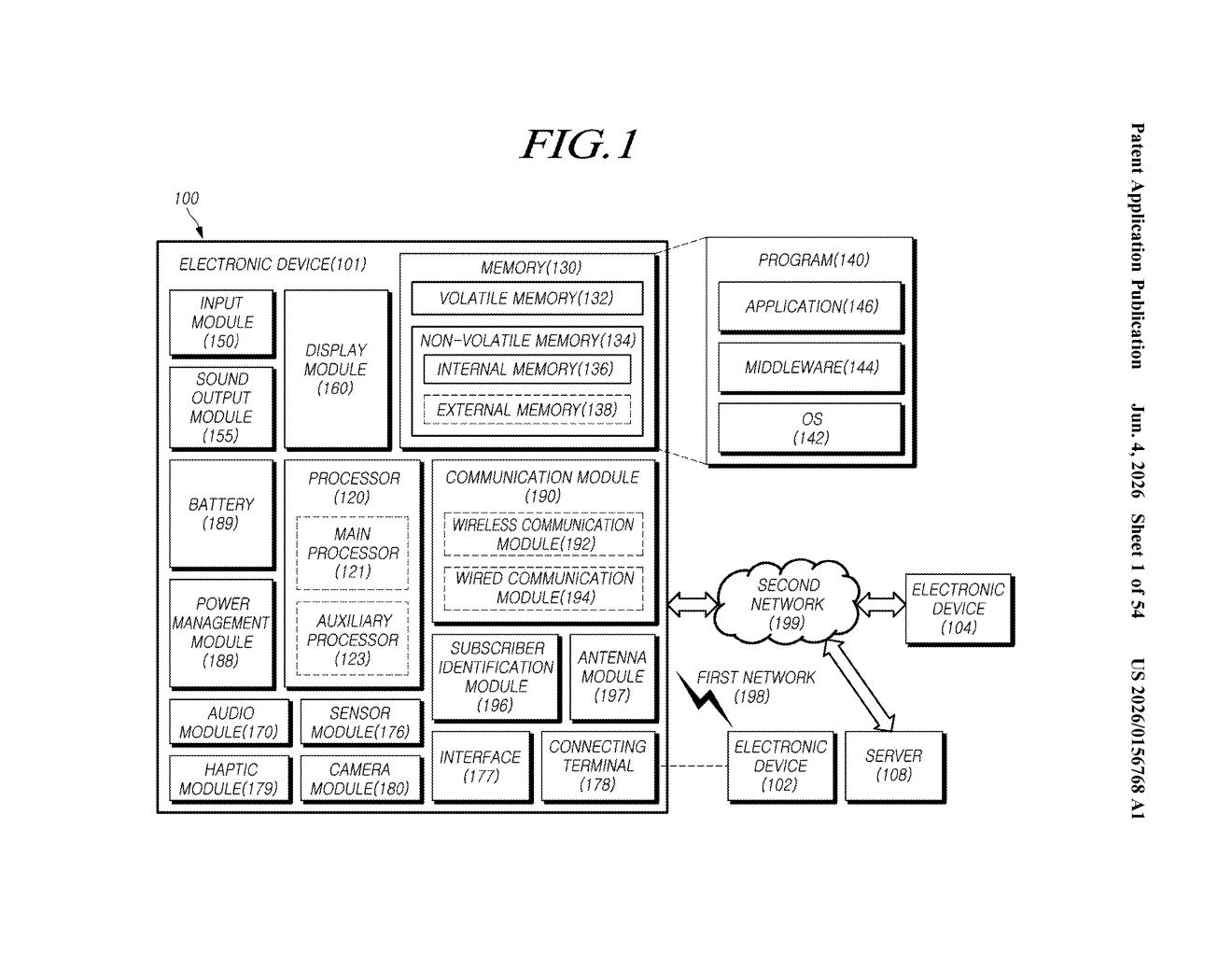
What Samsung's bendable glass cover actually does
Imagine trying to fold a glass plate in half. It snaps. That's the core problem every foldable phone maker faces: glass is rigid, and bending it creates stress that leads to cracks. Most foldable phones today use a thin plastic film instead of real glass on the folding surface, which is why they can feel soft or scratch easily.
Samsung's patent describes a glass cover layer that has small recesses — think of them like tiny carved notches — along the side edges of the glass. These cutouts change how stress is distributed when the glass bends, giving the material a little room to flex without fracturing.
The glass sits on top of a flexible display panel inside a foldable or slidable device — exactly the kind of hardware Samsung already makes with its Galaxy Z Fold and Z Flip lines. The goal is to get you the scratch resistance and premium feel of real glass on a display that still folds reliably.
How the recessed edges let the glass fold
The patent describes a foldable or slidable electronic device with two housings that move relative to each other. Spanning both halves is a flexible display made up of two key layers: a bendable display panel underneath, and a glass member on top that's also designed to deform.
The novel part is the glass member's edge treatment. On at least one side surface of the glass, Samsung engineers have added a plurality of recesses — multiple cutouts or indentations carved inward from the exterior edge. These aren't decorative; they're structural. By removing material at the edges, the glass can flex more easily at the fold zone because the stress concentration points are redistributed or reduced.
This is a well-understood principle in mechanical engineering — similar to why expansion joints are cut into concrete sidewalks, or why perforations in paper make it easy to tear along a straight line. Removing material in a controlled way actually controls where and how a rigid material bends or yields.
The patent covers the combination of:
- A two-housing form factor (foldable or slidable)
- A flexible display panel
- A glass overlay with patterned edge recesses designed to enable bending
What this means for foldable phone durability
Foldable phone buyers consistently cite display durability as a top concern — and plastic cover films, however thin, visibly scratch and dent in ways that glass doesn't. If Samsung can ship a real glass surface on a folding display without the crack risk, it removes one of the biggest objections to the category.
For Samsung's Galaxy Z series, this could mean a meaningful upgrade in day-to-day feel and scratch resistance. It also puts pressure on competitors like Google (Pixel Fold) and emerging Chinese foldable makers who are working on the same problem. The recess geometry approach is relatively elegant — it doesn't require exotic new glass compositions, just precise manufacturing of existing materials.
This is quiet but genuinely important work. The foldable category won't go mainstream until the displays feel as durable as a regular phone screen, and glass cover layers are a prerequisite for that. Samsung solving bendable glass at the structural level — through geometry rather than exotic materials — is a practical engineering approach that's more likely to actually ship than moonshot glass chemistry.
There are more where this came from
We read every patent application Big Tech publishes and send you the ones worth knowing. Plain English, free, every week.
Want this weekly breakdown for a company we don't cover? Patentlyze Pro →