
Samsung's New Patent Rethinks What's Inside a Foldable Screen to Help It Last Longer
Samsung Display is patenting a way to slot a specially chosen material directly into the cushion layer beneath a display panel — a small structural tweak that could quietly change how foldable screens survive repeated bending.
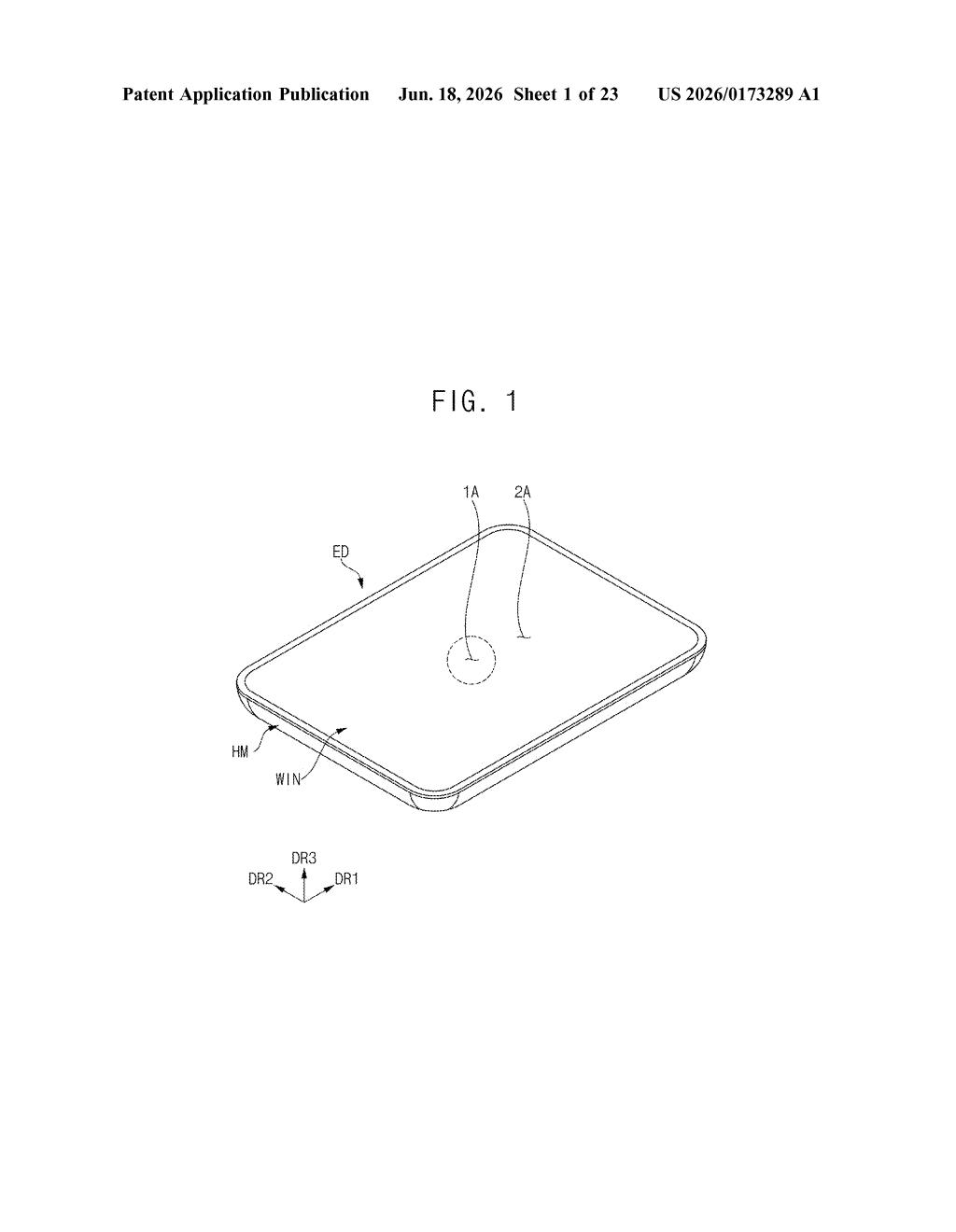
What Samsung's screen panel insert actually does
Imagine the inside of a foldable phone screen as a sandwich: a hard shielding plate on the bottom, a soft foam-like cushion in the middle, and sticky adhesive layers holding everything together. The whole stack flexes every time you open or close the phone, and over thousands of folds, the stress can cause creases or damage.
Samsung's patent describes cutting a narrow slot — called a trench — through the adhesive and cushion layers in a specific zone of that sandwich, then filling it with a different material (called an insert). That insert is made of something intentionally distinct from everything around it, which lets engineers tune the stiffness, flexibility, or protective qualities of just that one area without redesigning the entire panel.
Think of it like replacing a section of a mattress with a firmer foam insert where you need extra support. The rest of the mattress stays the same, but that one zone behaves differently. Samsung could use this to reinforce the crease area of a fold, or protect the spot where a camera cutout sits.
How the trench-and-insert system is built
The patent describes a cover panel — the protective back-of-screen stack found in display devices — that includes a deliberate slot cut into its internal layers.
The structure, from bottom to top, is:
- Shielding layer — a flat base that blocks electromagnetic interference
- Lower adhesive layer — a thin sticky film bonded to the shielding layer
- Cushion layer — a soft, shock-absorbing material (similar to foam)
- Upper adhesive layer — another sticky film on top of the cushion
A trench is machined or cut through the upper adhesive and the cushion layer, stopping at — but not cutting through — the lower adhesive. The trench sits in a defined "first area" of the panel (likely the fold crease or a feature cutout zone), surrounded by an untouched "second area."
An insert made of a material different from all three surrounding layers is placed into that trench. Because the insert's material properties can be chosen independently, engineers can make that specific zone stiffer, more elastic, thinner, or more heat-resistant than the rest of the cushion stack — without changing anything else in the panel design.
What this means for future foldable displays
Foldable phones are still fighting the crease problem: the visible ridge that forms where the screen bends. One root cause is that the cushion layer deforms unevenly under repeated stress. A targeted insert with precisely chosen properties could reduce that uneven deformation without making the whole panel thicker or heavier — a real engineering tradeoff in thin foldables.
This is also a manufacturing-friendly approach. Instead of engineering an entirely new panel material, Samsung Display could swap just the insert to tune different product lines — a stiffer insert for a book-fold phone, a more elastic one for a rollable display. It's a modular fix to a problem that has nagged the foldable category since day one.
This is the kind of quiet structural patent that doesn't make headlines but ends up shipping in a product two years later. The trench-and-insert idea is specific enough to be genuinely useful — it gives Samsung's panel engineers a tuning knob they don't currently have — and it maps directly onto the crease and durability complaints that still follow every foldable review.
There are more where this came from
We read every patent application Big Tech publishes and send you the ones worth knowing. Plain English, free, every week.
Want this weekly breakdown for a company we don't cover? Patentlyze Pro →