
Intel Patents a Cache Controller That Stops Processors From Fetching Data They'll Never Use
Every time a processor loads data it never ends up using, it wastes time and cache space that something more useful could have had. Intel's new patent describes a circuit that catches this waste before it causes a problem.
How Intel stops its chips from doing pointless memory work
You're running a big application and your computer's processor is constantly pulling chunks of data into its fast working memory (called a cache) so it can act on them quickly. The problem is, some of those data chunks were never going to be used in the next few moments. Loading them anyway bumps out data that actually was needed, forcing the chip to go fetch that data all over again.
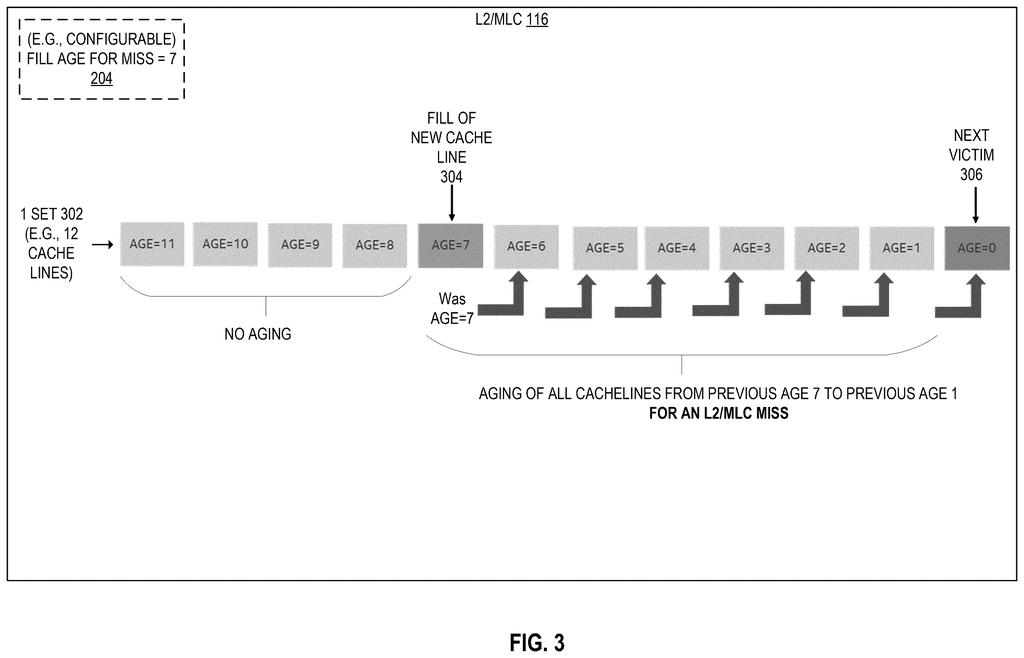
Intel's patent describes a cache controller circuit that treats different types of memory requests differently. If a request looks like a scan (just skimming through data in sequence) or a speculative pre-load that probably won't pay off, the circuit stamps that newly loaded data with a low-priority age label. That label tells the cache: this is the first candidate to throw out when space runs short.
The idea is to stop low-value data from pushing out high-value data. Cache eviction policy sounds like plumbing, but its effects show up in how snappy your applications feel, how fast a server handles requests, and how much power a chip burns doing unnecessary memory trips.
… set an age for the cache line in the cache to an age less than a most recently used (MRU) age in response to the memory access request being a first type of request of a plurality of types of requests.
Translation: It assigns a lower priority age to certain incoming data so it gets replaced faster if needed.
How the age-stamp system decides what data to keep or drop
A processor's cache is a small, very fast pool of memory sitting close to the chip's computing cores. Because it is small, the processor constantly has to decide which data to keep and which to throw out when new data arrives. Most caches use a rule called LRU (Least Recently Used), which evicts the data that was last touched the longest time ago.
The trouble is that LRU treats all incoming data equally. A sequential scan through a large dataset (think: reading every row of a giant table) floods the cache with data that will only ever be read once. The same problem hits prefetches, where the chip speculatively loads data it guesses it will need. When the guess is wrong, that data just sits there burning cache space.
Intel's patent adds a layer of intent-awareness to this process:
- The cache controller checks what type of request triggered the cache miss (the moment the processor asked for data that wasn't already in cache).
- If the request is classified as a scan or a likely-useless prefetch (the patent calls these the "first type of request"), the controller loads the data but immediately marks it with an age younger than the most recently used threshold.
- That low age puts the data near the top of the eviction queue, so it gets overwritten first when something more valuable shows up.
The result is a hardware circuit that enforces smarter eviction without software having to manage it.
A scan and useless prefetch resistant cache controller circuit for a hardware processor is described.
Translation: The patent introduces a smart controller designed to ignore data that the processor will not actually use.
What this means for processor efficiency in real workloads
Cache efficiency is one of the quieter battles in chip design. A processor that constantly has to retrieve data from main memory (which is slower by a factor of dozens) runs noticeably slower and burns more power doing it. Servers running databases or analytics workloads are especially prone to this because those jobs do exactly the kind of sequential scanning this patent targets.
For everyday users, a well-tuned cache policy shows up in application responsiveness and in how long a laptop battery lasts. Intel's track record in cache architecture patents suggests this is part of a longer push to make its cores do more with less memory bandwidth. Whether this specific circuit makes it into a shipping product depends on how much die area and design complexity it adds, and the patent gives no answer to that.
Intel's 42nd filing we've tracked since May in the AI chip wars space follows one on faster multiplication and one on handling variable data sizes.
Getting this idea into a real product means baking it directly into the physical design of a chip, which rules out any shortcut through a software update. The circuit has to be planned and built from the very beginning of a new chip's development.
What it actually does is train a processor to treat certain memory requests as low-priority, so they do not crowd out the data a program is actively working with. That matters most in situations like database searches or video processing, where a chip would otherwise waste its limited fast storage on information it will never touch again.
A new chip design cycle typically runs several years from concept to store shelves, so if this ever ships, users will not see it listed on a box anywhere. Their computers would simply handle heavy workloads more smoothly, without any action on their part.
There are more where this came from
We read every patent application Big Tech publishes and send you the ones worth knowing. Plain English, free, every week.
The drawings
37 drawing sheets from US 2026/0300186 A1 · click any drawing to enlarge


Want this weekly breakdown for a company we don't cover? Patentlyze Pro →
Be the first to weigh in