
Microsoft Wins a Patent for Training AI on Your Gaming PC's Idle Time
Microsoft has won a patent on a way to train AI models using the spare graphics power of other people's phones and gaming PCs, but only when those machines are sitting idle.
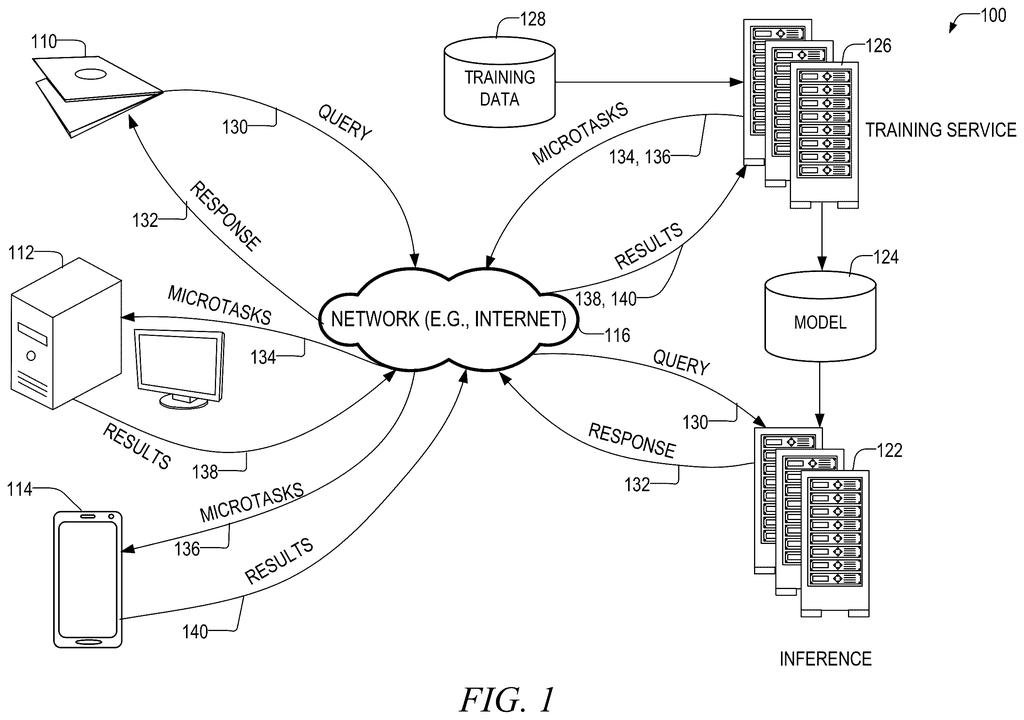
What Microsoft's idle-GPU training does
Every time you walk away from your gaming PC, its expensive graphics chip drops to doing almost nothing. Meanwhile, AI companies are fighting over those same chips, which are costly and in short supply.
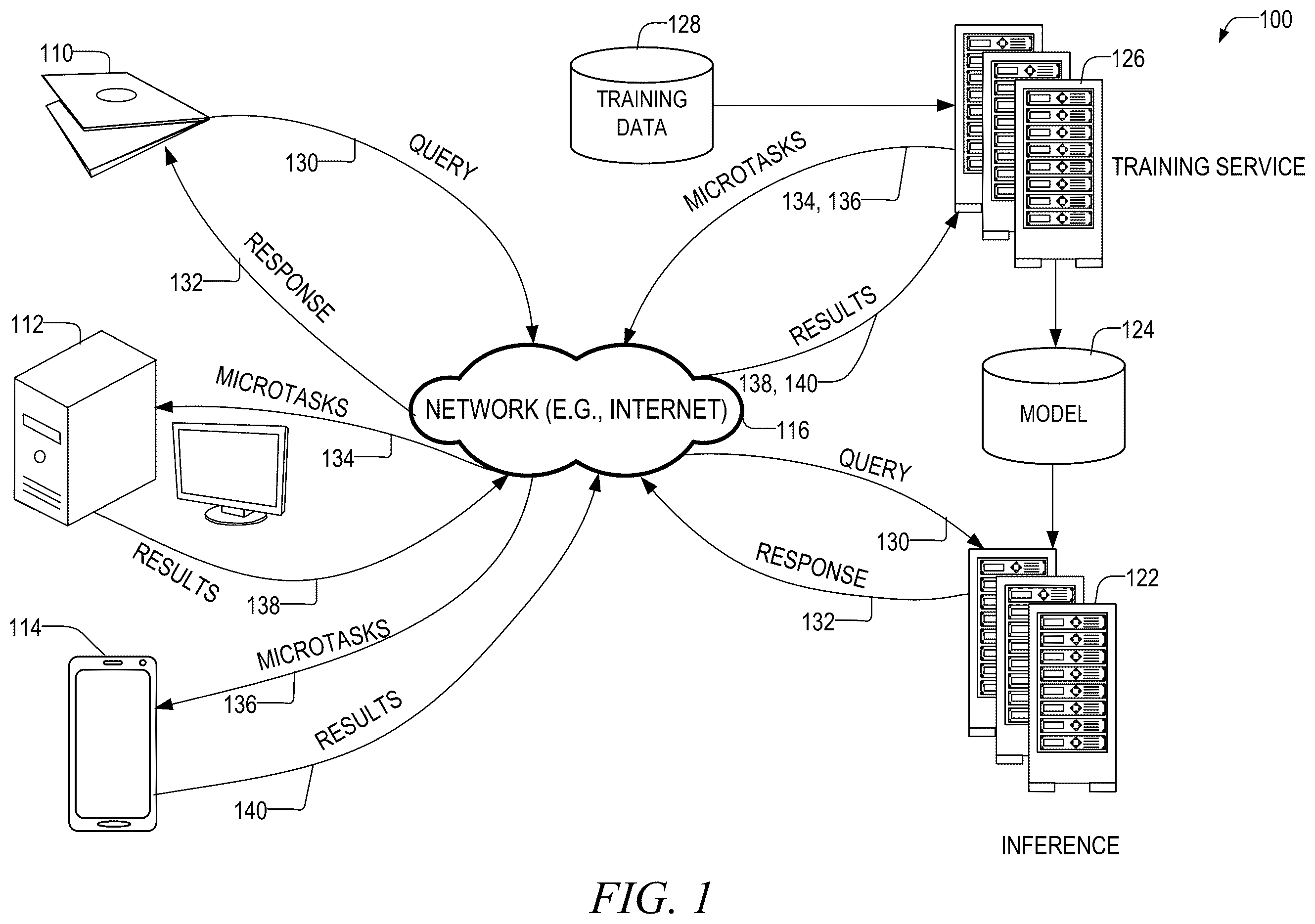
Microsoft has now been granted a patent on a way to connect the two. Instead of training an AI model in one giant data center, the system chops the job into small pieces and sends them to phones, laptops and gaming PCs that have spare capacity. Owners would sign up first, and the filing says they could earn credits, free software or money.
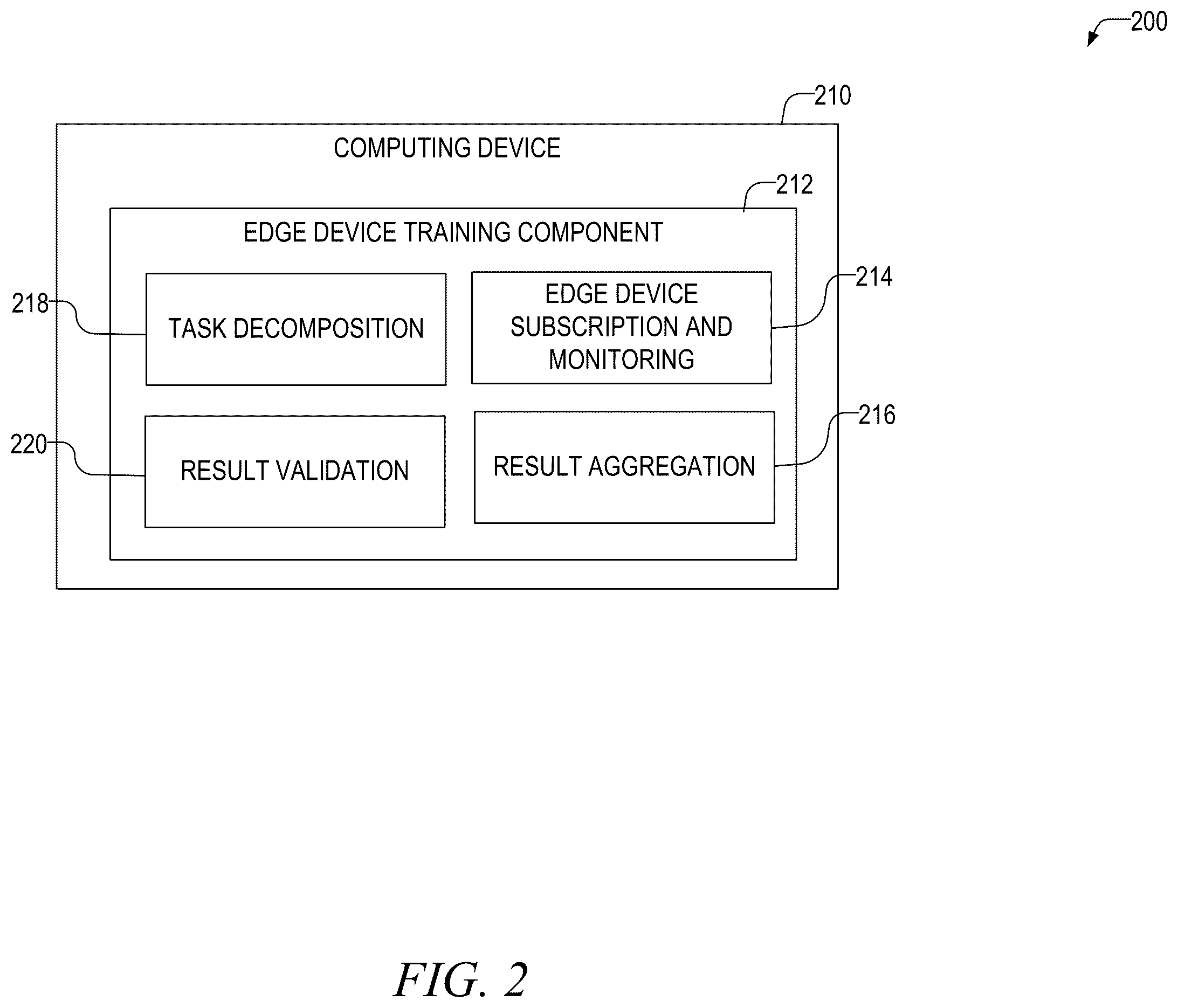
The catch is trust. Strangers' devices might be slow, flaky or even dishonest, so the system checks results against other devices and gives more weight to machines with a good track record. It also watches heat and backs off when your device is busy.
The system monitors edge devices to detect available compute capacity and decomposes training tasks into independently trainable micro-tasks by analyzing model dependencies and identifying optimal split points based on communication cost, memory overhead, and data locality.
Translation: It watches player PCs for downtime and breaks giant AI workloads into tiny pieces that fit easily into spare hardware capacity.
How the system splits and checks the work
The patent describes a training service that first maps out an AI model. It builds a dependency graph (a diagram of which calculations must finish before others can start), then looks for split points where the work can be cut into independent chunks called micro-tasks.
Each possible split gets a cost score based on three things: how much data would have to travel between devices, how much extra memory the temporary results need, and how often a device would have to fetch data it doesn't store. The lowest scores win.
To decide where to send each piece, the service tracks:
- GPU use and memory, plus how often it samples these stats (less often when the device is busy or hot)
- Temperature and power draw
- A forecast of when the device will be free, blending a neural network guess, a Bayesian forecast (a probability-based estimate) and a long-term trend
Tasks are sized to fit each device, smaller for machines that come and go unpredictably. Returned results are weighted by how well they match other devices' answers, how old they are, and the device's record of passing checks.
Why idle gaming PCs could ease the GPU crunch
Training big AI models takes huge numbers of graphics chips, and the filing itself says demand has caused shortages. A scheme like this would let a company lean on hardware people already own. The filing describes owners signing up, then earning credits they could swap for free software, access to the model, or money. It also describes protections for you, such as capping the memory used and pausing work when a device gets hot.
Whether Microsoft ever builds such a network is unknown, since the patent only describes the design. It is already a granted patent, and the final granted claims may read a little differently from the published application described here. Either way, it lays out one way to ease the shortage of graphics chips.
Microsoft's 25th filing we've tracked since July in the AI chip wars watchlist, following one on routing requests by green energy and one on rounding AI numbers, adds another piece to the picture.
If you play games on a good PC, the pitch here is simple: your idle graphics card earns you something. The filing mentions credits for free software, access to the finished AI model, or money. You would notice the system only if it misjudged, with a fan spinning up or a game stuttering, and the filing puts a lot of effort into preventing that with temperature limits and memory caps.
The hard part is trust. Training an AI on thousands of strangers' machines means some will be slow, broken or cheating, and the patent's answer is to cross-check results and score each device on its history. The filing gives formulas but no results from a real network of devices, so the benefit to you remains a possibility.
Our verdict: a clever way to turn wasted computing time into useful work, and a fair deal if you would happily rent out your PC overnight. Whether enough people would opt in is the open question.
Get our take in your Top Stories
Liked this breakdown? Add Patentlyze as a preferred source on Google, and our plain-English take shows up more often in your Top Stories the next time Microsoft patent news breaks.
There are more where this came from
We read every patent application Big Tech publishes and send you the ones worth knowing. Plain English, free, every week.
The drawings
4 drawing sheets from US 2026/0349820 A1 · click any drawing to enlarge


Want this weekly breakdown for a company we don't cover? Patentlyze Pro →
Be the first to weigh in