
Qualcomm
Qualcomm · Networking · Filed Mar 20, 2025 · USPTO published Nov 12, 2026 · This week's release
Qualcomm Files Patent for Phones That Change How They Locate You by Area
Qualcomm's patent application describes a phone that changes how it works out your location depending on which area of the network you are in. AI models are one of the options.
- Publication number
- US 2026/0362370 A1(US20260362370A1)
- Applicant
- QUALCOMM Incorporated
- Filed · Published
- Mar 20, 2025 · Nov 12, 2026
- Inventors
- Alexandros MANOLAKOS, Mukesh KUMAR, Srinivas YERRAMALLI
- Status when we published
- Examiner raised objections; the company can respond
- Document
- 20 claims
- US classification
- 455/456.1
- Examiner
- WYCHE, MYRON (Art Unit 2644)
- Parent application
- National Stage Entry of PCT/US2023/037241 (filed Nov 14, 2023)(PCTUS2023037241)
What Qualcomm's area-by-area location plan does
You walk out of a mall, cross a parking lot, and head down a busy street while your phone keeps track of where you are. The trouble is that no single way of finding you works well everywhere. Satellite signals are great in the open and weak indoors, and a method that works in one neighborhood can be off by a lot in the next.
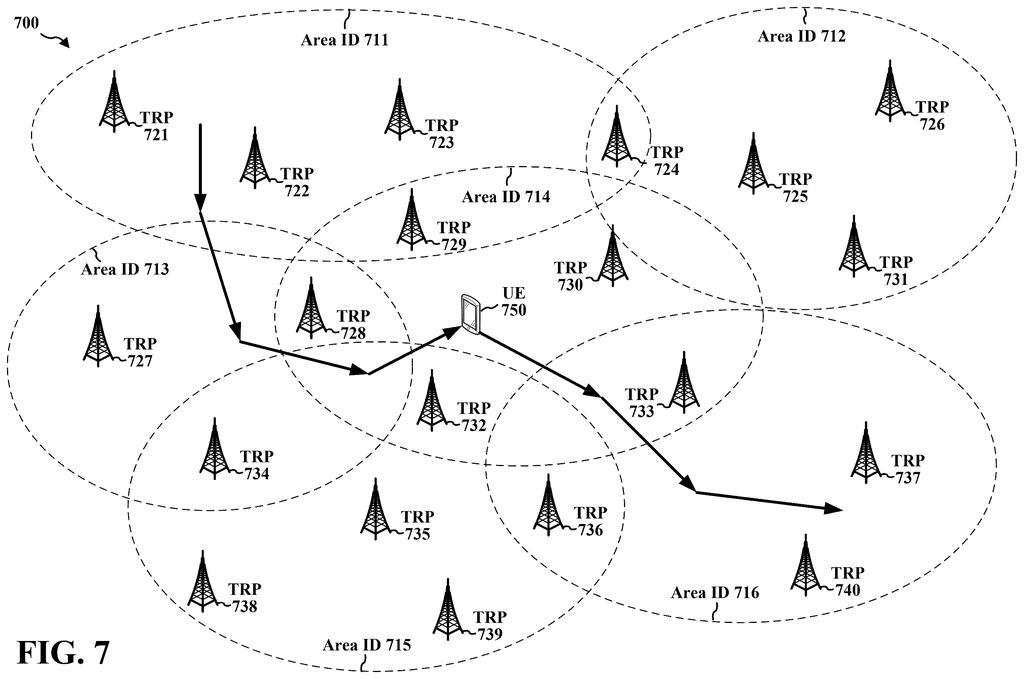
Qualcomm's patent application describes a way for the network to tell your phone, ahead of time, which location method to use in which area. Each area gets a label, and each label is paired with a method, which can be an AI model or an older, traditional technique. As you cross from one area into the next, your phone switches on its own.
Your phone then reports back what it found. The goal is better accuracy where it counts and less battery wasted where a simpler method will do.
obtain a request to perform a set of positioning methods for at least one area identifier (ID) in a set of area IDs associated with one or more areas …
Translation: Your phone receives instructions on which tracking methods to use depending on your general location.
How the network hands your phone a method per area
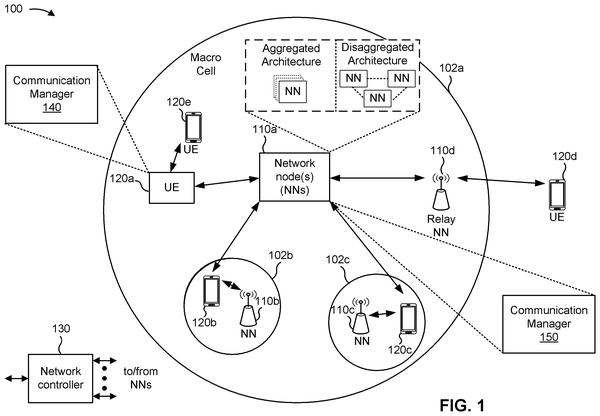
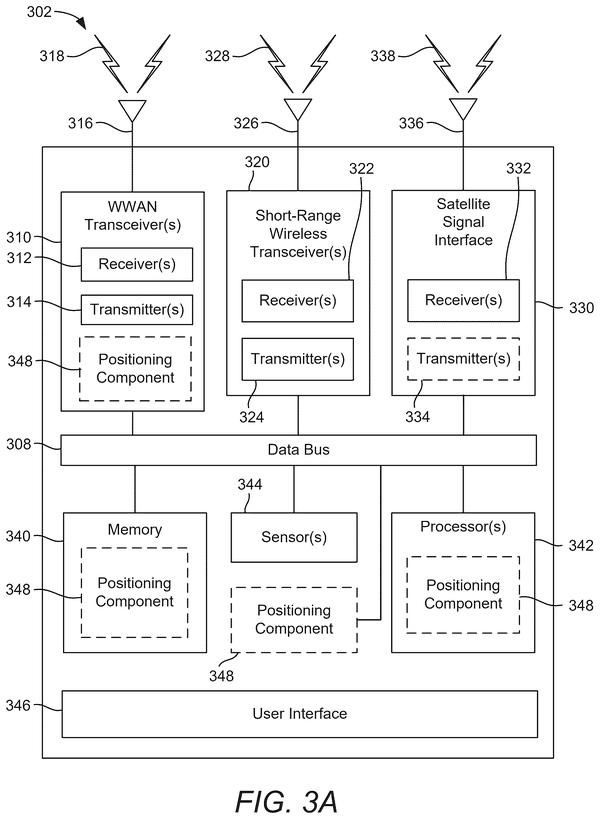
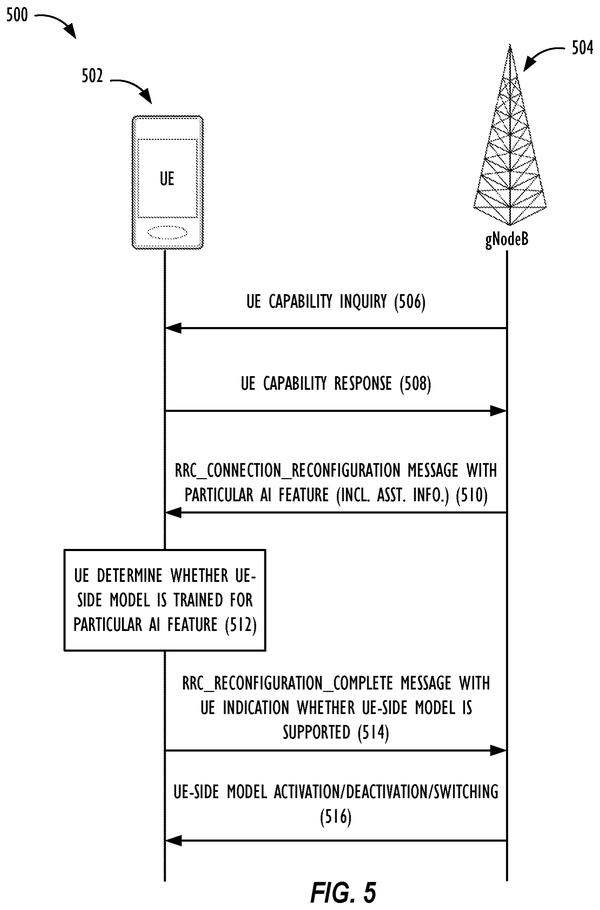
In cellular networks, the phone (the patent calls it a user equipment, or UE) can be located several ways, and a server called the location management function (LMF) usually does the math. This filing adds an area ID, a label tied to a list of cell towers or transmission points (the radio sites your phone talks to). Each label is paired with the location method that suits that area.
The network sends a request that carries this setup. When the phone is connected to a tower inside a labeled area, it runs the matching method and then reports to the network:
- At the end of the positioning session, or
- Each time the area label changes.
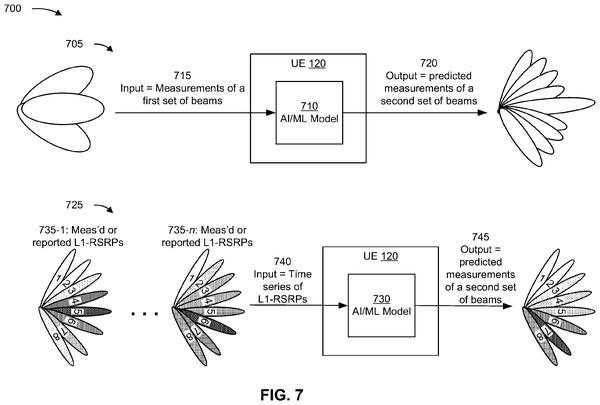
The methods can be AI-based or traditional. A direct AI model outputs a position estimate itself. An AI-assisted model outputs measurements, such as signal strength or whether there is a clear line of sight to the tower, for the network to use. Traditional options include signal timing methods, angle of departure (the direction a signal leaves a tower), satellite positioning and Bluetooth.
The phone can also tell the network how many AI models it can run at once (the description gives one, two or three as examples) and send a ranked list of methods it favors.
… perform at least one positioning method of the set of positioning methods based on the UE being within one area of the one or more areas associated with the set of area IDs …
Translation: The device runs the specific tracking techniques once it confirms you have entered a designated zone.
Why your battery and your map dot might care
Phone location feeds maps, emergency services and finding lost devices, and every method trades accuracy against battery. Matching the method to the area could let your phone use a power-hungry approach only where it pays off. The description also points to more AI models showing up on both the phone and network side, and this is a way to organize which one runs where. You would notice it, if at all, as small gains in battery life or accuracy.
The examiner's first review rejected the claims as filed. That is routine at this stage and usually followed by amendments, so nothing here is approved.
Qualcomm's 591st filing in our Qualcomm coverage since May adds to a pattern that includes a smarter upload predictor and gaze-based car alerts.
Source: US 2026/0362370 A1 at the USPTO (PDF). Full patent text and figures are in the official publication.
Get our take in your Top Stories
Liked this breakdown? Add Patentlyze as a preferred source on Google, and our plain-English take shows up more often in your Top Stories the next time Qualcomm patent news breaks.
Add Patentlyze on Google
One click.
There are more where this came from
We read every patent application Big Tech publishes and send you the ones worth knowing. Plain English, free, every week.
The drawings · 20 sheets
20 drawing sheets from US 2026/0362370 A1 · click any drawing to enlarge


Show the other 12 sheets


More from Qualcomm
All 624 Qualcomm patents →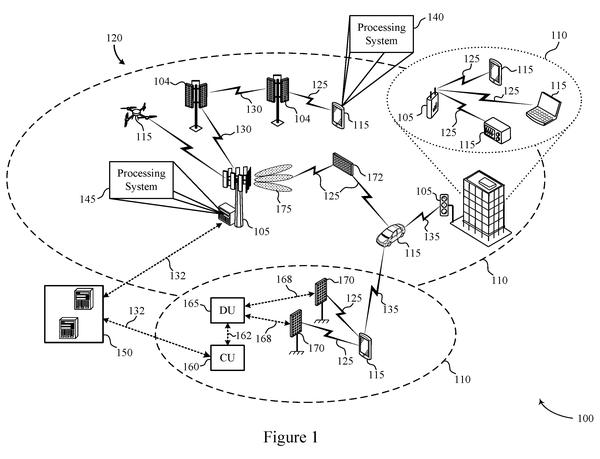
More in Networking
All 498 Networking patents →
Samsung
Samsung Patents a Conflict-Reduction Method for 5G and 6G Network Area Updates
Samsung
Samsung Files Patent for Cell Networks That Know Your Location in 3D
Apple
Apple Patents a Way for Phones to Locate Each Other Without a Cell Tower
Apple
No comments yet