
Qualcomm Patents a Color-Tuning System That Focuses Only on What You're Looking At
Most phones boost color across an entire photo, making the background pop just as much as the face you actually care about. Qualcomm's new patent describes a chip-level system that figures out what the viewer's eye would naturally land on, then enhances color only there.
How Qualcomm's eye-focus color fix actually works
A street photographer snaps a portrait in a crowded market. Her phone's camera chip has to decide how to make that image look vivid and sharp, but the whole scene, background stalls and all, gets the same color treatment. The result can look overcooked, with every pixel fighting for attention.
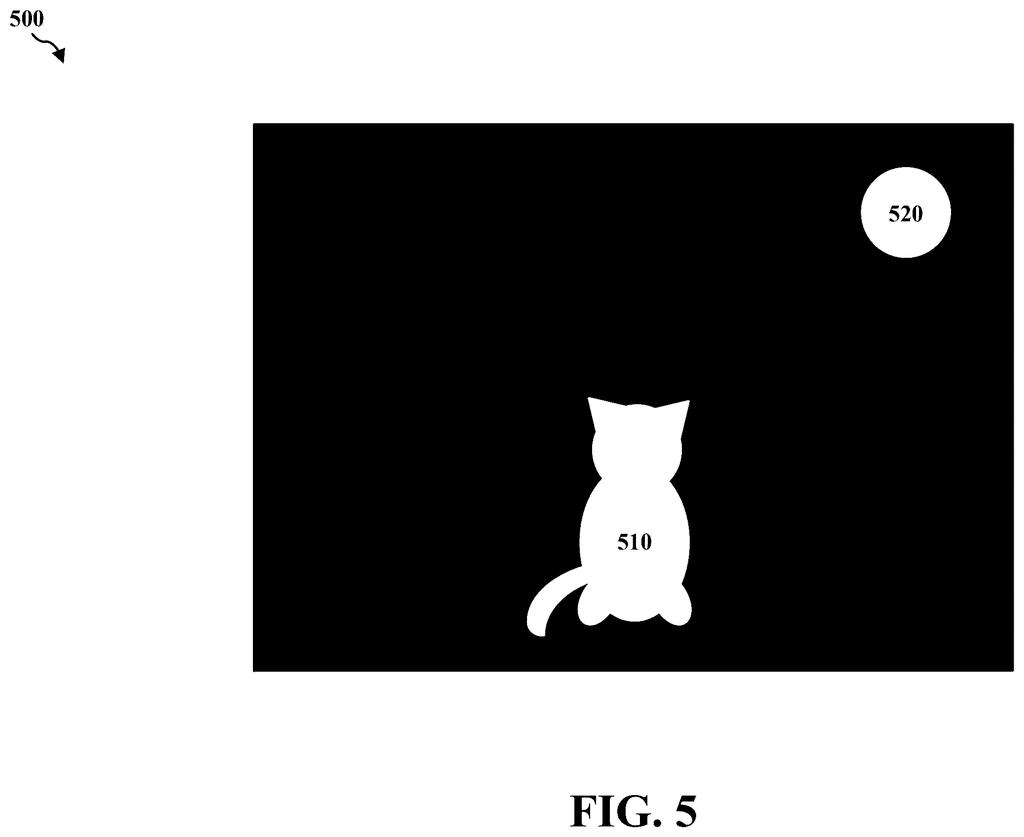
Qualcomm's patent describes a different approach. The chip first shrinks the image down to a smaller copy and scans it to find the salient objects, the things a human viewer would actually focus on, like a face, a product, or a pet. It builds a map of those areas, adjusts color only there, then applies those targeted adjustments back to the full-size original photo.
The practical idea is that your phone or camera could produce more natural-looking images without the processing chip having to crunch through every pixel at full resolution. By working on a smaller copy first, the system saves time and energy while still directing the visual punch where your eye was already going to go.
downsample an input image including a plurality of pixels, the downsampled input image corresponding to a downsampled image including a plurality of downsampled pixels …
Translation: It shrinks the picture first so the system can process it much faster.
Inside Qualcomm's saliency map and color pipeline
The patent describes a pipeline that runs inside a GPU or DPU (a dedicated display or image-processing chip, the kind found inside smartphones and camera systems).
The process works in a few stages:
- Downsample: The chip creates a smaller, lower-resolution copy of the incoming image. Working on a shrunken version means far fewer pixels to analyze, which is faster and uses less power.
- Salient object detection: The chip scans that smaller copy to identify salient objects, elements in the frame that a human viewer would naturally notice first (faces, animals, sharp foreground shapes). This is the core AI step.
- Saliency map: A saliency map is essentially a heat map that marks how visually important each region is. Areas the viewer would notice score high; background areas score low.
- Targeted color adjustment: Color values are changed only for the pixels inside the high-scoring salient regions of that smaller copy.
- Upscale and apply: Those adjusted values are then used to tune the original, full-resolution image, so the final output carries targeted color enhancement without every pixel needing individual attention.
The claim does not lock down any specific detection algorithm, so the approach is fairly method-agnostic. Any AI model that can produce a saliency map would qualify.
… detect at least one salient object in the downsampled image, the at least one salient object including one or more of the plurality of downsampled pixels …
Translation: The software finds the main subject that a user is likely focusing on.
What this means for phone and camera image chips
For consumers, the payoff would be photos and videos where the subject looks vivid and well-rendered without the background looking artificially saturated. The technique also keeps processing efficient: scanning a downsampled copy instead of a 50-megapixel original can meaningfully reduce the work a chip has to do per frame, which matters for battery life in phones and for thermal limits in thin devices.
Qualcomm supplies image signal processors and GPUs to a wide range of Android phone makers, so a technique like this, baked into Snapdragon silicon, could reach hundreds of millions of devices. This filing sits squarely in the stream of interesting tech patents covering how chip companies are pushing AI-driven image intelligence closer to the hardware layer, where it can operate at camera speed rather than as an afterthought in software.
This is the eighth Qualcomm filing we've tracked since July in our AI photo editing race watchlist, adding to earlier work on spot and smear removal and object cutout using text cues.
Claim 1 covers a four-step sequence: shrink the image, find the visually important objects in the smaller version, build a map of those objects, then use that map to adjust colors on the full-size original. The claim says nothing about how the important objects are found, what color system is used, or how the adjusted results get applied back to the full image, and that silence is deliberate.
That breadth means any camera or display chip using a reduced version of an image to guide color decisions on the full version would fall within this claim. That covers a wide swath of mobile photography, where saving processing time and battery life pushes engineers toward exactly these kinds of shortcuts.
Whether these four steps together qualify as a new, protectable unit is the core question, and if the answer is yes, this claim becomes a real barrier for anyone building color-enhancement features into phones, tablets, or cameras.
Get our take in your Top Stories
Liked this breakdown? Add Patentlyze as a preferred source on Google, and our plain-English take shows up more often in your Top Stories the next time Qualcomm patent news breaks.
There are more where this came from
We read every patent application Big Tech publishes and send you the ones worth knowing. Plain English, free, every week.
The drawings
10 drawing sheets from US 2026/0253270 A1 · click any drawing to enlarge


Want this weekly breakdown for a company we don't cover? Patentlyze Pro →
Be the first to weigh in