Qualcomm
Qualcomm · Chip · Filed Feb 25, 2025 · USPTO published Aug 27, 2026 · Aug 27 release
Qualcomm Patents Technology That Removes Unwanted Spots and Smears From Photos
Fixing a bad photo usually means accepting the damage done. Qualcomm's new patent describes a chip-level method that compares two shots of the same scene to find and remove visual glitches before you ever see them.
- Publication number
- US 2026/0253184 A1(US20260253184A1)
- Applicant
- QUALCOMM Incorporated
- Filed · Published
- Feb 25, 2025 · Aug 27, 2026
- Inventors
- Haripriya K, Sandeep RAMISETTY, Pradeep VEERAMALLA
- Status when we published
- Waiting for an examiner
- Document
- 20 claims
- US classification
- 382/100
- Examiner
- ALLEN, LUCIUS CAMERON GREE (Art Unit 2673)
How Qualcomm's blur-matching photo fix actually works
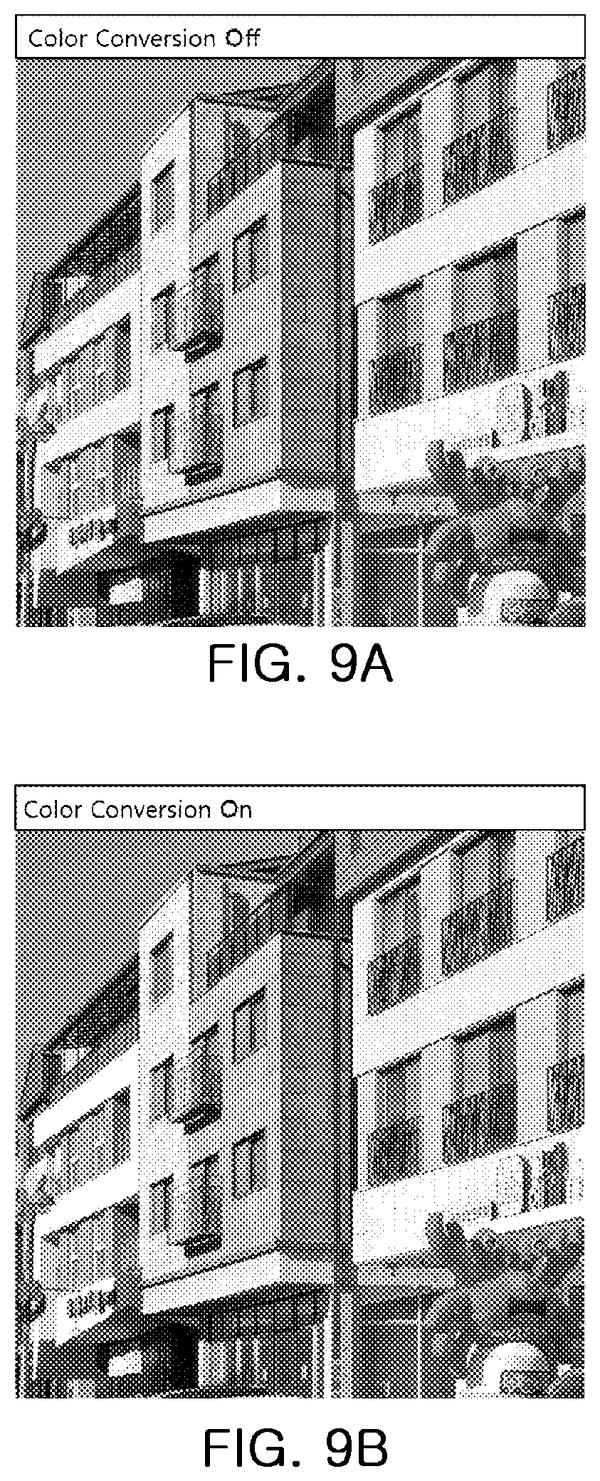
Your phone's camera takes multiple shots of the same scene in rapid succession, especially in low light or when computational photography kicks in. The problem is that those shots don't always look identical: one might be sharp while another is slightly blurry, and merging them can leave behind faint visual glitches called artifacts.
Qualcomm's approach is to close that gap before comparing the two images. Instead of trying to sharpen the blurry shot, the system takes the sharp image and deliberately blurs it to match the blurrier one. Now both images look similar in texture, so the processor can line them up properly and spot exactly what's different between them.
That map of differences gets applied back to the original sharp image as a set of corrections. The result is a cleaner final photo with fewer of those smeared or doubled edges that computational cameras sometimes produce.
… determine a difference map between the blurred first image and the second image; and generate a corrected first image based on the first image and the difference map.
Translation: The software identifies the specific spots or smears that differ between two photos to remove them from the final image.
How the difference map catches and corrects the artifacts
The patent describes a processor-level pipeline for correcting image artifacts that appear when two captures of the same scene have different amounts of blur. This commonly happens in multi-frame photography, where a device stacks or blends several exposures.
Here's the sequence the system follows:
- Capture a sharp first image and a blurry second image of the same scene.
- Artificially blur the sharp image so its blur level matches the second image (this is called synthetic blurring, and it ensures the two images have comparable textures before any comparison happens).
- Align the two now-similarly-blurred images so they're spatially registered (meaning pixels that represent the same real-world point are stacked on top of each other).
- Compute a difference map: a per-pixel record of how the two images diverge after alignment.
- Apply that difference map to the original sharp image to produce a corrected output.
The insight is that blurring the sharp reference before comparison prevents the alignment step from being fooled by fine details that exist in one frame but not the other. Misalignment caused by texture mismatches is a common source of artifacts in multi-frame pipelines, so neutralizing that mismatch early makes the difference map more reliable.
The patent covers the full apparatus: memory, processor, and the software logic running on it, which suggests Qualcomm intends this to be a hardware-level feature baked into image signal processors (the dedicated chips inside phones that handle camera computation).
A second blur level of the blurred first image is configured to match the first blur level. The process can include aligning the blurred first image and the second image, determining a difference map between the blurred first image and the second image …
Translation: The system artificially blurs one photo to perfectly match the blurriness of another so they can be compared side by side.
What this means for photo quality in Qualcomm-powered phones
For anyone using a mid-range or flagship Android phone running a Qualcomm chip, camera quality is almost entirely determined by what the image signal processor does between the shutter click and the photo appearing in your gallery. A method like this, if it reaches shipping silicon, would reduce a category of artifact that computational photography has struggled with since multi-frame capture became standard.
Qualcomm supplies camera processors to a wide range of handset makers, so a fix at this level propagates broadly without requiring each manufacturer to build their own solution. Camera image processing is one of the more active areas in this week's Big Tech patents, and Qualcomm's approach here adds to a growing body of filings aimed at cleaning up the side effects of the multi-frame photography that has become the default mode for modern phone cameras.
This is the seventh Qualcomm filing we've tracked since July in our AI photo editing watchlist, following one on removing objects via text and one on variable photo resolution.
Source: US 2026/0253184 A1 at the USPTO (PDF). Full patent text and figures are in the official publication.
Get our take in your Top Stories
Liked this breakdown? Add Patentlyze as a preferred source on Google, and our plain-English take shows up more often in your Top Stories the next time Qualcomm patent news breaks.
Add Patentlyze on Google
One click.
There are more where this came from
We read the new patents from Big Tech, carmakers and more and send you the ones worth knowing. Plain English, free, every week.
The drawings · 19 sheets
19 drawing sheets from US 2026/0253184 A1 · click any drawing to enlarge


Show the other 11 sheets


More from Qualcomm
All 637 Qualcomm patents →
More in Chip
All 651 Chip patents →
Nvidia
Nvidia Patents Adaptive Voxel Radiance Field Rendering for Real-Time 3D Scenes
Apple
Apple Patents a Two-Sender System That Confirms Wireless Audio Delivery
Intel
Intel Patents a GPU Shortcut That Skips Redundant 3D Geometry Work
Intel