
Samsung Patents a Magnetic Shield That Keeps Quantum Processor Signals on Track
Quantum computers are extraordinarily sensitive to stray magnetic interference, and Samsung just filed a patent for a shielding system designed to keep those magnetic fields precisely where they belong.
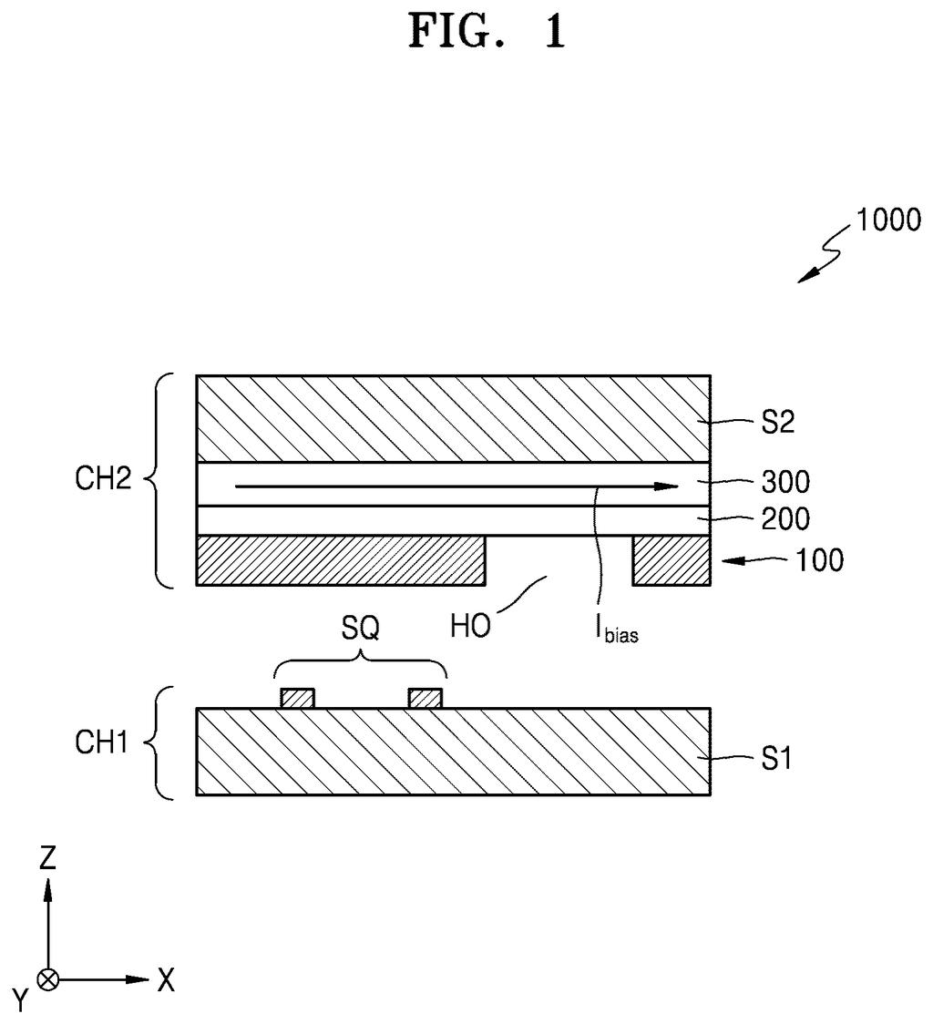
What Samsung's quantum chip shielding system actually does
A quantum computer sits inside a refrigerator colder than deep space, trying to hold its fragile calculations together. The tiniest unwanted magnetic field can knock the whole thing off course. That's the central engineering headache this patent is trying to solve.
Samsung's design layers a superconducting shield around part of the chip's magnetic field generator. A superconducting material, when cold enough, expels magnetic fields almost entirely. By cutting a precise opening in that shield, Samsung's engineers can let exactly the right amount of magnetic field reach the quantum components, while blocking the rest from wandering where it shouldn't.
The payoff is tighter control over the operating frequency of the quantum bits at the heart of the chip. Frequency drift is one of the main reasons quantum processors make errors, so any tool that pins frequencies more reliably is a genuine step toward more accurate results.
… a magnetic field generator configured to form a magnetic field, the magnetic field controlling what frequency the Josephson junction device operates with …
Translation: A magnetic field generator sets the operational frequency of the core quantum switch.
How the superconducting shield controls the magnetic field
The patent describes a chip-level assembly built around a SQUID (Superconducting Quantum Interferometric Device), which is the component that forms the quantum bits in many modern quantum processors.
A magnetic field generator sits nearby and produces a controlled magnetic field. That field tunes the frequency at which the Josephson junction devices inside the SQUID operate. Josephson junctions are tiny barriers between two superconducting layers; the quantum behavior across that barrier is what makes the qubit work, and its operating frequency is highly sensitive to the local magnetic environment.
The key addition is a superconducting shield with an opening cut into it. Superconductors in their operating state push out magnetic flux (the Meissner effect), so placing one around part of the field generator restricts where the field can go. The opening acts as a controlled aperture, allowing a defined portion of the field to pass through to the SQUID while the rest is blocked.
- Substrate provides the physical base for all components
- SQUID with Josephson junctions forms the quantum processing element
- Magnetic field generator tunes qubit operating frequencies
- Superconducting shield with opening shapes and confines that field
… a superconducting shield structure configured to shield part of a magnetic field formed by the magnetic field generator, and including a superconducting material and an opening …
Translation: A special shield with a hole blocks stray magnetic fields to protect the quantum processor.
What this means for building reliable quantum hardware
Quantum computers today struggle with error rates, and one significant cause is that qubits drift away from their intended operating frequencies when the magnetic environment around them shifts even slightly. A shield that pins the field more precisely could translate directly into fewer errors per calculation, which is the metric that determines when quantum hardware becomes actually useful for real problems.
For you as an end user of any future quantum cloud service, this kind of component-level work is what determines whether results are trustworthy enough to act on. Samsung has been filing around quantum hardware since at least 2024, and this patent shows the company working at the component integration level rather than purely on circuit architecture, which suggests a focus on manufacturability alongside raw performance.
Samsung's 173rd filing in the chip patents we cover since May follows one on blocking antenna interference and one on faster appliance Wi-Fi setup.
Magnetic interference is why quantum computers give you different answers to the same question on different days. Samsung's design uses a shielding layer with a shaped gap to keep the magnetic field precisely where it needs to be, preventing stray fields from scrambling the junctions that do the actual computing.
For someone running a calculation, the benefit shows up as results you can trust twice in a row. That consistency is what separates a research curiosity from a tool you can actually depend on.
There are more where this came from
We read every patent application Big Tech publishes and send you the ones worth knowing. Plain English, free, every week.
The drawings
20 drawing sheets from US 2026/0289368 A1 · click any drawing to enlarge


Want this weekly breakdown for a company we don't cover? Patentlyze Pro →
Be the first to weigh in