Latest cybersecurity patents, Page 18
Fraud detection, encryption, sign-in and privacy controls from Microsoft, Google, IBM, Apple and others. The cybersecurity and privacy patent applications we have broken down from the companies we track, newest first.
- in the Nov 12 release
- 8
- in November so far
- 27
- filings tracked
- 341
- last 90 days
- 143
Recent filings
Newest first · 341 total-
Microsoft · Published Jul 2
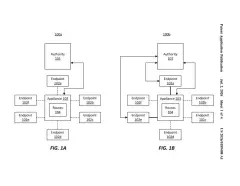
Microsoft Patents a Network That Opens Routes Only for Verified Devices
Most corporate networks let you in at the door and then trust you to roam freely. Microsoft's new patent describes a system that checks who you are before every single connection, and then tears that connection down the moment it's no longer needed.
-
Microsoft · Published Jul 2
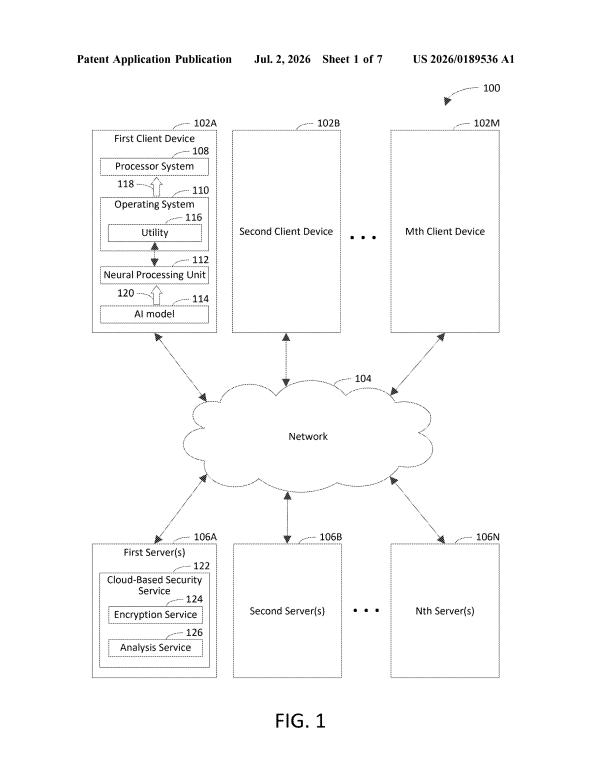
Microsoft Patent Reveals Local AI Secretly Sends Your Prompts to Cloud for Screening
Microsoft wants your PC's AI chip to run models locally, but send every prompt to a cloud security service before you see the answer. The kicker: the whole exchange is encrypted so the operating system itself can't read it.
-
Meta · Published Jul 2
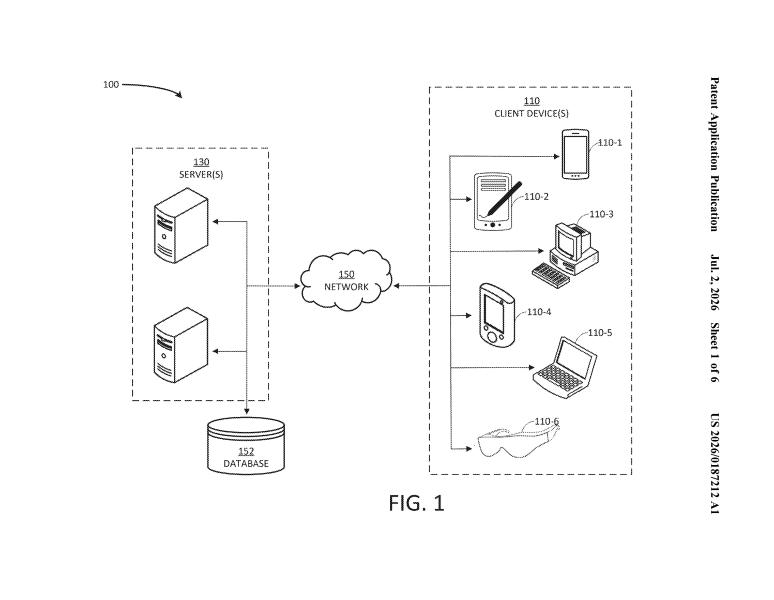
Meta Patents a System to Catch Avatar Impersonators in Virtual Worlds
Imagine someone creates a virtual avatar that looks exactly like yours, then uses it to access your digital wallet or private spaces. Meta is working on a system to catch that before it happens.
-
Nvidia · Published Jul 2
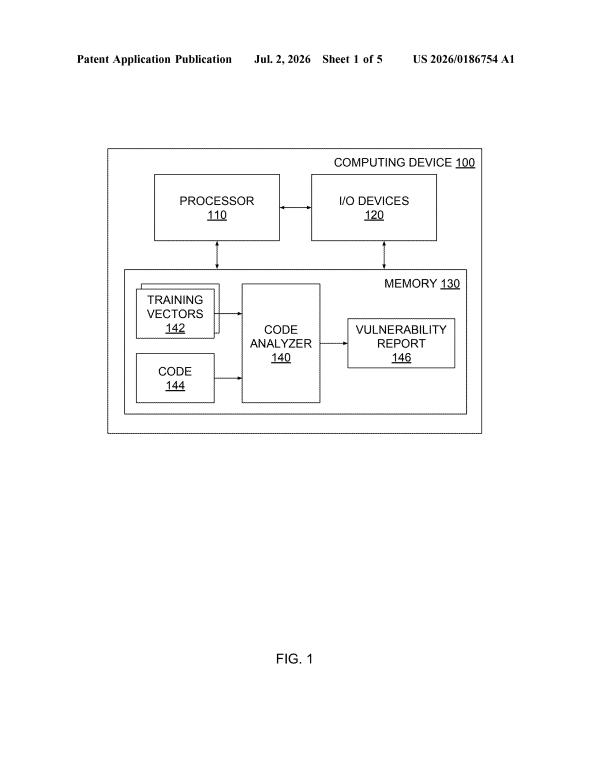
Nvidia Patents AI Method to Detect Code Vulnerabilities Before Hackers Can Strike
Nvidia is patenting an AI-powered code scanner that doesn't just flag suspicious code, it also runs a simulated attack to confirm the flaw is real, then uses what it learned to get sharper at spotting the next one.
-
IBM · Published Jul 2
IBM Patents a Login System That Authenticates You by Your Daily Habits
What if your password was replaced by the way you move through your day? IBM is patenting a system that learns your personal routine and uses it as a continuous authentication check.
-
IBM · Published Jul 2
IBM Patents a System That Catches Passwords Before You Accidentally Send Them
Every so often, someone pastes their password into a chat window instead of a login box. IBM is patenting a system that catches that mistake before it leaves your device.
-
Intel · Published Jul 2
Intel Patents a Method to Stop Hackers From Reading Data Through Electricity
Hackers don't always need your password. Sometimes they just watch how much power your chip uses while it encrypts data, and that leakage alone can reveal the secret. Intel's latest patent is a circuit-level answer to that threat.
-
AMD · Published Jul 2
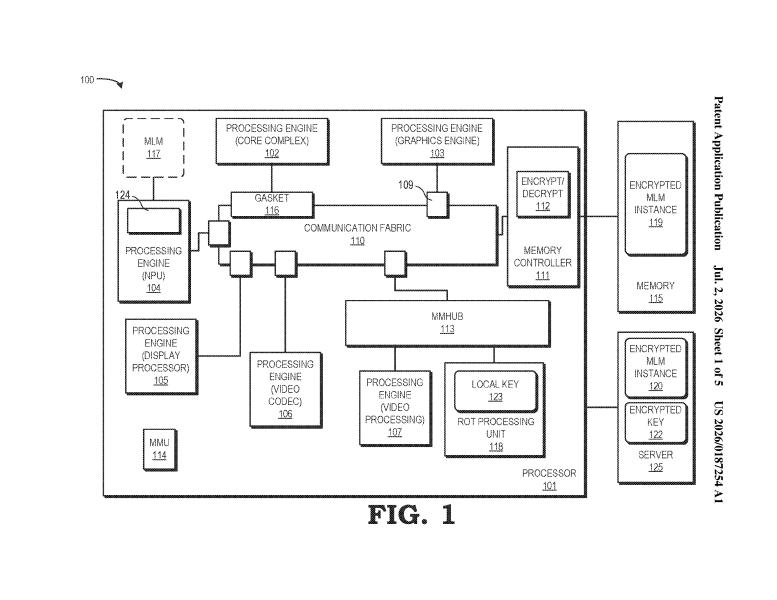
New AMD Patent Locks AI Models Inside Chips Against Software Theft
Your AI model is only as safe as the hardware running it. AMD is filing a patent that treats the chip itself as a security vault, encrypting and re-encrypting AI models as they move through different parts of the processor so no rogue software can ever read them in full.
-
Intel · Published Jul 2
Intel Patents a Chip That Locks Your Data While Still Running Calculations on It
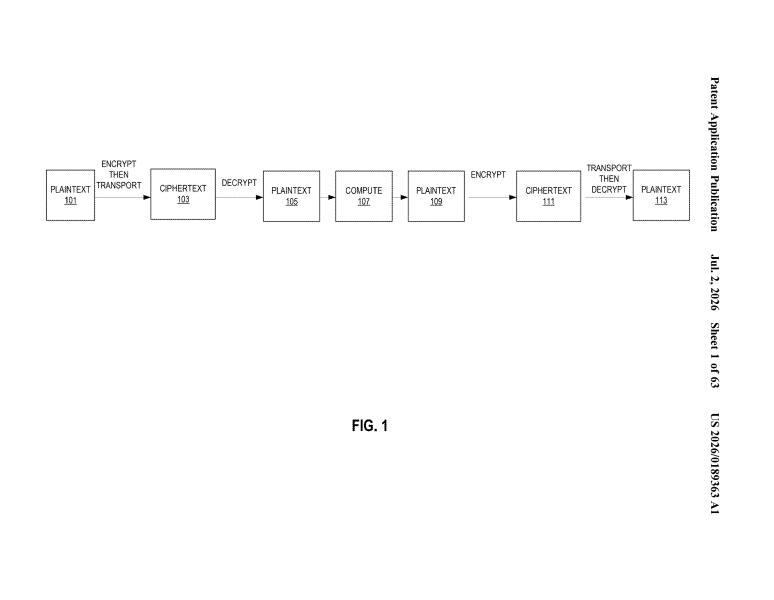
Imagine sending your bank a locked box and having it count your money without ever opening it. That's the promise of fully homomorphic encryption, and Intel just filed a patent for chip hardware designed to make it practical.
-
Google · Published Jul 2
Google's New Patent Uses Sound to Check If Your Face Is Real
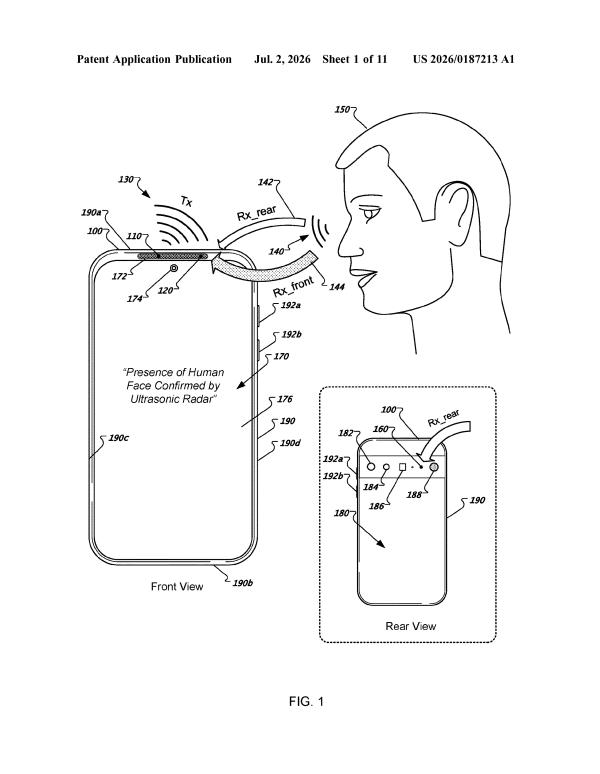
Unlocking your phone with your face is convenient until someone holds up a photo and your phone falls for it. Google's new patent uses ultrasound to check whether a real, three-dimensional human face is actually in front of the camera before granting access.
-
Apple · Published Jun 25
Apple Patents a System That Checks If Your Gift Card Was Tampered With Before You Activate It
Gift card scams cost Americans hundreds of millions of dollars every year, often because someone drained the card before you even bought it. Apple is patenting a way to catch that fraud the moment you open the package.
-
Microsoft · Published Jun 25
Microsoft Patents AI System for Flagging Apps With Unexpected Network Traffic
Microsoft is patenting an AI system that watches how an application moves data across a network and automatically raises an alarm when something stops looking normal, even as "normal" shifts over time.