
Sony Patents Tech That Previews Your Parking Spot Using Nearby Cars' 3D Shape
Parallel parking next to a giant SUV when you're driving a compact is genuinely nerve-wracking. Sony's semiconductor arm has filed a patent for a system that simulates the entire parking maneuver before you attempt it, using a live 3D scan of the cars already in the space.
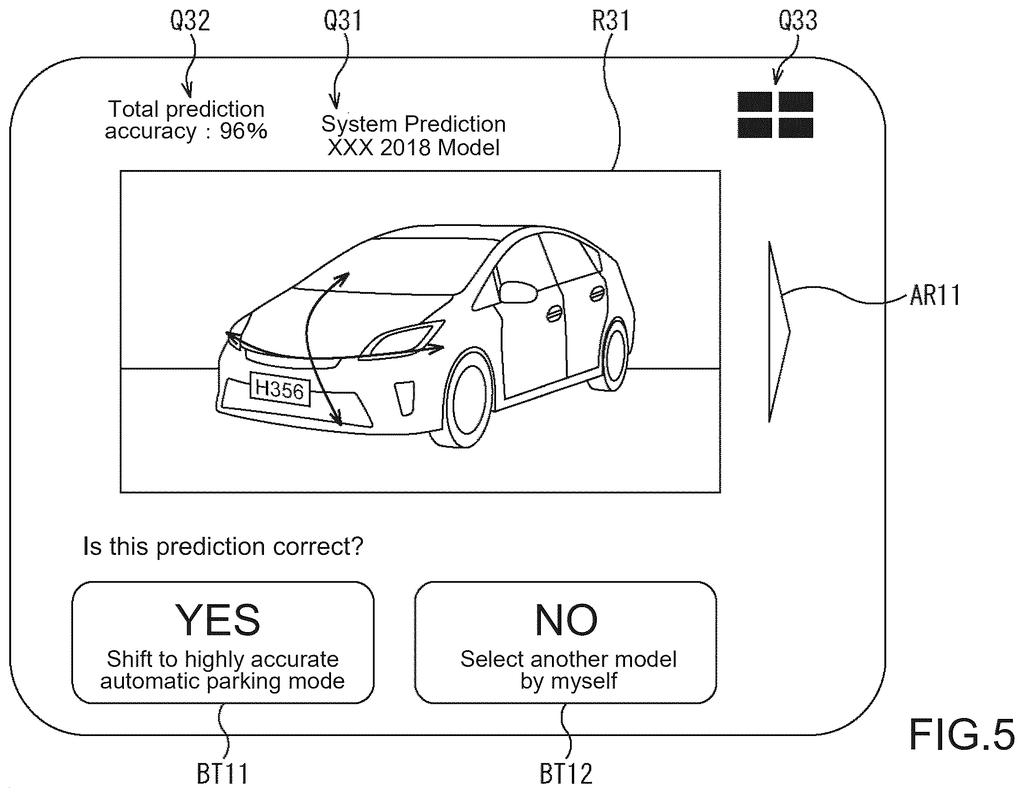
How Sony's parking preview system actually works
Ever pulled into a tight parking spot and instantly regretted it? Sony's patent is for a system that would let you see, before you even start turning the wheel, exactly how your car fits into a space relative to whatever is already parked there.
The system scans the vehicles next to your target spot, builds a 3D model of them, and then generates a virtual image showing how your car would look once parked. Think of it like a preview button for parking. Instead of relying on your mirrors and gut feeling, you'd see a simulated top-down or side view of the finished park before committing.
The idea comes from Sony's semiconductor division, which makes the camera and sensor chips that power a lot of the driver-assist technology already inside modern cars. That background matters, because this kind of system leans heavily on the quality of the sensors scanning your surroundings in real time.
… generates a virtual space image on a basis of three-dimensional shape data of an adjacent vehicle that is adjacent to a parking position where parking of an own vehicle is planned, the virtual space image indicating a result of simulation of the parking of the own vehicle in the parking position …
Translation: The system creates a 3D preview of your car parking by using the shape of the vehicles already parked next to your spot.
How the 3D shape data drives the parking simulation
The core of the patent is an image generation section, a software component that takes two inputs and combines them into a single simulation.
The first input is three-dimensional shape data of adjacent vehicles, meaning a depth-aware model of exactly how tall, wide, and long the cars already sitting in neighboring spaces are. The second input is sensing data, which is the live feed from the car's own cameras and proximity sensors picking up the immediate environment around the vehicle.
Those two data streams feed a simulation engine that models how your car would sit in the target parking position. The result is rendered as a virtual space image, a visual representation of the completed park that the driver can see before making any physical movement into the spot.
- 3D shape reconstruction of neighboring parked vehicles
- Real-time sensor data from the driver's own car
- Combined simulation of the planned parking position
- On-screen virtual image output showing the predicted result
The patent is filed by Sony Semiconductor Solutions, the division that designs image sensors and processing chips, which suggests the intent is to implement this on-chip or tightly integrated with camera hardware rather than as a cloud or off-board compute solution.
The present technology relates to an information processing device, an information processing method, and an information processing system that make it possible to reduce anxiety for drivers.
Translation: Sony designed this technology specifically to help drivers feel less stressed while trying to park their cars.
What this means for driver-assist displays in cars
Driver-assist systems already give you cameras and parking sensors, but they show you what is there right now, not what will happen when you pull in. The gap between live feed and predictive preview is exactly what this patent is trying to close. For anyone who has ever scraped a bumper, misjudged a truck bed overhang, or simply abandoned a spot because it looked too tight, a reliable simulation before committing would change the feel of parking entirely.
For Sony, this fits a clear hardware strategy: the company's semiconductor arm supplies image sensors to a large portion of the automotive industry, so a patent like this positions that sensor hardware as the foundation of a more complete perception system. Automotive parking-assist tech is one of the more active areas covered among interesting tech patents, and Sony's angle, building the simulation from the sensor data outward rather than from maps or infrastructure inward, is a distinctive approach worth watching as driver-assist systems grow more predictive.
Sony's 15th filing we've tracked since July in the self-driving sensing race builds on earlier work like one that spots glass surfaces and one pairing color and distance.
Sony already makes the camera sensors used in most car systems, so the technology described here could run on hardware already headed toward real vehicles. That shortens the road from patent to working product considerably.
The big unanswered question is raw computing power. Drawing a convincing fake image fast enough for a driver to actually trust it takes serious processing, and the patent says nothing about how that gets done.
Even so, this is essentially new software sitting on top of existing cameras, not a demand for brand-new hardware. For car technology, that makes it closer to reality than most patents.
There are more where this came from
We read every patent application Big Tech publishes and send you the ones worth knowing. Plain English, free, every week.
The drawings
7 drawing sheets from US 2026/0245462 A1 · click any drawing to enlarge


Want this weekly breakdown for a company we don't cover? Patentlyze Pro →
Be the first to weigh in