
Samsung Patents a System That Builds AI Art Descriptions From Your Stored Photos
Samsung has filed a patent for a system that reads the metadata buried inside your existing photos, figures out what you find interesting, and uses that information to automatically generate brand-new AI images. No typing required.
How Samsung's camera roll becomes an AI art generator
Imagine you've taken hundreds of photos of sunsets, street food, and your dog over the past year. A Samsung device running this system would look at all those photos, including the hidden data attached to each one (things like location, time, and scene tags), and figure out what subjects you care about most.
From there, it builds a text description (called a prompt) and feeds it to an AI image generator. The result is a new image created in the style or spirit of what you already love to photograph, without you having to write a single word.
The idea is to make AI image generation feel personal rather than generic. Instead of starting from a blank screen and typing 'sunset over the ocean,' the device already knows that's your thing and gets to work on its own.
acquire a plurality of first images, each of the plurality of first images including metadata, the metadata including information corresponding to an interest factor …
Translation: The system starts by gathering your existing photos and looking at data about what makes them interesting.
How the device reads metadata to build image prompts
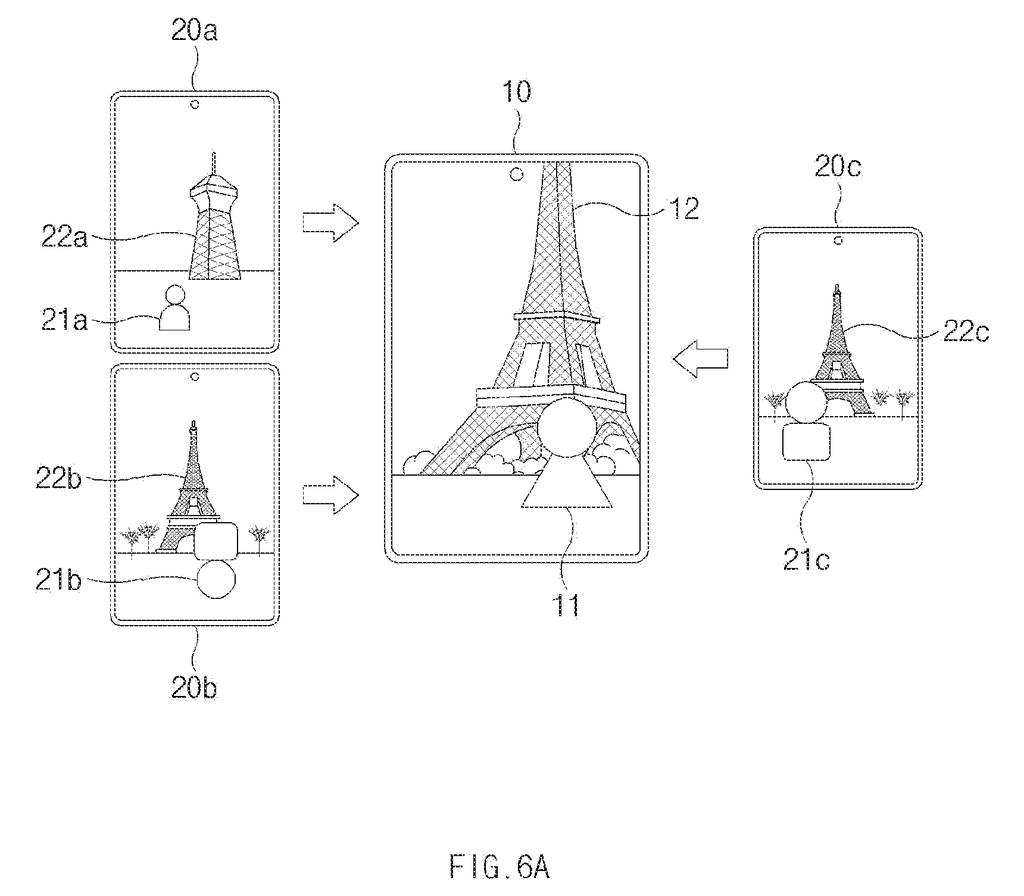
The system works in three steps. First, the device collects a set of existing photos. Each photo carries metadata (hidden data files that record details like GPS location, timestamp, scene category, or camera settings). Second, the device reads that metadata and extracts what the patent calls an interest factor, essentially a measure of what subjects or visual styles appear most often or most prominently across your photo collection.
Third, using those interest factors as raw material, the device automatically constructs one or more prompts (text instructions that tell an AI model what to generate). Those prompts are then passed to an AI model (a generative image system, similar in concept to tools like DALL-E or Stable Diffusion) which produces a new image.
The key distinction here is automation. Most AI image tools today require you to write your own prompt from scratch. This patent describes offloading that creative setup to the device itself, which learns your preferences from photos you've already taken rather than asking you to articulate them.
- Acquires existing photos with embedded metadata
- Extracts interest factors from that metadata
- Builds AI prompts automatically
- Generates new images from those prompts
… generate at least one prompt for generating at least one second image using an artificial intelligence model …
Translation: It then uses those insights to write text instructions for creating brand new AI artwork.
What this means for AI photo tools on Galaxy devices
For most people, writing a good AI image prompt is a skill in itself, one that takes practice and produces frustrating results until you get the hang of it. A system that bypasses that step by learning from your photo history could make AI image generation accessible to a much wider audience, not just people comfortable experimenting with text prompts.
Samsung's interest in on-device AI features shows up across its Galaxy product line, and a tool like this would fit naturally into the camera or gallery apps on a Galaxy phone. Whether this ever ships as a product is another question, but the underlying problem (the blank-prompt problem) is real, and the approach of mining metadata is at least a concrete attempt to solve it.
Samsung files its 35th entry in the AI image and video work we've tracked since May, adding to ideas like one fixing mid-story character looks and one borrowing from your other photos.
The blank-prompt problem is genuinely annoying. Anyone who has opened an AI image tool and stared at an empty text box knows the feeling: you want something, but articulating it in a way the AI understands takes more effort than expected. Samsung is attacking that friction at the source.
The approach, reading metadata you've already generated without even thinking about it, is practical rather than flashy. Metadata is already there; most apps ignore it after the photo is taken. Using it to infer preferences is a sensible reframe.
That said, the patent is fairly broad and high-level. It describes the pipeline (photos in, AI image out) without specifying how interest factors are ranked or how prompts are actually constructed from them. The hard work is in those details, and this filing doesn't reveal them. This reads as a position patent more than a finished technical blueprint.
There are more where this came from
We read every patent application Big Tech publishes and send you the ones worth knowing. Plain English, free, every week.
The drawings
19 drawing sheets from US 2026/0289868 A1 · click any drawing to enlarge


Want this weekly breakdown for a company we don't cover? Patentlyze Pro →
Be the first to weigh in