
Qualcomm
Qualcomm · Networking · Filed May 7, 2025 · USPTO published Nov 12, 2026 · This week's release
Qualcomm Patents Phones That Use Radio Signals as Radar and Report Back in Plain Words
Your phone's radio could double as a radar, and instead of sending back a pile of raw data it would send a short note like "person running near the crosswalk." A new Qualcomm patent application lays out how a cell network would ask for that kind of report.
- Publication number
- US 2026/0362095 A1(US20260362095A1)
- Applicant
- QUALCOMM Incorporated
- Filed · Published
- May 7, 2025 · Nov 12, 2026
- Inventors
- Mohammed Ali Mohammed HIRZALLAH, Srinivas YERRAMALLI, Marwen ZORGUI
- Status when we published
- Waiting for an examiner
- Document
- 30 claims
- US classification
- 455/456.1
What Qualcomm's radio-radar reports actually say
You're crossing a busy street at dusk, and a cell tower down the block is bouncing radio waves off everything around you, the way radar does. Sensing like that usually produces huge piles of raw numbers that someone has to crunch before they mean anything.
Qualcomm's patent application flips that around. The network can ask a phone or a tower to watch for specific things, such as pedestrians in a park or vehicles at an intersection, and report back in a short, text-like description. Think "pedestrian running across the street" instead of a spreadsheet of signal readings.
The request can also set a trigger. Tell a device to speak up only if it spots an injured person or a fire, and it stays silent otherwise. The device can even say how confident it is, or admit when it can't trust its own answer.
receive, from a network entity, an indication to perform radio frequency (RF) sensing for a set of objects and to report context information of the set of objects; …
Translation: The phone gets an order from the network to scan nearby things using radio waves and explain what they are.
How the network asks a phone to watch an area
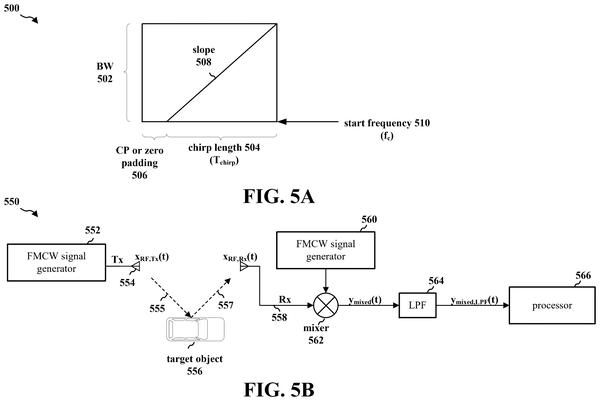
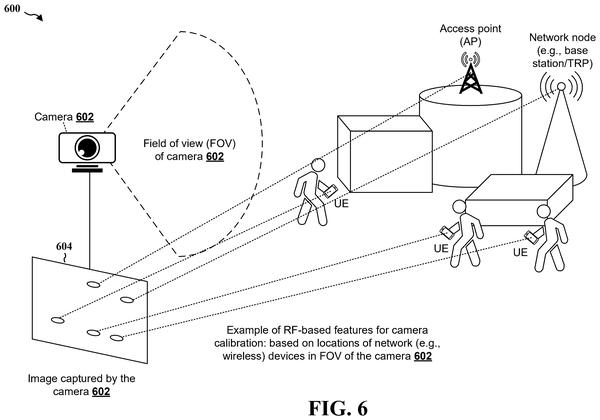
The filing describes an exchange between a network entity (a carrier server that manages location or sensing) and a wireless device (a phone, base station, or similar radio unit). The server asks the device to use RF sensing (sending radio waves and reading the echoes, like radar) on a set of objects and to report context information.
Objects can be targets (people, vehicles, drones) or environment objects (trees, buildings). Context information is a description of a status or event: safe or hazard, walking or biking, busy or smooth traffic, how many. The request can also include:
- The report format and when to report
- An area of interest
- Background on the objects
- An AI model to use (a trained program that spots patterns)
- The radio signal setup
The device can add camera or microphone input, and its report can include a quality score, the raw measurements, or a warning that an answer should not be trusted.
The claims cover both sides: the device that senses and the network entity that asks and listens. A device can also announce what it supports first.
Aspects presented herein may improve the overall performance of sensing by enabling a wireless device to indicate its support for contextual sensing and obtain request/configuration related to the contextual sensing from a network entity.
Translation: This patent helps phones tell the network they can use radio waves as radar to understand their surroundings.
Why plain-word radar reports could ease networks
For you, the payoff would arrive indirectly. The filing lists uses like intrusion detection on highways, smart parking, sleep and health monitoring, and gesture recognition. Sending a short description instead of a heavy radar data set could make those services lighter for a network to run, and the trigger rules mean a device can stay quiet until something happens.
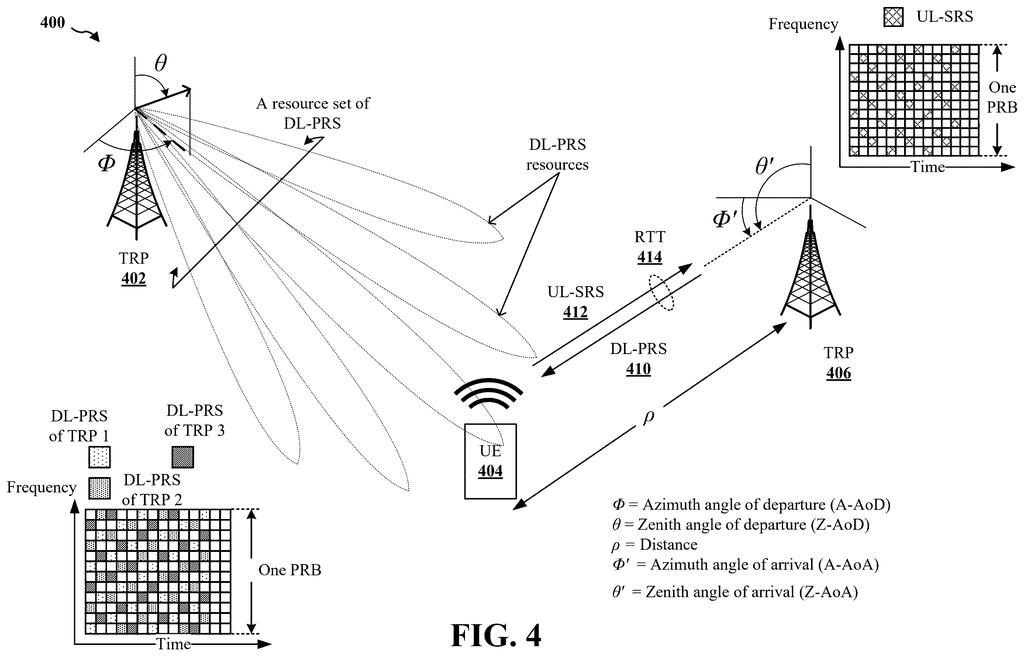
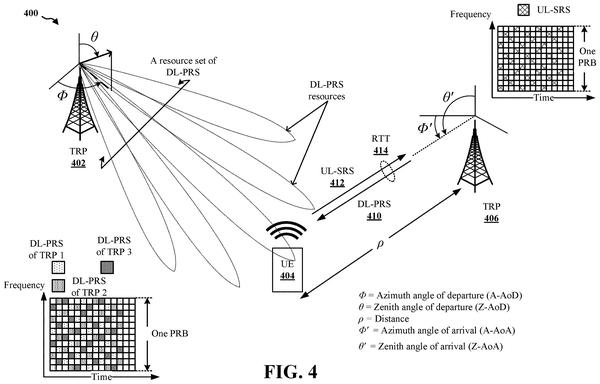
It also points to cell networks doing double duty as sensors. The filing ties these messages into the positioning procedures phone networks already use, which suggests Qualcomm is aiming for something that slots into existing network standards.
Qualcomm's 594th filing in our Qualcomm coverage since May continues the thread from carriers choosing AI versions and towers tuning phone predictions, adding another piece to how networks may shape on-device AI.
Source: US 2026/0362095 A1 at the USPTO (PDF). Full patent text and figures are in the official publication.
Get our take in your Top Stories
Liked this breakdown? Add Patentlyze as a preferred source on Google, and our plain-English take shows up more often in your Top Stories the next time Qualcomm patent news breaks.
Add Patentlyze on Google
One click.
There are more where this came from
We read every patent application Big Tech publishes and send you the ones worth knowing. Plain English, free, every week.
The drawings · 18 sheets
18 drawing sheets from US 2026/0362095 A1 · click any drawing to enlarge


Show the other 10 sheets


More from Qualcomm
All 624 Qualcomm patents →
More in Networking
All 498 Networking patents →
Google
Google Patents a Cellular Radio That Uses Sensor Data to Optimize Its Own Signals
Qualcomm
Qualcomm Patents an AI System for Routing Phone Data Across Radio Channels
Google
Google Patents a System for Sharing Radio Airwaves Between Radar and Wi-Fi

Samsung
No comments yet