
Qualcomm
Qualcomm · Networking · Filed Apr 30, 2026 · USPTO published Nov 12, 2026 · This week's release
A New Qualcomm Patent Lets Cell Towers Adjust What Your Phone's AI Predicts
Phone networks are starting to use AI to guess which cell tower you'll need next, and this Qualcomm filing covers how that guess list gets edited as you move.
- Publication number
- US 2026/0362247 A1(US20260362247A1)
- Applicant
- QUALCOMM Incorporated
- Filed · Published
- Apr 30, 2026 · Nov 12, 2026
- Inventors
- Rajeev KUMAR, Punyaslok PURKAYASTHA, Aziz GHOLMIEH, Hamed PEZESHKI
- Status when we published
- Waiting for an examiner
- Document
- 20 claims
- US classification
- 455/436
- Parent application
- Claims priority from a provisional application 63802482 (filed May 8, 2025)
What Qualcomm's tower-prediction update does
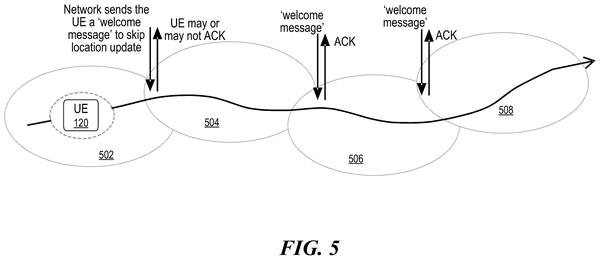
A train glides along its tracks while the phone in your pocket hands its connection from one cell tower to the next, again and again. To keep those handoffs smooth, some networks now use AI to guess which tower, and which narrow signal beam from it, will work best a moment from now.
Qualcomm's patent application is about keeping that guesswork up to date. The network gives your phone a list of things to watch and predict. If some of those predictions turn out poor, the network can send an update that drops them, adds new ones, and keeps the rest running, rather than shutting the whole AI feature off.
Your phone can also ask for changes, such as when it is struggling to keep up. The idea is less wasted effort and a better shot at staying connected as you move.
receive, from a serving network node, a configuration for predicting one or more parameters associated with UE mobility …
Translation: Your phone gets instructions from the cell tower on what travel and movement details its AI should try to forecast.
How the network trims your phone's watch list
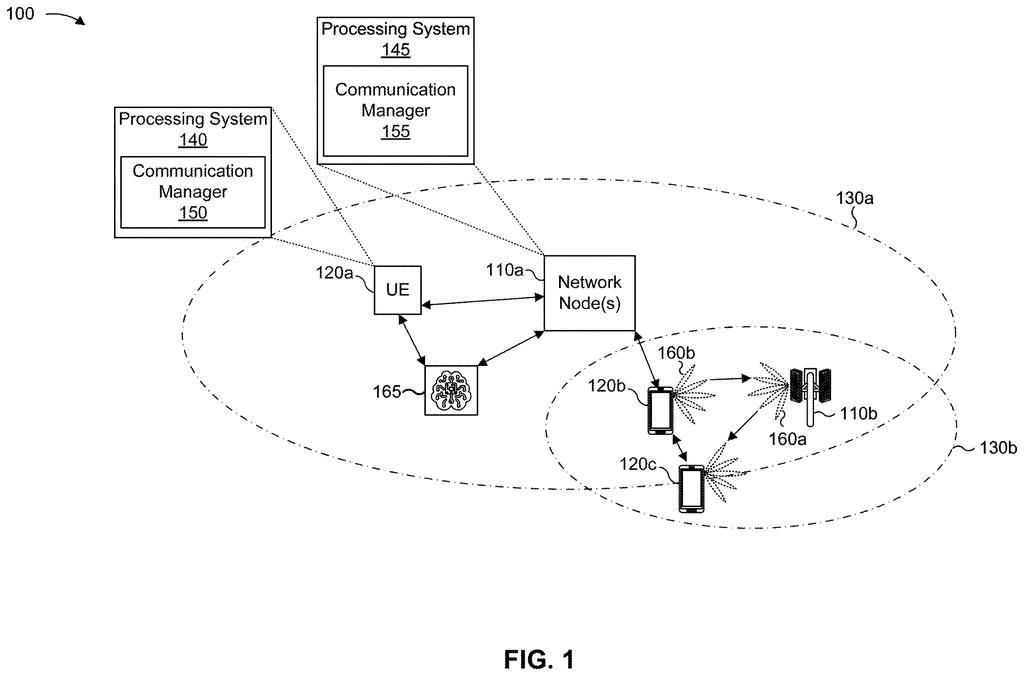
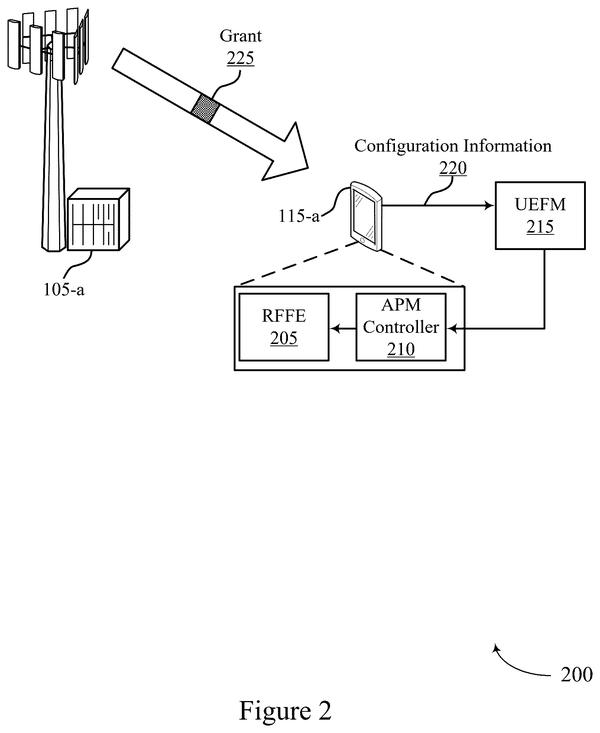
In the filing, a serving network node (the cell tower your phone is currently connected to) sends the phone a configuration for predicting mobility parameters (things that matter as you move, like which towers will be strongest). That configuration holds a first set of measurement targets or prediction targets, meaning signals the phone should either measure now or forecast. At least one target must involve the phone's link to the serving tower or a neighboring tower.
The phone then sends back a report of its measurements or predictions. Targets can include a fixed number of top-ranked cells or beams (beams are the focused directions a tower aims its signal), signal quality for the serving and neighbor cells, measurement events, and forecasts of a radio link failure (a dropped connection) or a handover failure.
Next comes the life cycle management message, which carries an updated configuration with a second set of targets. The phone can trigger this itself: if a target's performance misses a threshold, it can ask the network to add or remove targets. The phone can also tell the network up front which prediction features it supports, and the network can send a paging message to pause reporting.
The filing also covers the tower side. Two towers can pass the configuration back and forth, and the serving tower can forward reports to a neighbor, wait for an acknowledgement (a confirmation message), then send the update to the phone.
… receive a life cycle management message including an updated configuration that indicates a second set of one or more measurement targets or prediction targets.
Translation: The cell tower can send an update to change what specific data your phone's AI is supposed to track and predict.
Why handoffs between cell towers could improve
For you, the benefit would show up in how well your connection holds up while you move: on a train, in a car, or walking between buildings. The filing says this selective approach reduces the need to switch a whole prediction setup on or off. Only the poorly performing parts get trimmed, and the useful ones keep running.
The filing also points to battery and processing savings, since AI predictions take effort and a phone that watches fewer useless targets does less work. It says the approach could cut signaling traffic between towers and phones too. Keep in mind that this is a patent application describing ideas for 5G and 6G networks, not a product you can buy.
Qualcomm's 592nd filing in our Qualcomm coverage since May continues the phone-awareness thread seen in the location-by-area application and the upload-prediction one.
Source: US 2026/0362247 A1 at the USPTO (PDF). Full patent text and figures are in the official publication.
Get our take in your Top Stories
Liked this breakdown? Add Patentlyze as a preferred source on Google, and our plain-English take shows up more often in your Top Stories the next time Qualcomm patent news breaks.
Add Patentlyze on Google
One click.
There are more where this came from
We read every patent application Big Tech publishes and send you the ones worth knowing. Plain English, free, every week.
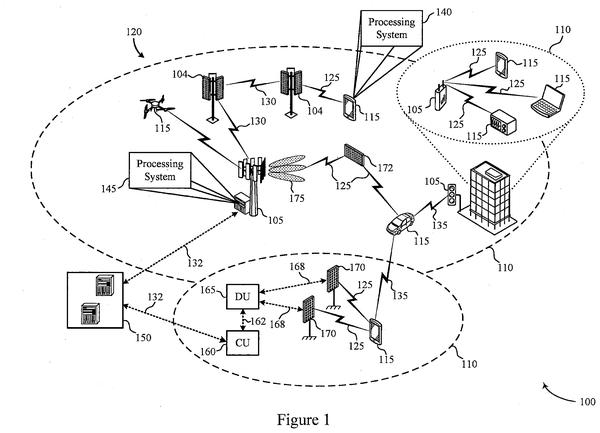
The drawings · 16 sheets
16 drawing sheets from US 2026/0362247 A1 · click any drawing to enlarge


Show the other 8 sheets


More from Qualcomm
All 624 Qualcomm patents →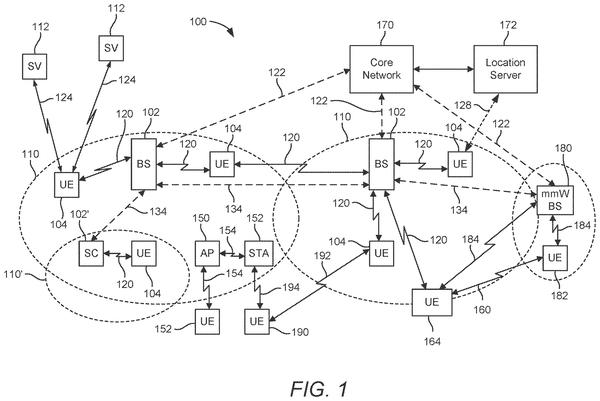
More in Networking
All 498 Networking patents →
Apple
Apple Files Patent to Keep Airplane Connections Alive Between Cell Towers

Apple
Apple Patents a Smoother Cell Tower Handoff System for iPhone
Apple
Apple Files Patent to Stop Phones and Cell Towers From Misreading Each Other's AI
Apple
No comments yet