
Microsoft
Microsoft · AI / ML · Filed May 7, 2025 · USPTO published Nov 12, 2026 · This week's release
Microsoft Files Patent for AI Game Recaps Built From Your Play History
Microsoft has filed a patent application for an AI that writes a 'previously on' recap of your last gaming session. It can show screenshots with narration, even in a game character's voice, while the game loads.
- Publication number
- US 2026/0355636 A1(US20260355636A1)
- Applicant
- Microsoft Technology Licensing, LLC
- Filed · Published
- May 7, 2025 · Nov 12, 2026
- Inventors
- Francesco BONACCI, Diego COLOMBO
- Status when we published
- Examiner raised objections; the company can respond
- Document
- 20 claims
- US classification
- 463/31
- Examiner
- LIM, SENG HENG (Art Unit 3715)
What Microsoft's game-session recap actually does
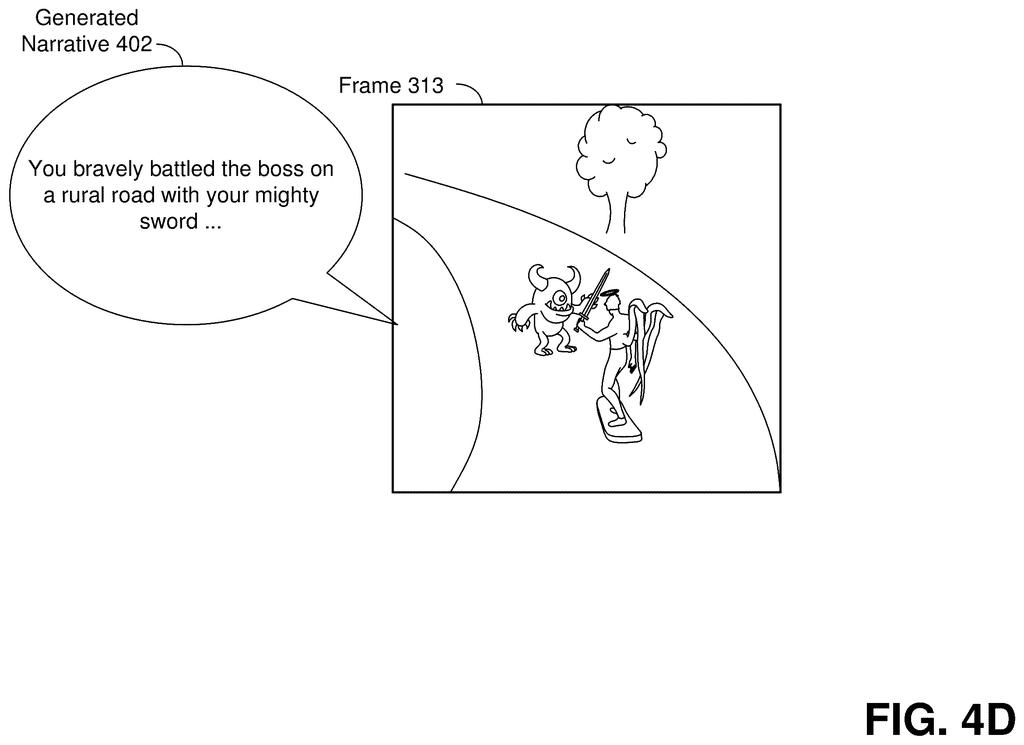
Ever come back to a game after a few months away and had no idea why your character is standing on a dirt road holding a sword? Most games just show you a still screenshot and hope that jogs your memory.
Microsoft's patent application describes something closer to a previously on recap. While you play, the game and the platform it runs on (a console or a streaming service) keep logs of what happened: levels reached, bosses met, items picked up, plus occasional snapshots of the screen. Afterward, an AI model reads the important parts and writes a short story of your session, paired with screenshots from it.
The next time you hit play, that recap shows up while the game loads. You can read it or have it read aloud, even in the voice of a character from the game. You could also type a question like 'How did I get the sword?' and get an answer.
… instructing the generative machine learning model to synthesize a summary of the previous video gaming session based at least on the selected subset of video game log data; …
Translation: Telling the AI to write a recap of your last session using saved game logs.
How the AI picks which moments to retell
The system starts by collecting two kinds of records while you play. The game itself logs in-game events such as reaching a new level, meeting a boss or picking up a weapon. The platform (the console's operating system or a streaming service) logs things the game doesn't track, like your controller inputs and video frames from the screen.
Saving everything would waste storage, so the filing describes ways to pick what matters:
- The game can tell the platform when something important happens, through an API call (a built-in message from one program to another).
- A computer vision model (software that recognizes what is on screen) can spot battles, level changes or menus.
- The platform can grab frames every few seconds and stop when you go idle.
A selected slice of that data goes to a generative AI model (software that writes new text or images) with an instruction to summarize the session. The result is a series of screenshots, each with a short narrative, shown as text or spoken aloud. An image model can also tweak a frame, such as enlarging a gem you found.
To keep the AI accurate, the system can look up facts in a knowledge graph (a map of how game things relate, such as trolls living in caves). Recent sessions get more screenshots than older ones.
The summaries can include narratives describing video frames from the prior sessions. In some cases, the video frames can be modified using a generative image model to enhance the summary.
Translation: The system creates story descriptions and altered images from your past gameplay.
Why a screenshot stops being enough after a break
If you play in bursts around work and life, this would turn the loading screen into something useful. Instead of one frozen screenshot, you would get a short story of where you were, what you picked up and who you beat, plus a way to ask follow-up questions. The filing says the same idea could work in VR headsets and in a flight simulator that recaps how you handled a storm.
Microsoft's filing covers console, phone and cloud streaming setups, with recaps built ahead of time so they are ready when you press play. The examiner's first review rejected the claims as filed, which is routine and usually followed by amendments, so the wording could still change. It is also a patent application, not a product announcement.
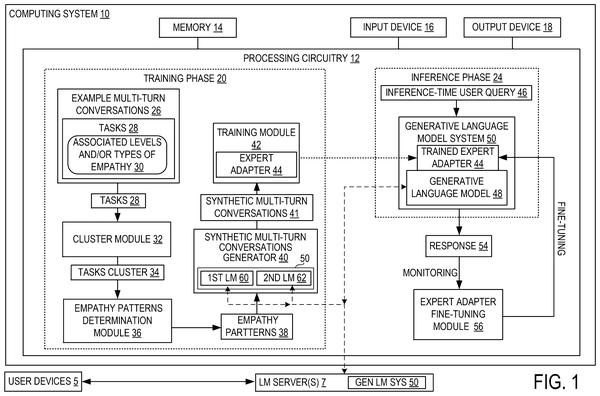
Microsoft's 20th filing in voice and speech AI we've tracked since May follows earlier applications on teaching chatbots social tone and keeping only your voice.
Source: US 2026/0355636 A1 at the USPTO (PDF). Full patent text and figures are in the official publication.
Get our take in your Top Stories
Liked this breakdown? Add Patentlyze as a preferred source on Google, and our plain-English take shows up more often in your Top Stories the next time Microsoft patent news breaks.
Add Patentlyze on Google
One click.
There are more where this came from
We read every patent application Big Tech publishes and send you the ones worth knowing. Plain English, free, every week.
The drawings · 26 sheets
26 drawing sheets from US 2026/0355636 A1 · click any drawing to enlarge


Show the other 18 sheets


More from Microsoft
All 646 Microsoft patents →
More in AI / ML
All 2,637 AI / ML patents →
Samsung
Samsung Patents a Speech Recognition System That Learns From Your Last Utterance
Samsung
Samsung Patents a Way for Its AI Assistant to Know When You're Starting a New Topic
Sony
Sony Patents a Trick for Giving Game Characters Distinct Voices by Translating Twice

Sony
No comments yet