
Samsung
Samsung · Cell phone · Filed Jul 24, 2026 · USPTO published Nov 19, 2026 · This week's release
Samsung Files Patent for Phone Photos That Treat Each Color Differently
Older color-correction methods apply one adjustment to a whole image, according to Samsung's filing. Samsung's patent application describes tuning reds, greens and blues separately, and even treating grass differently from other green things.
- Publication number
- US 2026/0370772 A1(US20260370772A1)
- Applicant
- SAMSUNG ELECTRONICS CO., LTD.
- Filed · Published
- Jul 24, 2026 · Nov 19, 2026
- Inventors
- Juntaek KONG, Seungwon CHOI, Jongseong CHOI
- Status when we published
- Waiting for an examiner
- Document
- 20 claims
- US classification
- 382/167
- Parent application
- Continuation of 18/244,703 (filed Sep 11, 2023)(18244703)
What Samsung's per-color photo tuning does
Imagine snapping a photo of a kid playing soccer on a sunny field. You want the grass to look lush, but if your phone simply cranks up the green across the whole picture, the gray sidewalk and the white goalposts can pick up a strange tint too.
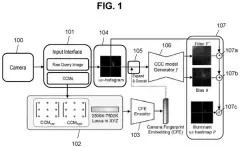
Samsung's patent application describes a fix. Instead of one color adjustment for the whole photo, the phone sorts every pixel (each tiny dot of the image) into one of nine color families based on its hue, and each family gets its own tweak. Reds can be boosted differently from blues.
There are two safeguards as well. If another part of the phone has already spotted that something is grass, the system can push the greens harder there. And for pixels that are nearly gray or white, it backs off so they stay neutral. The stated goal is a picture in the color tone you want.
… calculating a color gamut to which a color of each pixel of the image belongs; calculating a color conversion matrix according to the color gamut; …
Translation: The phone figures out the exact color range for every single pixel in the photo.
How the phone sorts pixels into nine hue zones
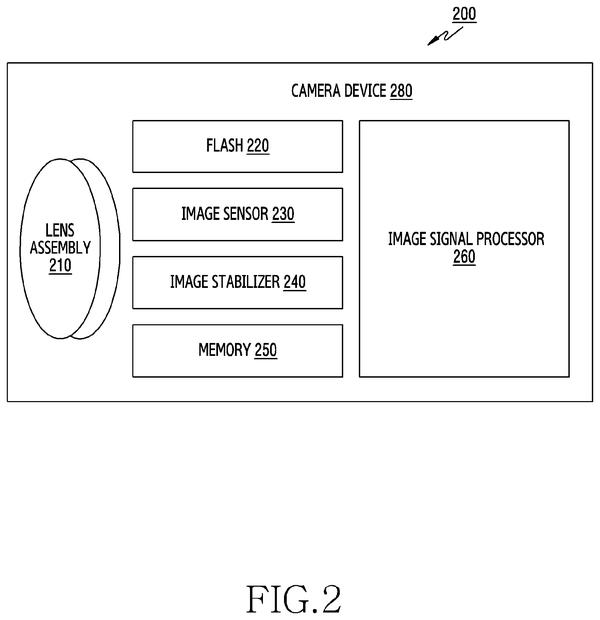
The patent application covers a way for a phone's image signal processor (the chip that turns raw sensor data into a finished photo) to adjust color pixel by pixel. For each pixel, it works out which color gamut the pixel falls into. Here that means a slice of the color wheel, found by converting the pixel to hue, saturation and value (HSV, a way of describing color as its shade, its purity and its brightness). The filing's example uses nine slices.
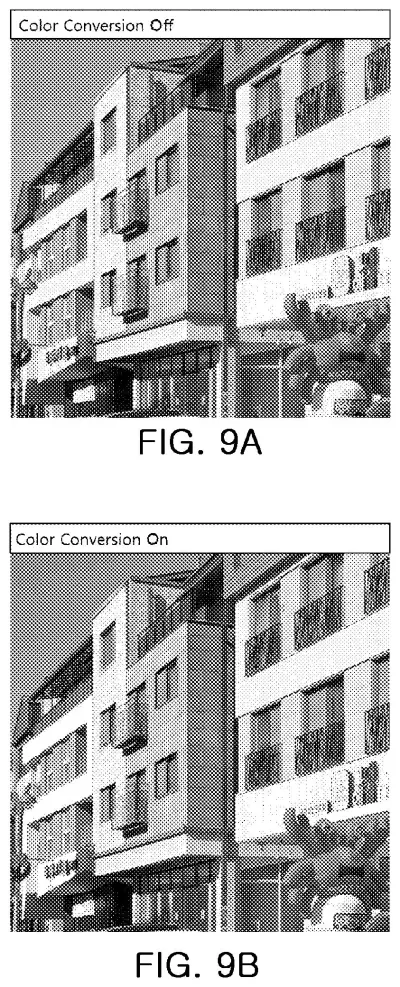
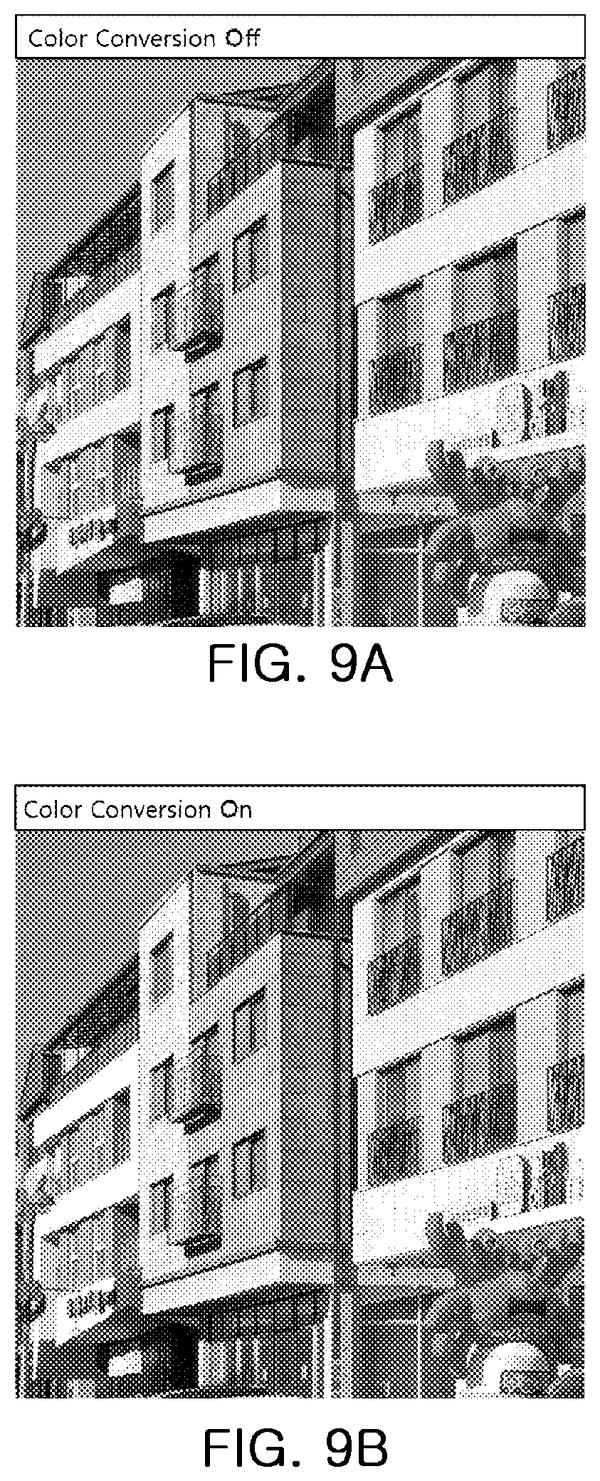
Each slice gets its own color conversion matrix, a 3×3 grid of numbers that remixes a pixel's red, green and blue values. When a pixel sits near the border between two slices, the system blends the neighboring matrices so there are no visible jumps. The processor can also run with this mode on or off, and the claims describe comparing the two results to judge the effect.
Two extra layers refine the result:
- Object-aware tuning: a separate segmentation step (software that labels which parts of the image are grass, trees, cars and so on) supplies a location and a confidence score. The more confident the label, the more weight its special matrix gets.
- Low-saturation protection: for washed-out pixels such as gray or white, a gentler matrix is blended in so strong color boosts do not tint them.
One claimed version has a neural processing unit (a chip block built for AI work) run the object-detection model on the device. The filing also says lookup tables could do the same job as matrices.
… perform color conversion of the input image by applying different color conversion matrices according to the color gamut.
Translation: It then adjusts the colors using different mathematical formulas tailored to each specific color range.
Why per-color tuning matters for phone photos
If you shoot photos on a phone, color is where much of the look of the picture comes from. A single adjustment applied to the whole image can only shift all colors together. Per-color tuning gives a camera maker room to make reds, blues and greens each look the way it wants, and to treat grass differently from other green things, while leaving grays and whites alone.
The filing describes this running in the phone's camera pipeline, from the image sensor to the application processor, which is where phones already do their color work. It is a patent application, so it says nothing about which phones, if any, would use it. The on and off modes and the comparison step in the claims point to a way of testing how much a color change actually helps.
That makes this Samsung's 176th filing we've tracked since May in our camera sensor push, adding to work like the group expression stitcher and the burst tap listener.
Source: US 2026/0370772 A1 at the USPTO (PDF). Full patent text and figures are in the official publication.
Get our take in your Top Stories
Liked this breakdown? Add Patentlyze as a preferred source on Google, and our plain-English take shows up more often in your Top Stories the next time Samsung patent news breaks.
Add Patentlyze on Google
One click.
There are more where this came from
We read every patent application Big Tech publishes and send you the ones worth knowing. Plain English, free, every week.
The drawings · 14 sheets
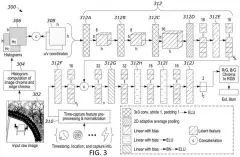
14 drawing sheets from US 2026/0370772 A1 · click any drawing to enlarge


Show the other 6 sheets


More from Samsung
All 1,662 Samsung patents →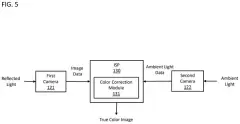
More in Cell phone
All 494 Cell phone patents →
Google
Google Patents a Camera That Reframes Around What You Tap
Samsung
Samsung Patents Per-Zone Portrait Blur That Treats Foreground and Background Differently
Samsung
Samsung Files Patent for a Camera Fix That Saves Battery Without Adding Photo Noise
Samsung
No comments yet