What the filings show
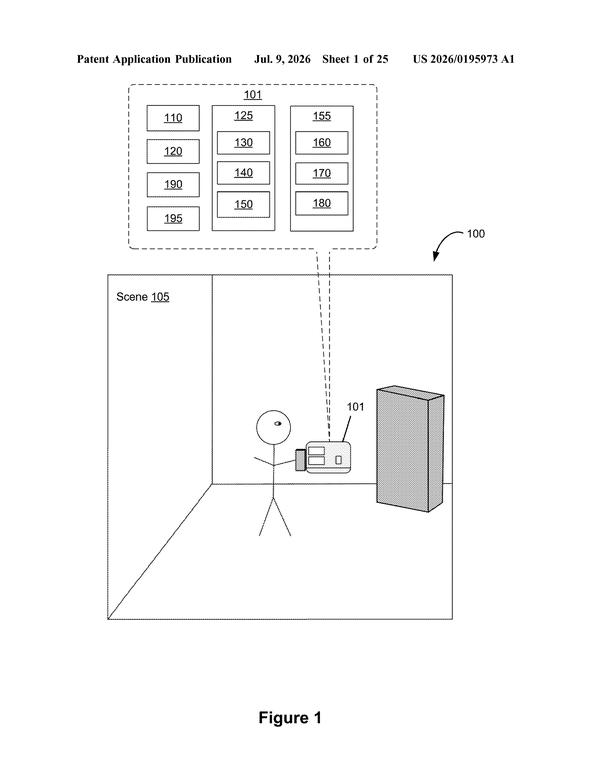
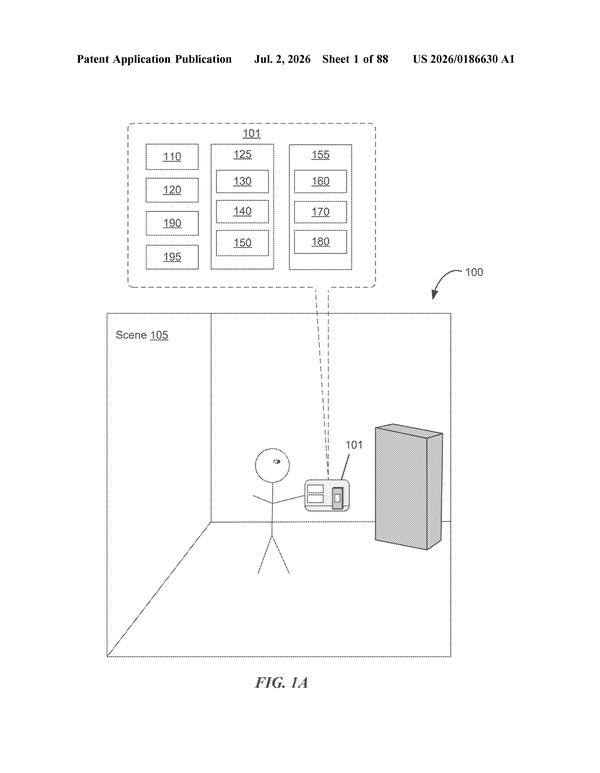
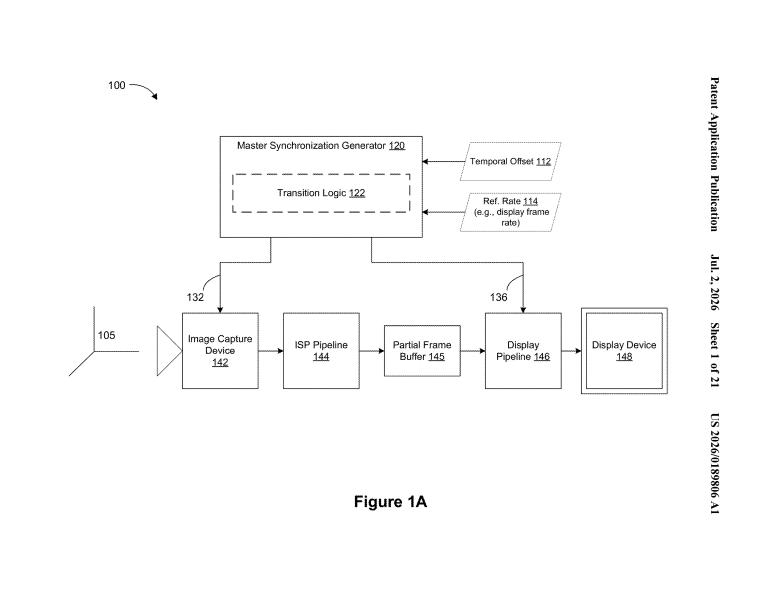
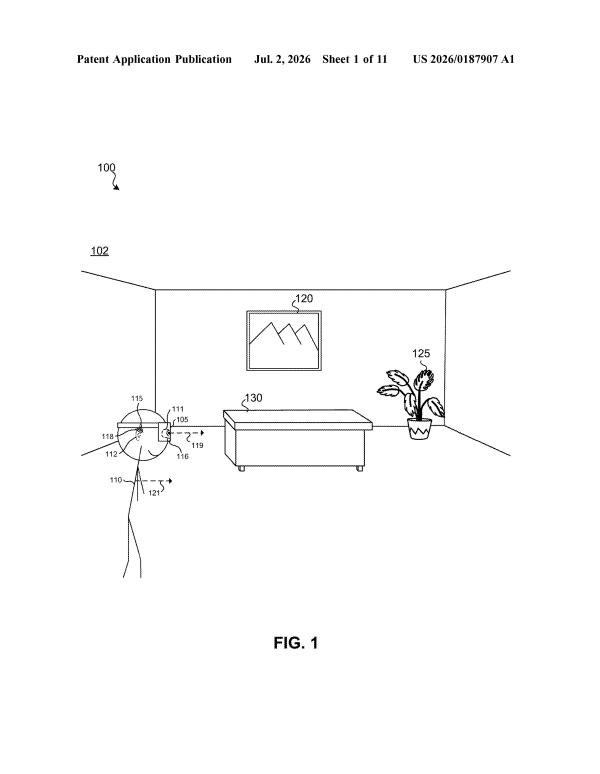
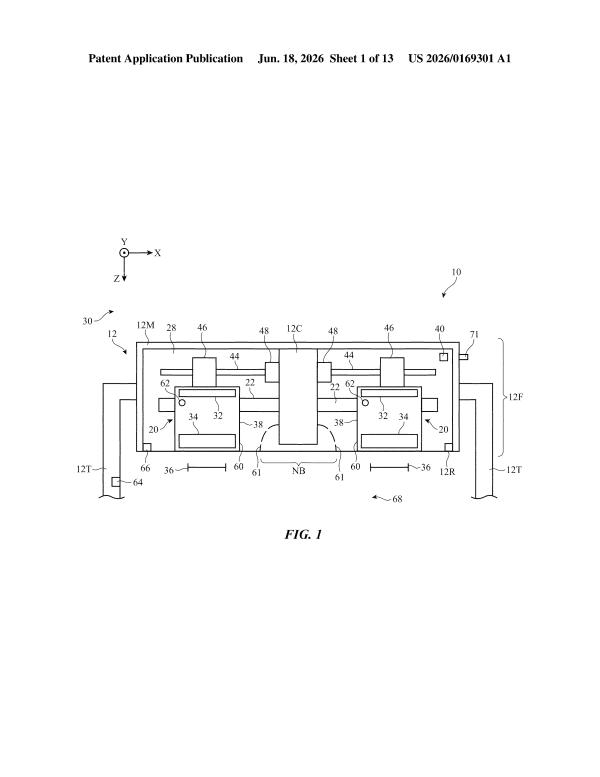
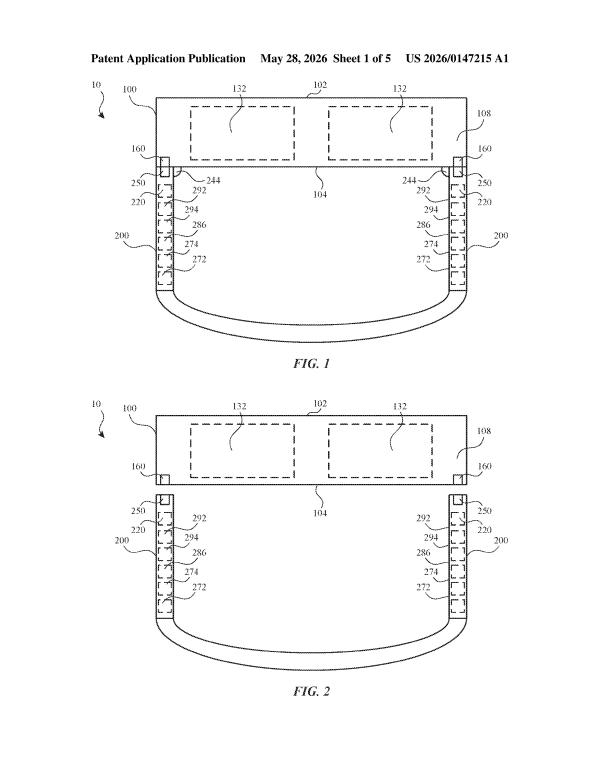
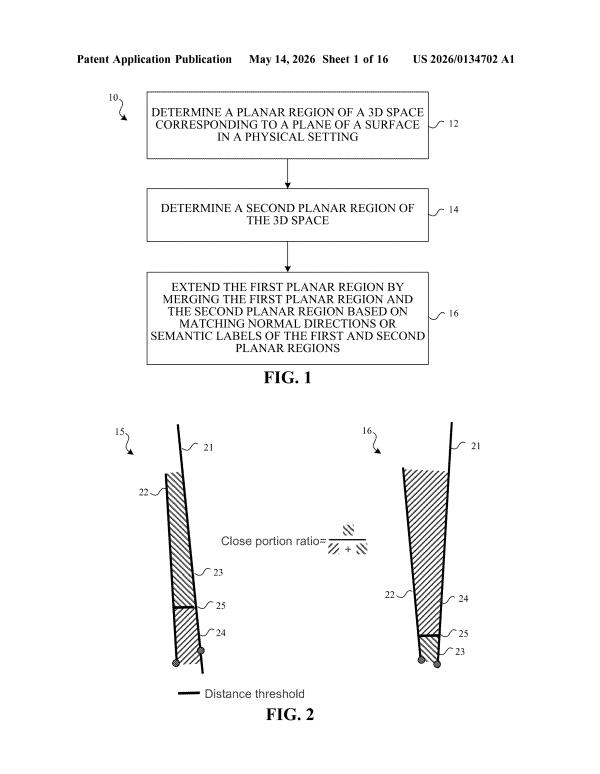
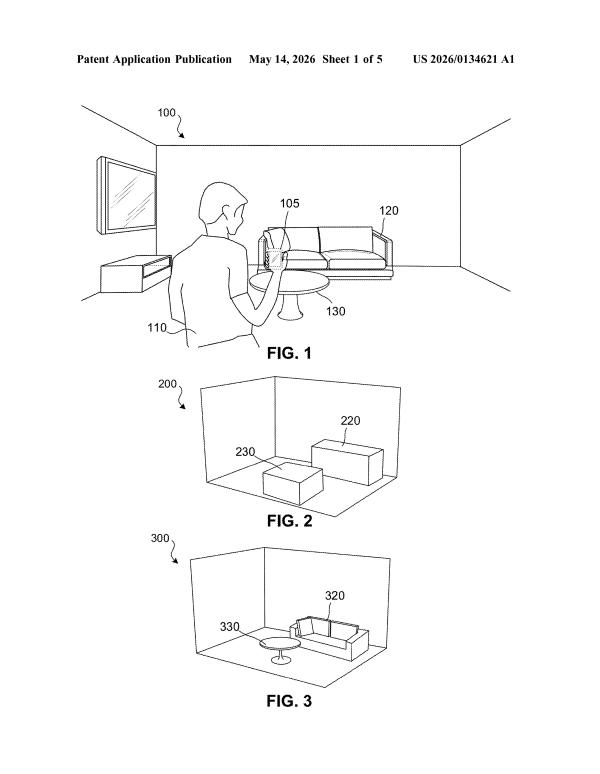
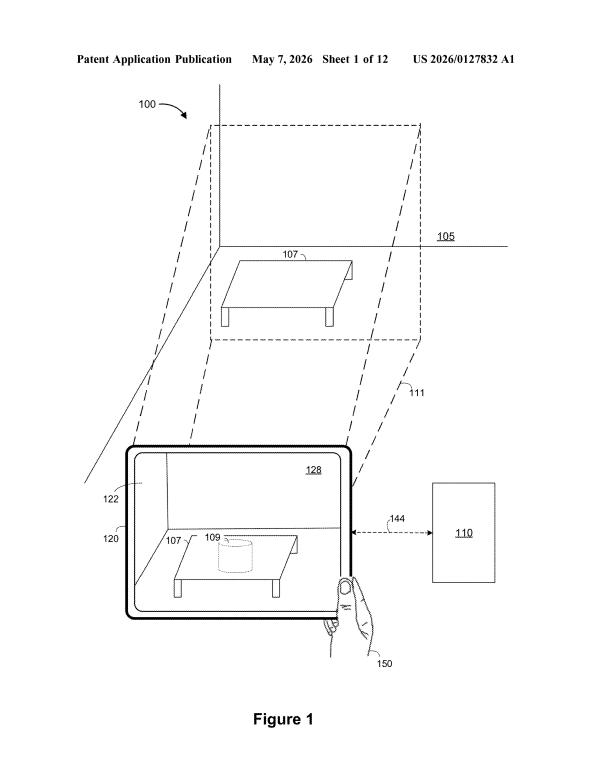
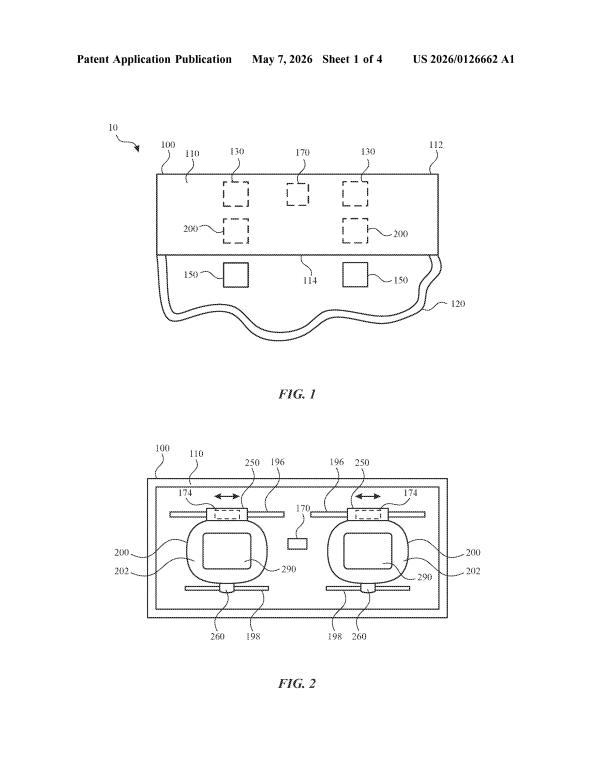
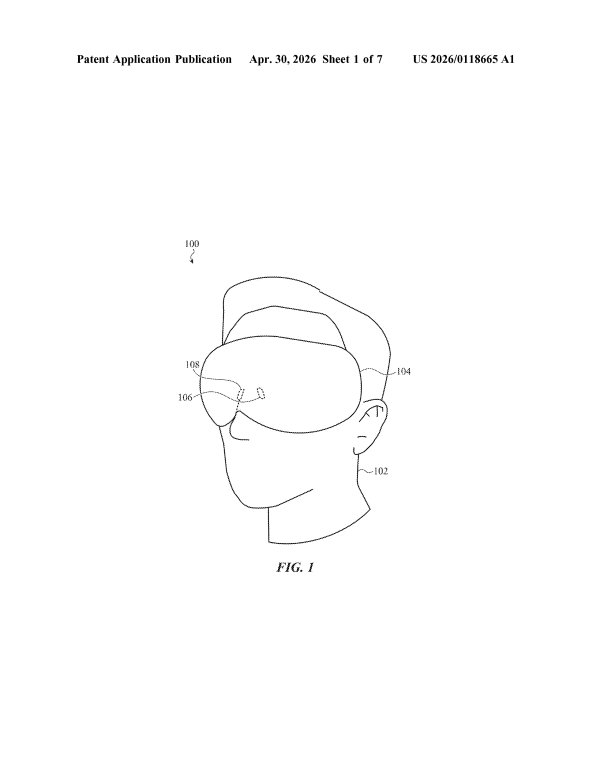
Most of these filings cluster around two areas: how the hardware sits on a face and how the software reads a room. On the physical side, Apple describes a laser sensor that detects headset slippage, glasses that tighten their grip on the nose, a sliding optical enclosure for lens assemblies, and a system that tracks where adjusted lenses land. On the software side, patents cover semantic plane detection, 3D reconstruction of real objects from depth data, and virtual windows that size themselves to a room.
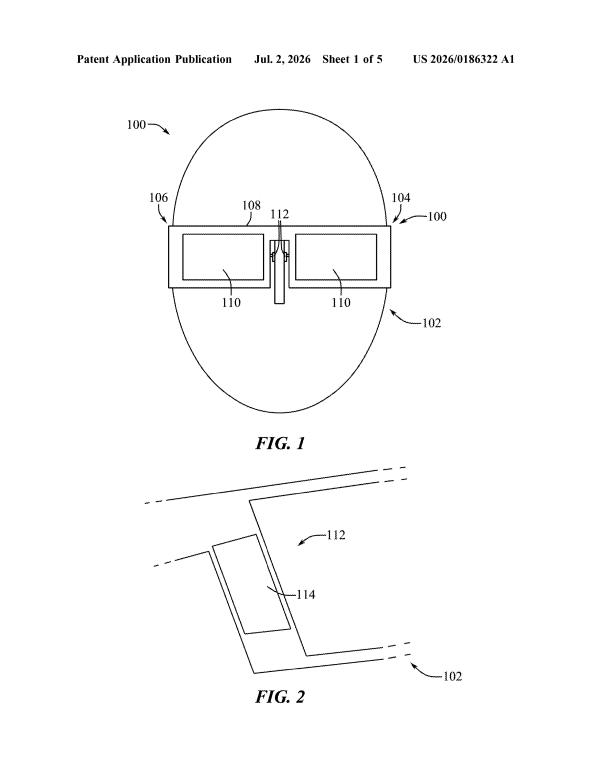
A few problems keep resurfacing. Fit and slippage show up again and again, suggesting Apple sees comfort and stability as unresolved. Eye tracking also recurs, with one filing moving cameras into the glasses arms to avoid bulky front hardware, hinting at a push toward thinner frames. Meanwhile the software filings share a common goal: making digital content respond intelligently to physical surroundings, whether that means sizing a window, mapping plane surfaces, or building 3D models of real objects.
Readers should watch for filings that connect these threads, patents that pair a sensing method with a specific software response, since that combination would suggest a more finished design rather than isolated research. It's also worth tracking whether future filings address battery, weight, or field of view, gaps not yet covered in this set. For now, the pattern shows Apple solving fit and perception problems piece by piece rather than announcing a finished product.
Questions readers ask
Does this mean Apple is definitely launching AR glasses?
No. These are patent filings, which show research directions Apple is exploring, not confirmed products. The filings cover fit, sensing, and software problems that would need solving before any glasses could ship, but patents alone don't guarantee a release.
Why do so many patents focus on how the glasses fit?
Several filings address how headsets slip, how lenses shift, and how glasses grip a nose, suggesting Apple treats physical fit as a core problem for any wearable display. Comfort and stability seem to matter as much as optics or software in this batch.
How does Apple plan to track eye movement without bulky cameras?
One filing describes moving eye-tracking cameras into the arms of the glasses instead of the front frame, which could let the frame stay slim while still monitoring gaze. It's an early-stage patent, so exact hardware placement could change before any product appears.
What software features come up most often in this storyline?
The batch includes semantic plane detection for placing virtual objects on real surfaces, 3D reconstruction of physical objects from depth data, and windows that size themselves to a room. These filings suggest Apple wants software that reacts intelligently to physical space, though implementation details remain unclear.