Latest AI assistant & agent patents, Page 2
Assistants that answer and agents that act: filings covering AI that books, schedules, remembers, and gets things done without being walked through every step. We track where tech companies think the autonomy line sits.
- in the Nov 19 release
- 23
- in November so far
- 69
- filings tracked
- 436
- last 90 days
- 233
Recent filings
Newest first · 436 total-
Microsoft · Published Nov 19
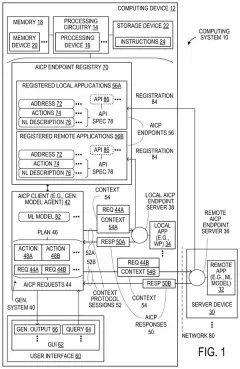
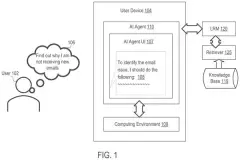
Microsoft Patents an AI Assistant That Rewrites Its Own Cheat Sheet for Using Apps
Microsoft's patent describes an AI that keeps a short cheat sheet for each app it can control, then edits that sheet based on how slow or incomplete the app's replies turn out to be.
-
Google · Published Nov 19
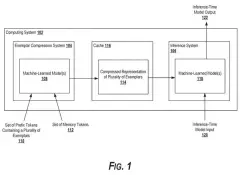
Google Files Patent for Shrinking the Example Lists AI Models Reread Every Time
Every time you hand an AI chatbot a stack of examples, it has to reread the whole stack for each new question. Google's patent application describes reading the stack once, saving a compact summary, and reusing that instead.
-
Microsoft · Published Nov 19
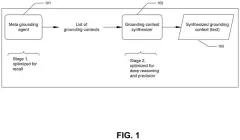
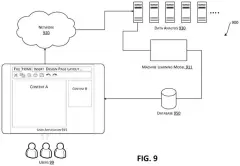
Microsoft Patents a Filter That Decides Which Files and Chats Its AI Reads
Microsoft's patent describes a research-assistant step for work AI. It sorts your meetings, chats and files, tosses duplicates and contradictions, and remembers its work for next time.
-
Google · Published Nov 19
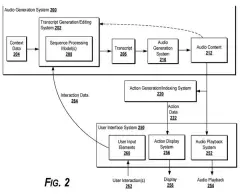
Google Files Patent for AI Podcasts That Show You Links to Buy What They Mention
Google's new patent application describes an AI-generated podcast that can put a tappable link, a signup button or a shopping cart in front of you for whatever the hosts just mentioned.
-
Salesforce · Published Nov 19
Salesforce Files Patent for AI Assistants That Think Within a Set Budget
Ask an AI reasoning model what five times four is, and most of its answer can be spent thinking out loud. Salesforce's patent application describes a way to train these models to think inside a fixed limit and still land on the right answer.
-
IBM · Published Nov 19
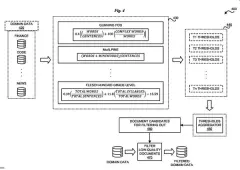
IBM Files Patent for Using Reading-Level Scores to Clean Up AI Training Text
IBM's filing proposes grading the documents used to train an AI chatbot by reading level, the way a teacher might grade essays, then tossing the outliers. A small practice model decides how aggressive that cutoff should be.
-
IBM · Published Nov 19
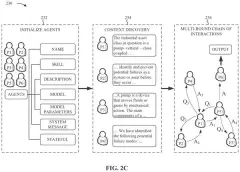
IBM Patents a Panel of AI Experts That Quiz Each Other About Broken Machines
IBM describes a software setup where AI characters playing a reliability engineer, a quality engineer and other experts interview each other, then turn the answers into a draft failure checklist for industrial equipment.
-
Nvidia · Published Nov 19
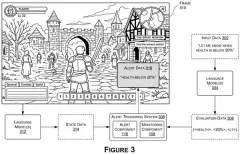
Nvidia Files Patent for Game Alerts You Create Just by Asking
Ever wished a game would just tell you when your backpack is full? A new Nvidia filing describes an AI assistant that builds that alert the moment you ask for it, with no developer involved.
-
Microsoft · Published Nov 19
Microsoft Patents a Screening Step for the Files and Chats Its AI Reads
Before an AI agent acts on your behalf, Microsoft wants it to sort through your meetings, chats and files and throw out the junk. This patent application lays out a two-step filter to do that.
-
Microsoft · Published Nov 19
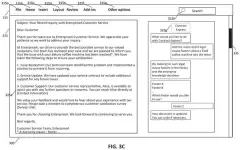
Microsoft Patents an AI Assistant That Can Run Third-Party Tools Inside Word and Excel
Thousands of add-ins like DocuSign and Grammarly already live inside Office apps, but Microsoft's AI assistant can't reach most of them today. This patent describes a bridge so you type a request and the AI drives the add-in for you.
-
Google · Published Nov 19
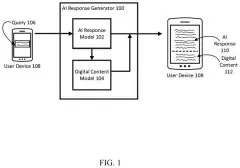
Google Files Patent for Picking Ads While an AI Answer Is Still Being Written
Ask an AI chatbot to compare leather pants, and this Google patent application describes choosing the matching ad before the answer has even finished writing itself. The goal is to add extra content without making you wait.
-
Google · Published Nov 12
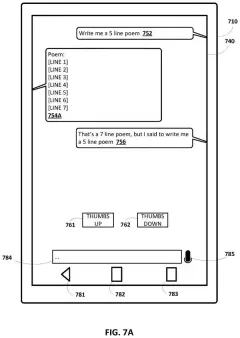
Google Files Patent to Train Giant AI Chatbots on Phones Using Your Corrections
Every time you tell a chatbot 'that's wrong,' you hand its maker a free lesson. This Google patent describes a way to collect those lessons from phones without uploading the conversations themselves.