Latest AI training & infrastructure patents, Page 21
The unglamorous machinery underneath: training methods, inference speedups, model compression, and the scheduling tricks that make AI affordable to run.
- in the Nov 19 release
- 8
- in November so far
- 22
- filings tracked
- 324
- last 90 days
- 123
Recent filings
Newest first · 324 total-
Nvidia · Published Jun 18
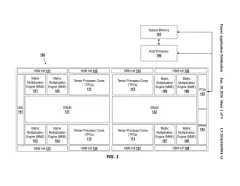
Nvidia Patents a Method to Stop AI Chips From Waiting on Shared Data
When you're training a massive AI model across hundreds of chips, the slowest part is often just moving data around. Nvidia's new patent tackles that by strategically copying the right data to the right places — before the chips even ask for it.
-
Nvidia · Published Jun 18
Nvidia Patents a System That Moves AI Models Between Chips Mid-Task
Most AI systems are locked to a specific chip once they start running. Nvidia is patenting a way to shuffle pieces of a neural network between different hardware in real time — while the AI is actively working.
-
Samsung · Published Jun 18
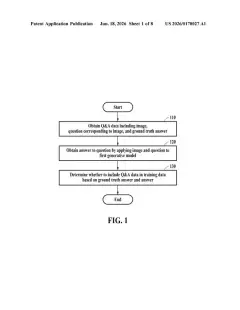
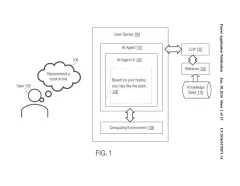
Samsung Patents a System That Makes AI Grade Its Own Homework
Samsung is patenting a method where an AI model acts as its own quality inspector — reading image-question pairs and deciding which ones are actually worth learning from.
-
Samsung · Published Jun 18
Samsung Patents a Robot Arm That Retrains Itself When It Fails
Most robots fail silently — they just stop or repeat the same wrong move. Samsung's new patent describes a robot arm that notices when it's underperforming and automatically goes back to school.
-
IBM · Published Jun 18
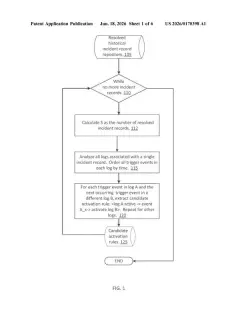
IBM Patents an AI That Decides Which Server Logs to Switch On Before Things Break
Server logs are like security cameras — you only wish you'd turned them on after something goes wrong. IBM's new patent tries to fix that by training an AI to predict which logs you'll need before a problem even starts.
-
IBM · Published Jun 18
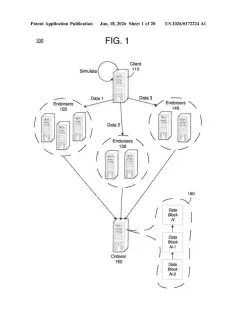
IBM Patents Technology to Catch Errors in Self-Teaching Software as It Learns
AI models are only as trustworthy as the data they learn from — and right now, there's no standard way to prove that training happened cleanly. IBM wants to use a blockchain network to audit each step of an AI's training as it happens.
-
IBM · Published Jun 18
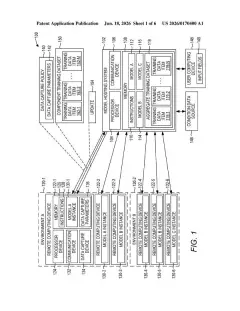
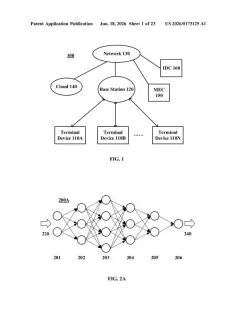
Red Hat Patents a Way to Tell Remote Devices What Data to Collect for AI Training
Training an AI model usually means hauling enormous amounts of raw data to a central server. Red Hat's new patent flips that — instead of pulling data in, it sends instructions out, telling each remote device exactly what to collect and how.
-
Qualcomm · Published Jun 18
Qualcomm Patents an AI That Finds the One Photo That Doesn't Belong
Every photo app has a 'delete duplicates' button, but Qualcomm is patenting something different: an AI that looks at a whole batch of images and figures out which single photo is the odd one out — automatically.
-
Intel · Published Jun 18
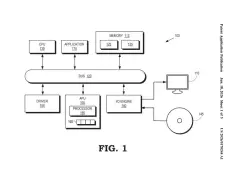
Intel Patents a System That Keeps AI Tasks Running in the Right Order Across Different Chips
AI models spend a huge chunk of their processing time on a single operation called 'attention' — and Intel has patented a way to split that work across different types of chips without wasting any of them waiting around.
-
Salesforce · Published Jun 18
Salesforce Patents a Way to Train AI on Fictional People and Their Fake Friends
Salesforce has patented a way to teach AI about human relationships and personal traits — by inventing an entirely fictional social network first, then training on the fake conversations those fictional people have.
-
AMD · Published Jun 18
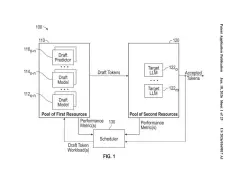
AMD Patents a Way to Find the Sweet Spot in How AI Checks Its Own Work
AMD has filed a patent for a system that figures out the optimal number of "guesses" a small AI model should make before a larger one checks its work — squeezing more speed out of the same hardware without manual tuning.
-
Sony · Published Jun 18
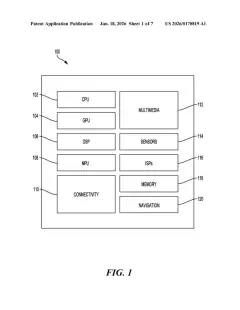
Sony's New Patent Splits Heavy AI Work Across Several Phones at Once
Running a heavy AI model on a phone is slow and drains the battery fast. Sony's new patent describes a way to break that model into pieces and run those pieces across several devices at the same time — like a relay race for AI processing.