
Google
Google · AI / ML · Filed May 15, 2025 · USPTO published Nov 19, 2026 · This week's release
Google Files Patent for Photo Search That Suggests Questions Before You Type
You open a photo, tap search, and a list of suggested questions about that photo appears before you type a word. This Google patent application describes how to build that list quickly, using several AI models at once.
- Publication number
- US 2026/0368255 A1(US20260368255A1)
- Applicant
- Google LLC
- Filed · Published
- May 15, 2025 · Nov 19, 2026
- Inventors
- Kaan Yucer, Cindy L. Huynh
- Status when we published
- Rejected again; the company can still amend or appeal
- Document
- 20 claims
- US classification
- 707/767
- Examiner
- CAO, PHUONG THAO (Art Unit 2164)
What Google's photo search suggestions do
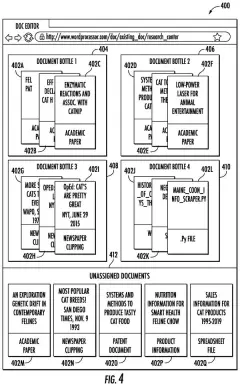
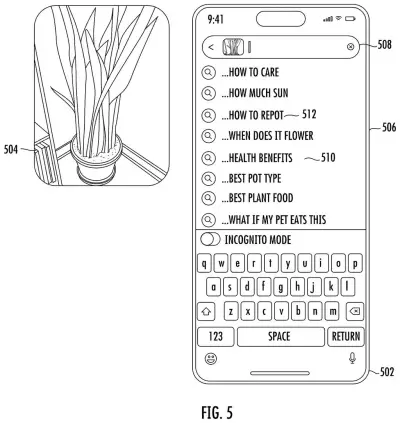
You're looking at a photo of a pair of shoes and you tap the search bar on your phone. You're curious about them, but you're not sure what to ask, or what the app can even answer. Before you type a word, a short list of suggested questions drops down below the box.
That list is what this Google patent application is about. When you tap search, the system turns your photo into a description a computer can work with, then hands it to several different AI models at once. Each one gets a different version of the request and comes back with its own ideas, so you get variety without a long wait. If you start typing, the list updates with every letter.
Google also describes a cheap way to teach these models. People write example questions for a small set of made-up images, and an AI helper stretches that into a much bigger pile of practice material.
… providing, by the computing system, each model input in the plurality of model inputs to a particular query suggestion model in a plurality of distinct query suggestion models simultaneously …
Translation: The system feeds different versions of the photo into several suggestion tools at the exact same time.
How several AI models answer at the same time
When you select search inside an app that shows an image or video, the system first creates a stand-in for what you're looking at. That can be an embedding (a long string of numbers that captures what the image contains, so a computer can compare it with other images) or a short text description, such as "an Olympic athlete poses with her gold medal." If you highlighted part of the picture, only that part is used.
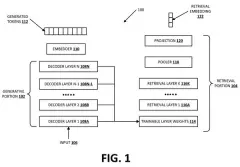
Next, the system builds several model inputs, each with different content, and sends each one to a different suggestion model, all at the same time. The inputs can also carry letters you've already typed and background about you, such as past activity. Running the models side by side is what keeps the wait short.
A cleanup step then tidies the combined results:
- Near-duplicate suggestions are removed.
- The rest are ranked for correctness, how information-seeking they are, and variety.
- If you've typed letters like "CA," suggestions are checked against them.
A separate claim covers training. A teacher model (an AI that learns from a few human-written examples, then writes many more) is trained on made-up images with human-written questions. Its output is combined with past search logs and used to train the suggestion model. The logs often lack the original images, so similar stand-in images are matched to them.
The system receives a plurality of query suggestions from the plurality query suggestion models operating in parallel.
Translation: It then gathers search ideas from all those different tools running side by side.
What this means for searching from your photos
If you've ever stared at a photo and couldn't think what to ask, this is the situation Google is addressing. The filing says people often don't know everything an image search app can do, so a list of suggested questions can save typing and point you to features you would have missed. Because the models run side by side, the list is meant to appear quickly instead of making you wait.
The patent examiner has issued a final rejection of this application, so nothing is settled. Google can still amend the claims or appeal. It remains a patent application, and nothing in it says a product is on the way.
That makes this Google's 42nd filing we've tracked since May in our AI models that work in teams watchlist, adding to work like an AI content referee and a small AI sidekick for chatbots.
Source: US 2026/0368255 A1 at the USPTO (PDF). Full patent text and figures are in the official publication.
Get our take in your Top Stories
Liked this breakdown? Add Patentlyze as a preferred source on Google, and our plain-English take shows up more often in your Top Stories the next time Google patent news breaks.
Add Patentlyze on Google
One click.
There are more where this came from
We read every patent application Big Tech publishes and send you the ones worth knowing. Plain English, free, every week.
The drawings · 14 sheets
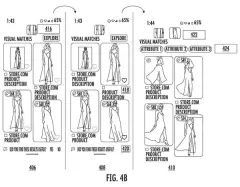
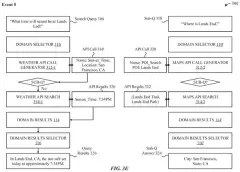
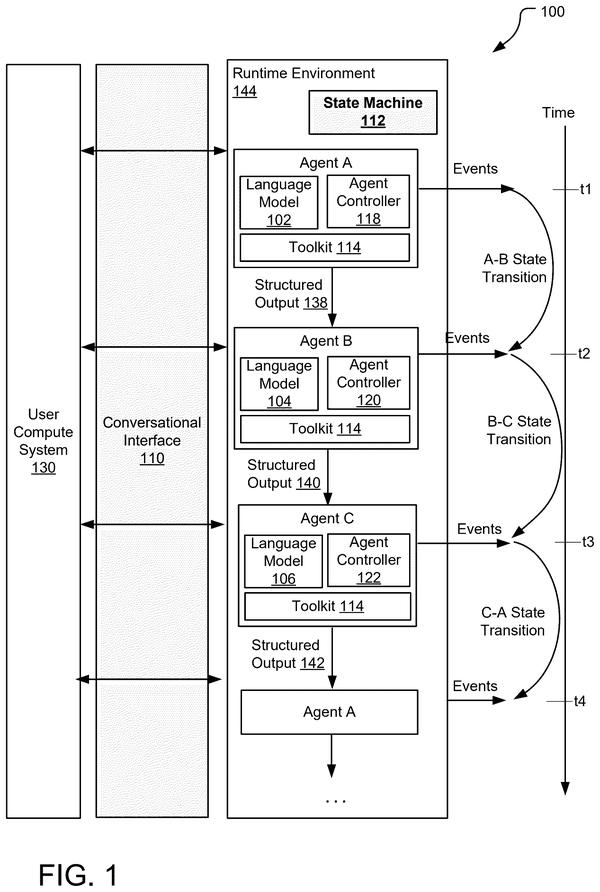
14 drawing sheets from US 2026/0368255 A1 · click any drawing to enlarge


Show the other 6 sheets


More from Google
All 1,127 Google patents →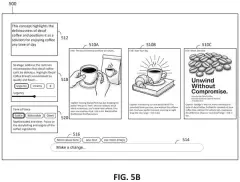
More in AI / ML
All 2,738 AI / ML patents →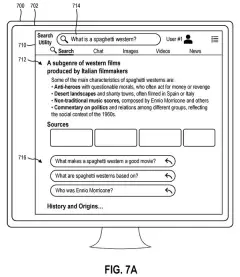
Microsoft
Microsoft Files Patent for AI Search Suggestions Written by Several Models at Once
Disney
Disney Patents an AI Search System That Breaks Complex Questions Into Pieces
Microsoft
Microsoft Files Patent for a Search Engine That Picks the Best AI Answer Format
Apple
No comments yet