
Qualcomm Patents a Shortcut That Lets Chips Talk Without Clogging Shared Bandwidth
Every time two chips in a server need to swap data, they often have to route it through a shared highway that every other chip on the board also uses. Qualcomm's new patent describes a way to let chips talk directly, skipping that crowded highway entirely.
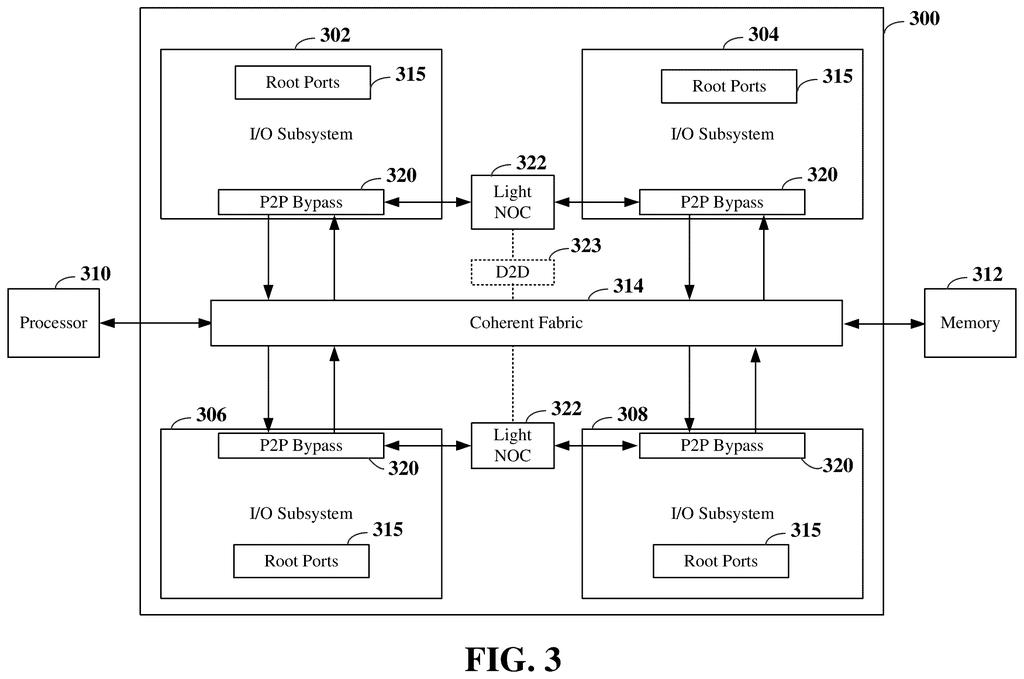
What Qualcomm's chip-to-chip bypass actually changes
Every time a graphics card or AI accelerator needs to hand data off to another card, that data typically travels through a shared internal highway inside the chip system, a route that every component on the board competes to use. When traffic gets heavy, everyone slows down.
Qualcomm's patent describes a way to detect when two chips are talking only to each other, and, when that's the case, route the data on a private shortcut instead. The shared highway stays clear for everyone else, the two chips finish faster, and the system needs less temporary storage to hold data while it waits in traffic.
This isn't about your phone getting faster in any obvious way. It's an under-the-hood improvement aimed at the kind of dense chip setups you find in data centers, AI training servers, and high-end computing hardware, places where dozens of chips are constantly exchanging enormous amounts of data and every millisecond of delay adds up.
… determining whether a second device is within a P2P address range; and in response to determining that the second device is within the P2P address range, sending the data packet to the second device bypassing a coherent fabric.
Translation: The chip checks if two devices are close enough to talk directly and then lets them bypass the main system traffic lane.
How the router decides when to skip the shared fabric
The patent centers on a standard called PCIe (Peripheral Component Interconnect Express), the protocol that lets chips, graphics cards, storage drives, and other components talk to each other inside a computer or server. In large systems, these components all share a central routing layer called a coherent fabric, essentially a managed switchboard that keeps everyone's data organized and consistent.
The problem is that when two PCIe devices are only talking to each other (what engineers call peer-to-peer, or P2P, traffic), their data still has to pass through that shared switchboard. This wastes bandwidth and slows down every other device waiting in line.
Qualcomm's method adds a detection step. When a data packet arrives, the system checks whether the destination chip falls within a pre-defined P2P address range (a reserved block of addresses flagged as belonging to devices that can receive direct traffic). If yes, the packet takes a direct path, bypassing the coherent fabric entirely.
The claimed benefits are three-fold:
- Lower latency: data arrives faster because it skips queuing at the central switchboard
- Higher bandwidth: the shared fabric is freed up for traffic that actually needs it
- Reduced buffering cost: less temporary storage is needed to hold packets waiting their turn
Aspects of the disclosure provide techniques for utilizing peer-to-peer (P2P) bypass techniques to reduce oversubscription of a coherent fabric due to P2P traffic and the impact on other initiators of the data traffic.
Translation: This method prevents direct device communication from clogging the main data highway used by other parts of the processor.
What this means for AI chips and high-speed data cards
In AI training and inference systems, dozens of accelerator chips constantly pass large blocks of data back and forth. Today, all of that traffic competes on the same internal highway, and when the highway gets overloaded, the whole system slows, which is an expensive problem at data-center scale where hardware costs millions of dollars and idle time is wasted money. A bypass mechanism like this could make dense chip configurations meaningfully more efficient without requiring new physical hardware.
For Qualcomm specifically, this filing fits into its push to compete in the data-center chip market alongside Nvidia, AMD, and Intel. The patent covers the kind of low-level plumbing improvements that determine whether a chip platform can scale gracefully, and tracking new Big Tech patents in chip interconnect architecture is one of the clearest ways to follow which companies are building data-center ambitions from the ground up.
This is the 42nd Qualcomm filing we've tracked since July in AI chip wars, building on skipping unchanged frames and keeping key frames for AI.
Coherent fabric congestion costs data-center operators measurable money every day. When dozens of chips share a common communication highway and peer-to-peer traffic clogs that highway, every other workload slows down, bandwidth shrinks, and engineers compensate with expensive software workarounds or over-provisioned hardware.
A hardware check that automatically detects when two components are talking directly to each other and reroutes that conversation off the shared highway is a well-matched response to a well-understood pain. The approach targets the root cause rather than patching symptoms at the software layer.
Data-center operators pay for every recovered percentage point of throughput, so even a narrow, focused improvement in how direct-device traffic is handled translates into real operational savings at scale.
Get our take in your Top Stories
Liked this breakdown? Add Patentlyze as a preferred source on Google, and our plain-English take shows up more often in your Top Stories the next time Qualcomm patent news breaks.
There are more where this came from
We read every patent application Big Tech publishes and send you the ones worth knowing. Plain English, free, every week.
The drawings
10 drawing sheets from US 2026/0254870 A1 · click any drawing to enlarge


Want this weekly breakdown for a company we don't cover? Patentlyze Pro →
Be the first to weigh in