
Qualcomm Patents a Hardware Chip That Decides Which Tasks Run First
Every time a processor juggles multiple tasks, software has to stop and figure out what's most urgent. Qualcomm wants a dedicated piece of hardware to do that job instead, cutting the delay at the source.
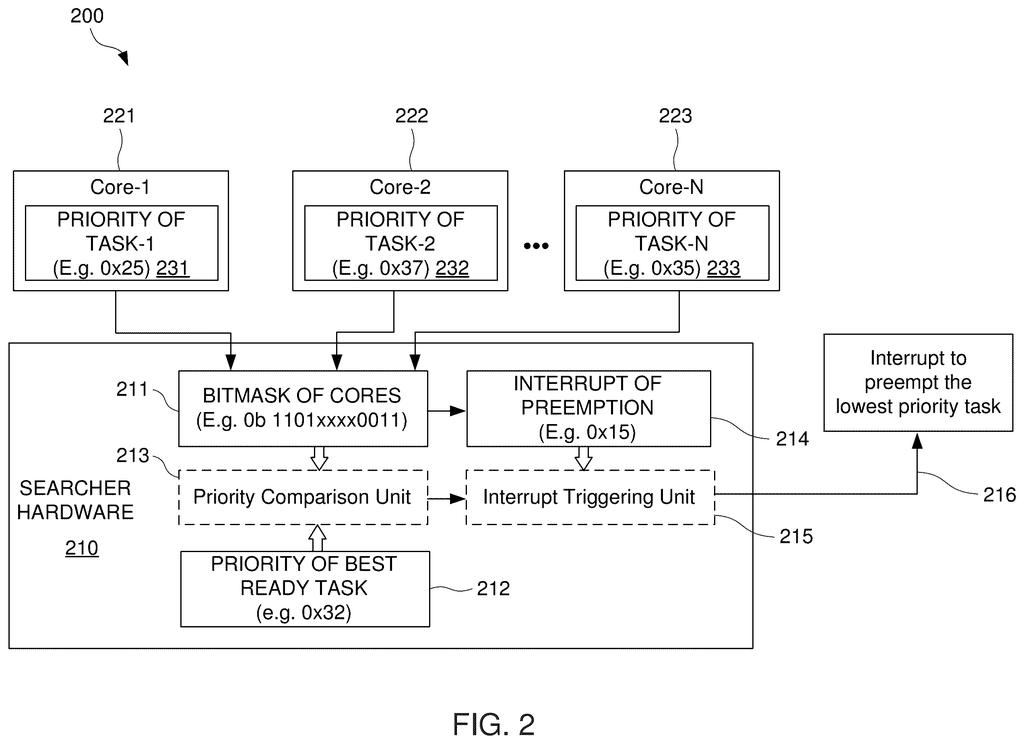
What Qualcomm's hardware task-sorter actually does
Imagine your phone is running dozens of small tasks at once and a high-priority alert arrives, like an incoming call, but the processor is buried in lower-priority work. Before it can respond, the software running the phone has to pause, look through every task, rank them, and then redirect traffic. That takes time, and in real-time systems, time is the whole game.
Qualcomm's patent describes a hardware circuit that watches all the processor cores simultaneously and automatically spots when a higher-priority task is stuck waiting while a lower-priority one is hogging a core. It then fires an interrupt, basically a tap on the shoulder, telling the core to drop what it's doing and switch to the more urgent job.
The key shift is that none of this goes through software. The scheduling decision happens in dedicated silicon, which means the response is faster and the main processor cores stay free to do actual work rather than administrative housekeeping.
… comparing each of a plurality of executing priority values associated with a plurality of executing tasks for each of the searchable set of processing engines against the highest priority value to determine if a preemption interrupt should be generated; …
Translation: The chip checks running tasks against waiting tasks to see if something more important needs to cut in line.
How the hardware scanner picks and interrupts running tasks
Modern chips, especially the kind inside phones, modems, and connected devices, run a real-time operating system (RTOS), software designed to handle tasks with strict timing requirements. The RTOS includes a scheduler, the piece of code that constantly decides which task runs on which processor core. The problem is that as the number of cores grows, the scheduler has to check more and more things in software, adding overhead and delay.
Qualcomm's patent proposes moving a chunk of that scheduling work into dedicated hardware. The system works in three steps:
- Scan for the highest-priority pending task across a defined set of processor cores, using a hardware circuit rather than software code.
- Compare that priority level against every task currently executing on every core in the group.
- Issue a preemption interrupt (a forced pause) to whichever running task has the lowest priority, freeing that core for the more urgent job.
Preemption is the act of kicking a lower-priority task off a core mid-run so something more important can take over. Doing this in hardware means the decision is made in hardware clock cycles rather than the many software instructions a traditional scheduler would need. The patent covers a searchable set of processing engines, meaning the hardware can be configured to watch a specific group of cores rather than the entire chip.
Aspects of the disclosure are directed to a hardware-assisted real time operating system (RTOS) task scheduler.
Translation: Qualcomm has designed a physical chip component dedicated solely to managing task schedules.
What this means for chips in phones and connected devices
For most consumer devices, the gap between a software scheduler and a hardware one is measured in microseconds. But in real-time systems, those microseconds carry real consequences. Think of wireless modems processing radio signals, automotive chips managing safety sensors, or industrial controllers timing physical machinery. A late response in any of those contexts can mean a missed deadline with physical or safety implications, not merely a slower user experience.
Qualcomm supplies the chips inside a huge share of the world's smartphones and wireless modems, and this kind of scheduling work sits at the core of how those chips manage competing demands. This patent, covering hardware-assisted RTOS scheduling across multi-processor architectures, sits within a broader wave of filings that Big Tech patent news has tracked as processor core counts keep climbing and real-time performance requirements grow tighter. Whether or not this specific approach reaches production silicon, it reflects genuine engineering pressure on a problem that only gets harder as chips grow more complex.
Qualcomm's 35th filing we've tracked in our AI chip wars watch since July adds to a run that includes memory chips handling multiple jobs and phones reporting their AI capacity.
Software schedulers fail under load, and in systems where timing governs whether a call drops, a sensor reading gets processed, or a safety signal gets through, that quiet failure has immediate, tangible consequences. Qualcomm's approach of moving priority evaluation and preemption decisions into dedicated hardware directly addresses how severe that timing pressure can be across multiple processors running simultaneously. The scale of the solution matches the scale of the stakes.
There are more where this came from
We read every patent application Big Tech publishes and send you the ones worth knowing. Plain English, free, every week.
The drawings
4 drawing sheets from US 2026/0244483 A1 · click any drawing to enlarge


Want this weekly breakdown for a company we don't cover? Patentlyze Pro →
Be the first to weigh in