What the filings show
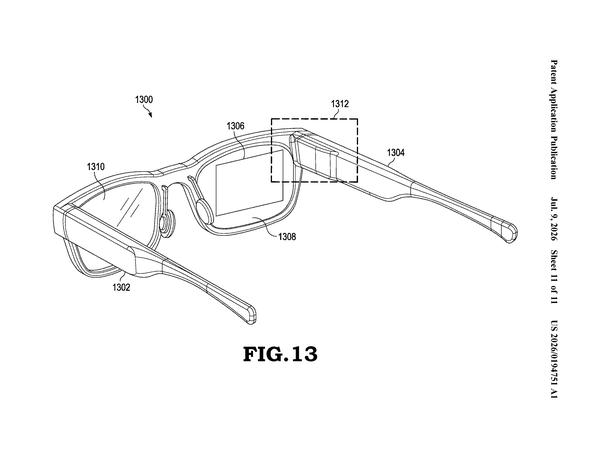
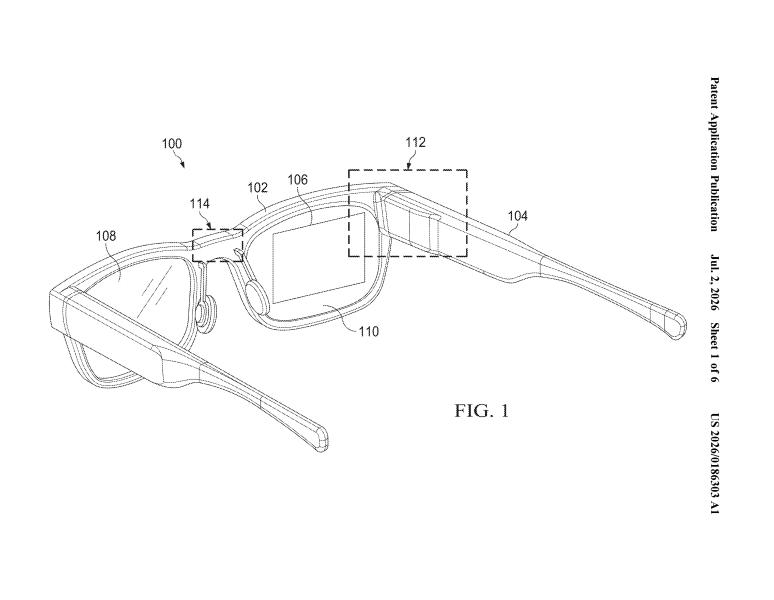
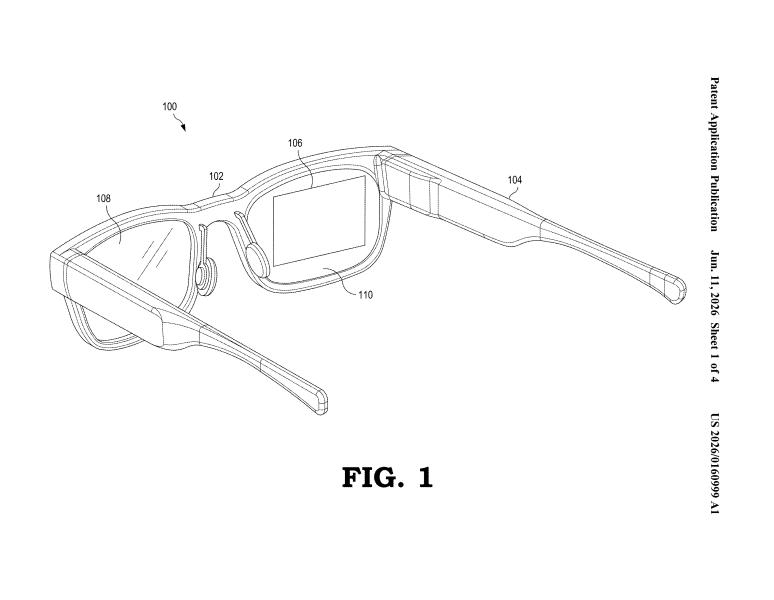
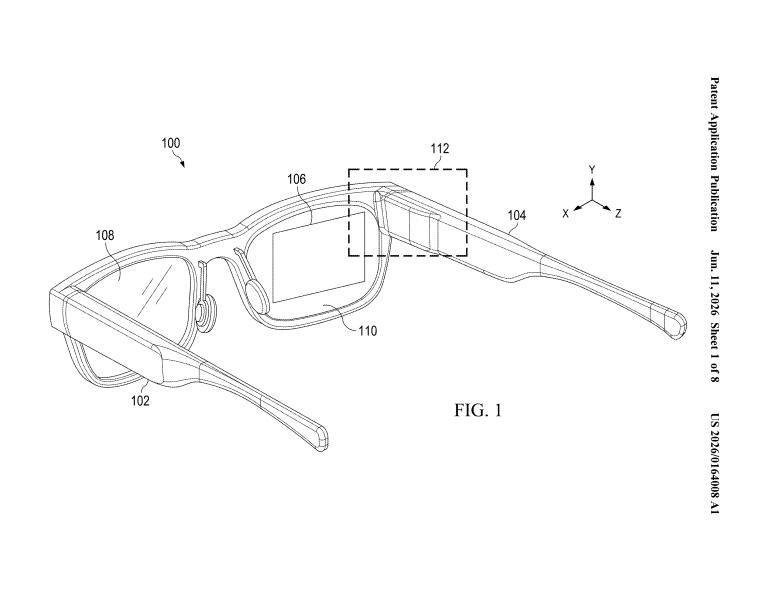
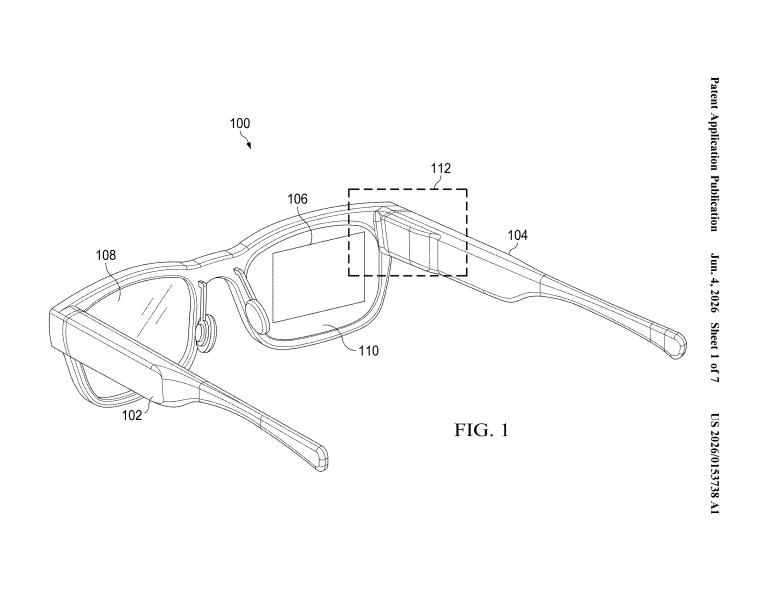
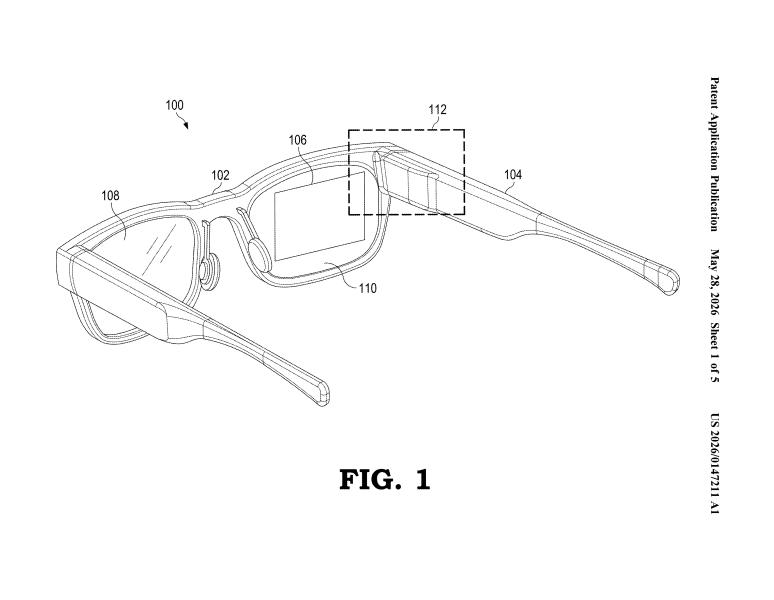
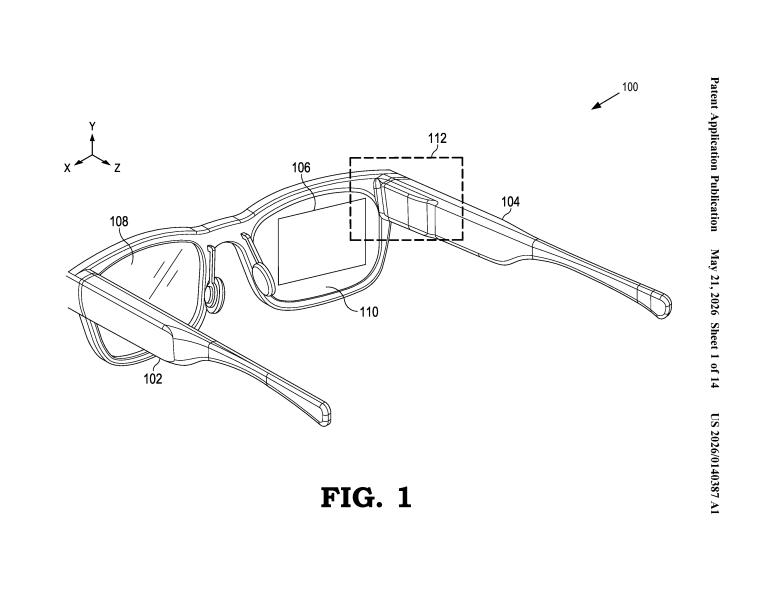
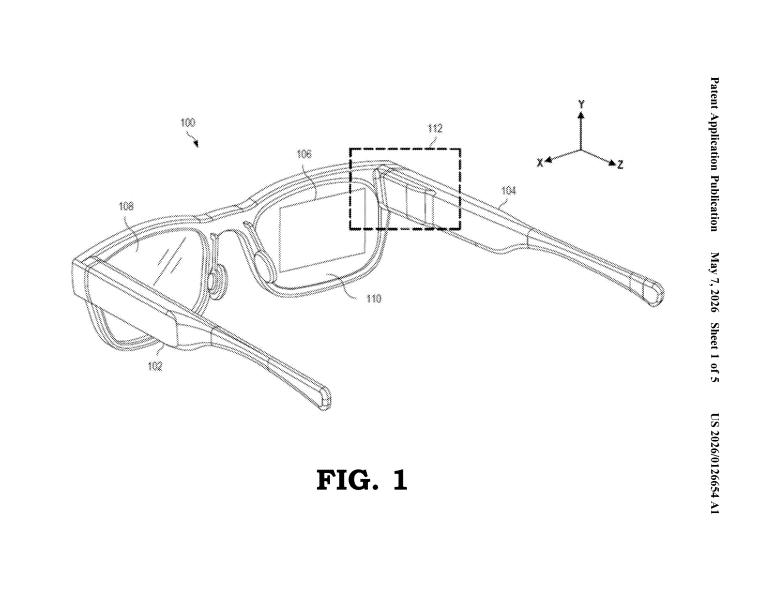
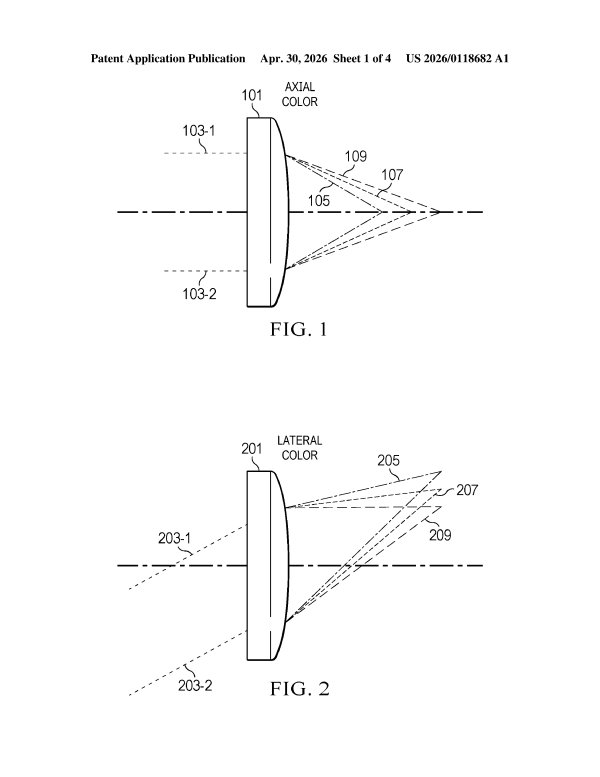
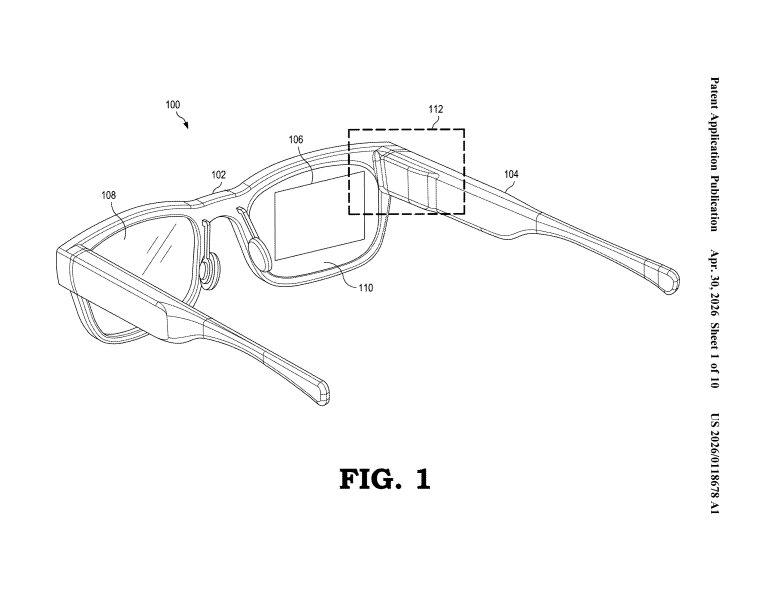
Most filings in this storyline focus on the waveguide itself: getting light into a thin lens and out again without artifacts. Color-correcting lens systems fix rainbow fringing, dual-pupil prisms and curved lightguides work on delivering bright, full-color images without bulky optics, and overlapping reflective facet waveguides aim to spread light evenly across the lens. A time-multiplexed display patent shows Google trying to raise resolution without adding more physical pixels.
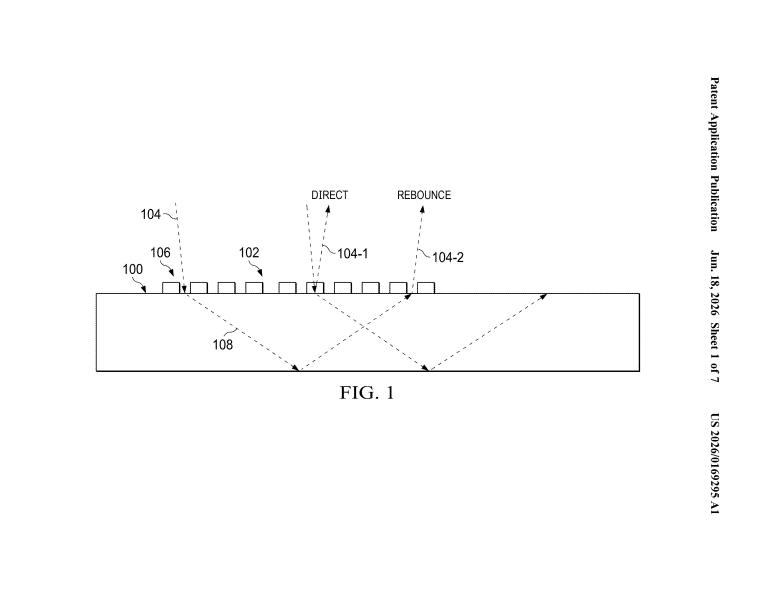
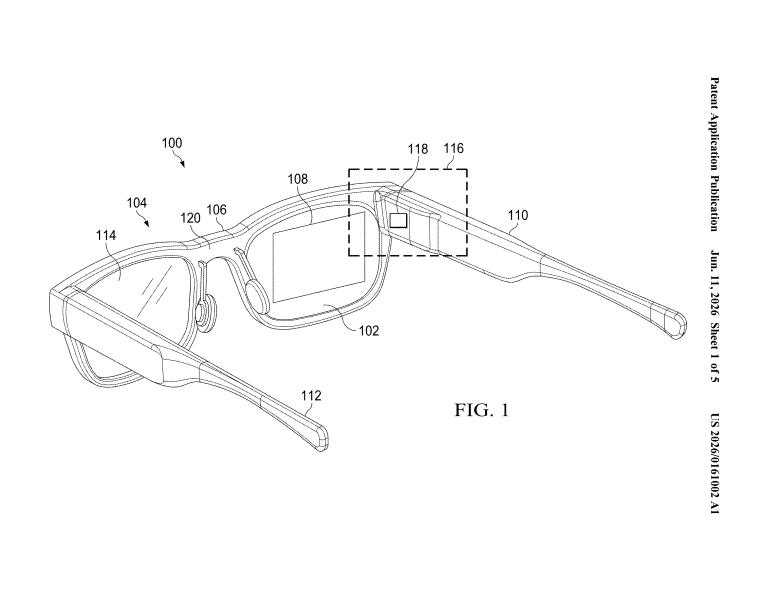
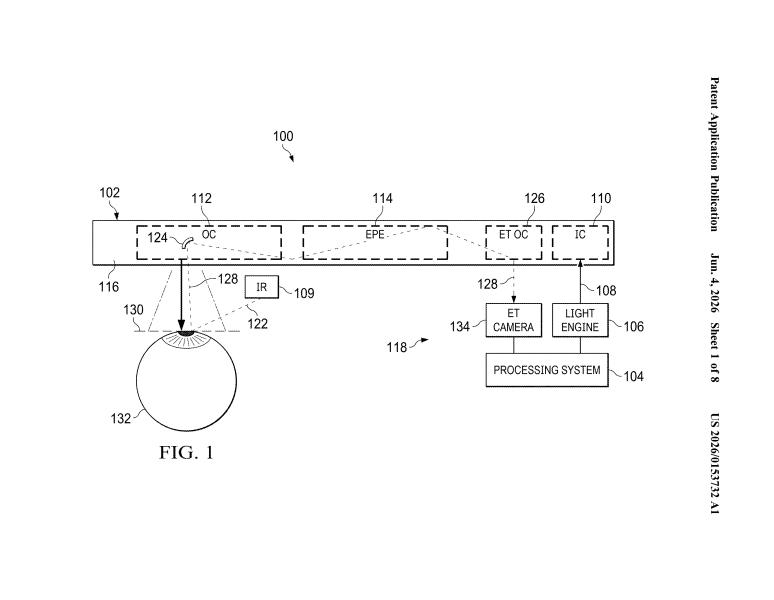
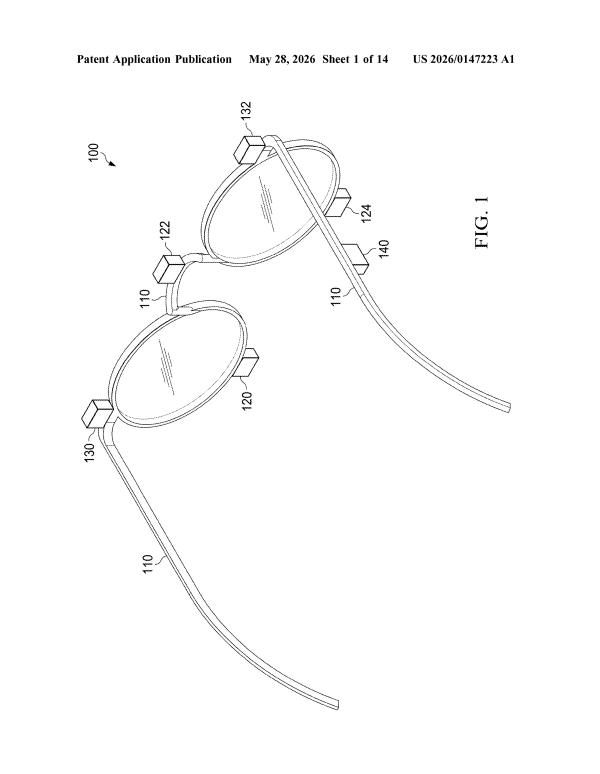
A second cluster deals with manufacturing and light efficiency. The pre-assembly calibration system addresses misalignment between cameras, displays, and sensors before glasses are even assembled, and the dual LCoS light engine targets wasted light in the display path. Other filings go after stray light directly: one patent stops ghost images before they reach the eye, and another lets glasses track eye movement without a visible camera, hiding the sensor inside the waveguide itself.
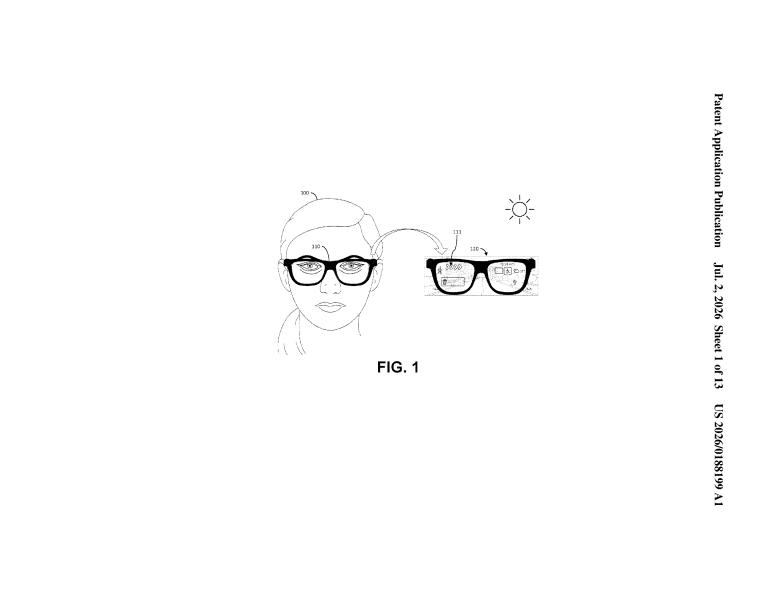
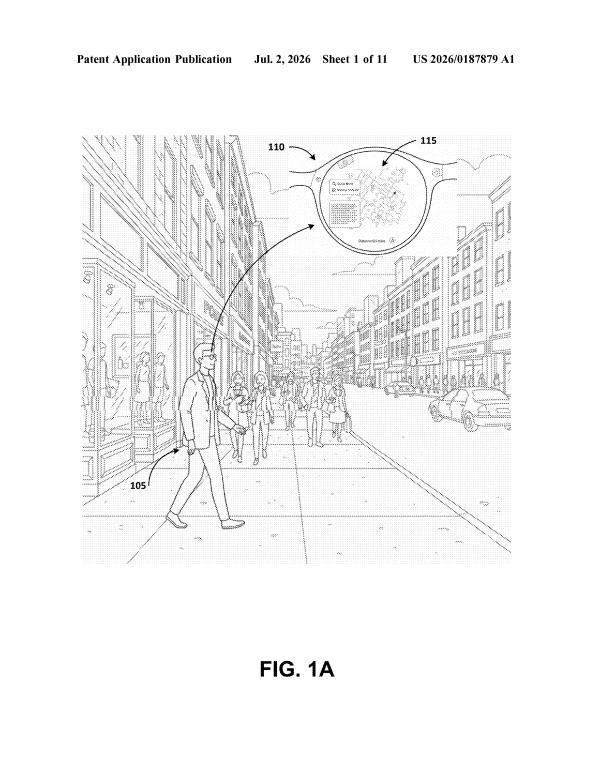
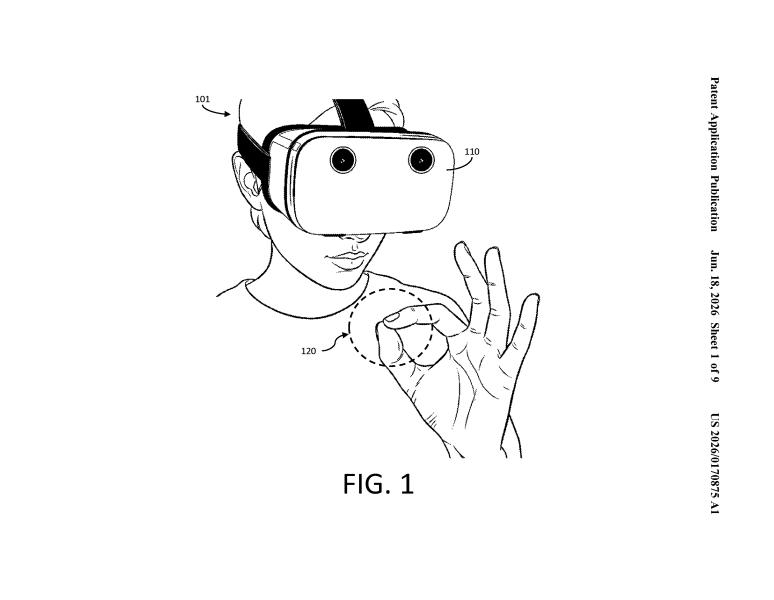
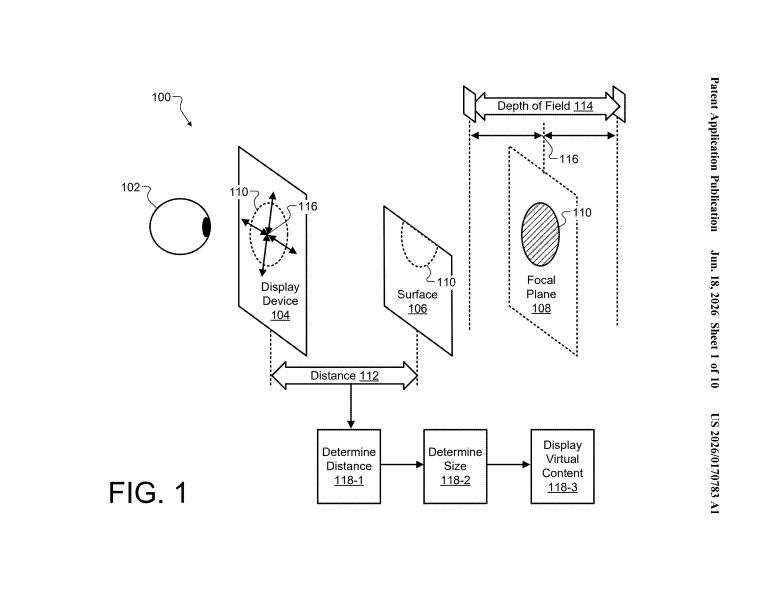
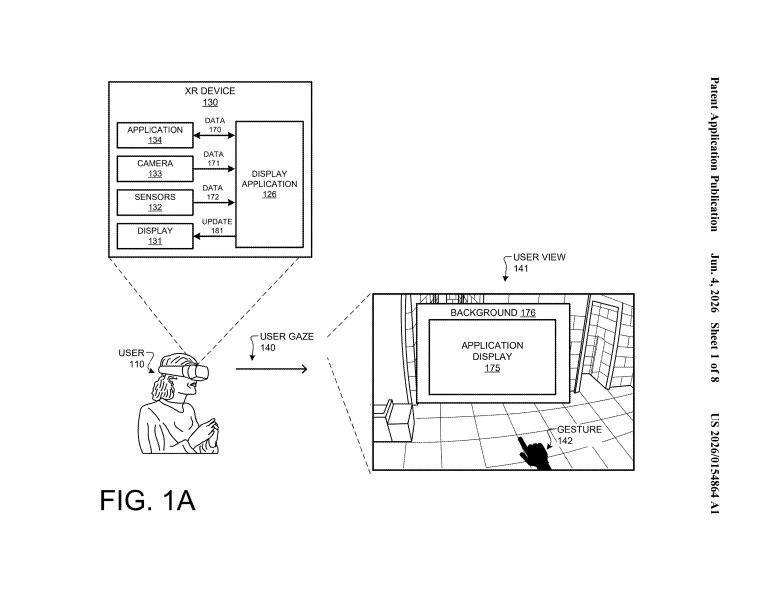
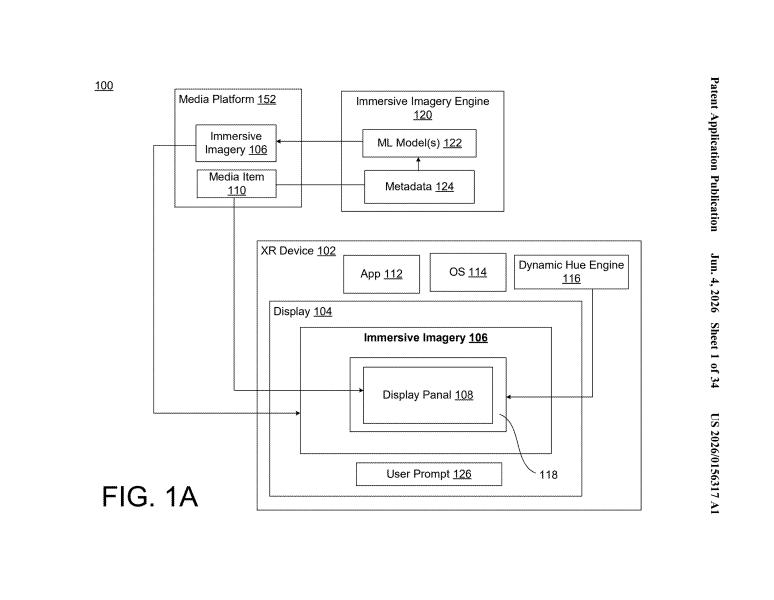
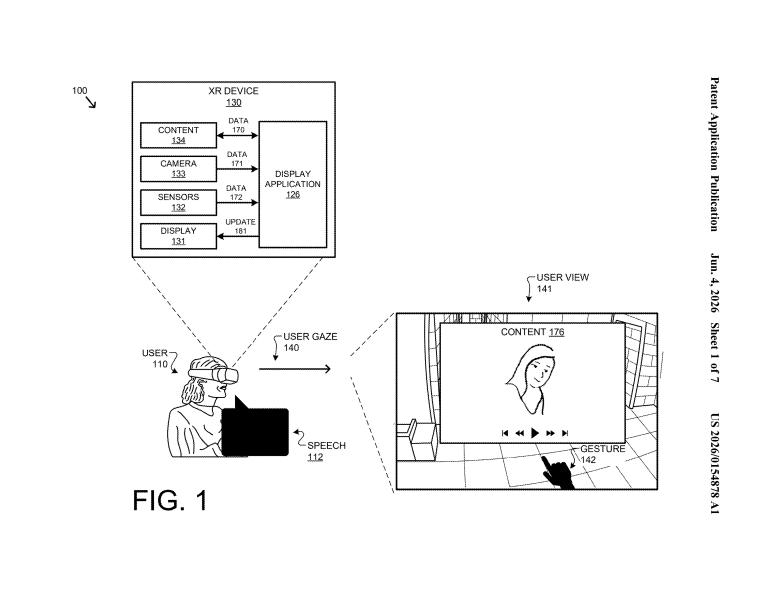
A smaller set of filings looks past the lens toward how AR glasses fit into daily use. One patent keeps text readable against bright or cluttered backgrounds, another lets an XR headset tell a streaming app where and how to place its screen, and a third describes an AI that can answer questions about whatever a wearer is watching. Read together, they suggest Google is pairing the optics work with software that assumes the hardware problems get solved.
Questions readers ask
Is Google actually building smart glasses, or is this just patents?
These are patent filings, not product announcements, so they show what Google's engineers are exploring rather than what's shipping. Still, the pattern across filings like the color-correcting lens system and the curved lightguide points to sustained work on the same hardware problems, which usually means a company is serious about a category even before a product appears.
What problem does Google seem most focused on solving?
Across the filings, the concentration is on waveguide optics: getting bright, color-accurate images into a thin lens while cutting fringing, ghost images, and wasted light. Filings on pre-assembly calibration and light engines suggest Google is also treating manufacturing precision as its own problem, not an afterthought to the optics design.
Do these patents mean AR glasses will be thinner soon?
Patents describe engineering approaches, not release timelines, so they can't confirm when or whether thinner glasses reach shelves. What they do show is Google working on several fronts at once, curved lightguides, dual-pupil prisms, time-multiplexed displays, all aimed at the same goal: fitting a bright, wide image into a slim lens.
Why do so many filings mention waveguides?
Waveguides are the thin pieces of glass or plastic that carry light across an AR lens to your eye, and they're where most of the difficult optical problems show up: color fringing, stray light, uneven brightness. That's why filings on color correction, reflective facets, and curved lightguides all center on the waveguide itself.