
Qualcomm
Qualcomm · AR / VR · Filed Oct 23, 2025 · USPTO published Nov 12, 2026 · This week's release
A New Qualcomm Patent Lets VR Controllers Change Their Lights to Stay Visible
Today's VR controllers often wear a big plastic ring covered in lights so the headset can find them. Qualcomm's patent application drops the ring and lets the controller change its own lights depending on what the headset can see.
- Publication number
- US 2026/0358900 A1(US20260358900A1)
- Applicant
- QUALCOMM Incorporated
- Filed · Published
- Oct 23, 2025 · Nov 12, 2026
- Inventors
- Wentao MAO, Xu ZHANG, Zhaohui ZHANG
- Status when we published
- Waiting for an examiner
- Document
- 20 claims
- US classification
- 345/156
- Parent application
- National Stage Entry of PCT/CN2024/097027 (filed Jun 3, 2024)(PCTCN2024097027)
What Qualcomm's ringless controller lights do
Imagine you're playing a VR game and you step back from your headset to make room. Your controller's lights, packed close together, start to blur into one bright smear in the headset's cameras. The game loses track of your hand, and your sword floats off into space.
Qualcomm's filing describes a controller that handles this on its own. Its small lights are wired up so each one can be switched on or off separately. When you're far away, the controller lights only some of them, spaced out so the cameras can tell them apart. When it's close, it can use them all.
The same trick covers other problems. The controller can briefly change its light pattern to prove to the headset that it's the real controller and not a stray lamp in the room. It can also turn off lights facing away from the camera to save battery.
… adaptively adjust a pattern of the plurality of light sources to enable an object-tracking system to track the body based on images of the plurality of light sources …
Translation: It changes how its lights shine so cameras can keep track of it.
How the controller and headset trade signals
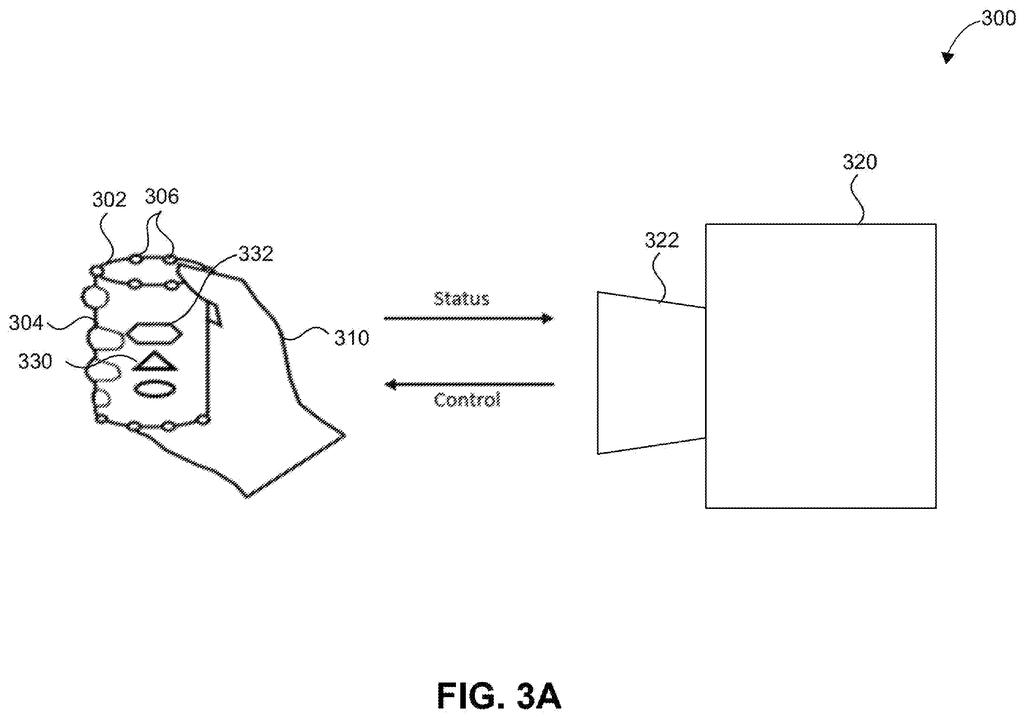
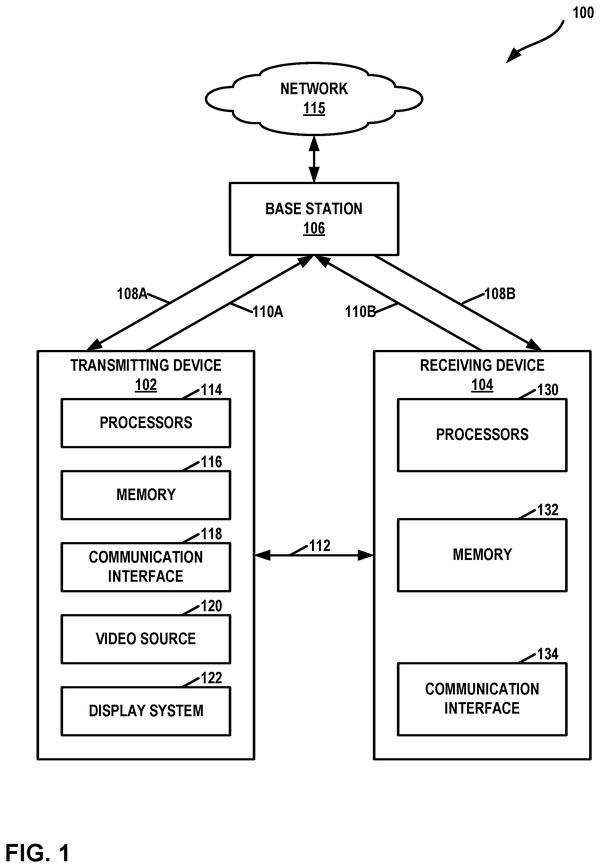
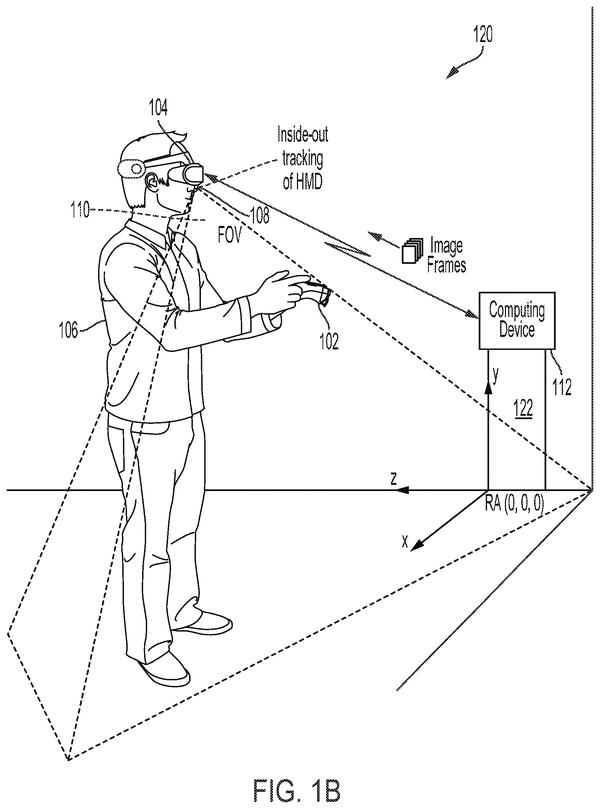
The claims cover a handheld device with a grip, several light sources on its body, and a processor that controls those lights so a tracking system (such as a headset's cameras) can follow the device from images of the lights. The first independent claim adds that the processor adaptively adjusts the pattern of lights. A separate claim covers the camera side: capturing images of a tracked object, communicating with it, and working out its pose (position plus orientation, meaning where it is and which way it's pointing).
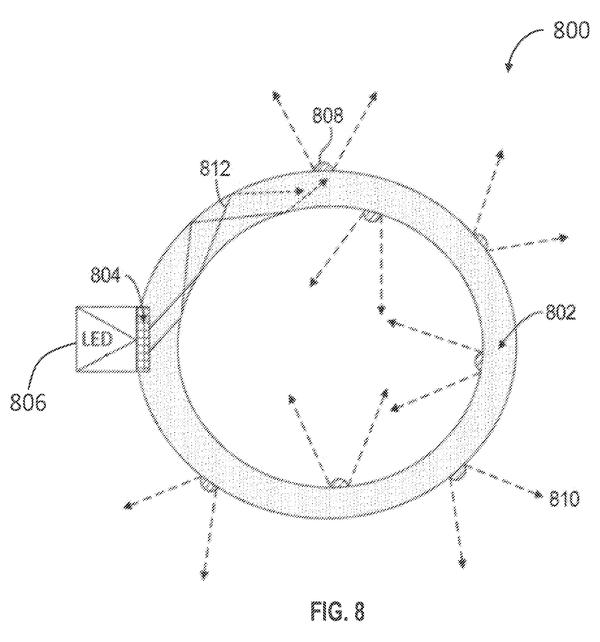
The description says each light can be controlled independently, rather than all sharing one circuit. The processor can change which lights are lit, their timing, their brightness and their color. The lights can be LEDs giving off visible, near-infrared or infrared light.
The filing describes several modes:
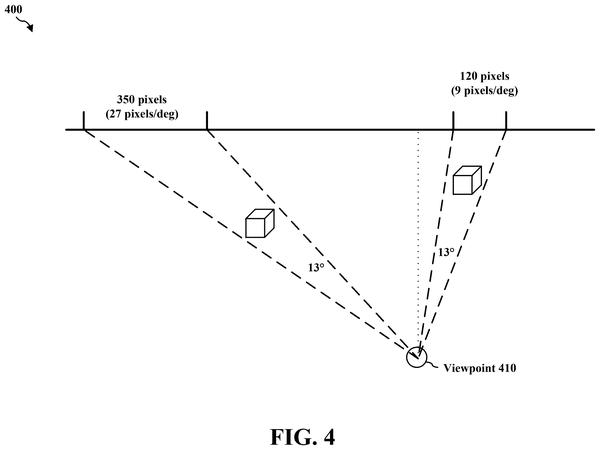
- Sparse mode: beyond a distance threshold (the example given is 5 meters or more), fewer, more widely spaced lights are lit so they don't merge in the image.
- Verification mode: the headset tells the controller it is checking it, the controller switches patterns, and the headset confirms the pattern changed. If it didn't change, the detection was a false alarm.
- Energy-saving mode: lights that can't be seen by the camera are turned off or dimmed once tracking is confident.
The controller can also match its flashing to the camera's frame rate. When few lights are visible, the headset can fall back on the position of the hand holding the controller and on the controller's motion sensor to keep its estimate going.
… determine a pose of the tracked object based on the plurality of images of the tracked object …
Translation: It figures out the exact position and angle of the controller from photos.
What this means for VR controllers you carry
If this approach works, VR controllers could lose the protruding ring. The filing complains that rings are bulky, hard to put in a pocket, and get in the way when both hands hold a controller. A smaller, ringless controller is easier to carry and use.
It also hints at fewer glitches: a controller that is lost at a distance, confused by another player's controller, or mistaken for a lamp is a common irritation. Lights that dim when they aren't needed could also stretch battery life between charges.
Qualcomm's 62nd filing we've tracked in the AR glasses race since July adds to a body of work that includes offloading 3D calls via network and trimming blurry VR edges.
Source: US 2026/0358900 A1 at the USPTO (PDF). Full patent text and figures are in the official publication.
Get our take in your Top Stories
Liked this breakdown? Add Patentlyze as a preferred source on Google, and our plain-English take shows up more often in your Top Stories the next time Qualcomm patent news breaks.
Add Patentlyze on Google
One click.
There are more where this came from
We read every patent application Big Tech publishes and send you the ones worth knowing. Plain English, free, every week.
The drawings · 21 sheets
21 drawing sheets from US 2026/0358900 A1 · click any drawing to enlarge


Show the other 13 sheets


More from Qualcomm
All 624 Qualcomm patents →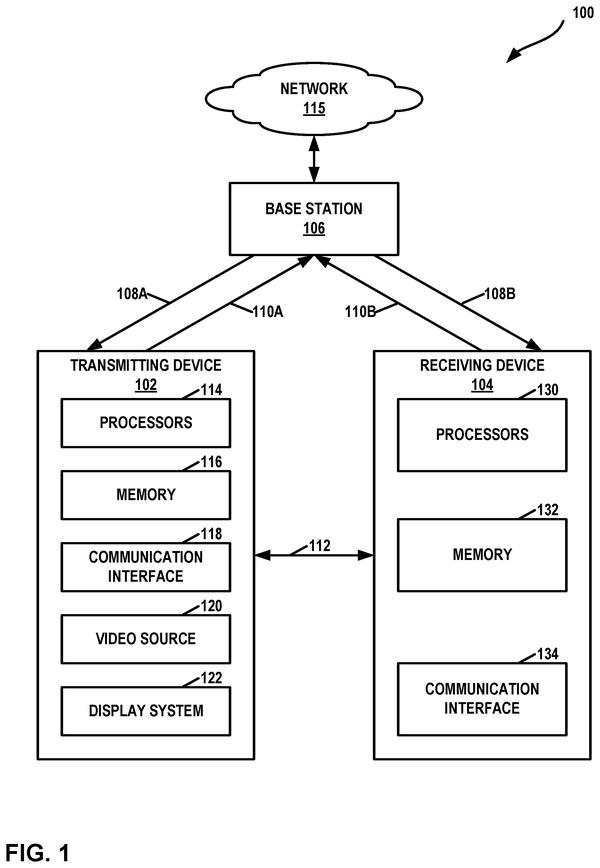
More in AR / VR
All 690 AR / VR patents →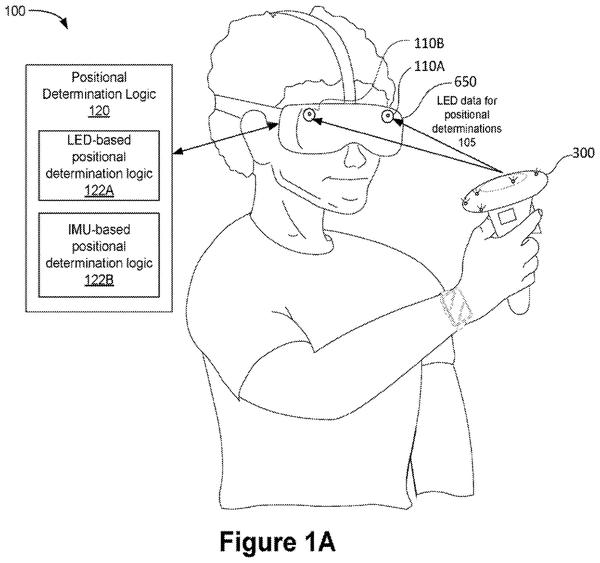
Meta
Meta Patents a VR Controller That Tracks Position Even When Your Fingers Block the Lights
Meta
Meta Files Patent to Track VR Controllers With One Light Instead of Many
Sony
Sony Patents a VR Headset With a Camera Pointed at Your Controller
Meta
No comments yet