Latest AI patents, Page 209
How the biggest tech companies are building AI: language models, assistants and agents, vision, voice, and the systems that train them. The artificial intelligence and machine learning patent applications we have broken down from the companies we track, newest first.
- in the Nov 12 release
- 96
- in November so far
- 188
- filings tracked
- 2,637
- sub-topics
- 10
Recent filings
Newest first · 2,637 total-
Nvidia · Published May 21
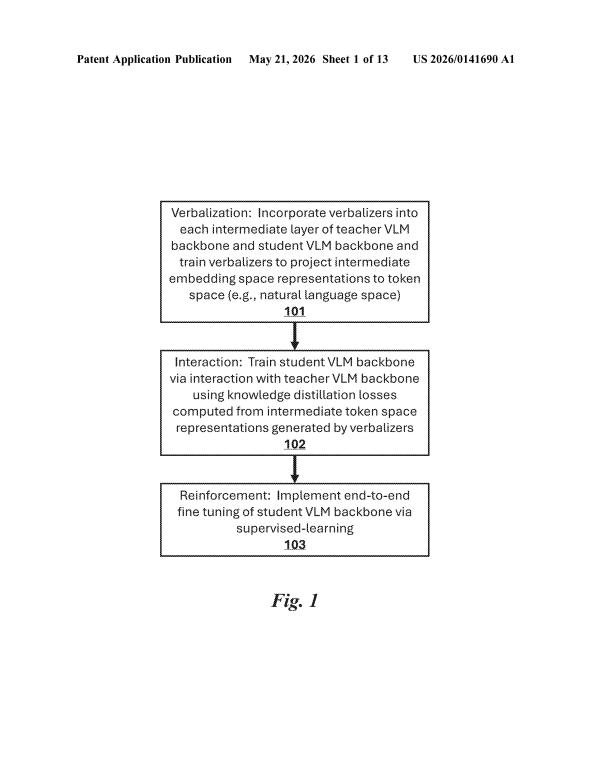
Nvidia Patents a Layer-Wise Method to Compress Vision-Language Models
Training a powerful vision-language model takes enormous compute — but deploying one on a robot, a car, or a modest GPU is a different story. Nvidia's new patent describes a structured way to compress those large models down to size without gutting their capabilities.
-
Nvidia · Published May 21
Nvidia Patents a System That Teaches Robots to Learn From Every Failure
Every time a robot gets stuck and a human has to step in, that intervention is usually lost data — a missed learning moment. Nvidia's new patent tries to capture every one of those moments and turn them into fuel for automatic retraining.
-
Meta · Published May 21
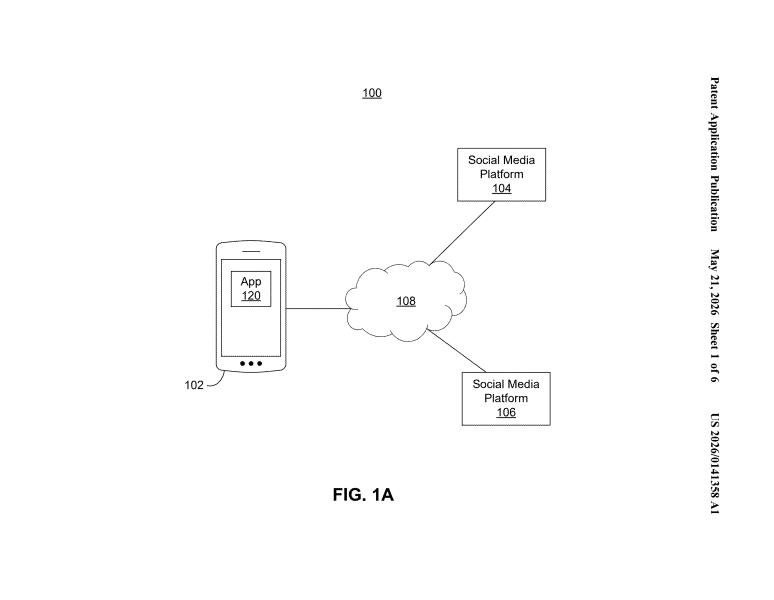
Meta Files Patent for an AI Feed That Aggregates Rival Social Platforms
Meta is patenting a system that could pull content from TikTok, X, Snapchat, and other rival platforms directly into a single AI-curated feed — with Meta's own ads placed strategically in between.
-
Microsoft · Published May 21
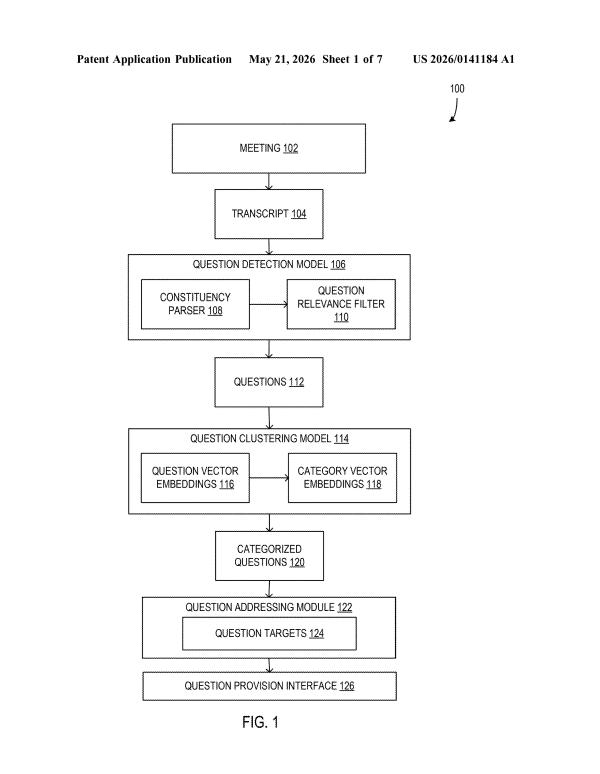
Microsoft Patents an AI System That Routes Meeting Questions to the Right Person
Every long meeting has that moment: someone asks a question, it gets lost in the chat, and the right expert never sees it. Microsoft is filing a patent for an AI layer that automatically detects, categorizes, and routes those questions to whoever should answer them.
-
Microsoft · Published May 21
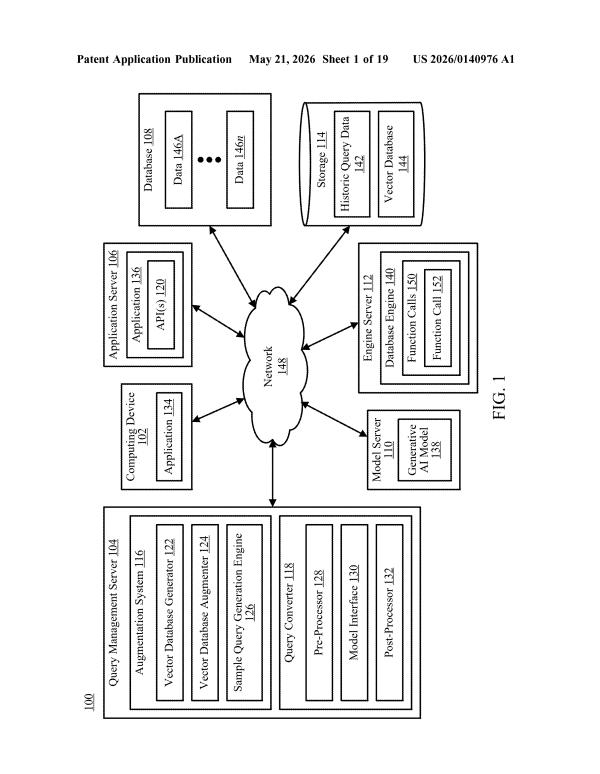
Microsoft Patents a Two-Step AI System That Turns Plain English Into Database Queries
Asking a database a question in plain English sounds simple — but the gap between how humans speak and how databases think is enormous. Microsoft's new patent describes an AI system that bridges that gap in two deliberate steps, using the database itself to fill in what the AI doesn't know yet.
-
Microsoft · Published May 21
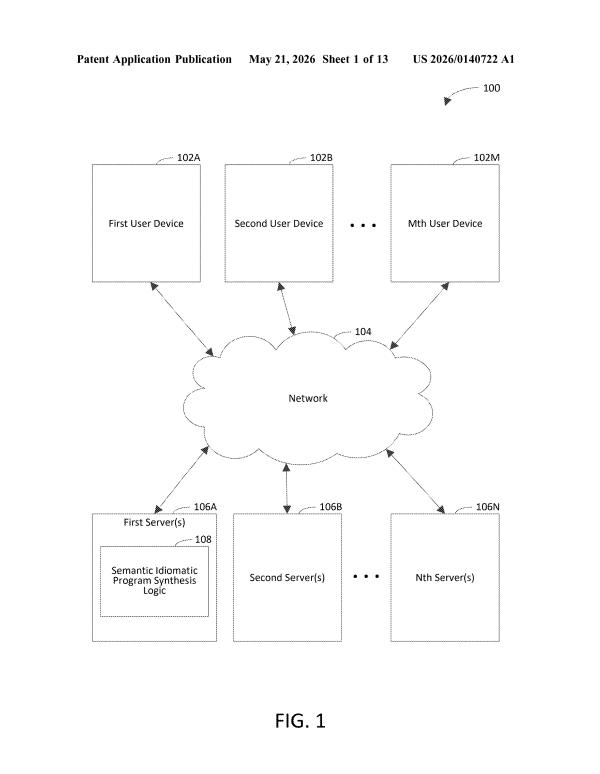
Microsoft Patents an AI System That Writes Readable Code From Your Examples
Instead of generating cryptic, unreadable code, Microsoft's new patent describes a system that watches what inputs and outputs you want — then synthesizes a program that looks like a real developer wrote it, complete with idiomatic functions and human-readable variable names.
-
Waymo (Google) · Published May 21
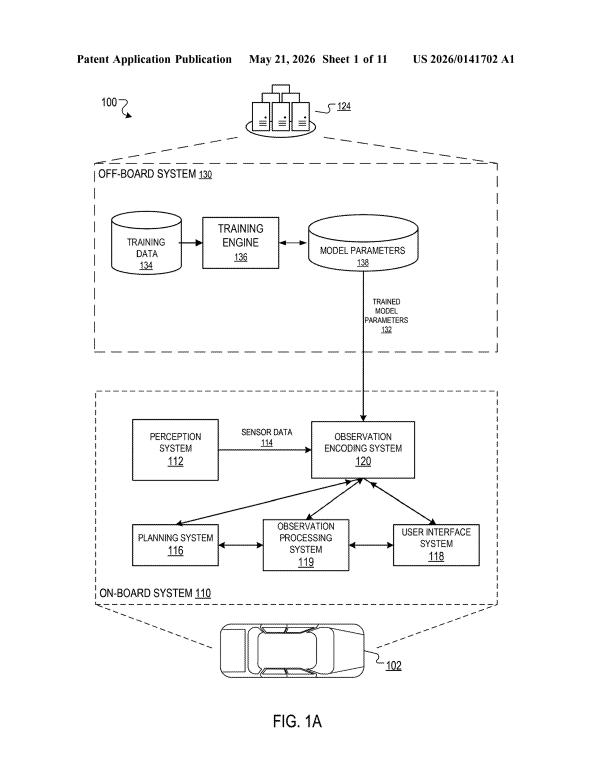
Waymo Patents Contrastive Learning to Align Self-Driving Sensor Data with Language
Waymo's latest patent trains its autonomous vehicle sensors by teaching them to agree — not just with each other, but with natural language descriptions of what they're seeing. It's a clever way to squeeze more meaning out of raw sensor data.
-
Waymo (Google) · Published May 21
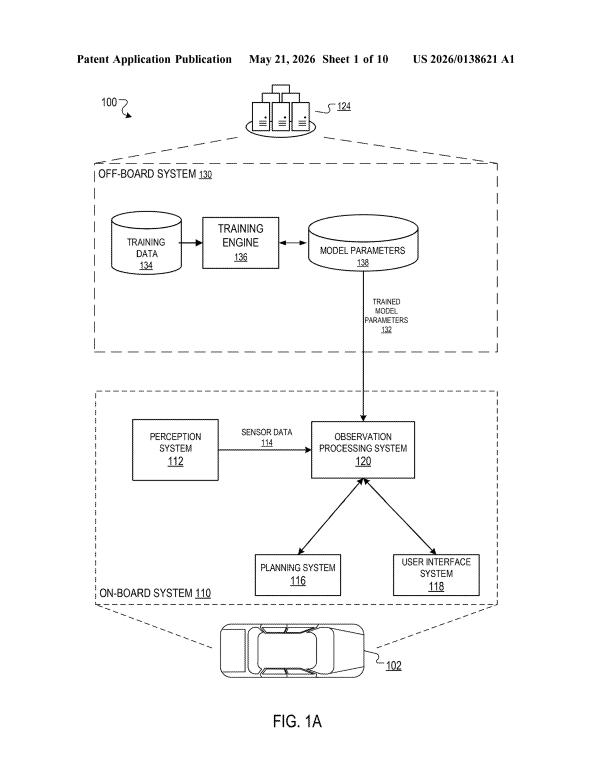
Waymo Patents an On-Board Vision-Language Model That Answers Questions About the Road Ahead
Waymo is patenting a system that lets different parts of a self-driving car ask a vision-language model focused questions about specific patches of the camera feed — not the whole scene at once, but a targeted region. It's like giving each subsystem of the car its own magnifying glass, plus the ability to ask a question about whatever it's looking at.
-
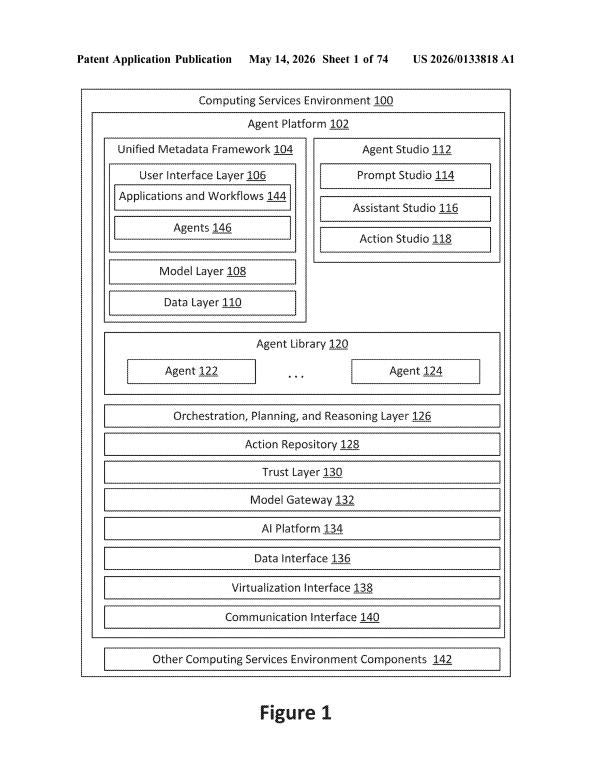
Salesforce · Published May 14
Salesforce's New Patent Wants to Replace Your Procurement Team With AI Agents
Salesforce is patenting a system where AI agents don't just suggest procurement actions — they take them, autonomously contacting suppliers on your company's behalf without a human clicking 'send.'
-
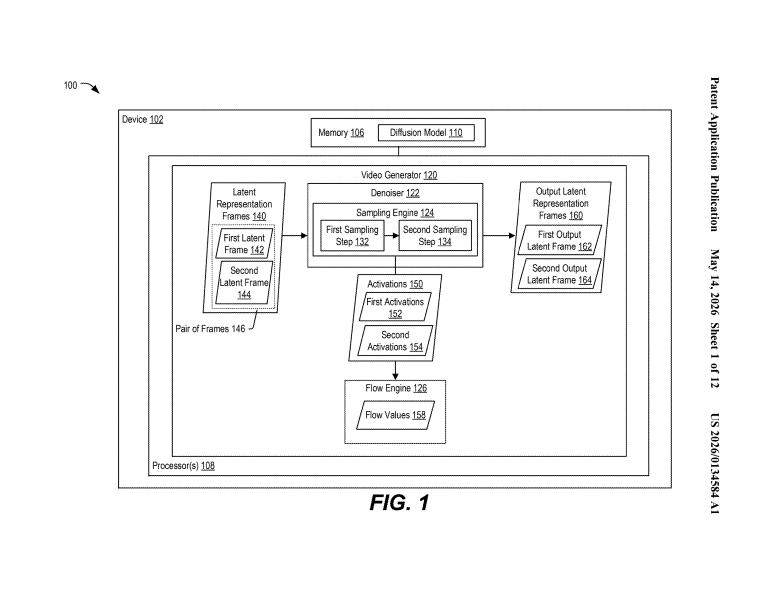
Qualcomm · Published May 14
Qualcomm's New Patent Pulls Motion Data from Inside Its Own Diffusion Model
Qualcomm is trying to extract motion data from a diffusion model's own internal steps — not as an afterthought, but as the core mechanism for generating coherent video.
-
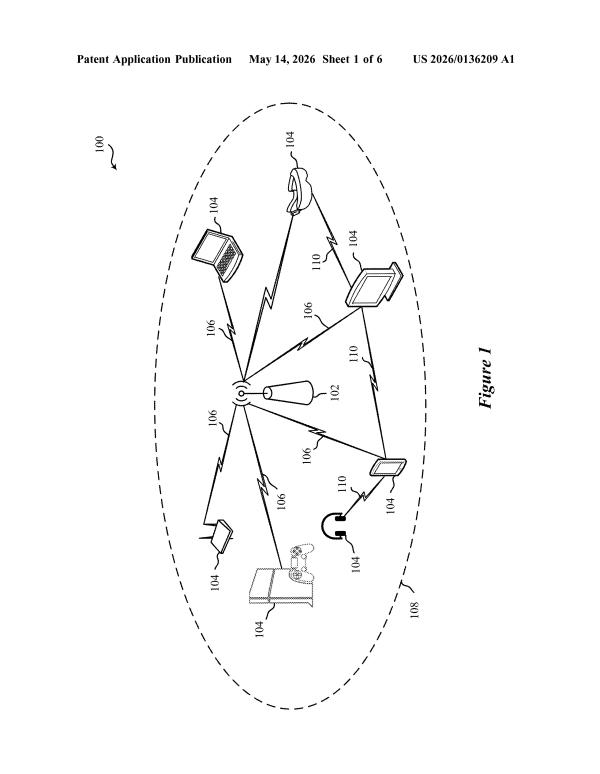
Qualcomm · Published May 14
Qualcomm's New Patent Wants to Replace Wireless Rule Books with ML
Every wireless transmission involves dozens of configuration decisions — modulation scheme, power level, antenna mode — that today are handled by rigid rules. Qualcomm wants a machine learning model to make those calls on the fly instead.
-
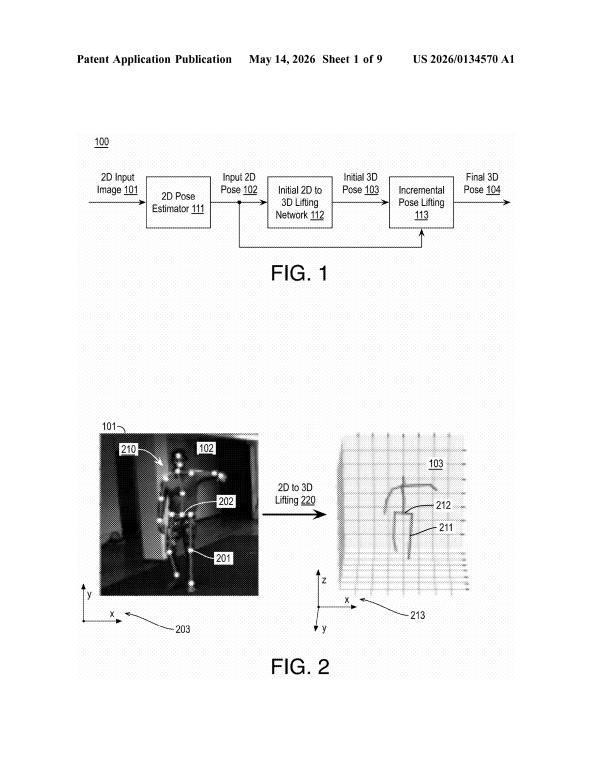
Intel · Published May 14
Intel Patents an AI That Keeps Correcting Its Own Read of Your Body in 3D
Getting a computer to understand where your limbs are in 3D space from a single flat photo is surprisingly hard — and Intel thinks it has a smarter way to do it by repeatedly measuring and fixing its own mistakes.