What the filings show
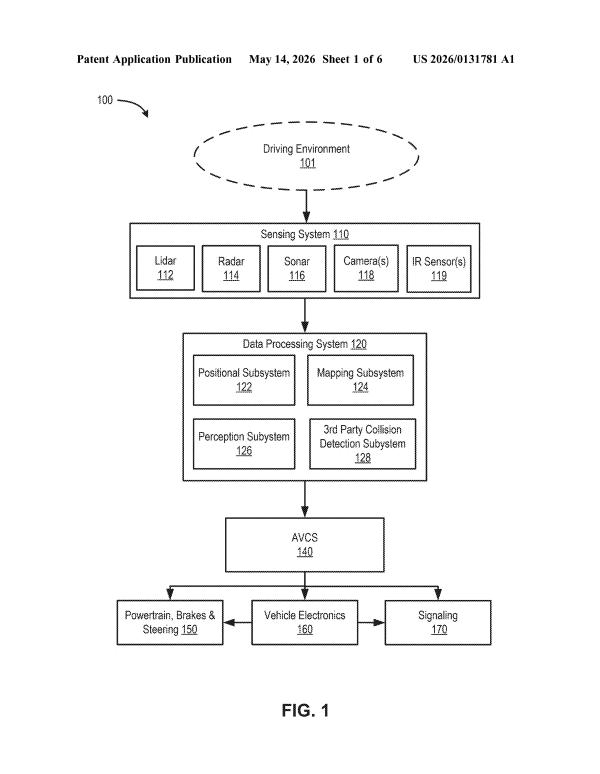
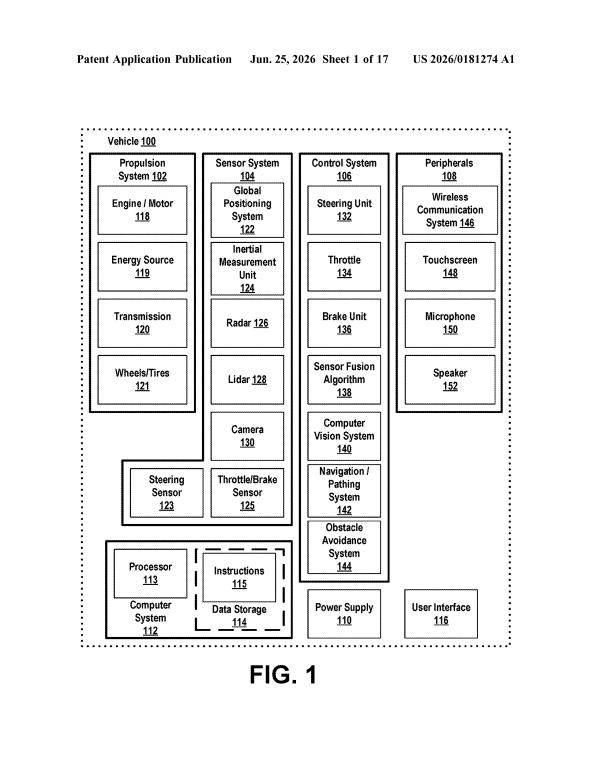
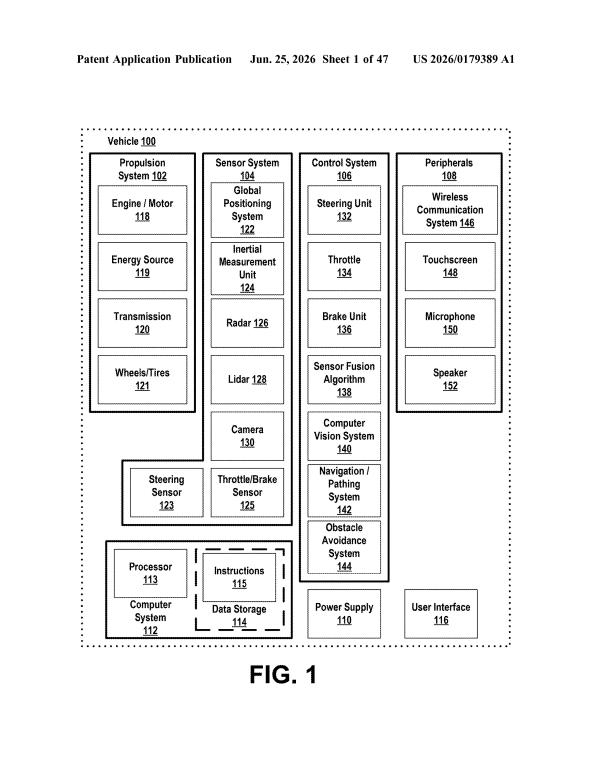
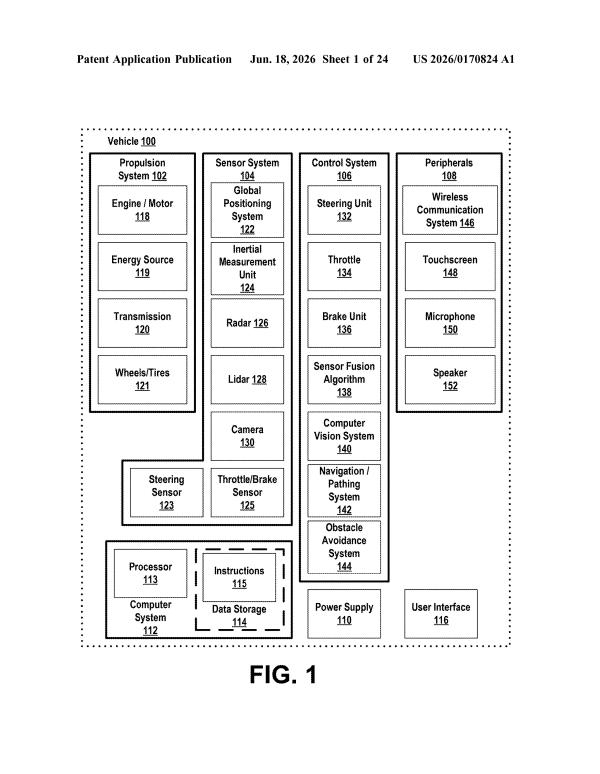
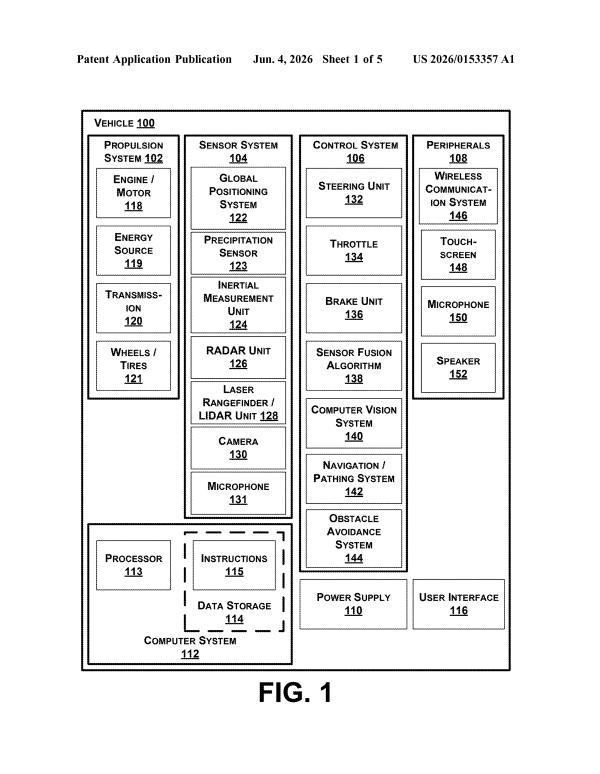
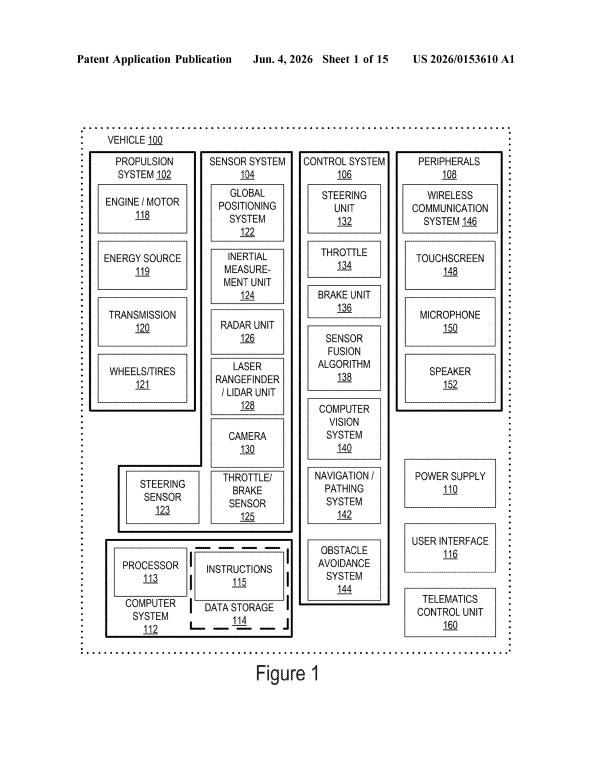
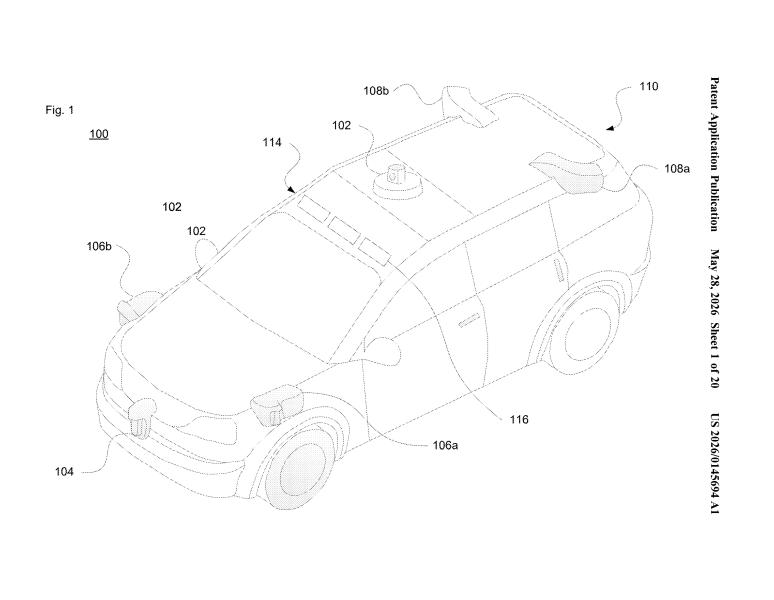
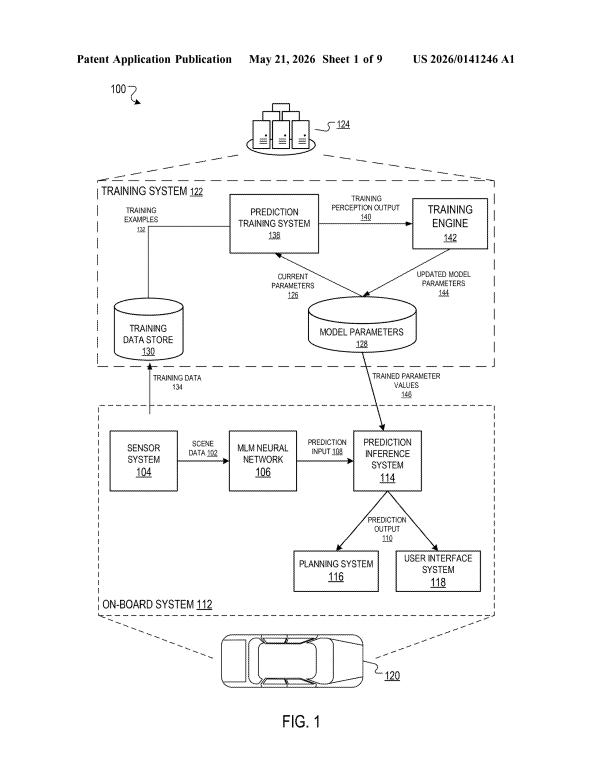
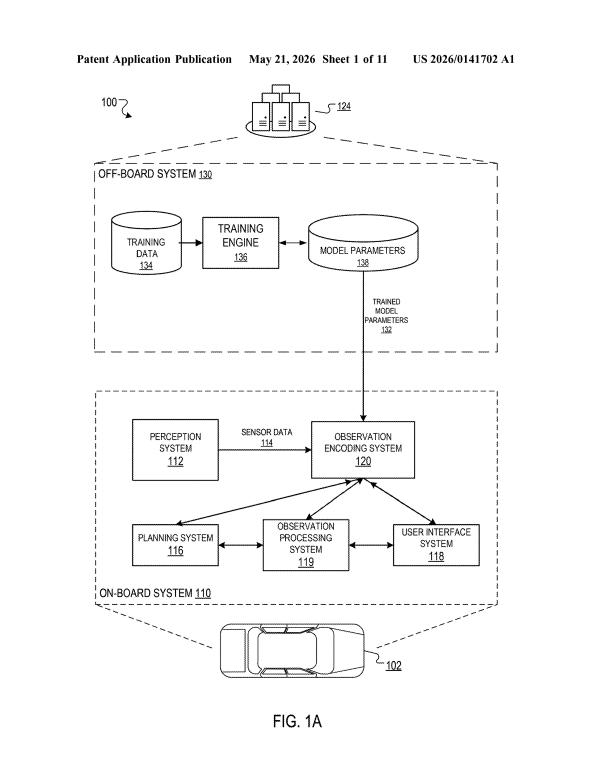
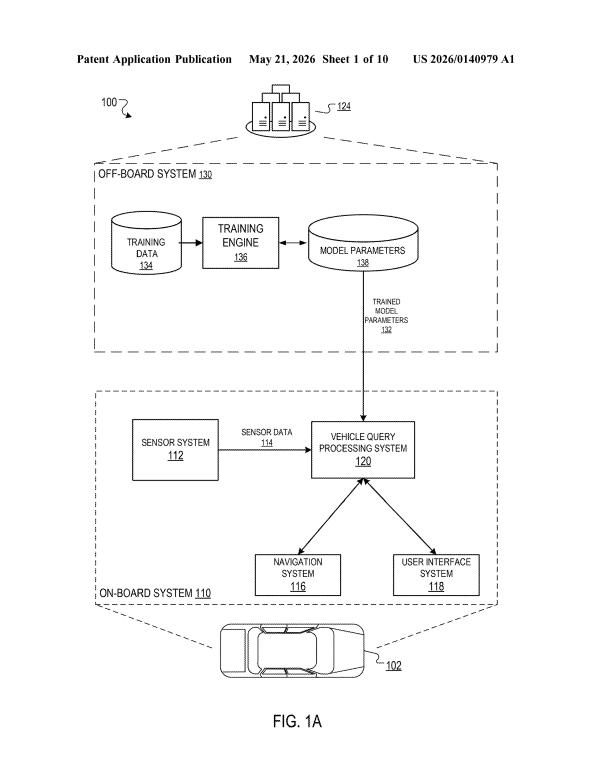
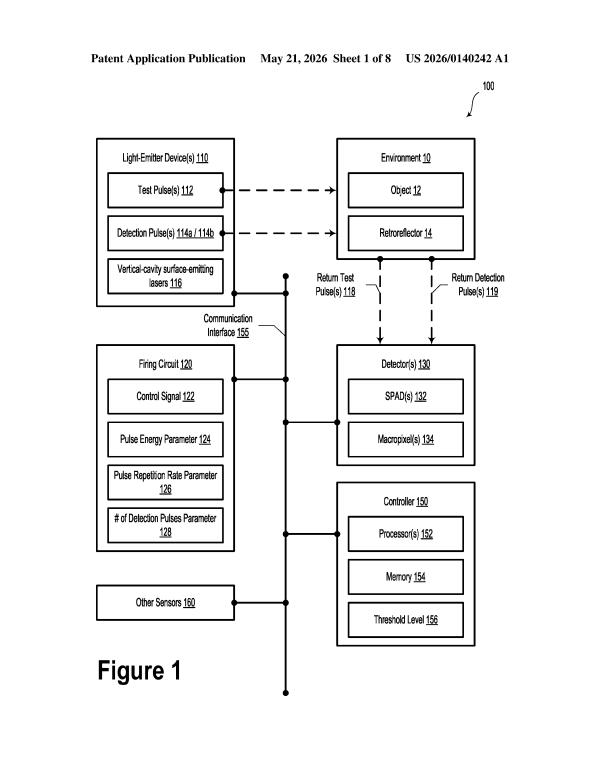
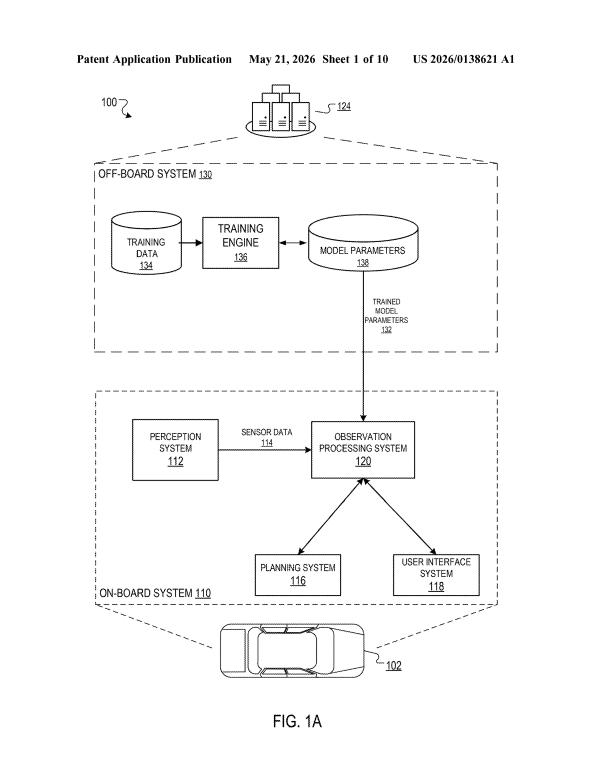
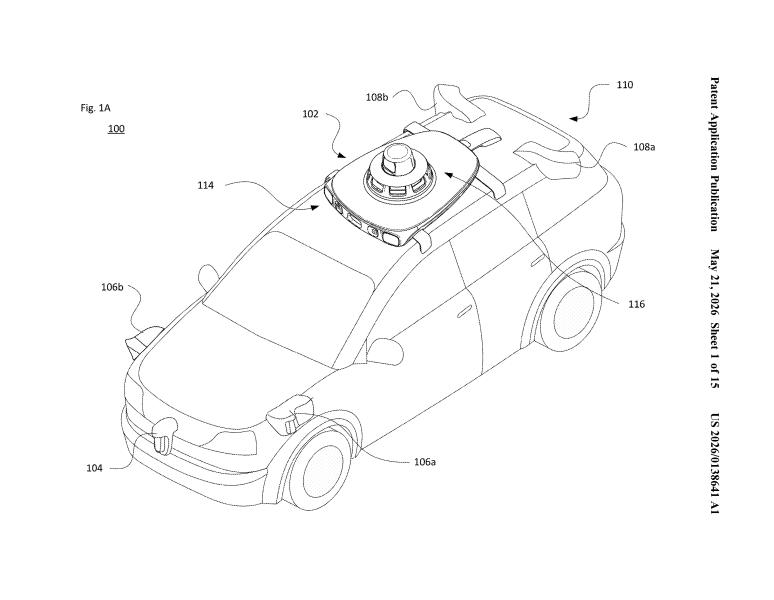
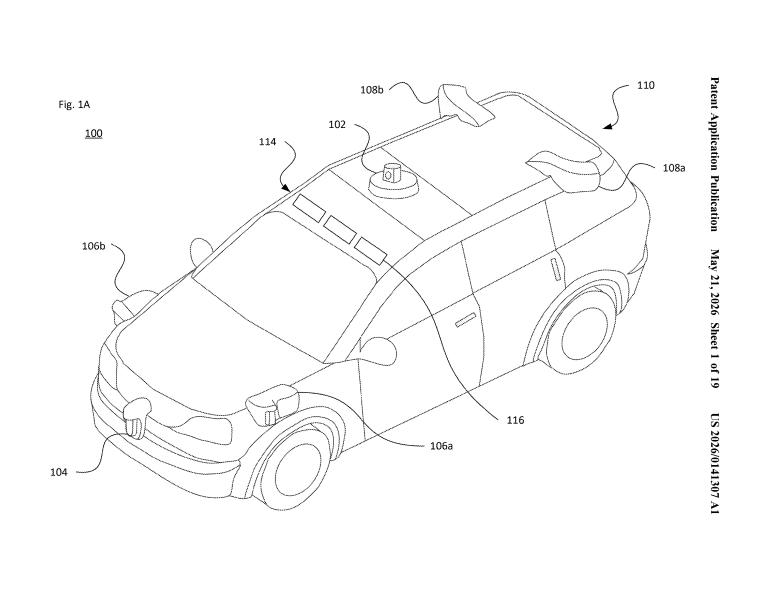
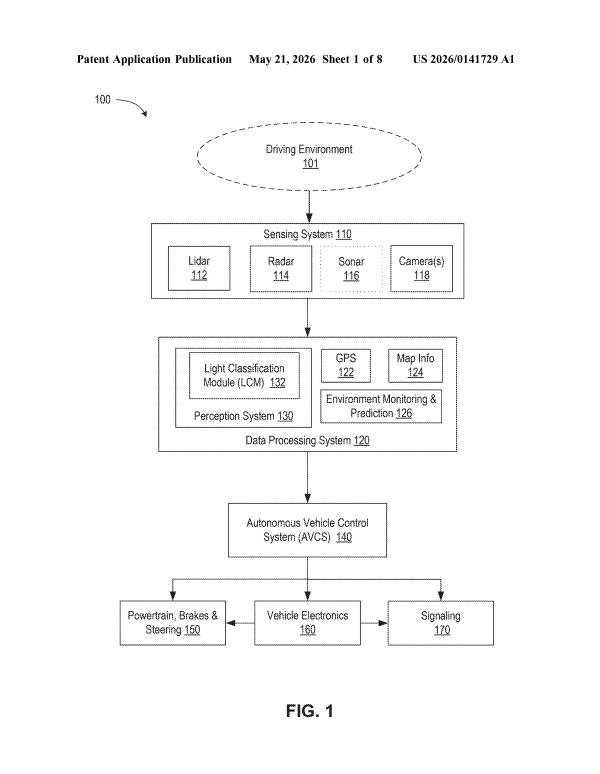
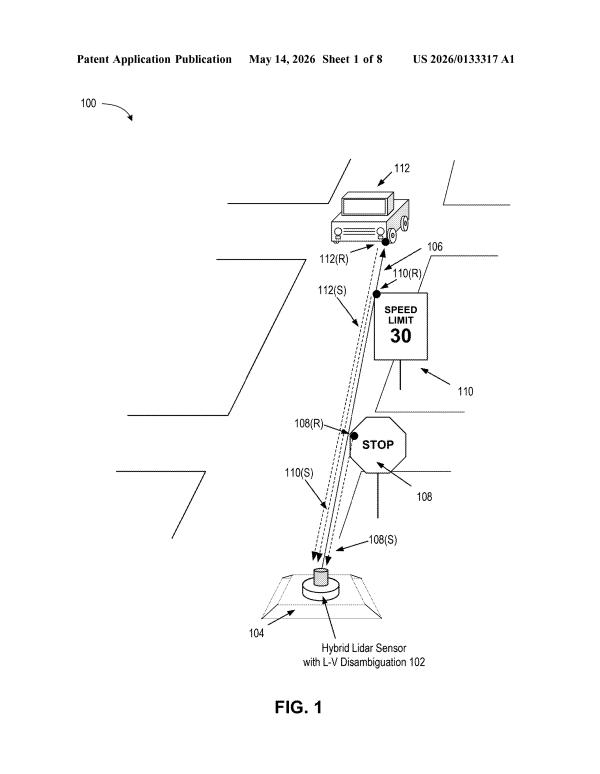
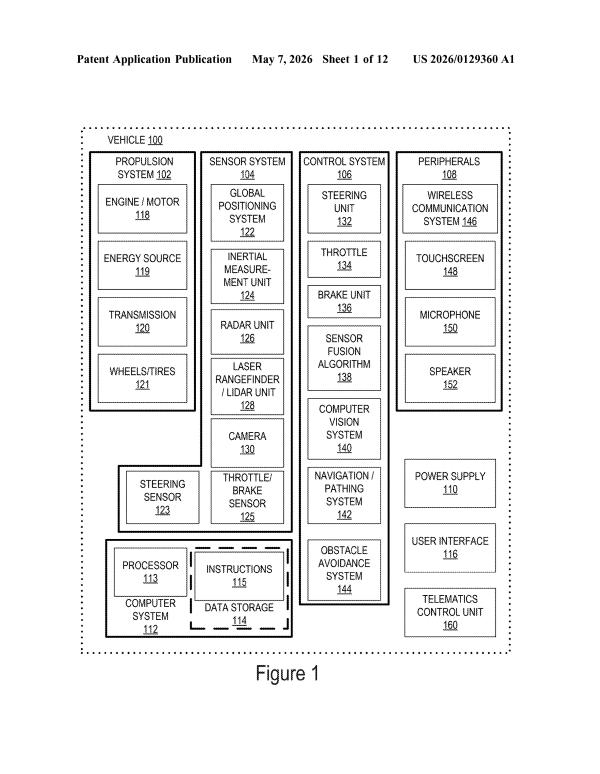
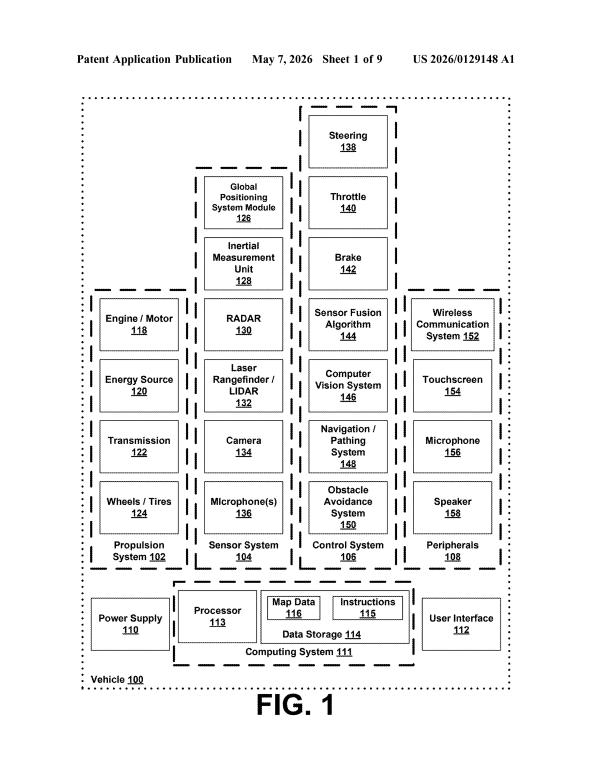
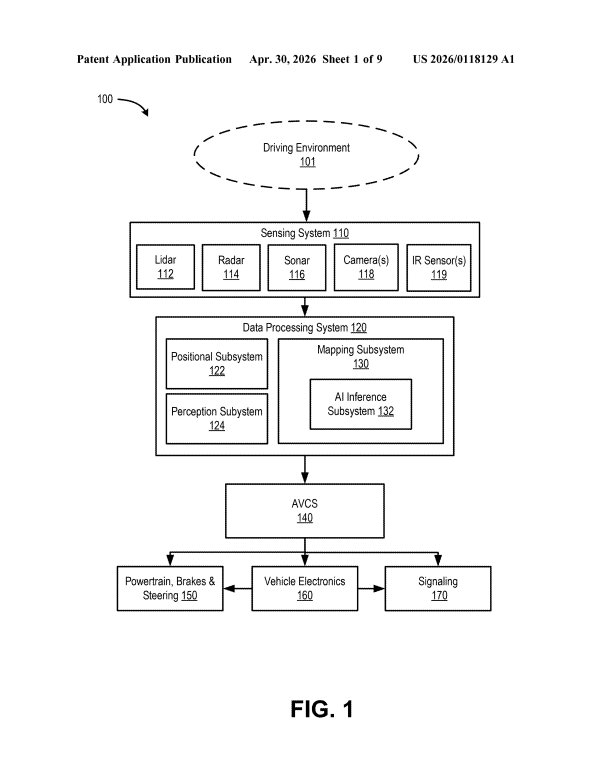
A good chunk of these filings deal with raw sensing. Waymo patents lidar that adjusts to fog in real time, a hybrid lidar that separates speed from distance when several objects overlap, and a lidar filter that screens out blinding retroreflectors from road signs and bike reflectors. A microphone system teaches the car to hear an ambulance before a camera spots one. On the software side, a transformer-based model builds navigation maps and a vision-language model lets different car systems ask questions about what is happening on the road ahead.
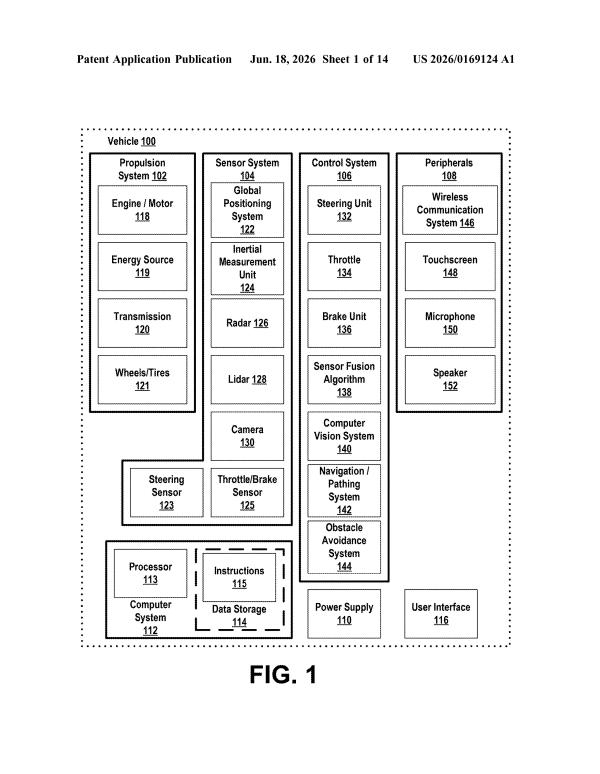
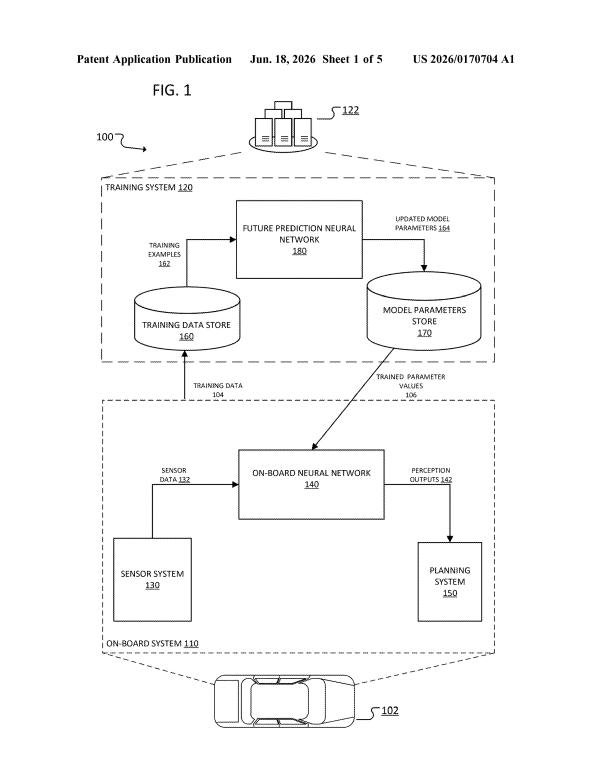
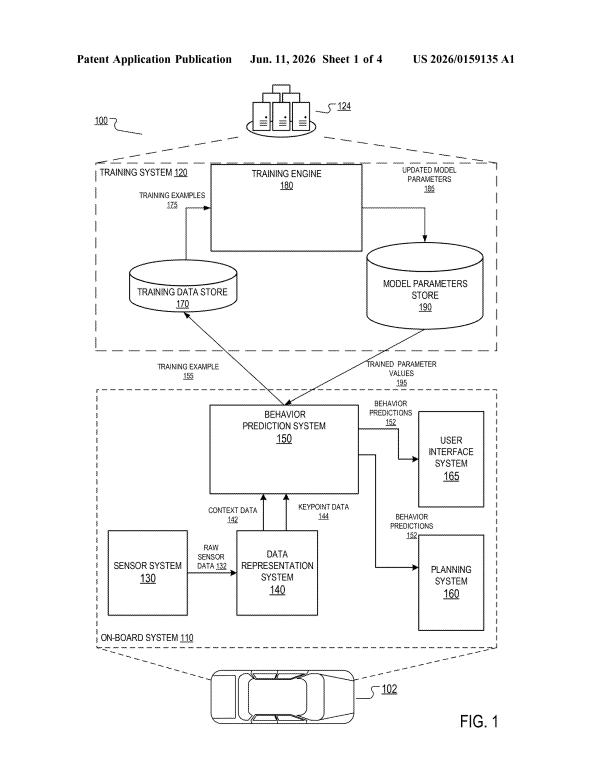
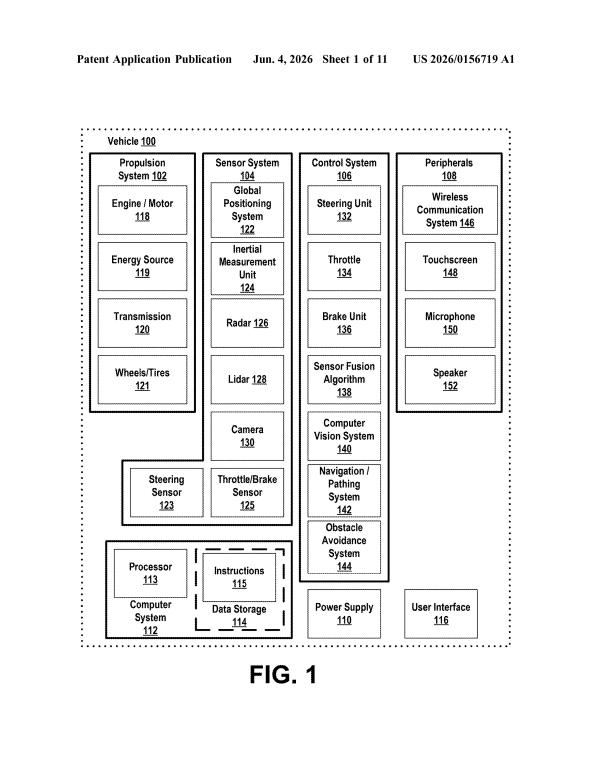
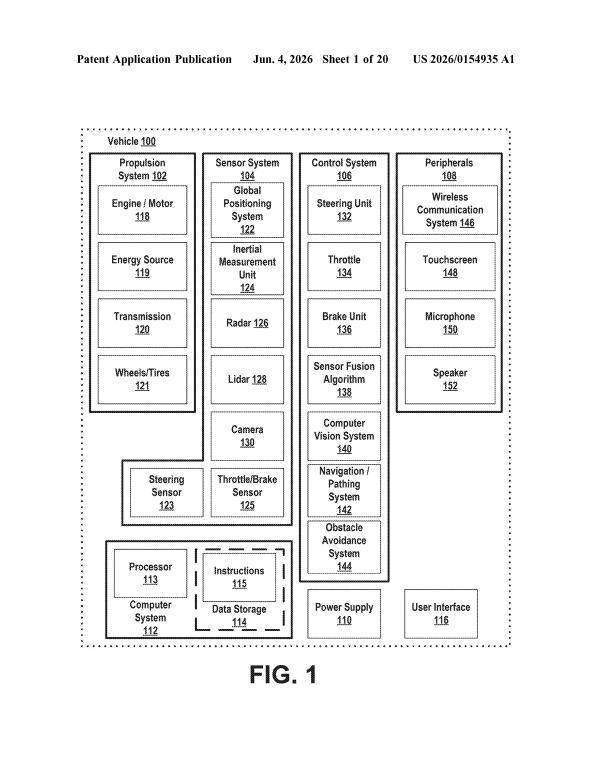
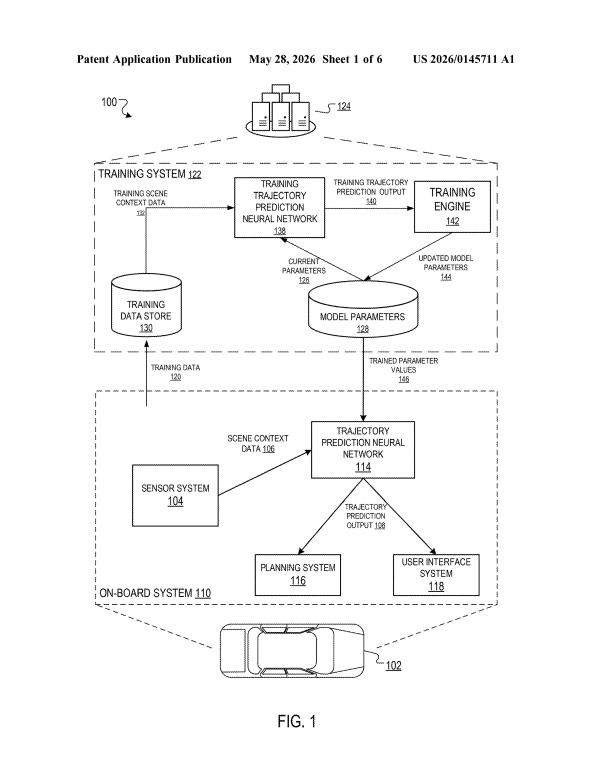
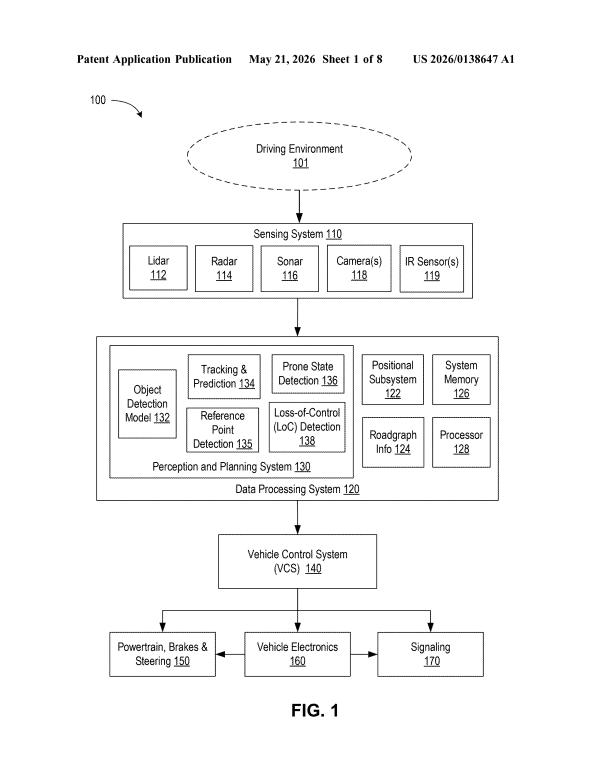
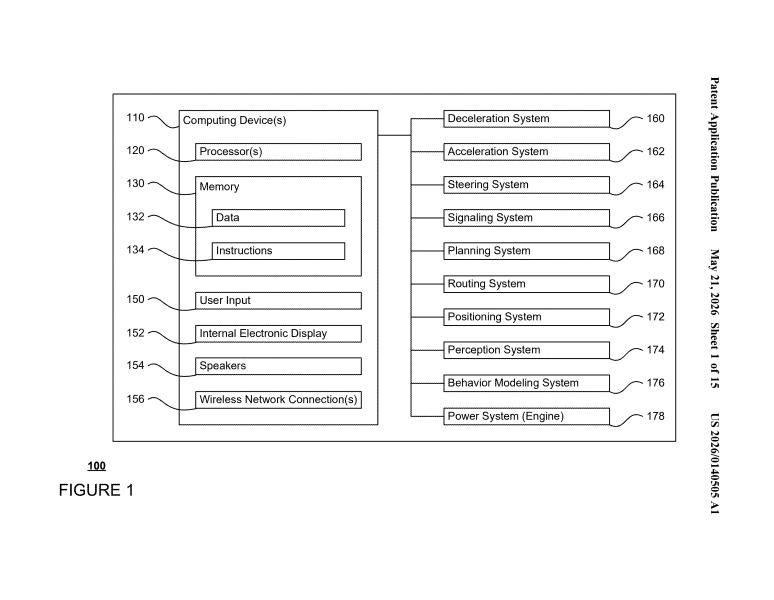
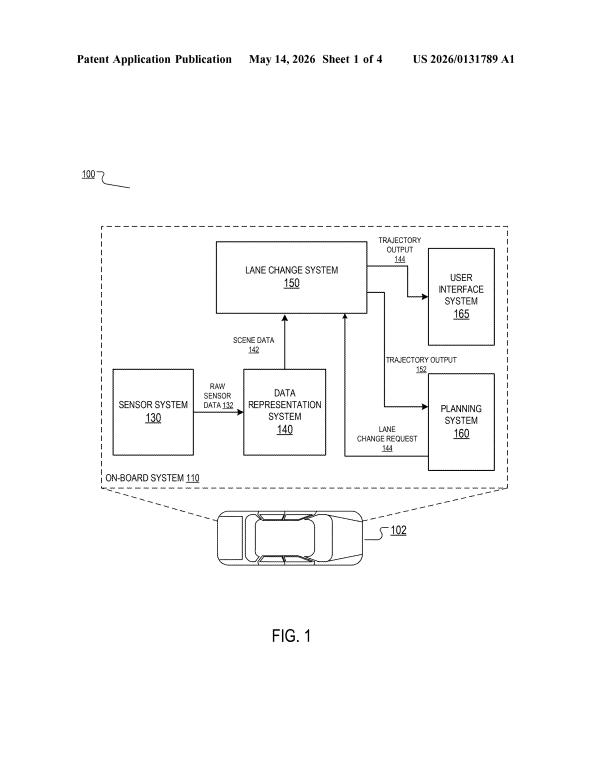
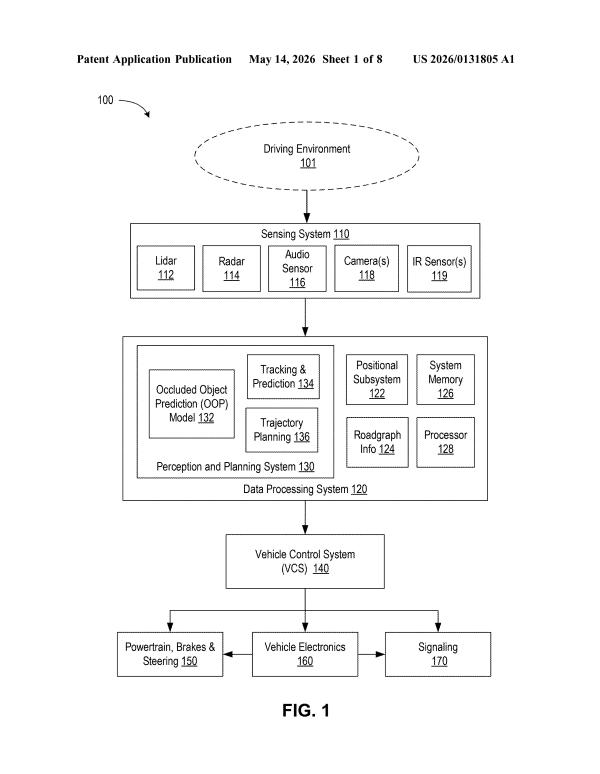
Another cluster targets prediction. One patent guesses where a hidden pedestrian might step out from behind a parked bus. Another watches for cyclists about to lose their balance. A separate system predicts crashes between two other vehicles, not just the ones involving the robotaxi itself. Waymo also patents a machine learning system for judging lane changes and a real time acceleration envelope for deciding how hard the car can brake or speed up. A targeted data collection patent sends cars out to hunt for the situations these models need to learn from.
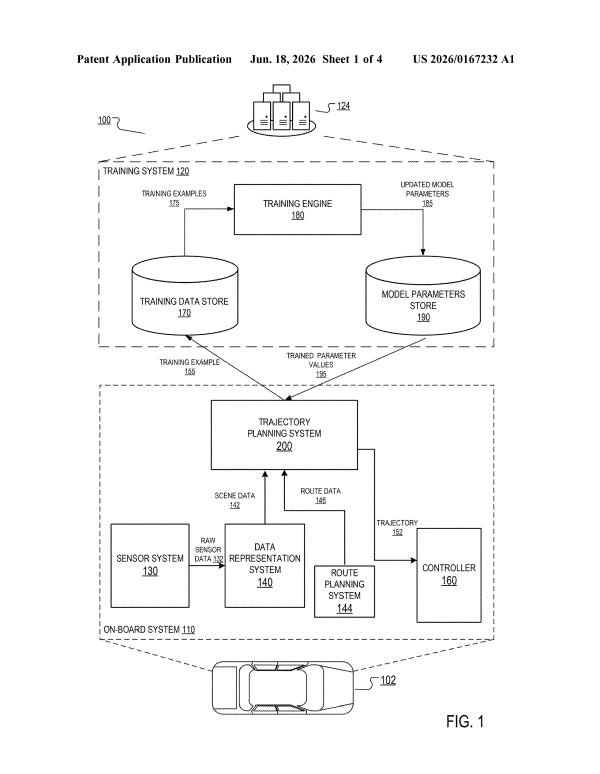
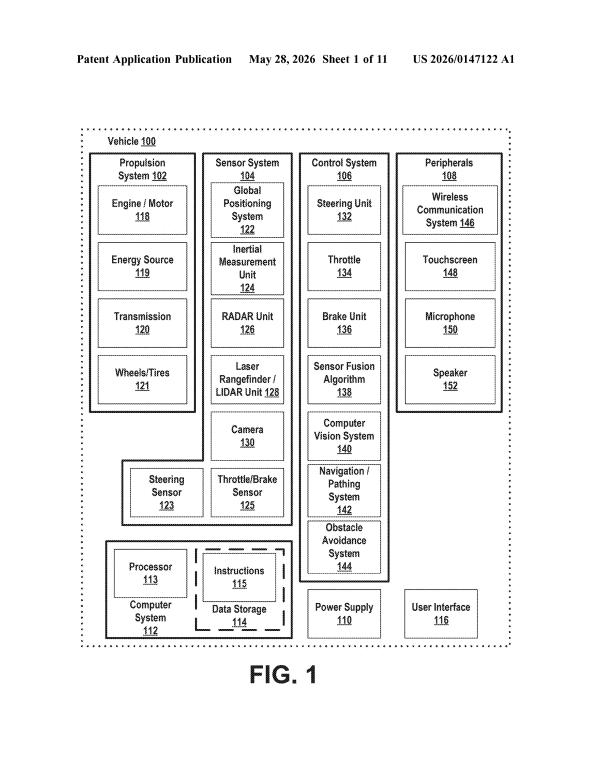
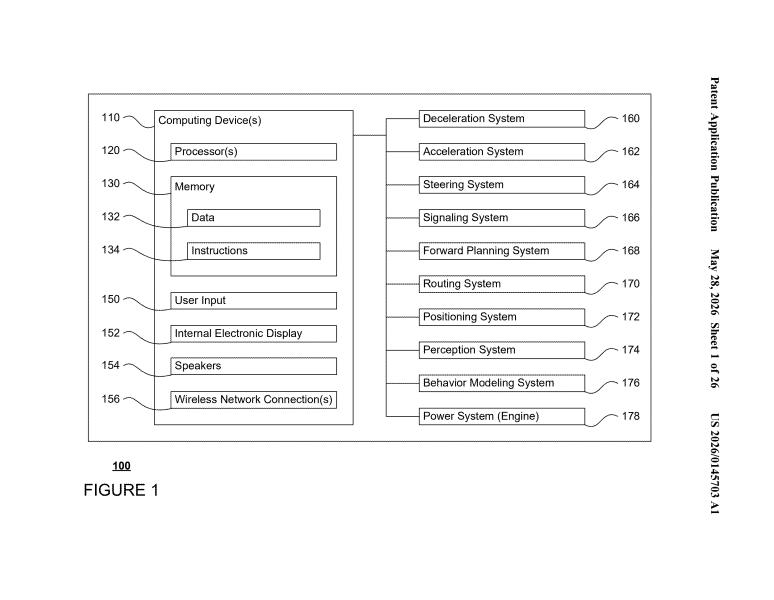
Read together, the filings point to Waymo pairing better sensors with models that guess intent, not just detect objects. The recurring theme is anticipation: hearing sirens early, reading fog, guessing a pedestrian's next step, judging a cyclist's balance. Readers should watch for patents that stitch these pieces together, letting the car's perception, prediction, and driving decisions run off shared models. As always, a patent filing shows where Waymo's engineers are experimenting, not what will ship in a production robotaxi.
Questions readers ask
What does this Waymo patent storyline actually track?
It follows Waymo patent filings about how its self-driving cars sense the world and predict what people and other vehicles might do next, from hearing sirens and reading fog to guessing when a hidden pedestrian or wobbly cyclist could move into the road.
Do these patents mean Waymo robotaxis already hear sirens or see through fog today?
Not necessarily. A patent shows a system Waymo has designed and filed for legal protection, which points to research direction. It does not confirm the feature is running in current robotaxis on public roads.
Why do so many filings focus on predicting what other road users will do?
Several patents in this storyline model hidden pedestrians, cyclists losing balance, and crashes between other vehicles. That pattern suggests Waymo is spending real engineering effort on anticipating danger before it happens, not just reacting to what a sensor sees at that moment.
How is this different from a typical self-driving sensor patent?
Many filings here combine sensing with judgment, like a lidar that adapts to fog or filters reflective glare, paired with models that decide what a lane change, an acceleration, or a stranger's next move should look like, rather than covering hardware alone.