New Apple Patents For Device-to-Device Handoff, and where they point
This tracker collects Apple's patent filings on how nearby devices decide who takes a call, plays audio, becomes a camera, or shares a screen based on distance and position. Together they point to a system where iPhone, Mac, HomePod, and Vision Pro use proximity and context to hand off tasks without any manual switching.
based on all tracked filings in this watchlist · refreshes every week
Apple has filed 18 patents around one core idea: letting your phone, tablet, computer, and speaker work together as a team, passing tasks, calls, audio, and even phone plans between devices without you having to do much.
The filings cluster around two problems right now: figuring out which device should handle a job based on where you are or what you are doing, and moving sensitive things like digital IDs and phone plans between devices without creating a security hole.
What’s new in Apple's device-to-device handoff
a dated entry each week this watchlist moves · older entries stay archived
Sep 17, 2026 4 filings joined
This week's filings focus on moving content between nearby devices. Apple is exploring ways to split screens across two devices, toss video between them, share content when close together, and control who gets permission to do what.
This week's filings cover two directions: pushing content to all your devices at the same time, and keeping personal data hidden when others use your device.
This week's filing adds a photo quality angle to the watchlist. Apple is exploring a way for one device to spot a bad photo and then send an alert to another device about it.
Aug 27, 2026 1 filing joined
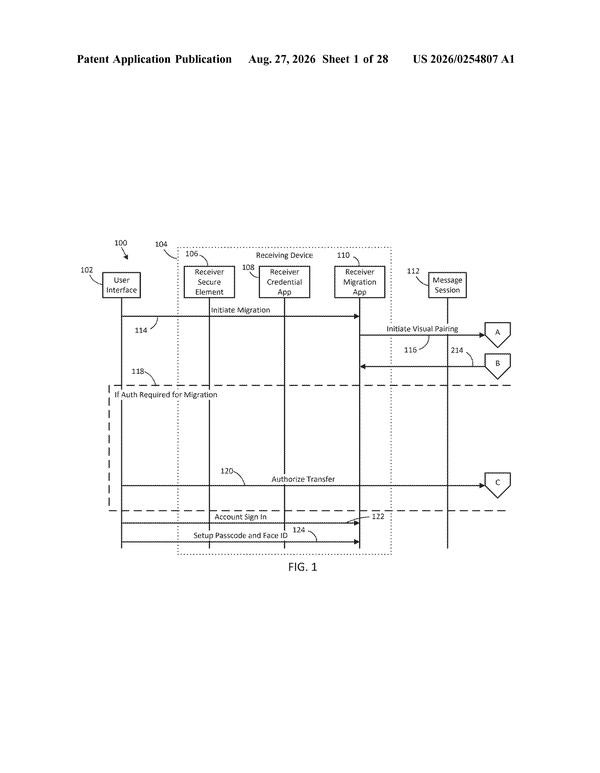
This week's new filing focuses on keeping digital ID cards and payment cards safe when a user moves them from one Apple device to another. The security of that transfer process is the main idea being explored.
Aug 20, 2026 3 filings joined
This week's three filings all explore the same core idea: your devices working as a team instead of alone. They cover sharing camera feeds between nearby devices, deciding which device handles background work, and moving a phone plan between devices securely.
The filing pace inside Apple's device-to-device handoff
The focus areas inside Apple's device-to-device handoff
the problems Apple keeps filing on · each with its three newest filings · new filings join every week
Finding Nearby Devices Without a Network 4 filings
Sometimes phones and other devices need to find each other when there is no cell signal or Wi-Fi. These filings cover ways devices could locate and connect to each other using signals they send directly between themselves.
Switching from one screen or speaker to another usually means stopping what you are doing and starting over. These filings cover ways a running app, a phone call, or audio could move to a different device based on where you are or what you do.
Choosing the Right Speaker Automatically 3 filings
When several speakers are nearby, picking which one plays your audio is usually a manual step. These filings cover ways a device could choose the closest or most appropriate speaker on its own.
Connecting Devices Based on Physical Position 5 filings
Where you place or hold a device can say a lot about what you want it to do. These filings cover systems that could use a device's physical position or distance to decide how screens, cameras, and connections behave.
Users could hand off selected content to nearby devices without opening share menus. This filing shows how Apple plans to detect what's actively selected on one device and trigger sharing prompts automatically when another device enters range.
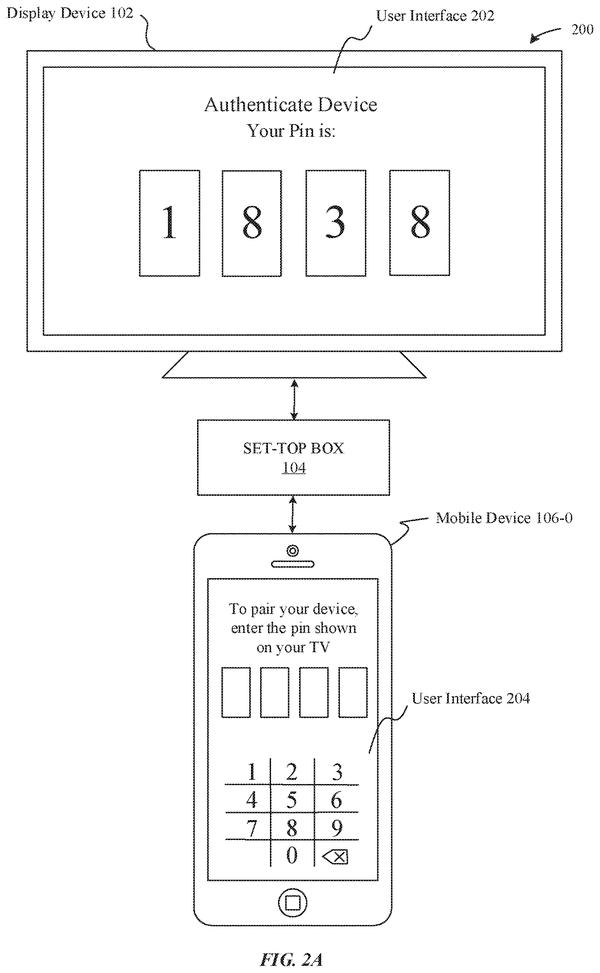
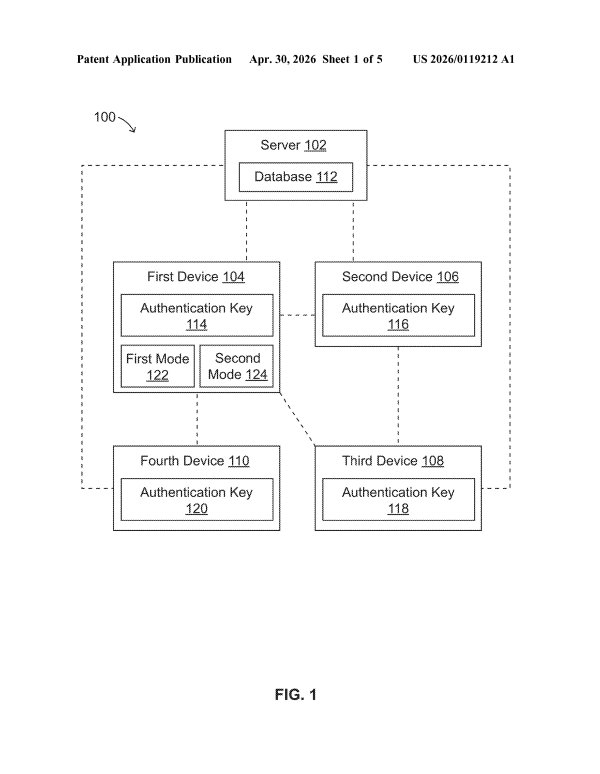
Granting the first-paired device highest authority over shared hardware removes the need to block newcomers entirely, letting secondary devices perform limited functions without risking control conflicts.
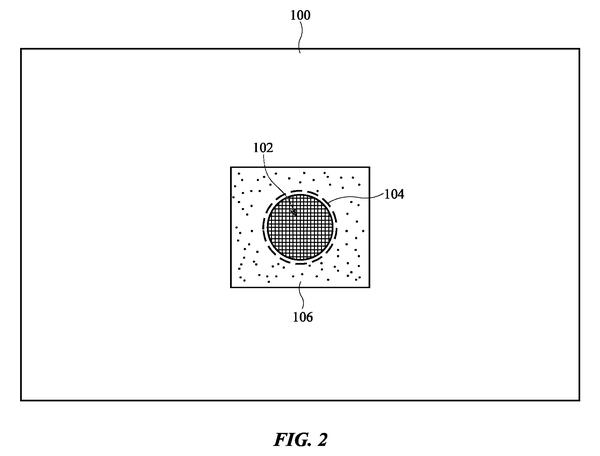
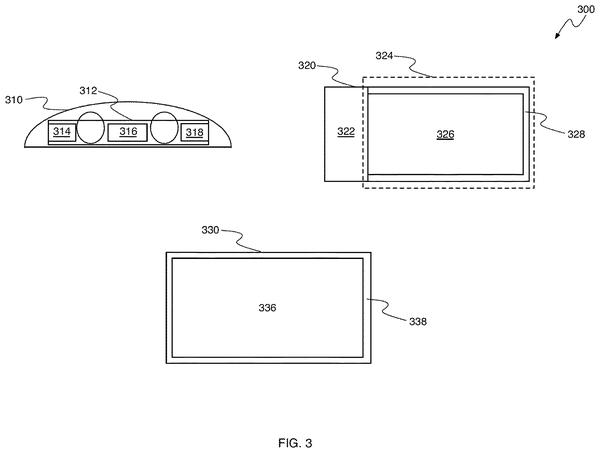
Building on how nearby devices hand off tasks, this filing shows how they divide a shared display in real time, with each device controlling its designated portion rather than one device rendering everything.
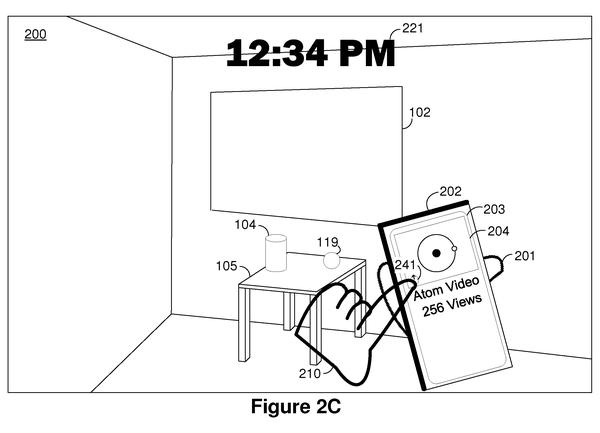
Early filings focused on proximity and position sensing. This one shows how Apple wants to make the handoff feel physical: point your phone at a screen, gesture, and watch the video animate across the room.
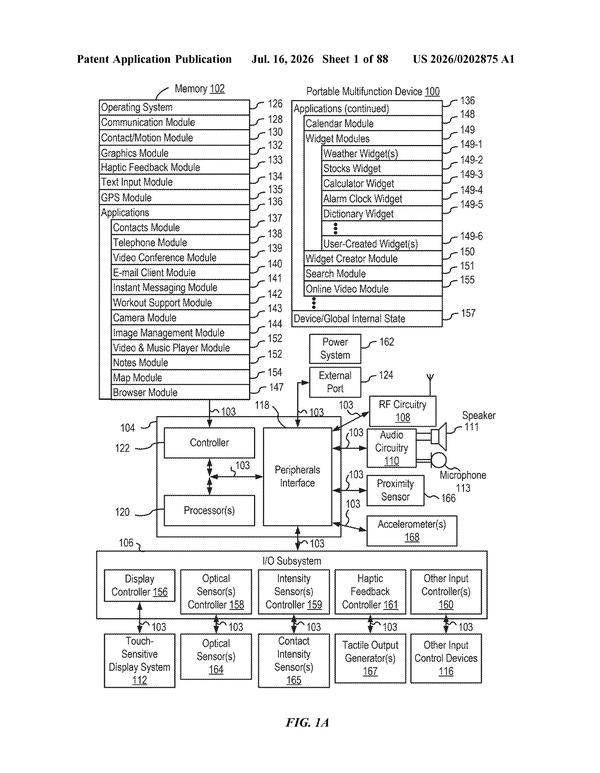
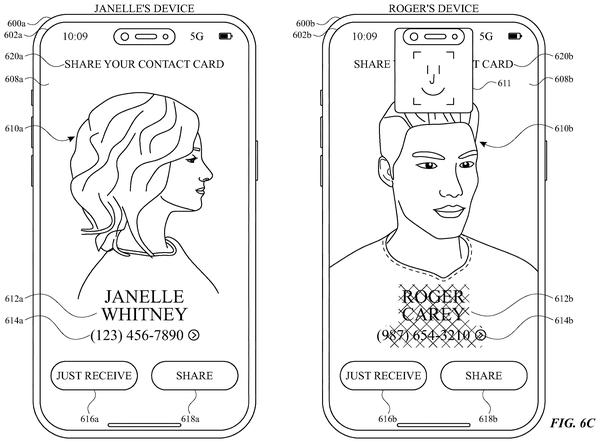
Shared speakers and displays are great until someone asks yours a personal question in front of the whole room. Apple is patenting a system that lets a communal device answer personal queries by fetching data from your own phone, and then immediately forgetting it.
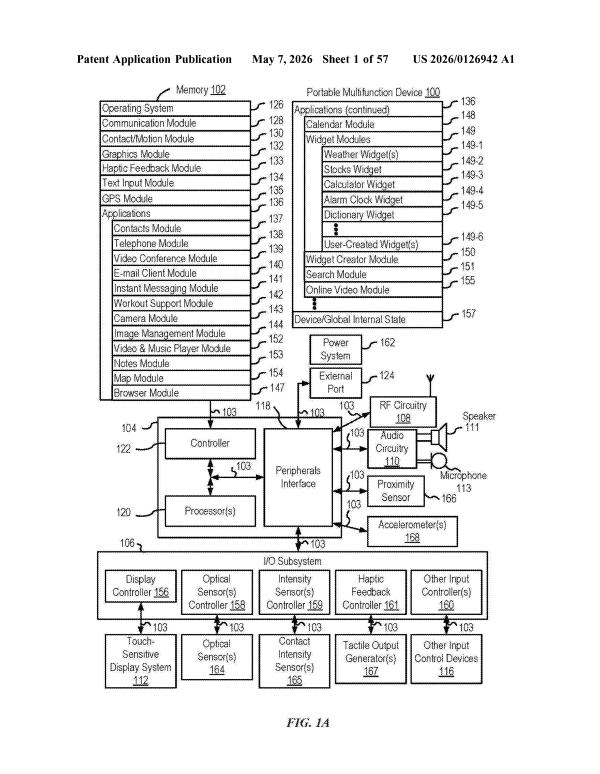
Devices could anticipate what you want to see on your other screens rather than waiting for manual commands, using proximity and device type to decide which related content goes where simultaneously.
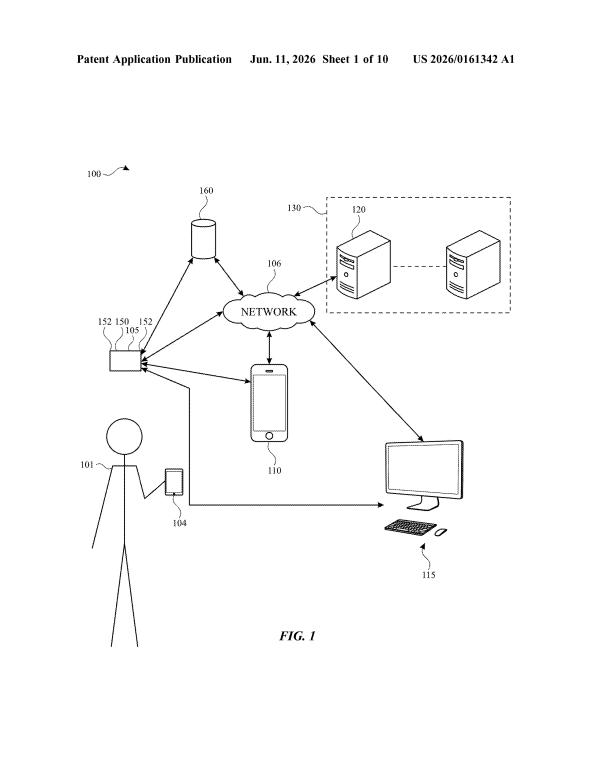
If one device detects a failed shot, it can push the capture job to a better-positioned phone or tablet in real time, keeping the moment alive instead of trapping it on hardware that's already fumbled it.
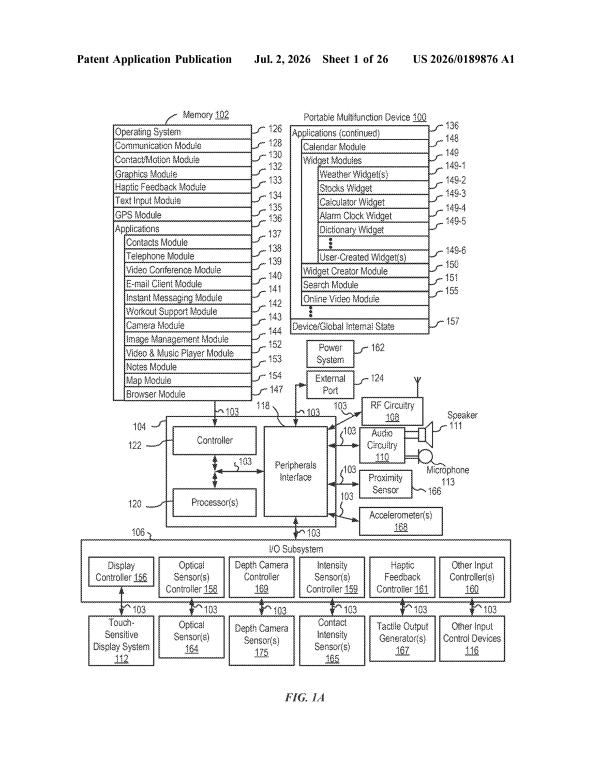
Keeping digital credentials from re-enrollment limbo when you switch phones. The patent outlines how a new device can pull stored IDs and passes directly from the old one during setup, skipping the need to contact issuers again.
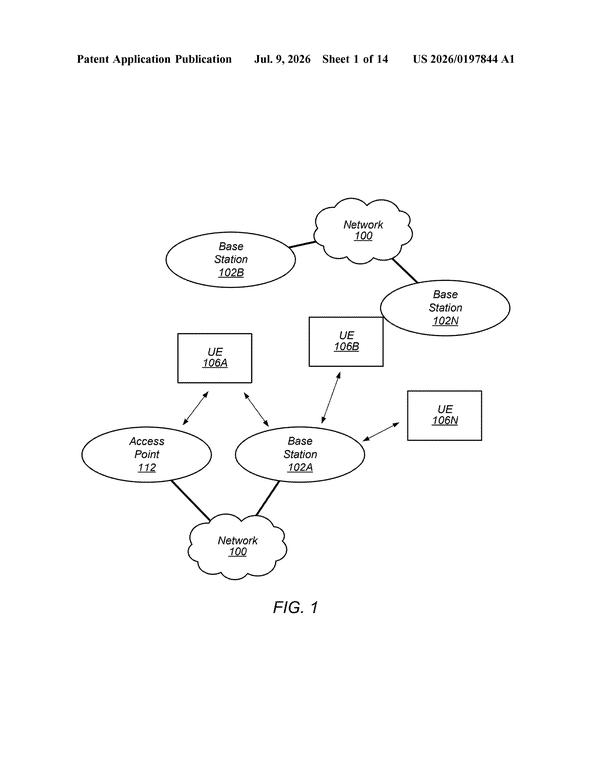
The handoff watchlist has focused on active tasks like calls and playback. This filing extends the coordination logic to background processes, showing how device selection works when the user isn't actively choosing.
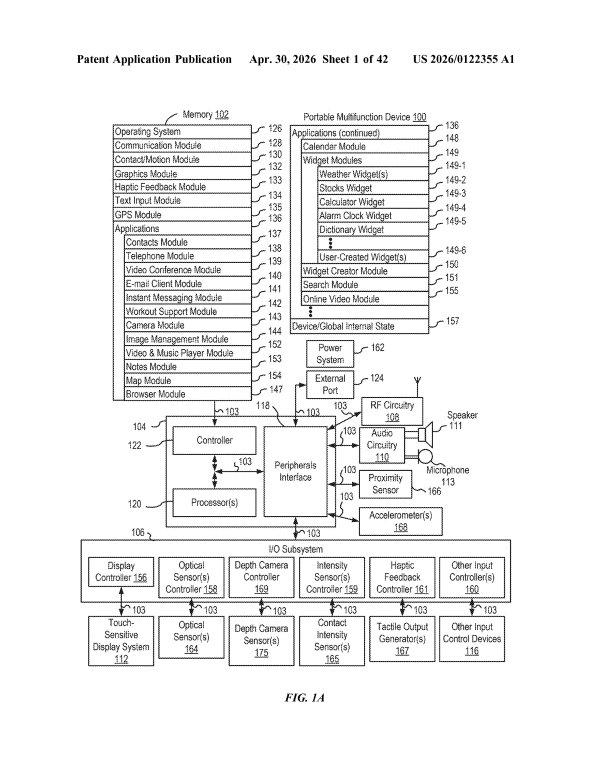
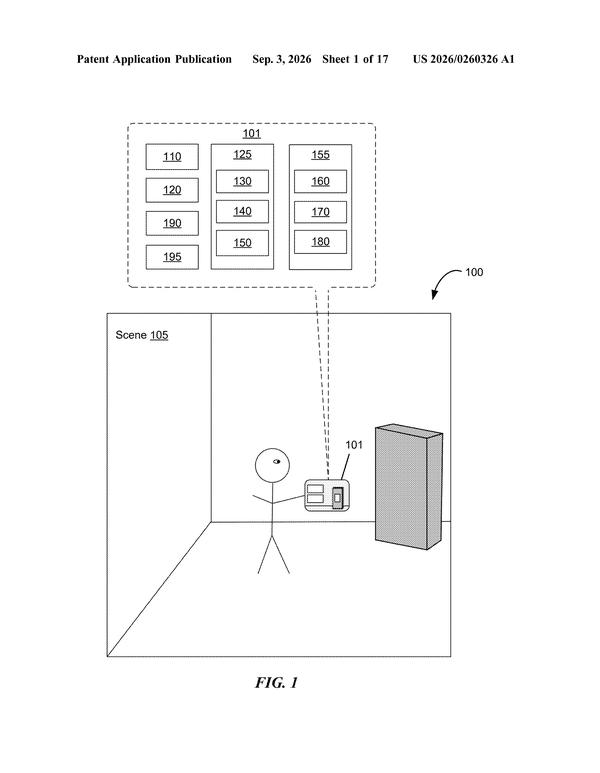
Apple's AR headset could one day borrow the cameras on your nearby iPhone or iPad to make sure digital objects look like they belong in the real room around you.
Switching phones today can mean a frustrating round-trip through your carrier just to move a digital SIM card. Apple is patenting a way to make that transfer cryptographically secure without the carrier having to hold your hand.
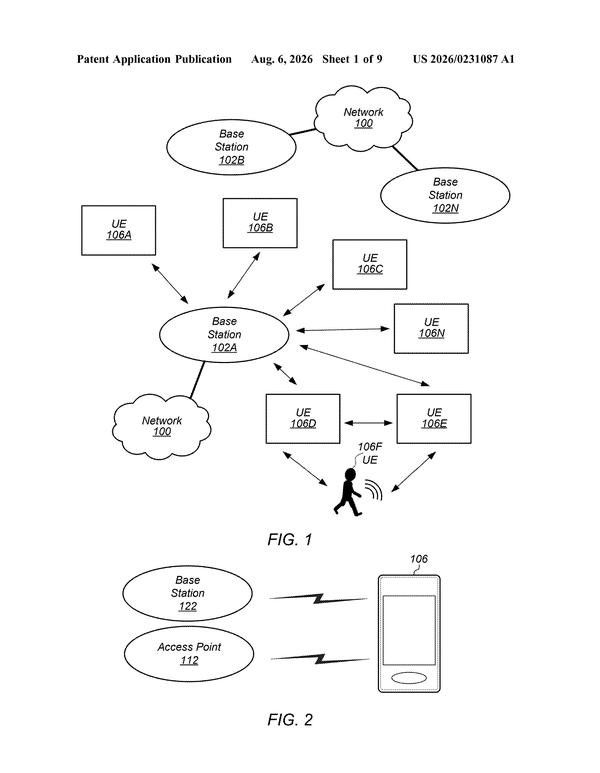
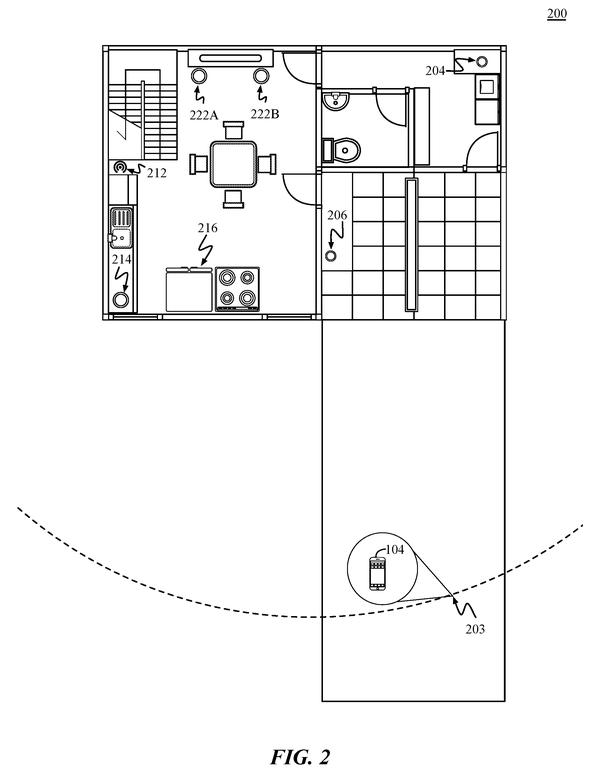
The handoff system needs to know where devices are even when cellular networks fail. This patent shows how phones can map each other's positions through direct signals, solving the dead-zone problem that would otherwise leave handoff guessing.
Routing audio output through the requesting device's identity lets a speaker tailor sound characteristics to each source, treating an iPhone request differently from a Watch request to the same hardware.
Moving an app between devices requires users to locate and click UI elements; this filing explores keyboard shortcuts as a faster trigger, potentially reducing friction in the handoff decision.
Phones measure distance to each other via direct 5G signals when towers are unavailable or unreliable, letting handoff logic work in dead zones or congested areas where traditional location fails.
Figuring out when to show handoff controls requires knowing distance in real time. This filing describes how devices measure proximity and trigger UI changes automatically.
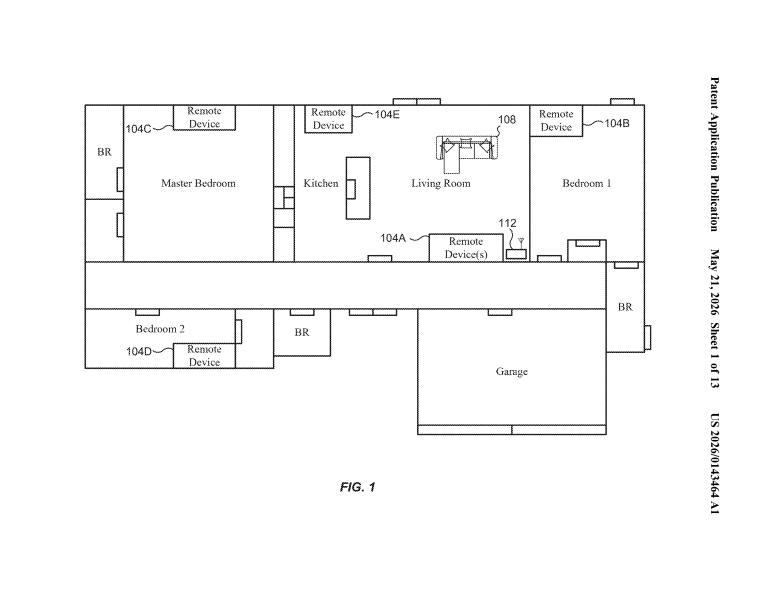
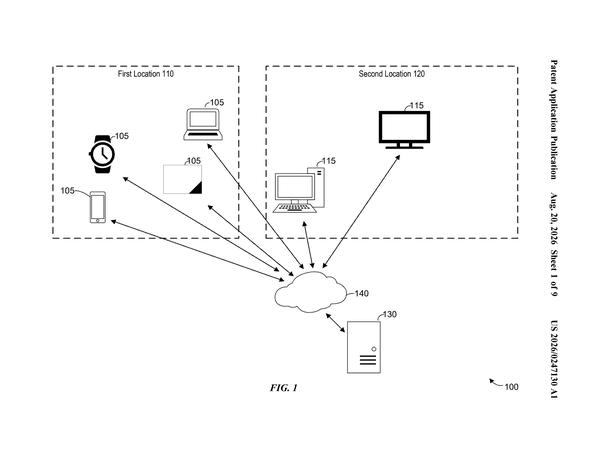
Devices could hand off work based on physical location rather than requiring you to manually switch apps or reopen files on each device as you move through your space.
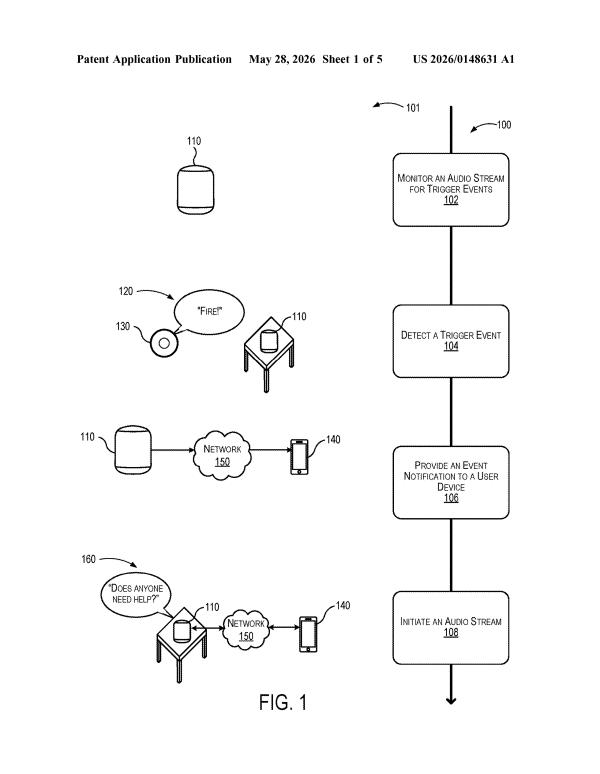
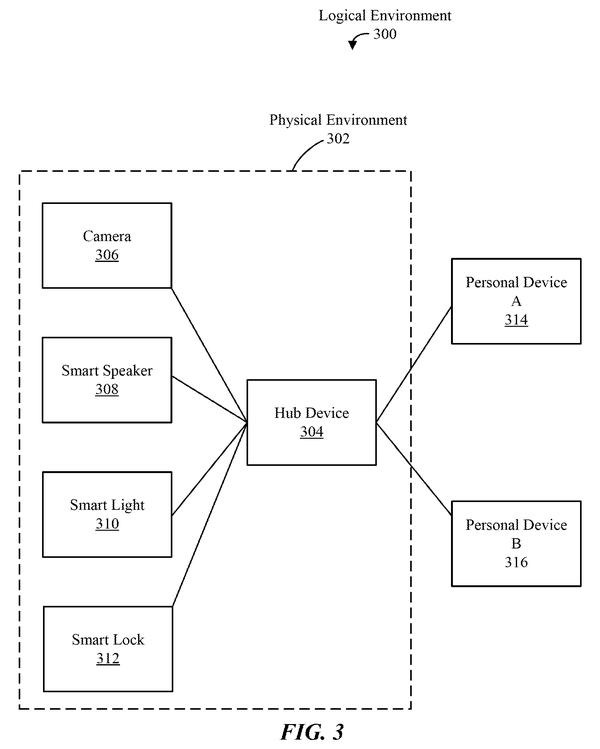
Detecting ambient sounds to trigger alerts and open two-way audio channels solves the activation problem: how to route urgent notifications and real-time listening to the right device without requiring explicit voice commands or manual setup.
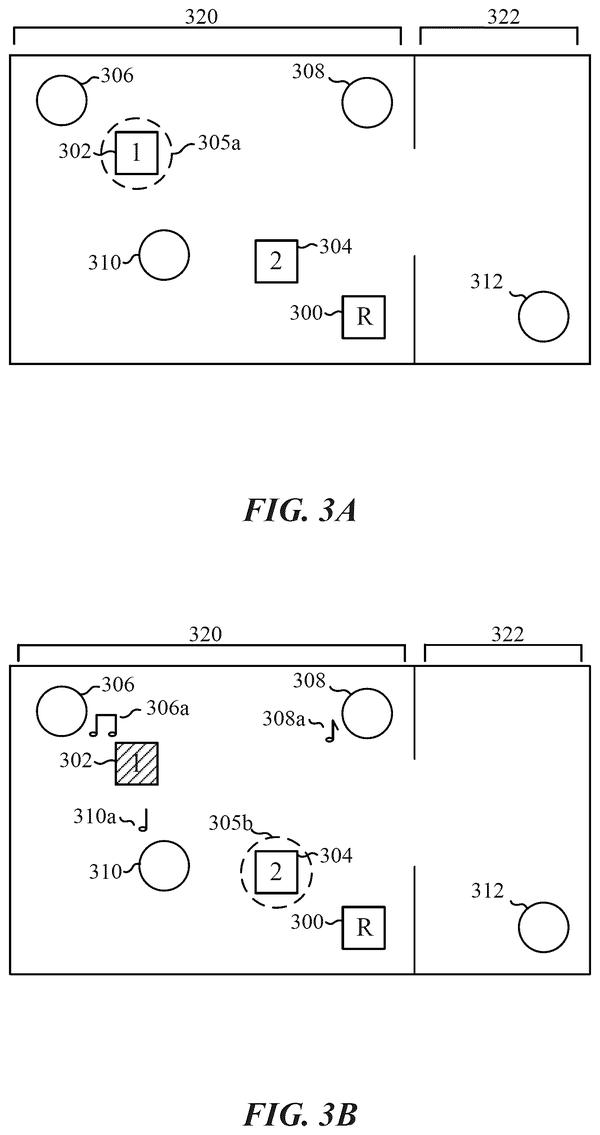
The handoff system needs to know which device is physically nearest. This filing shows how iPhones detect speaker distance in real time to route audio automatically rather than relying on usage history.
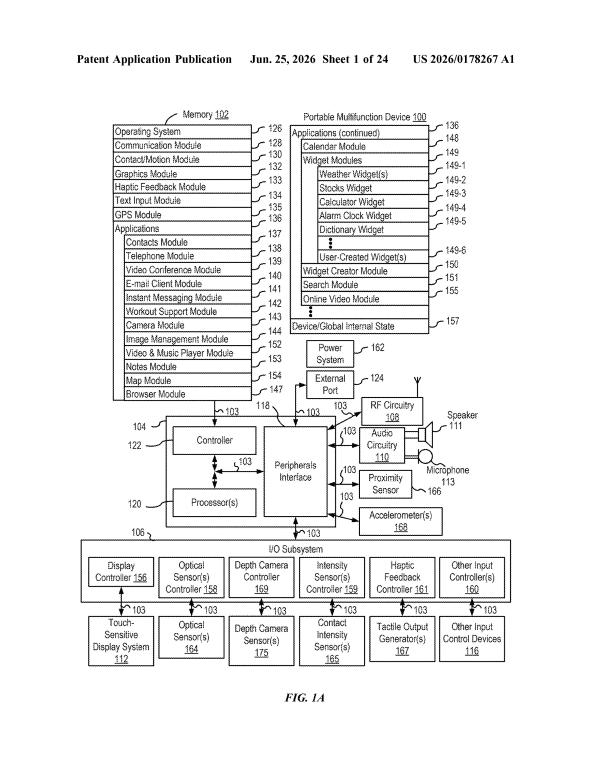
Knowing which device holds an active call lets handoff prompts appear only when they're actually useful, rather than bothering you every time devices are near each other.
Devices could route user input to whichever screen deserves it based on physical contact, solving the problem of how to know which device you actually want to control when they're stacked or touching.
Cross-account content handoff requires devices to verify they're physically near each other and authorized to share. This filing maps how one device securely confirms another device's location and identity before exposing content from a different Apple ID.
Proximity sensing lets the Mac automatically surface the iPhone as a camera option without manual selection, solving the friction of hunting through settings during time-sensitive video calls.
Questions readers ask
What problem is Apple actually trying to solve with these patents?
The filings focus on getting devices to sense their position relative to each other and to the user, then automatically decide which one should handle a call, play music, or act as a camera. The goal seems to be cutting down on manual pairing and app switching.
Does this mean Apple is about to release a new handoff feature?
Not necessarily. Patents describe engineering directions Apple is protecting, not confirmed product plans. This batch shows where Apple's proximity and context-sensing research is concentrated, but there is no guarantee any specific filing ships as a feature.
How would my iPhone know which speaker or device to use?
Several filings describe systems that use distance, room position, or which device connected first to pick a target automatically, for example choosing the nearest HomePod or handing a call to a nearby iPad. The exact sensing method varies by filing.
Why do multiple patents cover similar handoff scenarios?
Because the underlying problem, deciding which nearby device should respond, shows up in many contexts: calls, music, screens, and cameras. Apple appears to be filing separate patents for each scenario rather than one single mechanism covering all of them.
Want this weekly breakdown for a company we don't cover?
Patentlyze Pro →
The weekly email: the best of Big Tech's filings, in plain English. Free.