IBM's Quantum Computing Patents, and what they reveal about its plans
This tracker collects IBM and Red Hat patents that address the physical and software plumbing of quantum computers, from switches and wiring to error correction and result-predicting software. The filings point to a coordinated effort to make quantum systems easier to build, debug, and run alongside conventional computing.
20 filings
· tracking since May 2026 · latest Sep 2026 · updates weekly
based on all tracked filings in this watchlist · refreshes every week
IBM is filing patents across nearly every layer of quantum computing, from the physical hardware that holds the machine together to the software that runs jobs on it.
The filings cluster most heavily around two problems: reducing errors and noise that make quantum results unreliable, and building smarter software that can route and rewrite programs to work across different machines.
What’s new in IBM's quantum computing buildout
a dated entry each week this watchlist moves · older entries stay archived
Sep 10, 2026 3 filings joined
All three new filings focus on making quantum computers more reliable. IBM is working on better error handling, stronger connections between parts, and cleaner program execution.
The focus areas inside IBM's quantum computing buildout
the problems IBM keeps filing on · each with its three newest filings · new filings join every week
Reducing Noise and Errors 6 filings
Quantum computers make mistakes because tiny signals interfere with each other and hardware defects creep in. These filings cover ways to quiet that interference, find hidden defects, and catch and fix errors before they ruin a calculation.
Different quantum machines speak different languages and cannot easily share work. These filings cover middleware that bridges incompatible machines, automatic program rewriting for different hardware, and a system that reroutes jobs on the fly.
Predicting Outcomes and Simulating Circuits 3 filings
Before running a real job, it helps to know what will happen and what resources it will need. These filings cover a neural network that predicts circuit outputs, a system that predicts resource needs before jobs run, and a simulator that can handle many calculations at once.
Building quantum computers that can grow and stay reliable requires careful physical design. These filings cover chambers that snap together, a wiring layout that cuts interference, a switch that steers signals, and a way to split the machine into separate work zones.
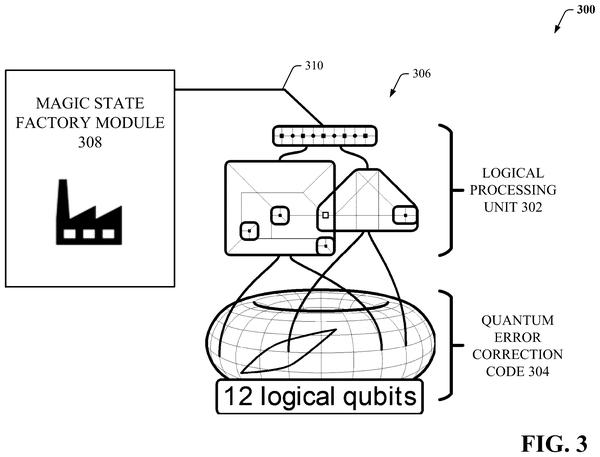
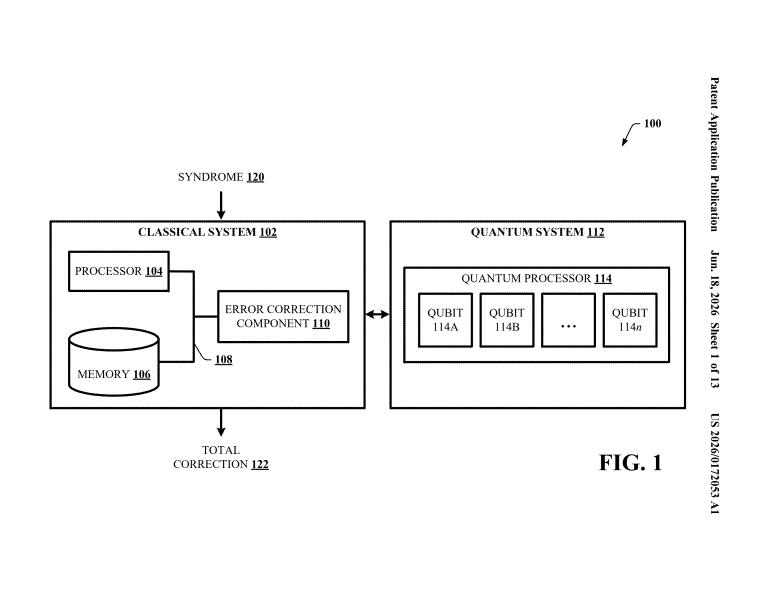
A working quantum computer needs to keep calculations running while constantly fixing errors as they happen. This filing shows how separating storage from processing lets the machine catch and correct mistakes without interrupting the computation.
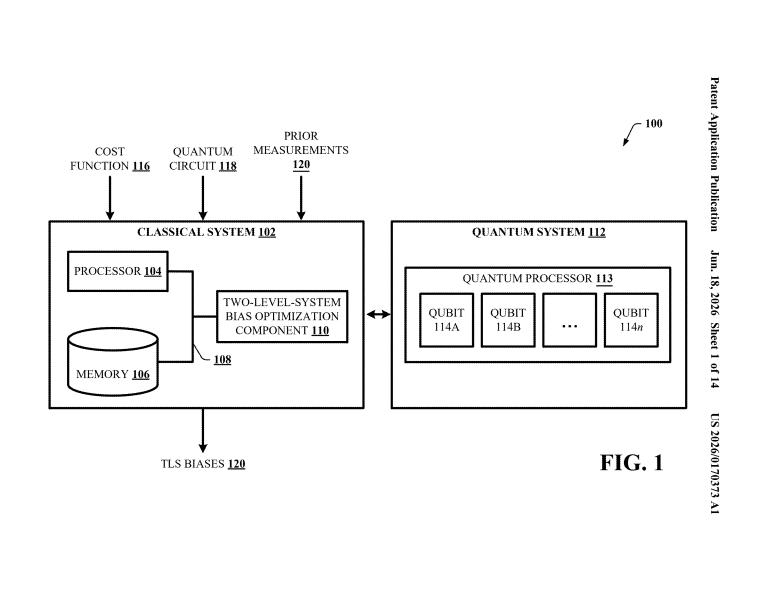
A working quantum computer needs someone to constantly tune error-correction settings by hand. This system learns which settings work for different hardware states, removing that manual step from operations.
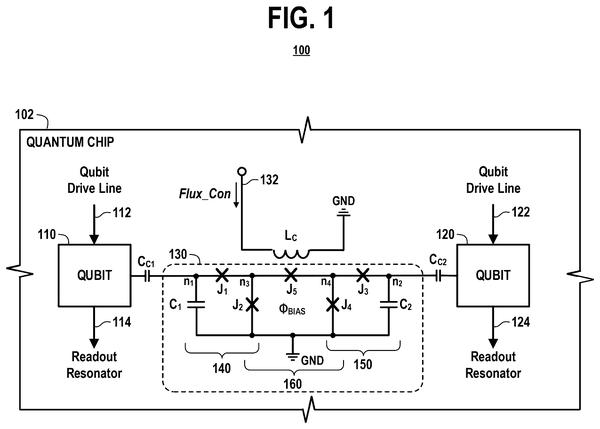
Quantum computers need qubits to interact selectively without crosstalk corrupting neighboring bits. This coupler design isolates two-qubit gates, reducing the stray interactions that currently limit scaling to larger processor arrays.
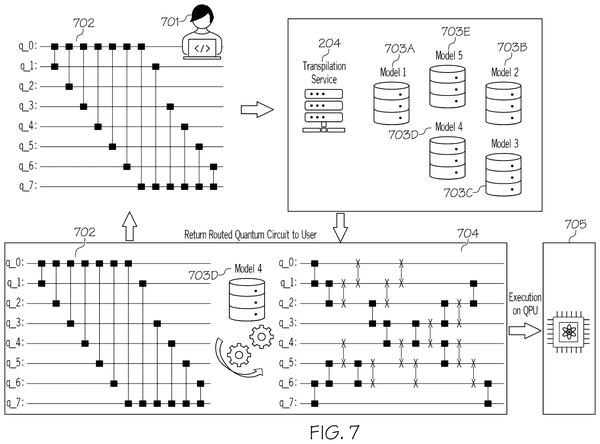
Quantum machines must physically reroute calculations around hardware defects; training an ML model to do this routing with minimal noise degradation cuts a direct path to usable results.
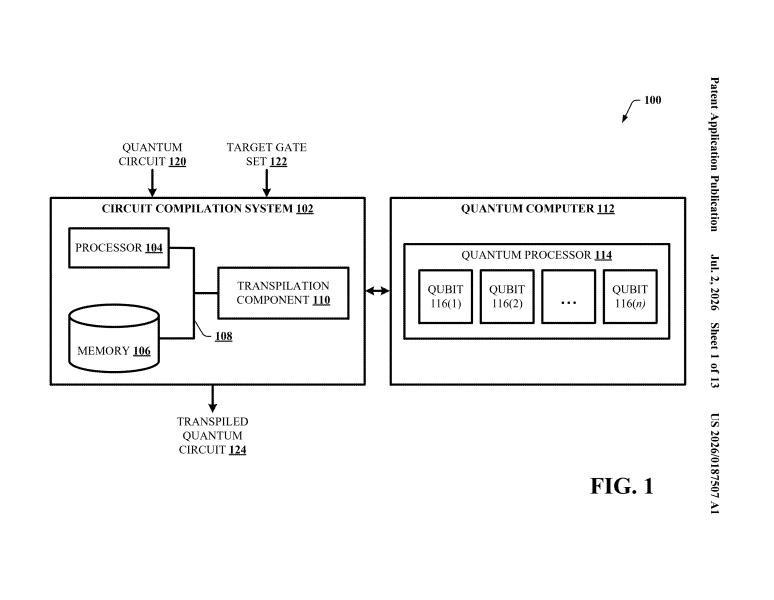
After mapping the wiring and switches, IBM now automates the translation between what programmers write and what hardware can actually run, using machine learning to find efficient paths through physical constraints.
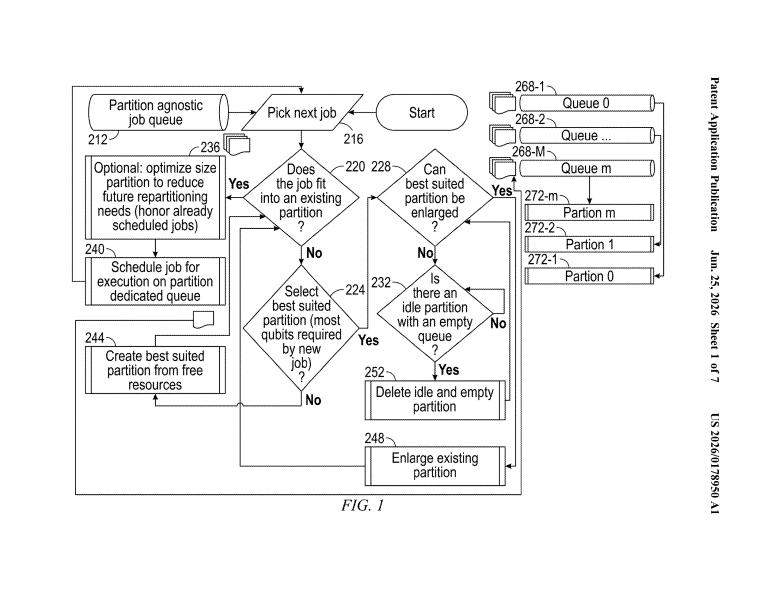
Letting multiple jobs run simultaneously on a single quantum machine cuts idle time that currently wastes expensive hardware. This confirms IBM's strategy of improving utilization rather than just building more machines.
Automatic rewriting of quantum code during compilation solves a core portability problem: programs written for one chip's instruction set now run on competing hardware without manual recoding, reducing the friction of multi-vendor quantum environments.
Quantum computers need classical computers to manage their resources in real time. This filing shows IBM working out how to forecast those resource demands upfront, so jobs won't stall or fail partway through execution.
The plumbing work continues deeper: IBM moves beyond cable shielding to redesign how control wires physically sit next to each other, preventing signal bleed before it starts rather than fighting it afterward.
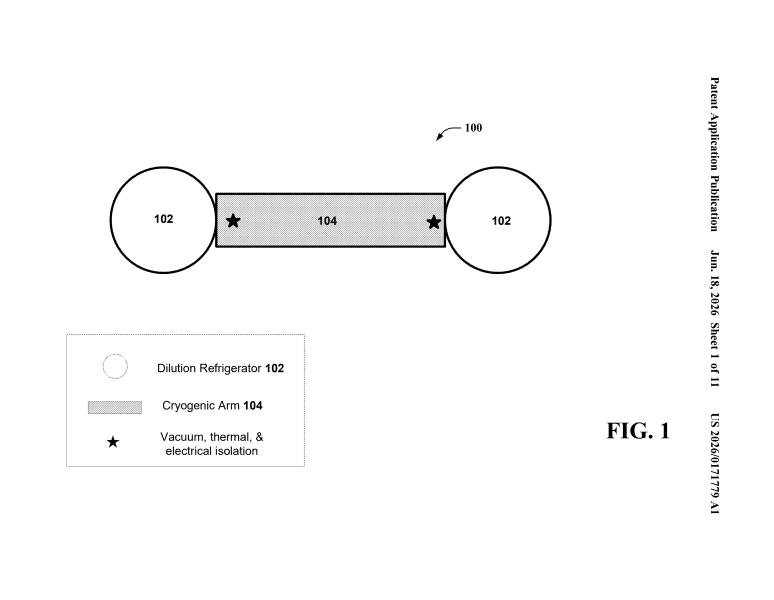
Scaling cryogenic chambers by stacking modular units instead of building single large enclosures sidesteps the engineering and cost barriers of manufacturing oversized freezers.
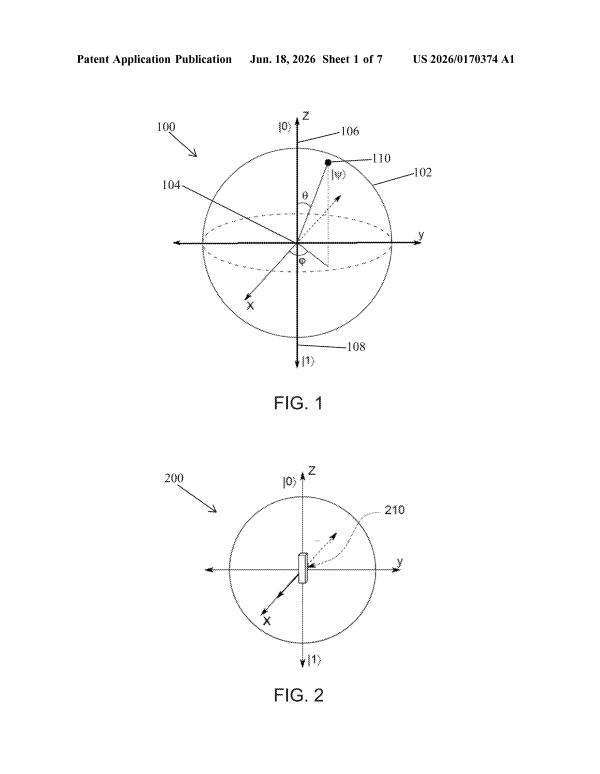
A rolling ball maps physical rotations directly to quantum gate operations, letting programmers bypass abstract math notation and work with spatial intuition instead.
Quantum computers lose reliability as hidden defects accumulate during operation. This filing proposes using machine learning to automatically detect and map these defects so operators can compensate without shutting down the system.
After patenting the physical infrastructure for quantum systems, IBM now moves upstream to the error detection layer itself, describing a two-stage method to identify and fix qubit failures before cascading corrupts the entire calculation.
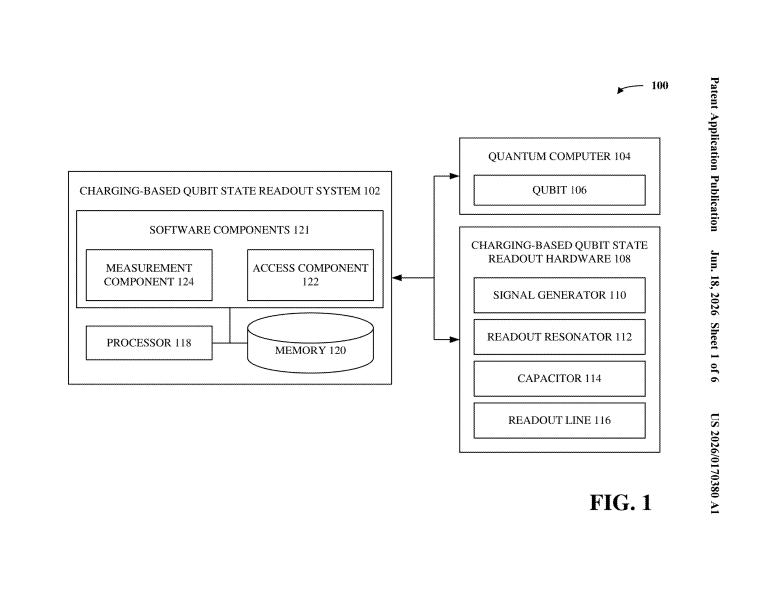
Qubit measurement noise corrupts results, so splitting the signal path into separate channels lets IBM detect the quantum state without the crosstalk that degrades conventional single-path readouts.
A failover mechanism that reassigns quantum jobs to alternative processors when the primary target goes offline, solving the practical problem of job loss from hardware unavailability without requiring manual intervention.
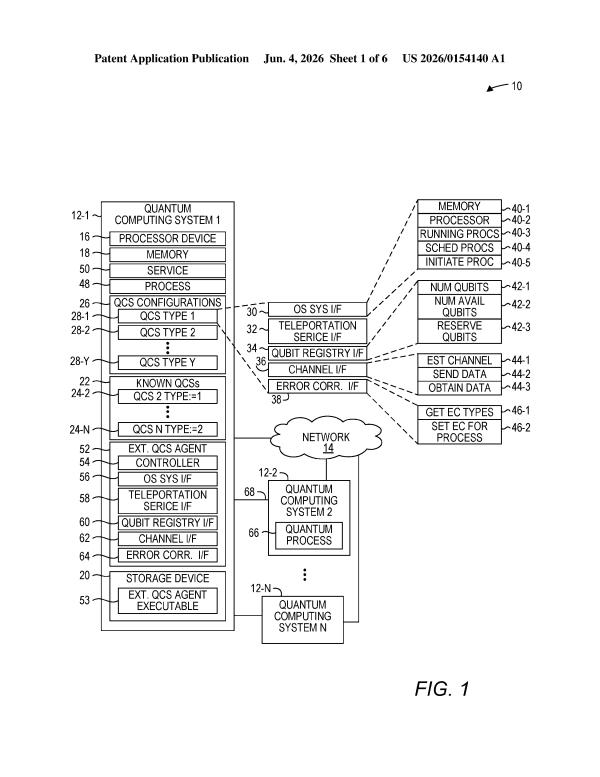
As IBM and Red Hat move past individual machine optimization, this filing shows them building a translation layer so different vendors' quantum systems can operate within a single workflow.
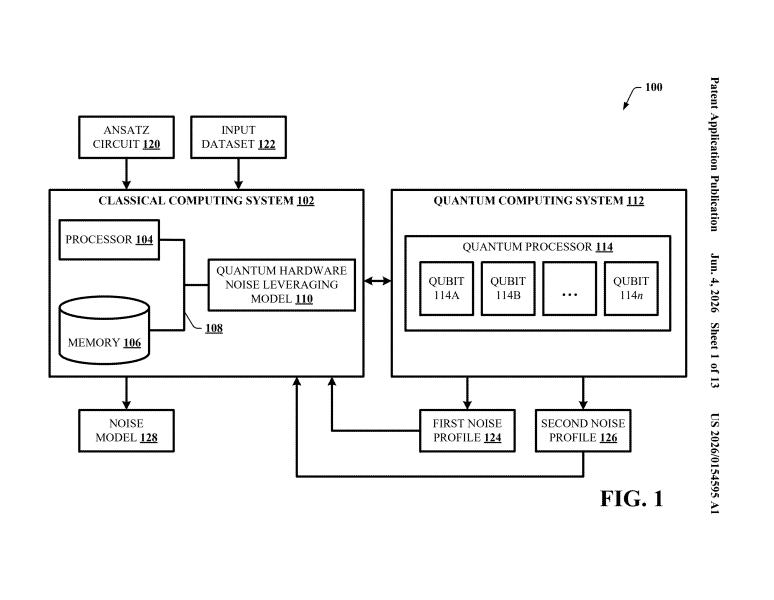
Quantum error rates usually demand filtering or correction. IBM's filing shows how to extract signal from the noise itself, feeding measurement artifacts into machine learning models instead of discarding them.
A neural network learns to mimic quantum circuit behavior from prior runs, letting developers test code paths without burning through expensive hardware cycles each time.
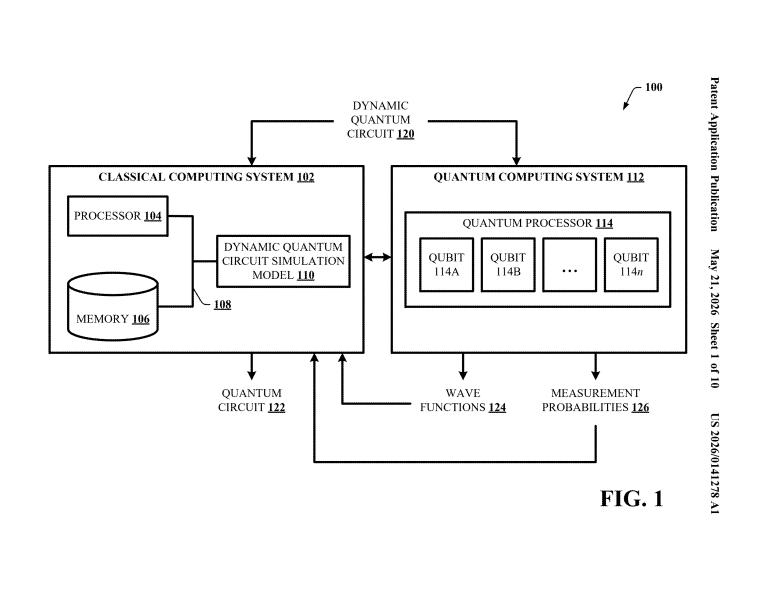
Quantum circuit simulators could run thousands of test variations without recalculating from scratch each time. This patent stores intermediate wave functions to let researchers skip redundant computation and run simulations in parallel.
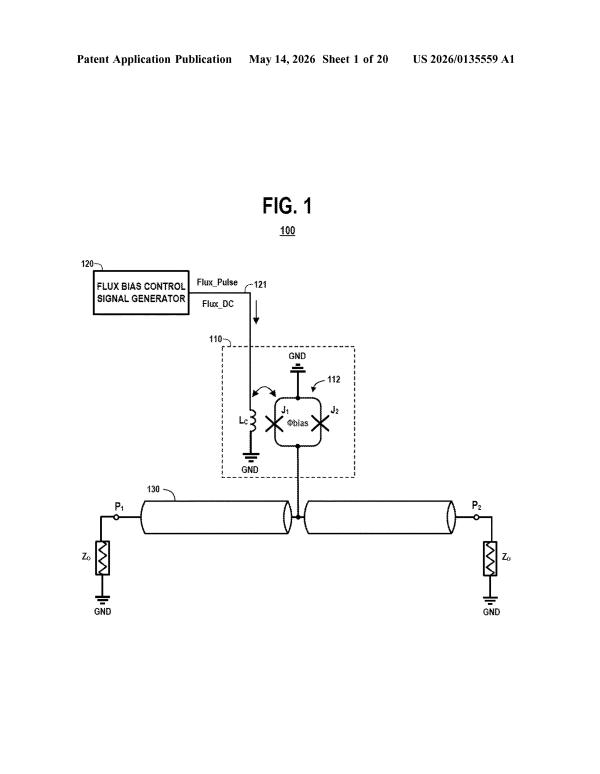
Switching quantum signals without moving parts that could introduce heat and noise requires superconducting materials that IBM's design keeps tunable across different operating states.
Questions readers ask
What kinds of problems does IBM's quantum patent portfolio address?
The filings span hardware issues like signal routing, wiring interference, and cryogenic assembly, as well as software problems like predicting circuit outputs, managing noise, and estimating resource needs before a job runs. Together they describe an effort to make quantum computers more practical to build and operate, alongside making them more powerful.
Is Red Hat actually building quantum software, or is this just IBM?
Red Hat appears in filings focused on interoperability, including a middleware layer that connects quantum computers from different vendors and a system for rewriting quantum programs across hardware types. That suggests IBM is working with Red Hat specifically on the software layer that lets different quantum systems talk to each other.
Do these patents mean IBM has working quantum products?
No. A patent filing describes an idea IBM wants to protect, not a shipped product. Some filings here, like a ball-based programming controller, read more like exploratory research than something headed for a data center anytime soon.
Why do so many filings focus on error and noise?
Quantum computers are unusually sensitive to errors and noise, and several filings address that from different angles: one method treats noise as usable information rather than a flaw, another focuses on faster two-step error correction, and a third uses AI to hunt for hidden hardware defects. Reliability is a recurring concern across the watchlist.
Want this weekly breakdown for a company we don't cover?
Patentlyze Pro →
The weekly email: the best of Big Tech's filings, in plain English. Free.