What the filings show
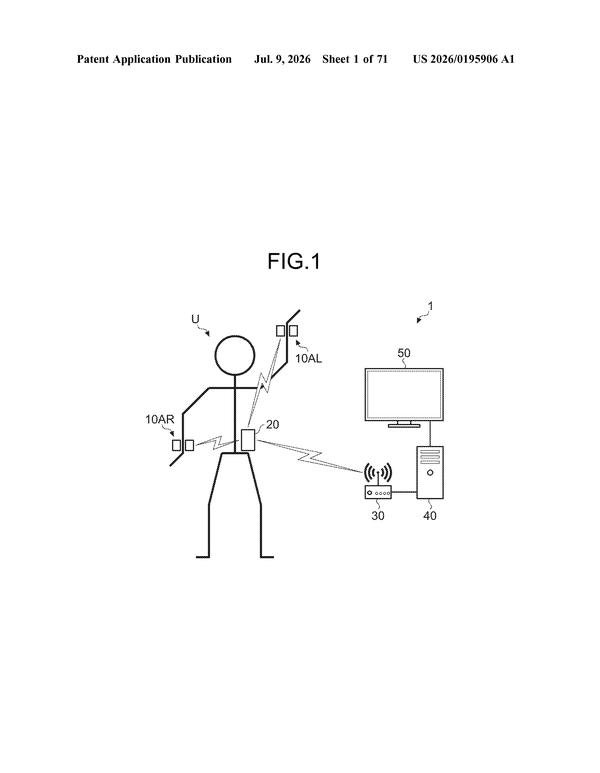
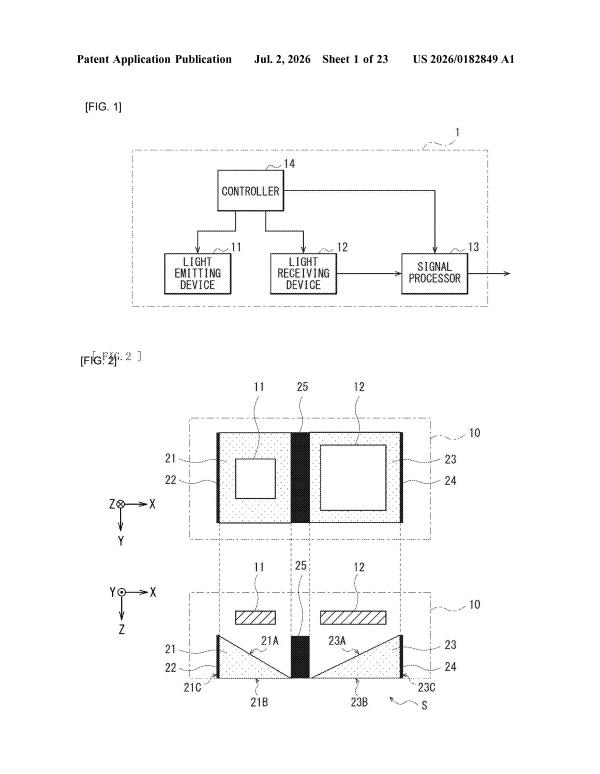
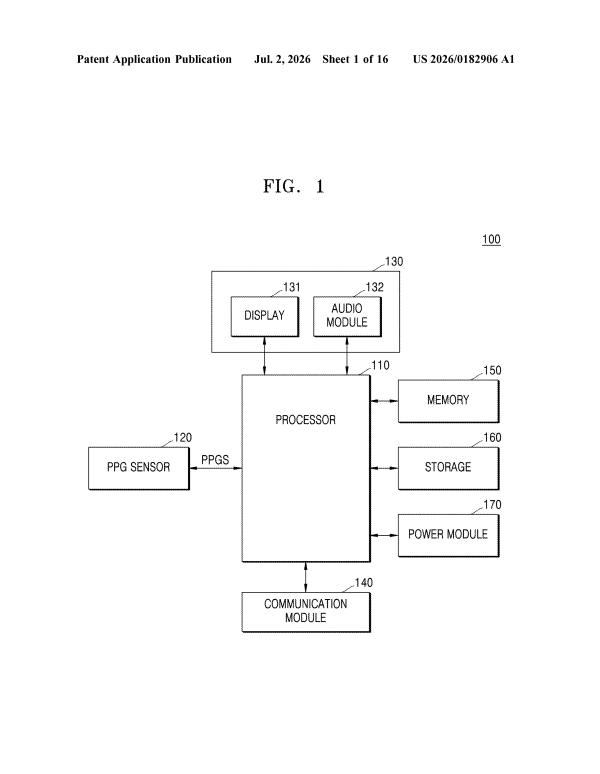
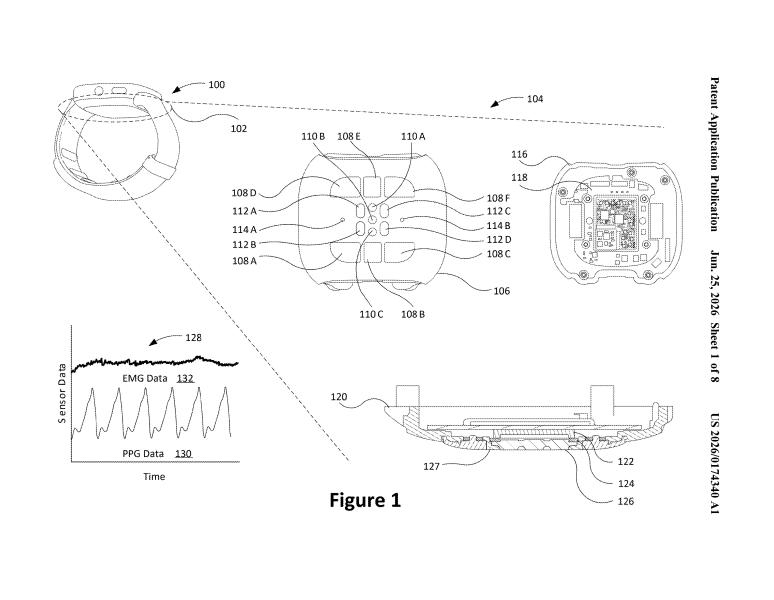
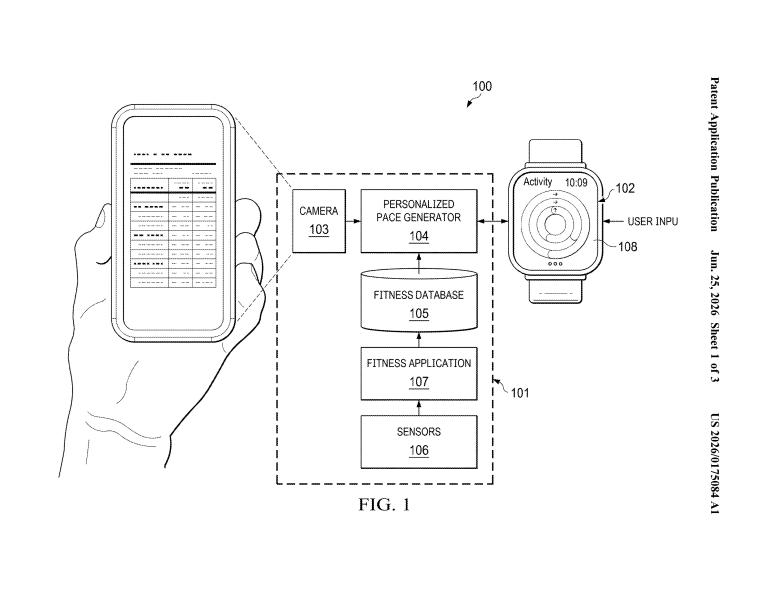
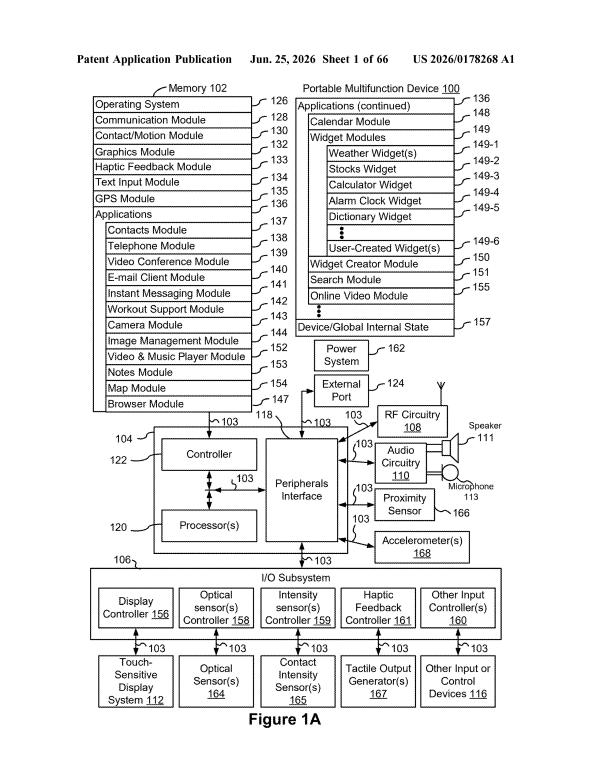
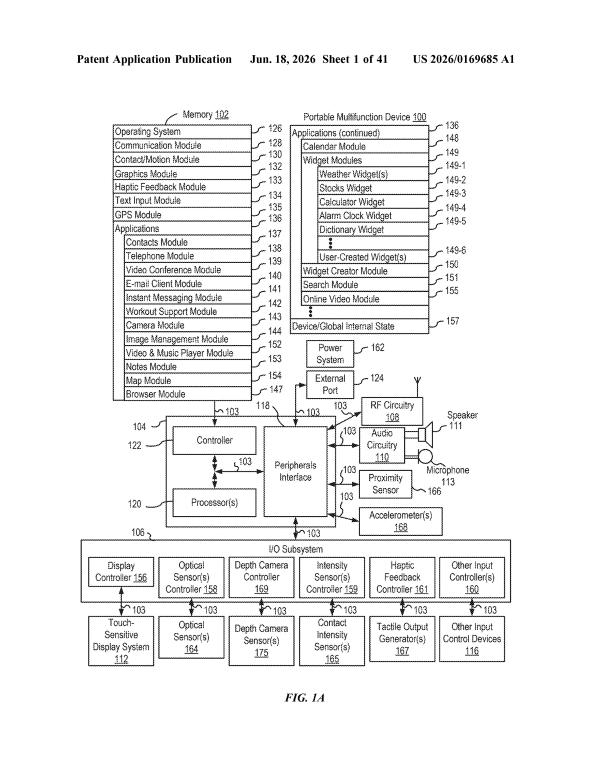
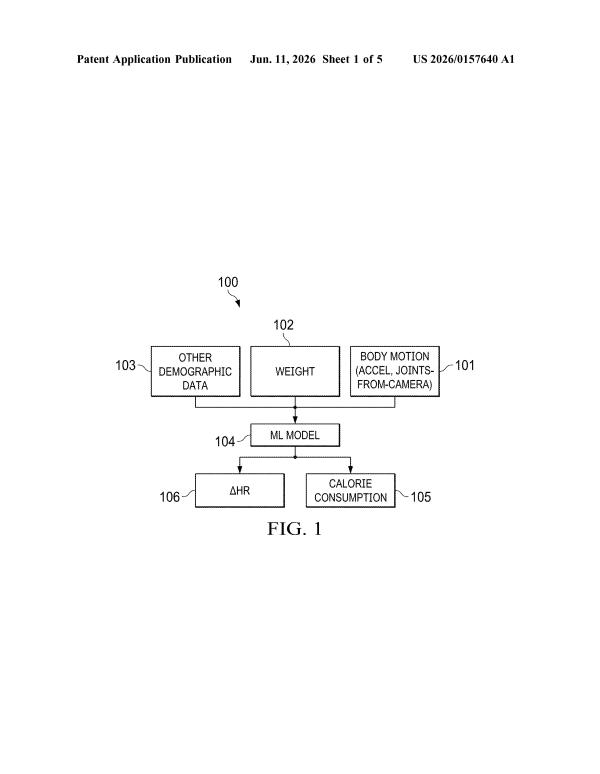
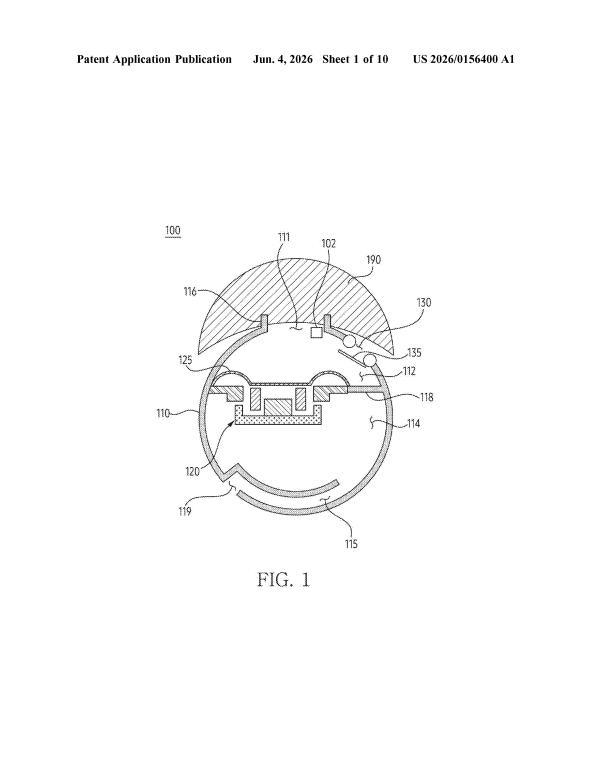
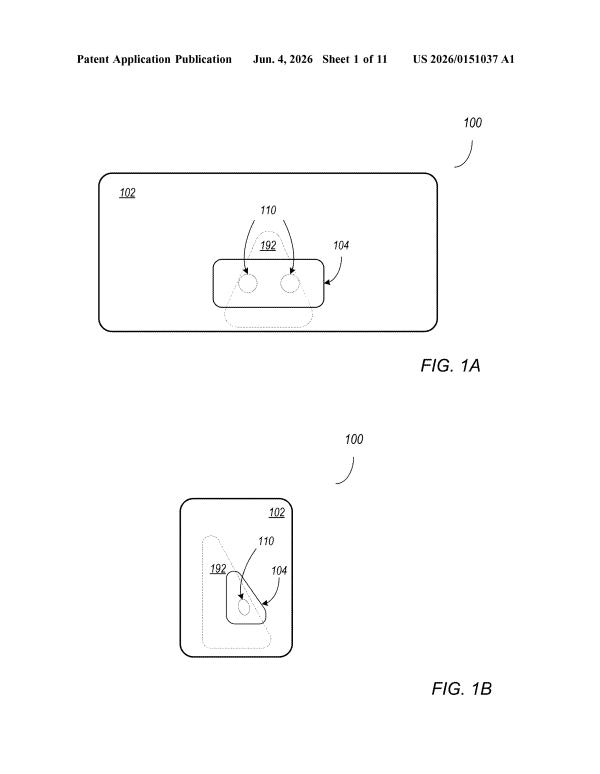
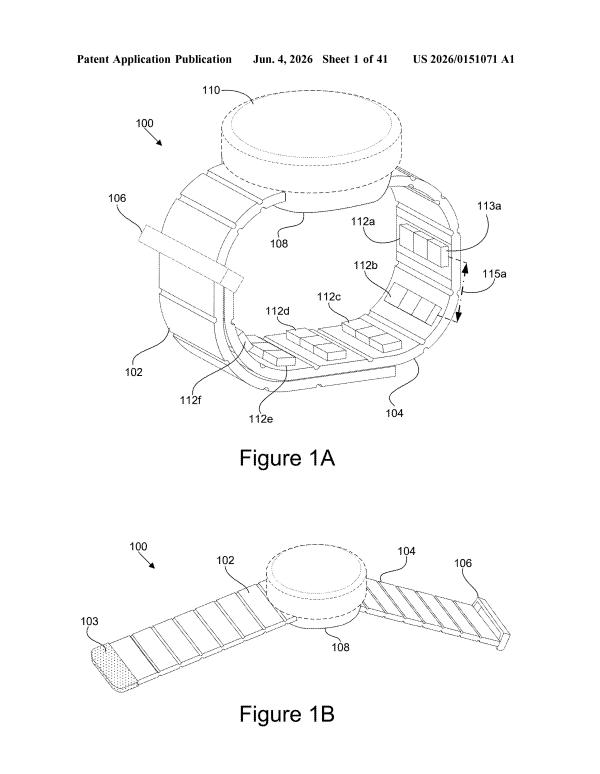
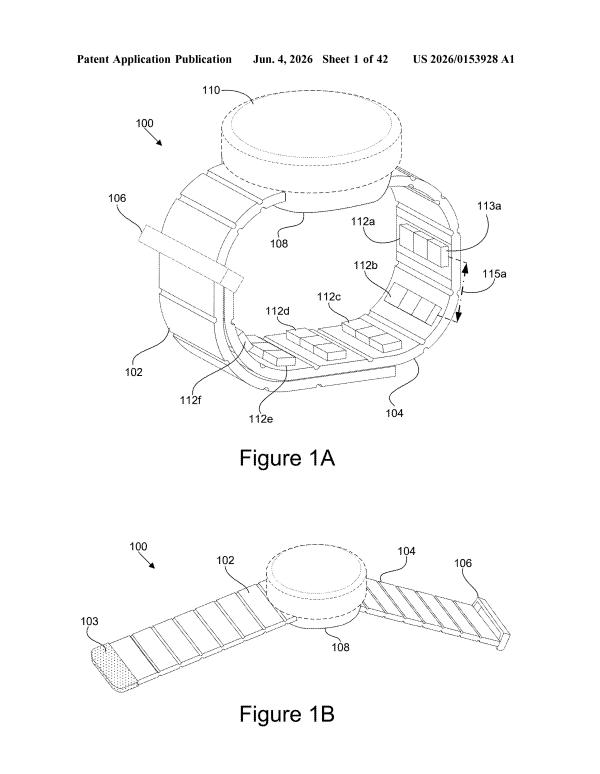
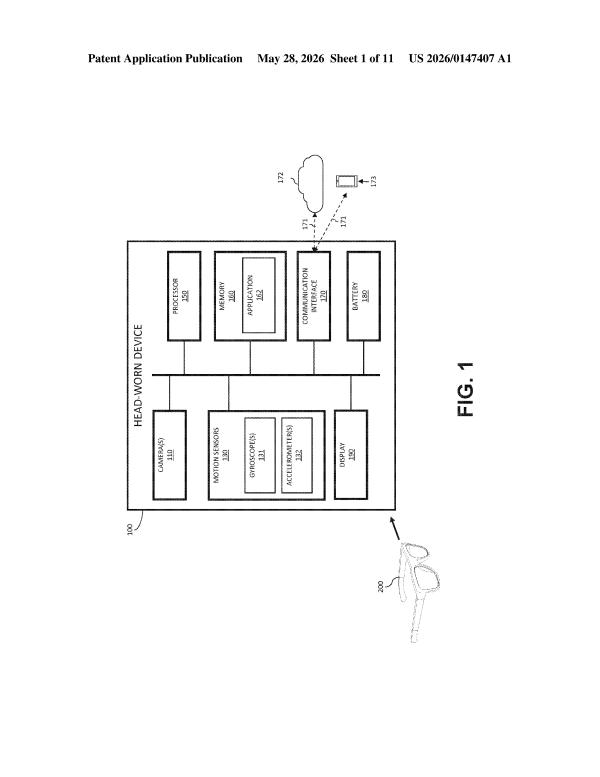
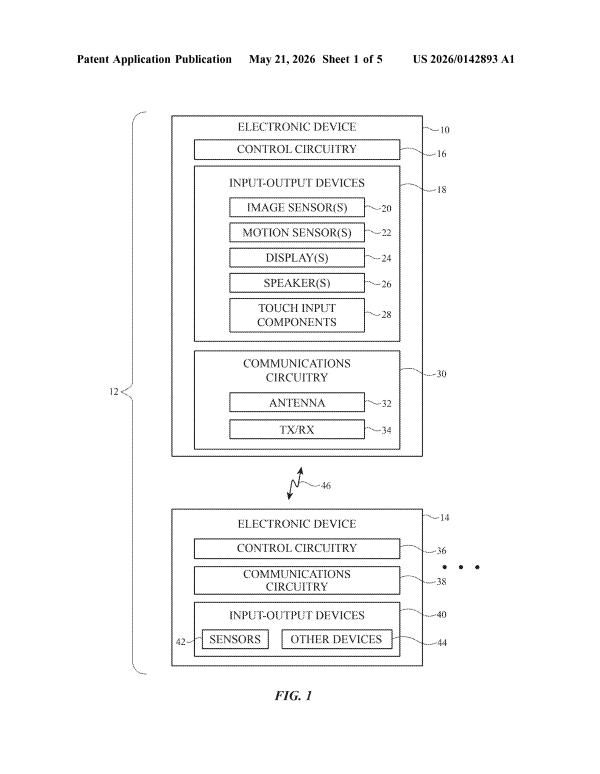
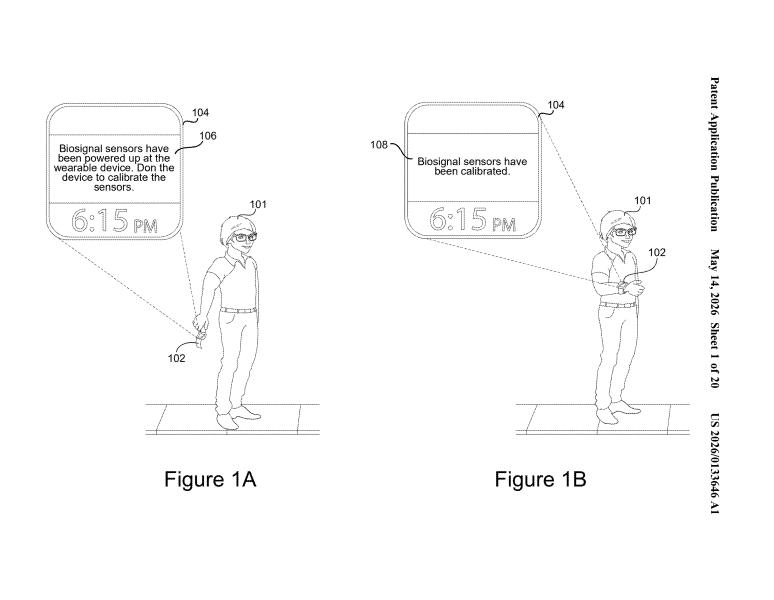
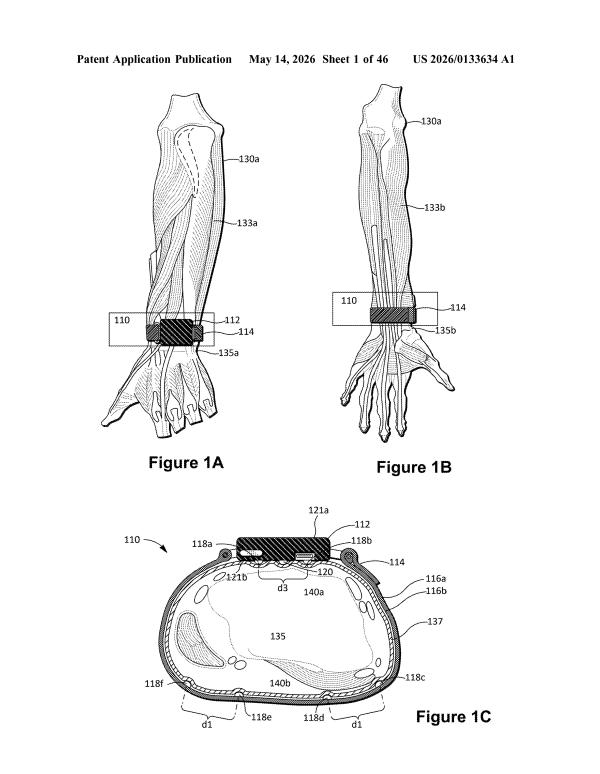
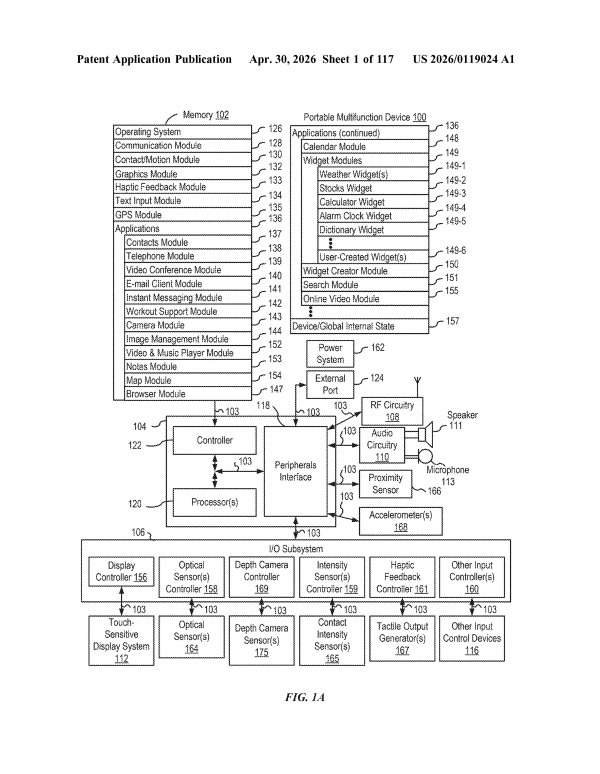
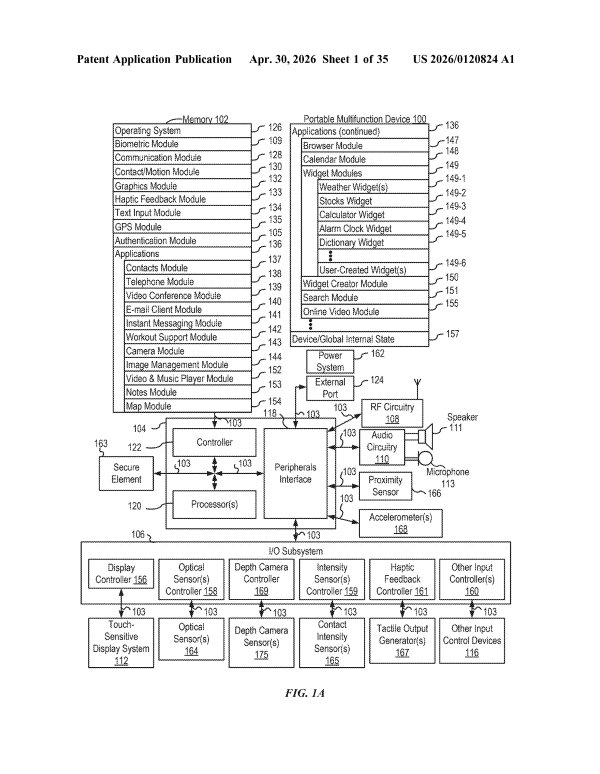
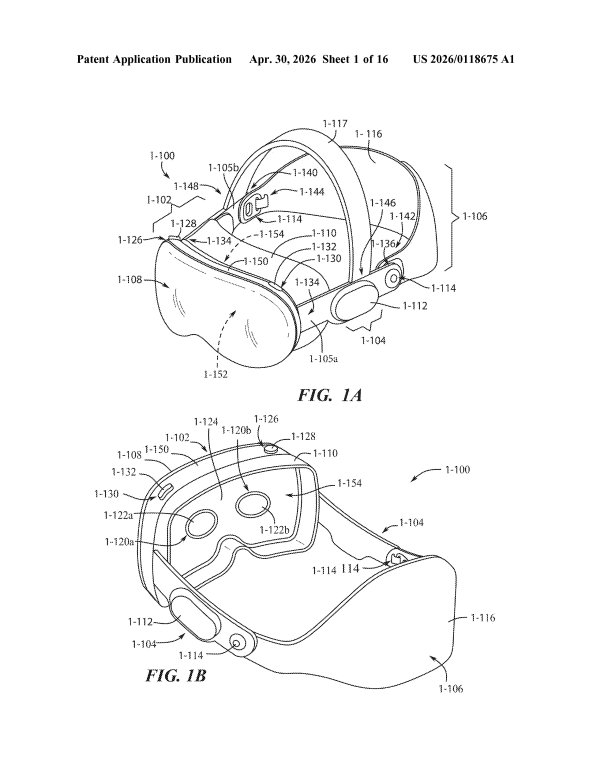
Most of the engineering in this batch goes into making sensors trustworthy in real conditions. Apple's patents cover light-based breathing detection, motion-gated heart rate sampling that skips readings during mid-stride spikes, and thermal sensors built into a headset to check temperature and breathing from the inside. Meta's filings focus on the wiring problems behind muscle-reading wristbands: active ground-tracking circuits and electromagnetic shielding meant to keep EMG signals clean when a device is worn against skin in the real world, not a lab.
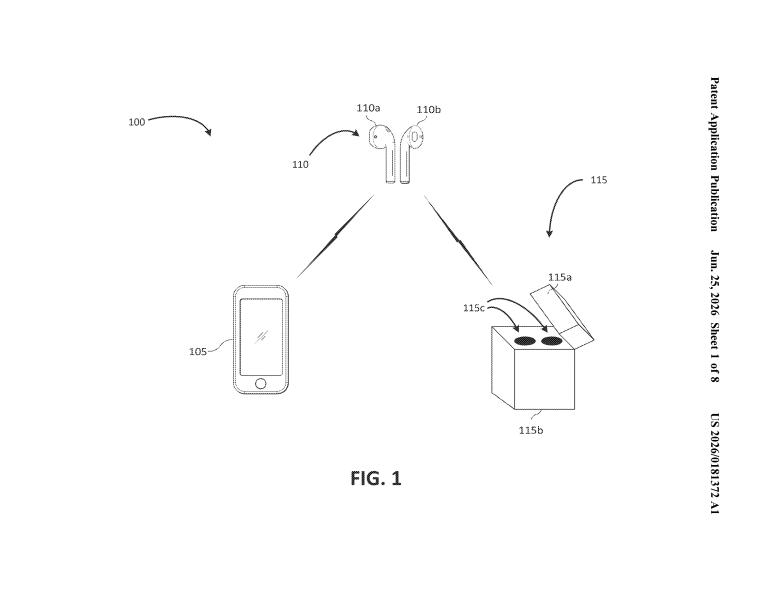
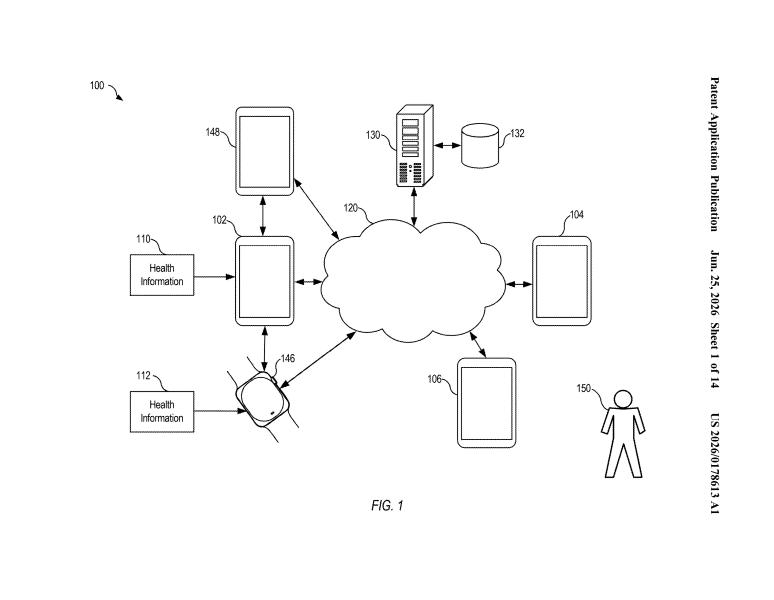
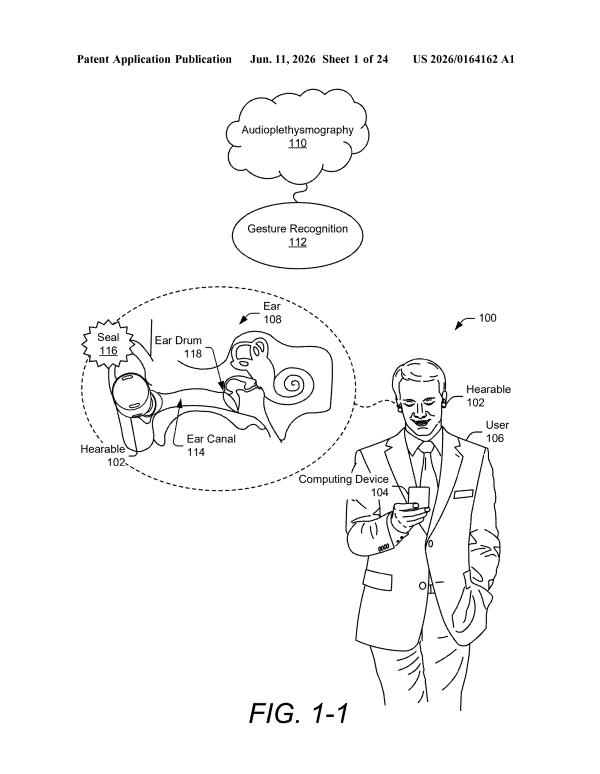
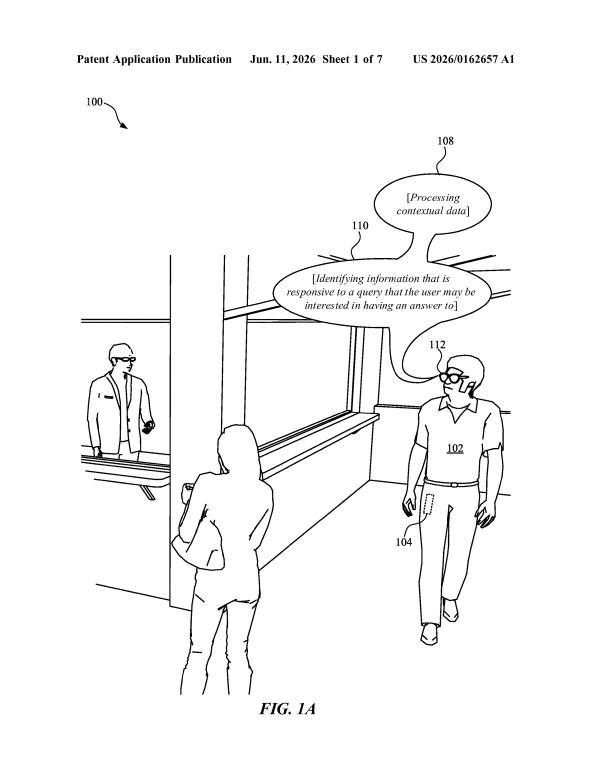
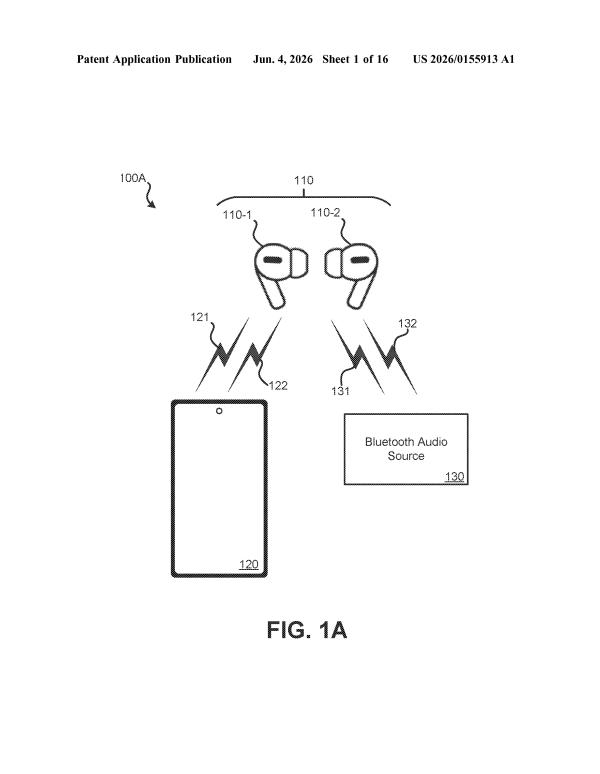
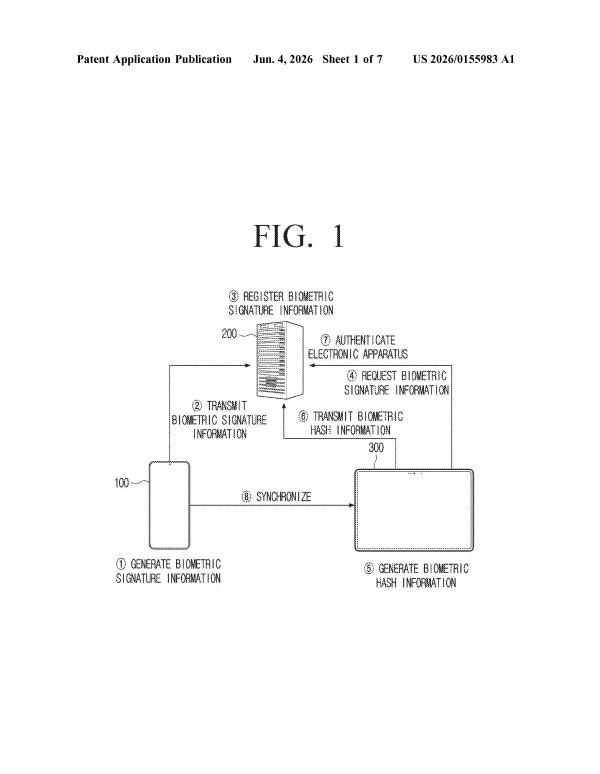
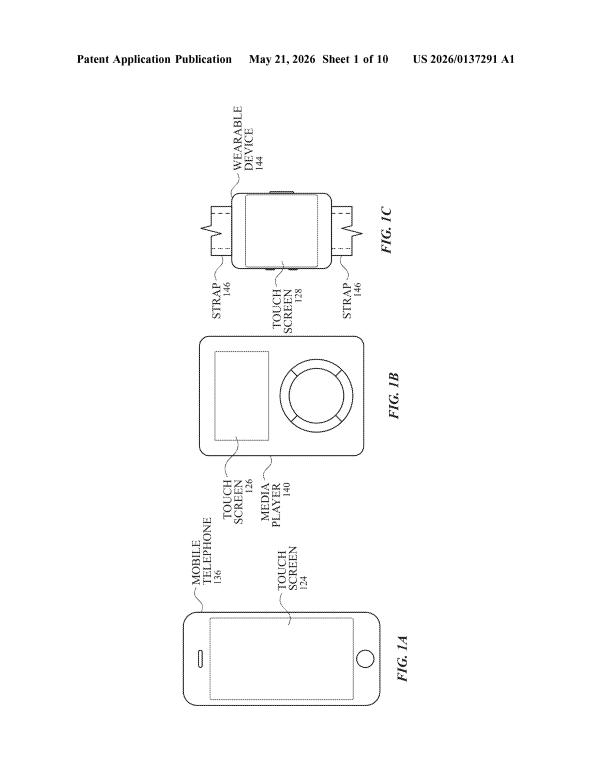
A second cluster of filings is about letting devices act on your behalf without a tap. Apple describes an iPhone that shifts into sleep mode on its own schedule and a way to serve health data back to users in a more useful form. Apple and Google both file on gesture recognition, from mid-air hand control of speaker playback to a two-step head-gesture system for nodding yes or shaking no. Google also patents a way for one earbud to rescue a failing Bluetooth connection mid-call.
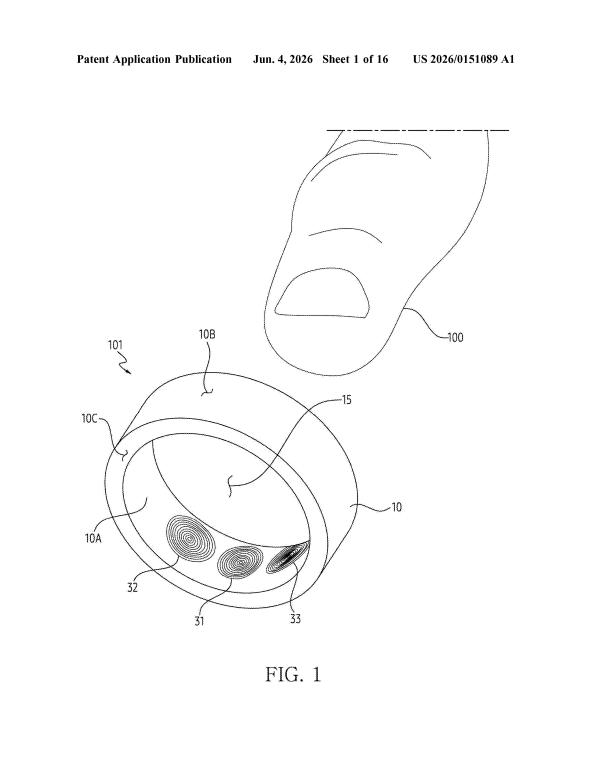
Across companies, the pattern is the same: better raw sensing, then software that interprets it automatically and. Apple leans into passive health monitoring built into existing hardware like phones and headsets. Meta concentrates almost entirely on making its muscle-reading wristband viable outside a lab. Google's filings sit closer to interaction, gestures and connection handoffs, rather than health sensing itself. Readers should watch whether these patents start clustering around a single wearable form factor instead of separate devices.
Questions readers ask
Does this mean Apple, Meta, and Google are about to release these features?
No. These are patent filings, which describe research directions and possible designs, not confirmed products or launch dates. Some ideas in this storyline may show up in future devices, others may never ship. The value of tracking them is seeing where each company is investing engineering attention, not predicting a release calendar.
What problem keeps showing up across these patents?
Getting sensors to work reliably outside a lab is the recurring theme. Apple's motion-gated heart rate system and light-based breathing sensor, and Meta's shielding and grounding work for muscle-reading wristbands, all address the same issue: real bodies move, sweat, and generate electrical noise that clean lab data doesn't account for.
How is Meta's approach different from Apple's in this storyline?
Meta's filings concentrate almost entirely on one device type, a muscle-signal wristband, and solve internal engineering problems like grounding and shielding. Apple spreads its filings across phones, headsets, and watches, patenting sleep mode switching, breathing sensors, and heart rate accuracy rather than a single wearable form.
Why do gestures show up so often in these filings?
Several patents, from Apple and Google, aim to let people control devices without touching a screen, using hand motions in the air or a nod and shake of the head. That points toward wearables and earbuds that respond to your body's movement directly, cutting out taps and app switching.