What the filings show
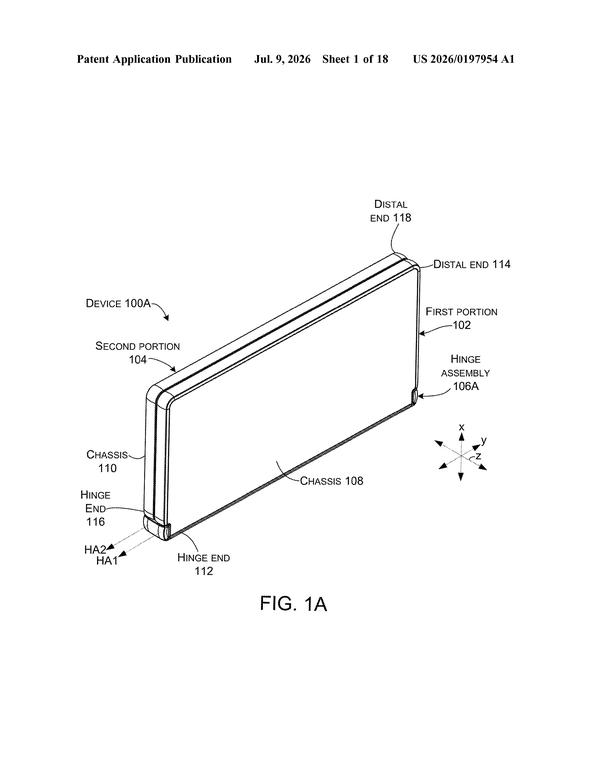
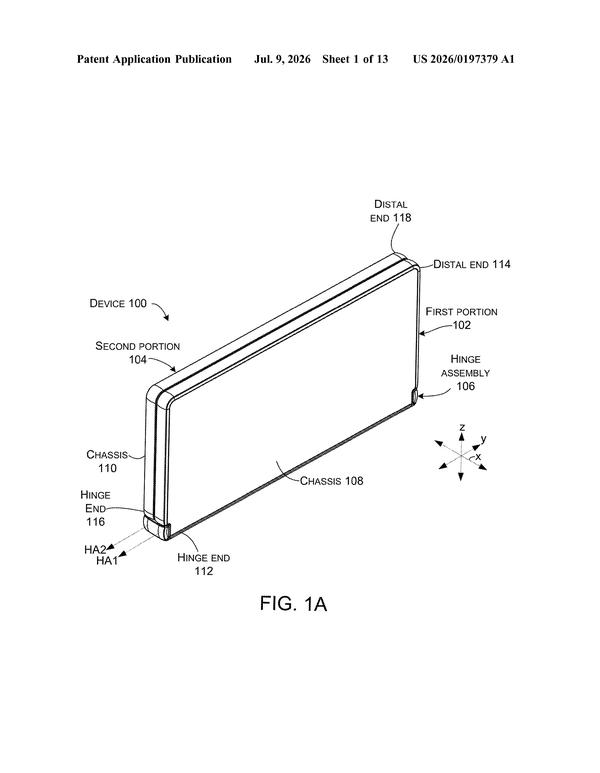
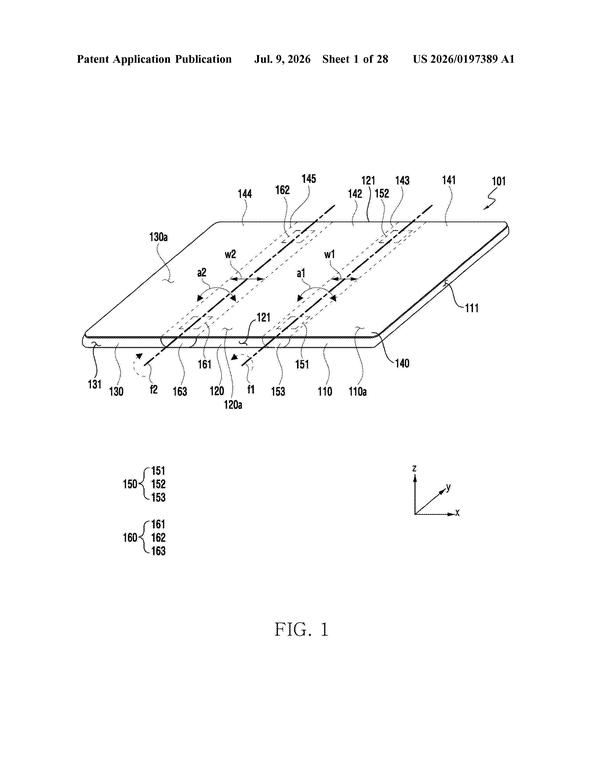
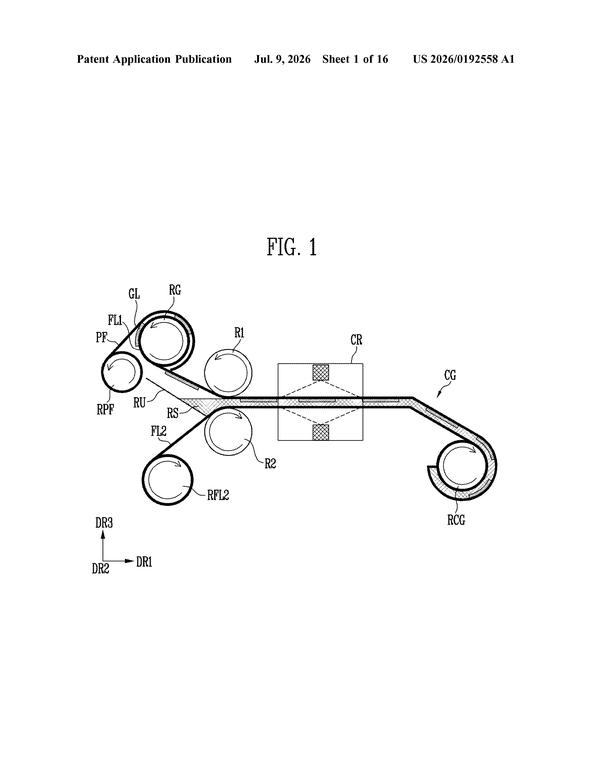
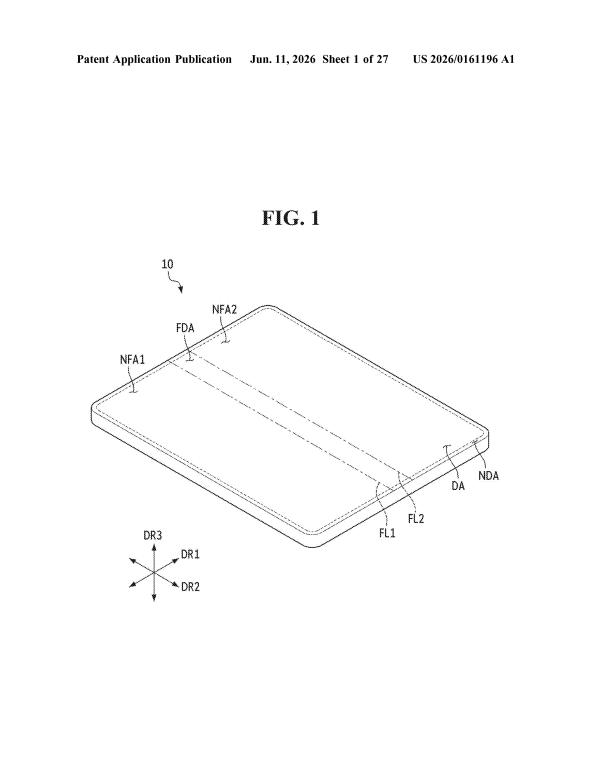
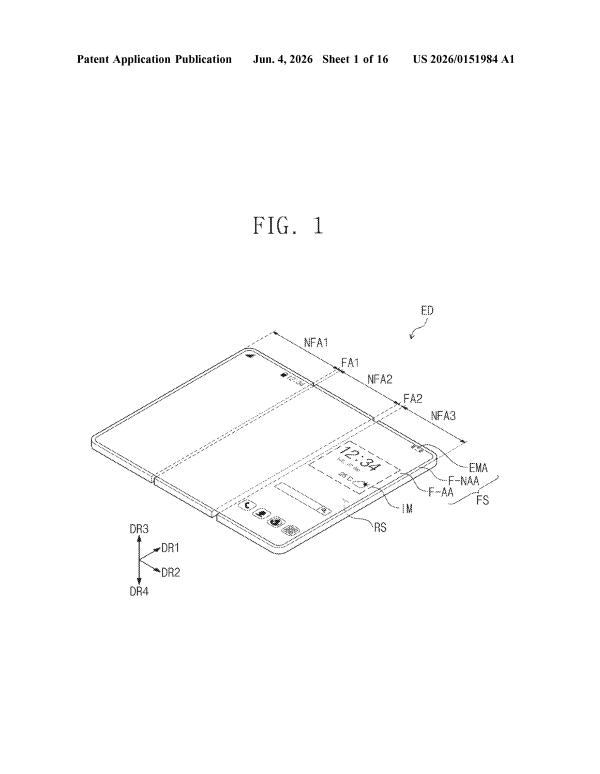
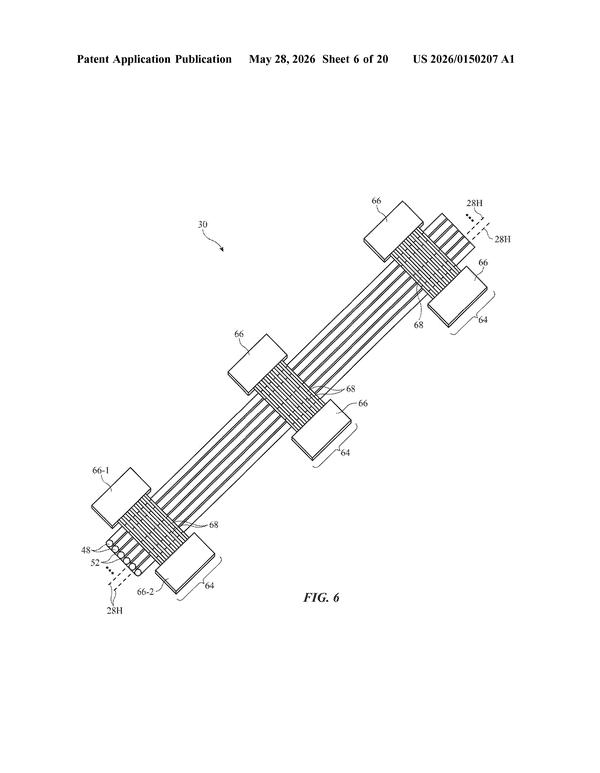
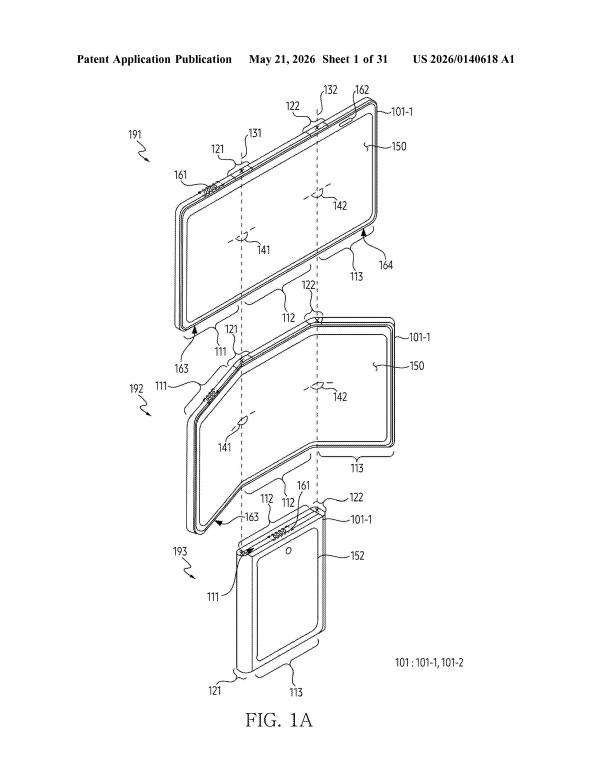
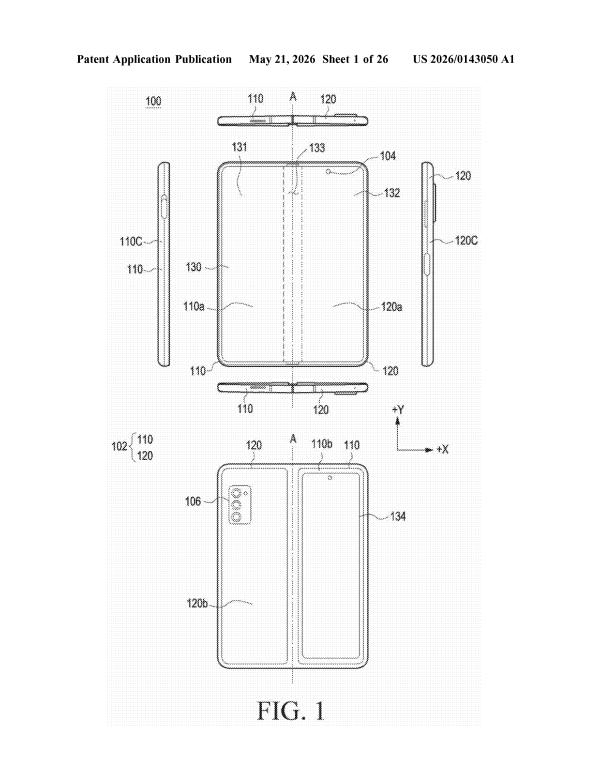
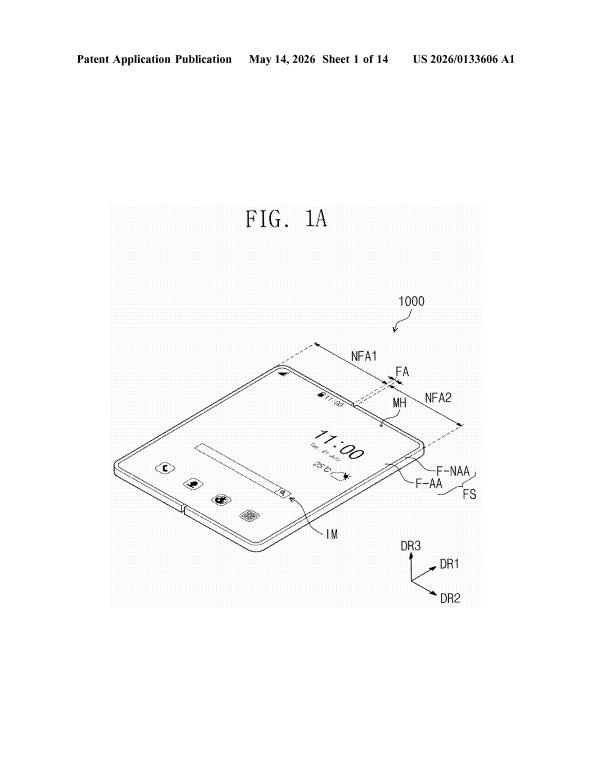
Most of the filings in this storyline aim at the physical stress a fold puts on a phone. Apple's screen stress management system and Samsung's hollow-shaft hinge assembly both try to protect the crease point, while Samsung's stress-resistant flexible circuit board and recessed PCB layout do the same job for the wiring that has to bend along with the display. Even the dual-film window stack fits this pattern, treating the cover glass as another part that has to survive repeated folding.
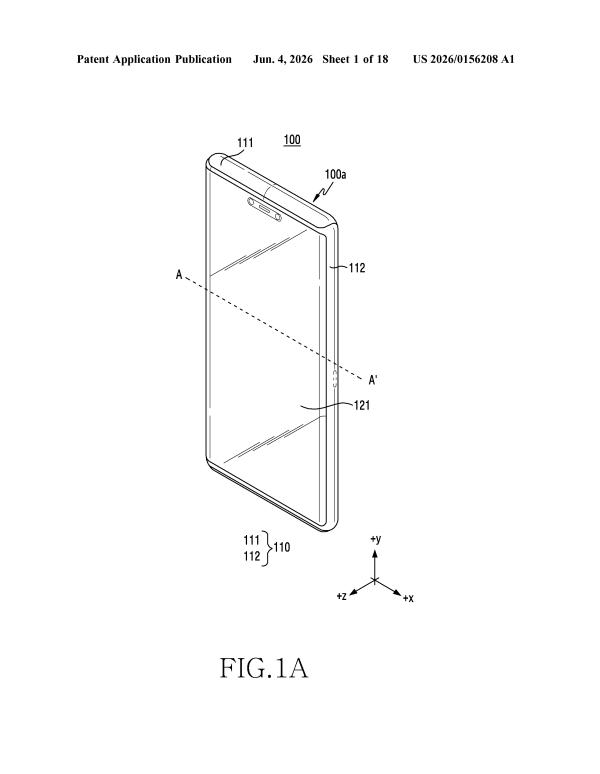
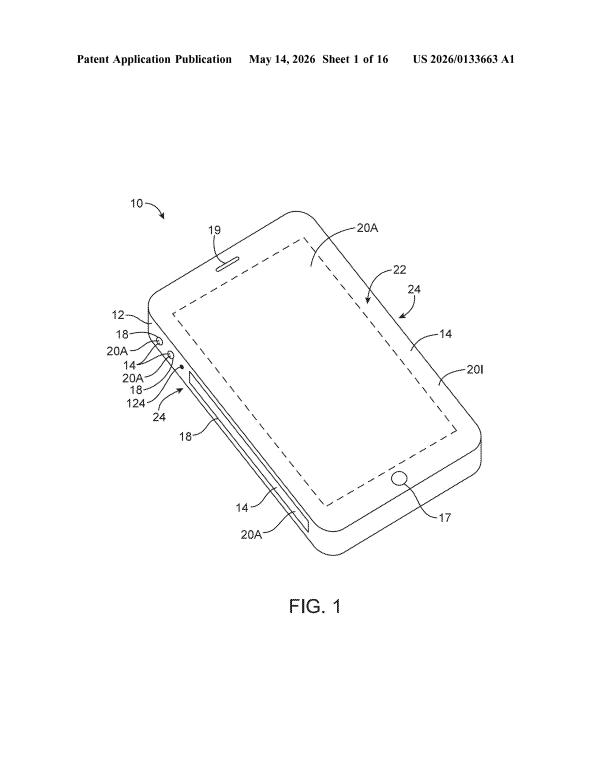
A second cluster of patents deals with what happens on the screen itself rather than under it. Apple is refining core display technology, from a hybrid silicon-oxide gate driver to a fix for pixel crosstalk and a flexible display that wraps around the phone's edges. Samsung's magnetic shield system protects camera motors from the same magnets that snap a foldable shut, and its linear guide system addresses the separate challenge of sliding, expandable displays rather than hinged ones.
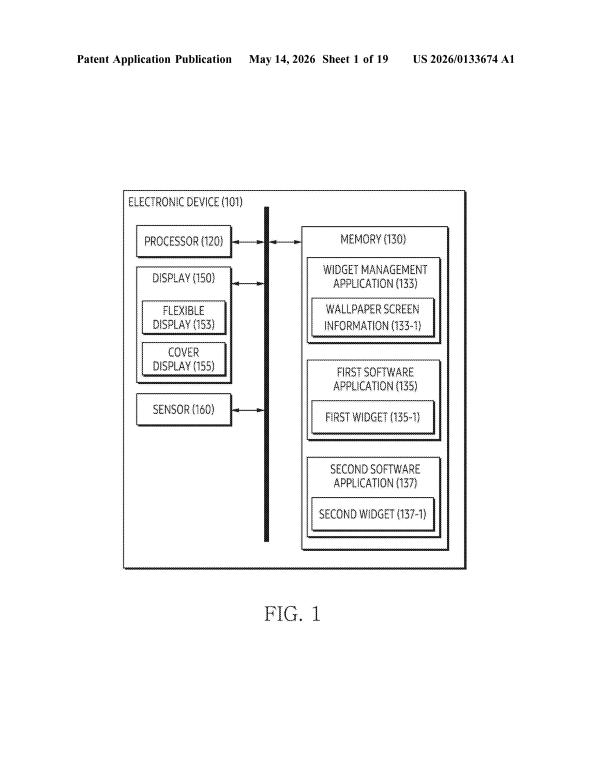
A smaller group of filings covers what users actually see on a folded or cover display. Samsung has patented software that shows port icons in the right place when a phone is folded and charging, plus a way to shrink an active widget down to a smaller tile. These are useful signals to watch: as the mechanical patents pile up, the software layer for cover screens looks like the next place both companies will keep filing.
Questions readers ask
Are these patents guaranteed to appear in future foldable phones?
No. Patents like Apple's screen stress management system or Samsung's hollow-shaft hinge show the technical directions each company is exploring, not confirmed product features. Some ideas in this batch may never ship, while others could show up years later in a different form.
What problem do most of these patents try to solve?
The biggest cluster deals with the physical stress a fold puts on the phone, covering hinges, flexible circuit boards, and the display's crease point. Apple's screen stress management system and Samsung's stress-resistant flexible circuit board both address that same underlying concern.
How do Apple's and Samsung's approaches differ?
Apple's filings lean toward display technology itself, such as gate drivers, pixel crosstalk fixes, and a flexible display that wraps around the phone's edges. Samsung's patents lean more toward mechanical and software solutions, including hinge assemblies, camera shielding, and cover-display software.
Does this storyline only cover hinges?
No, it spans several sub-problems, including screen stress, pixel crosstalk, camera magnet interference, circuit board flexing, and cover-display software. Hinges are one visible piece, but the storyline tracks the whole set of engineering and software patches around foldable design.