What the filings show
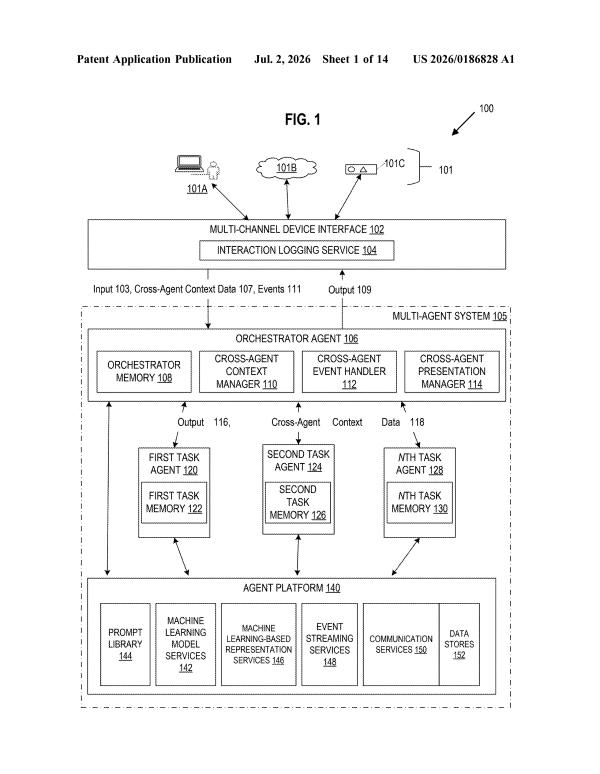
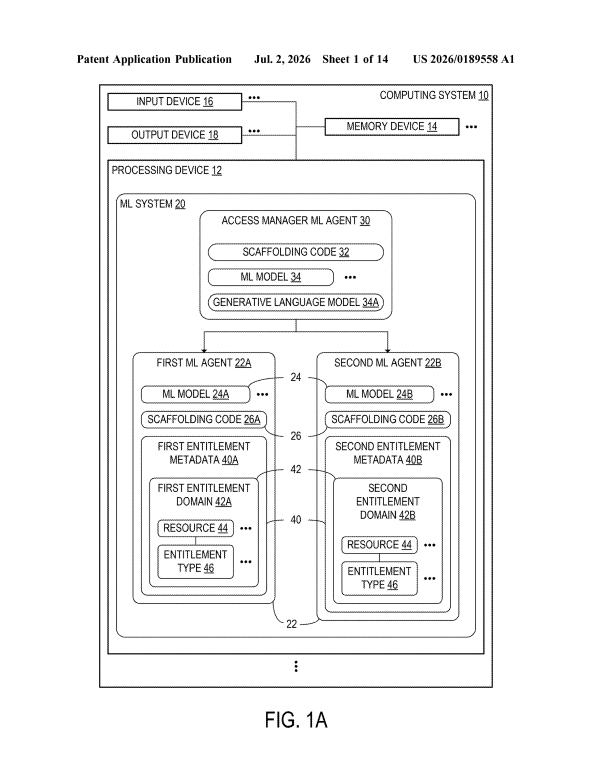
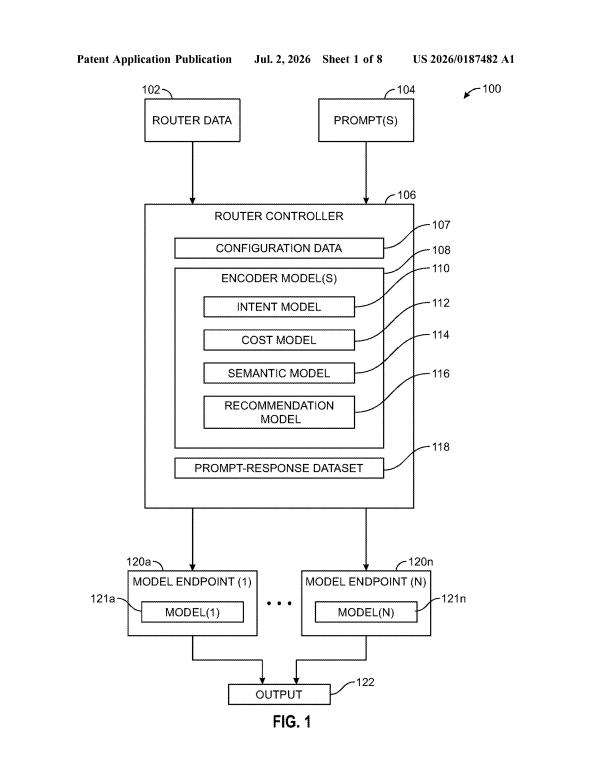
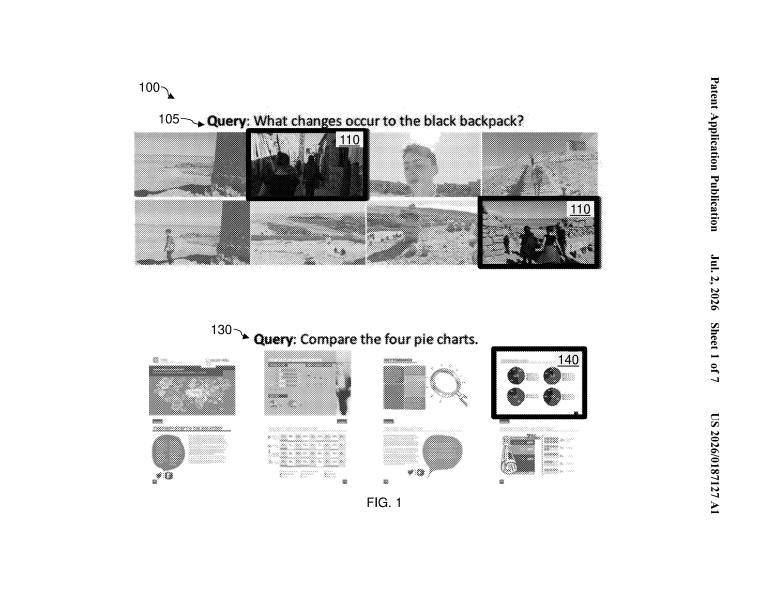
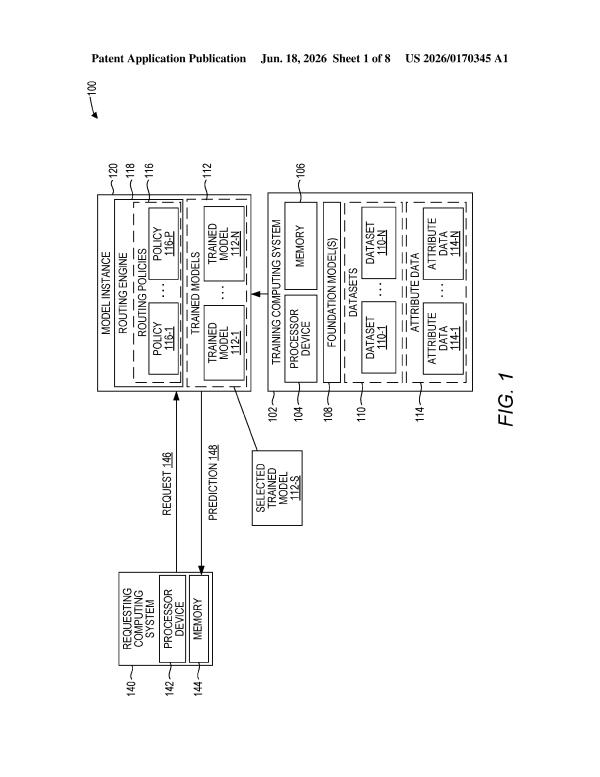
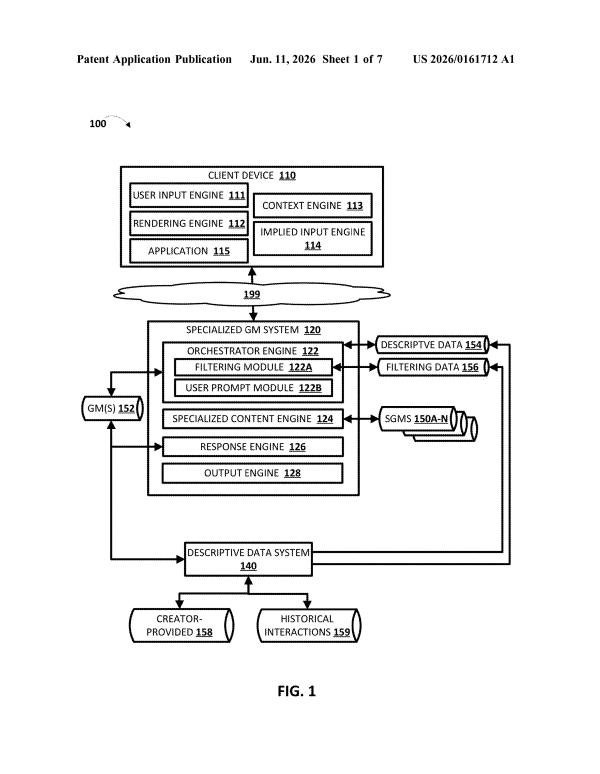
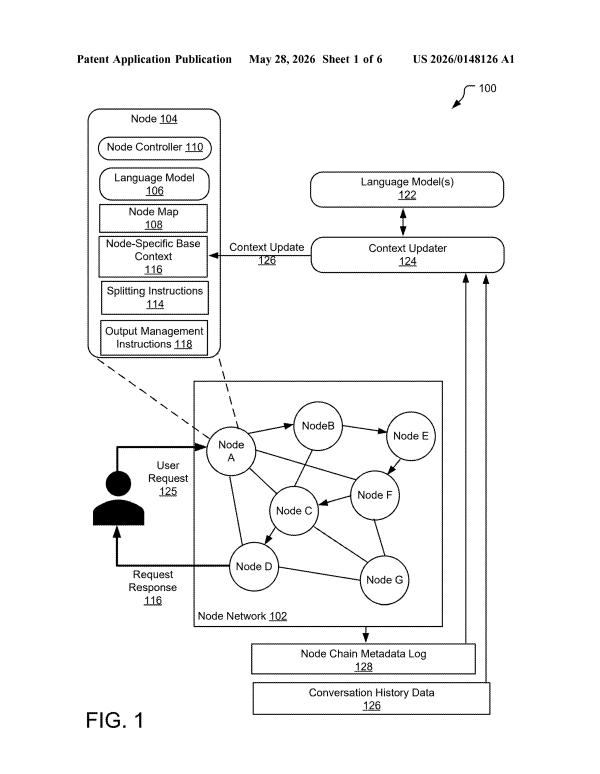
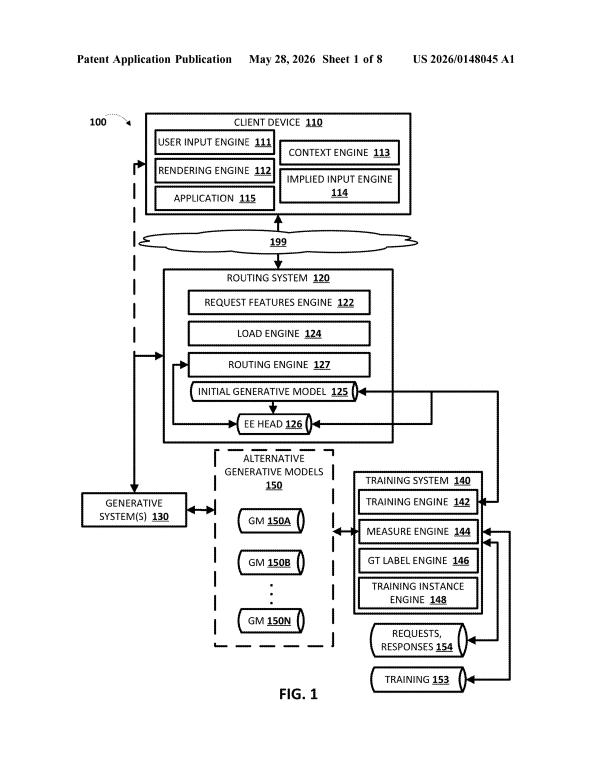
A good chunk of these filings deal with getting a task to the right model in the first place. IBM's hybrid AI router assigns sub-tasks to specialist models instead of sending everything to one large one, and its self-organizing system tries to stop an assistant from picking the wrong tool out of dozens of options. Google's mid-generation router waits to see how a request unfolds before choosing a cheap or expensive model, and its coordinator AI reads a question and picks which specialist AIs should answer it.
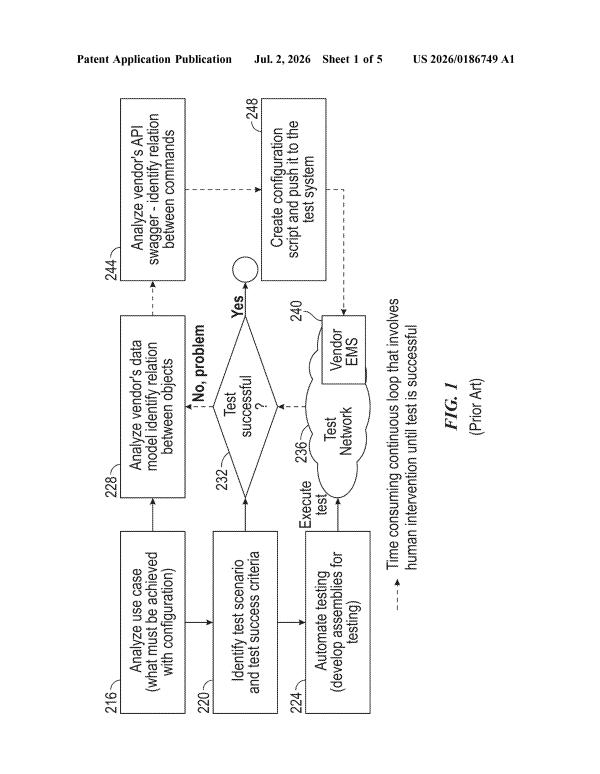
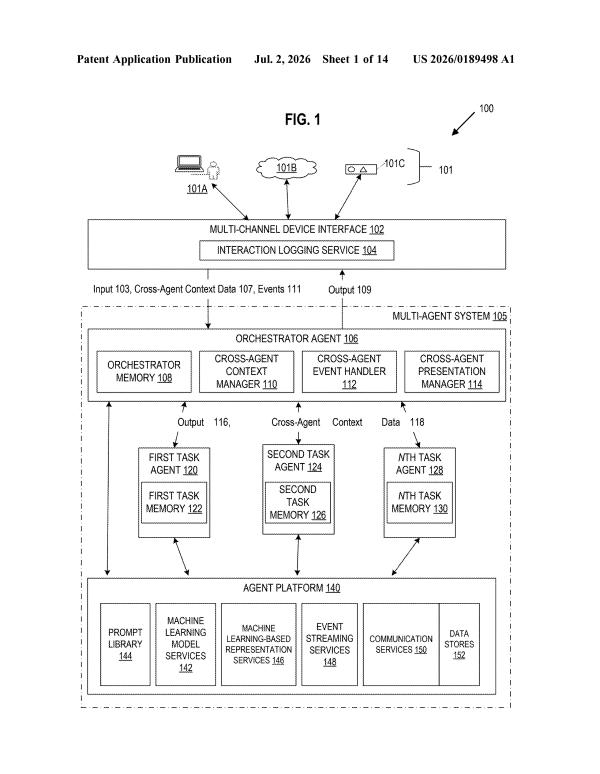
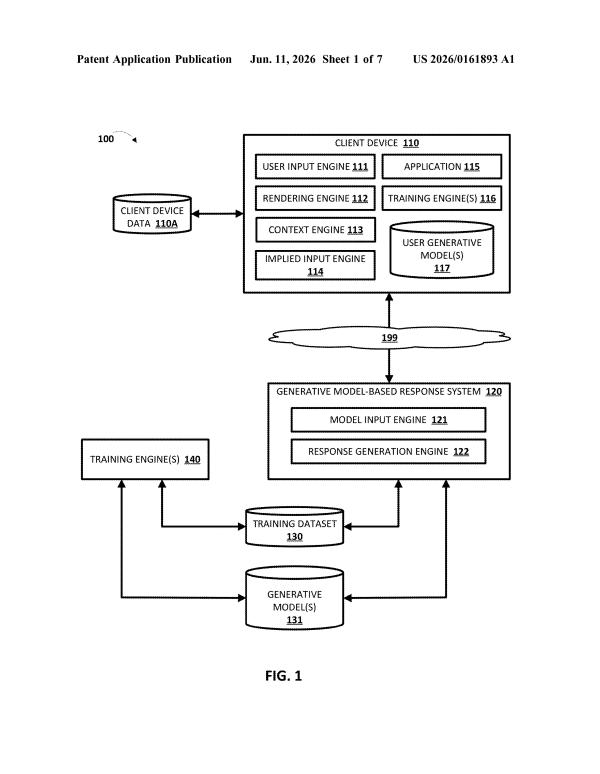
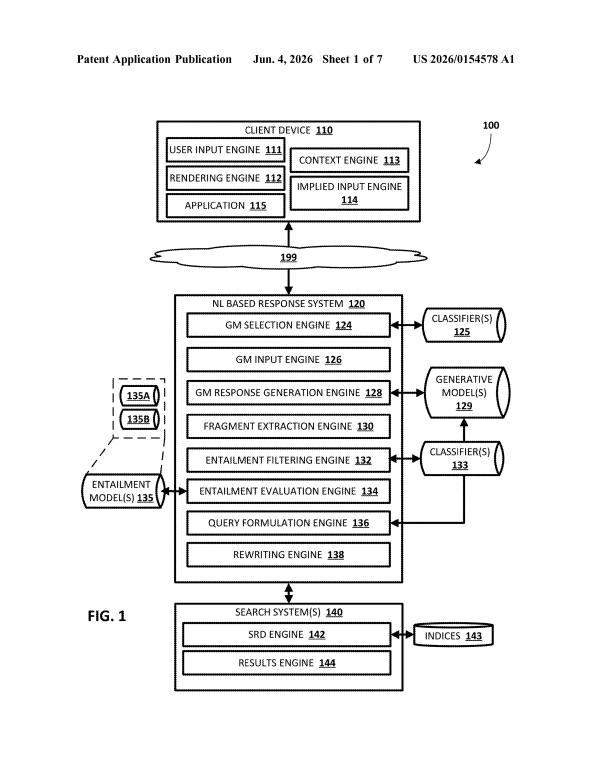
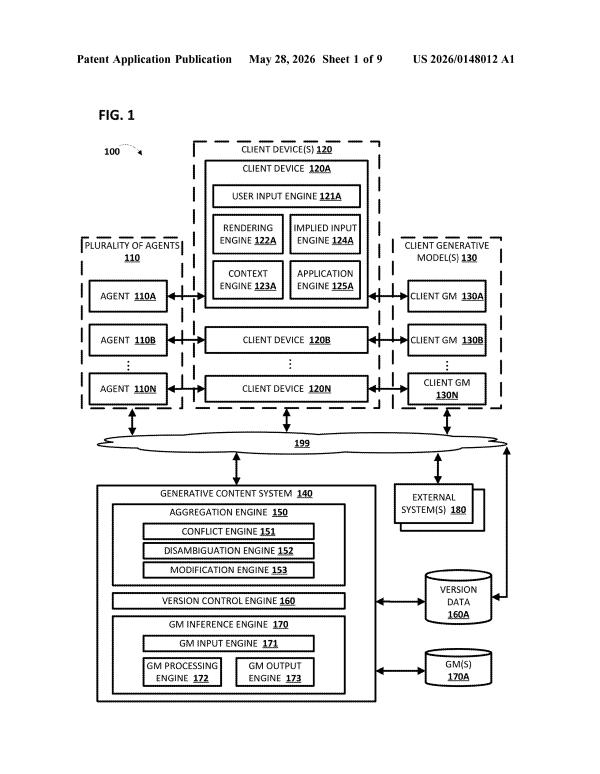
Another cluster covers what happens after models disagree or make mistakes. Google's multi-agent patent describes two AI agents merging conflicting instructions before passing a request to a generative model, while its two-AI editing system has one model rewrite another's rough draft. A separate Google filing goes further, automatically rewriting an AI's false answers before a user ever sees them. Microsoft's patent takes a similar problem in agent chains: when one agent fails because it lacks information, the system diagnoses why and routes around it.
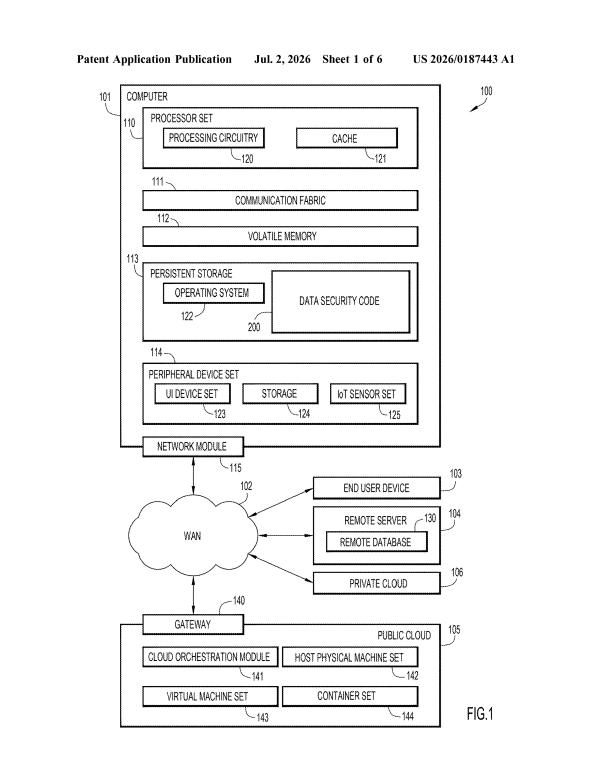
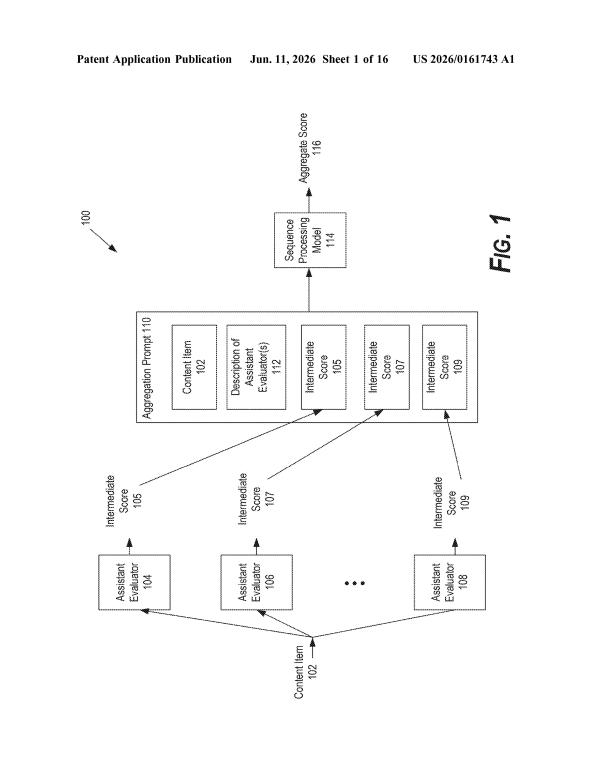
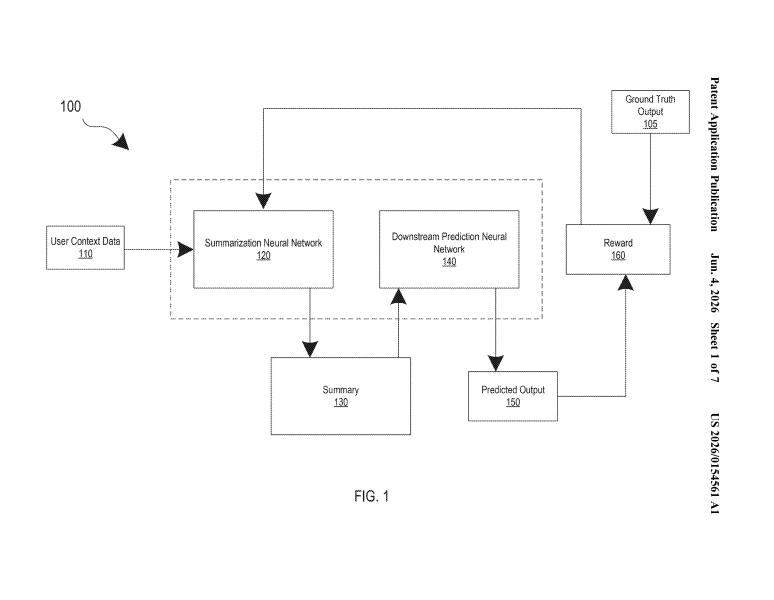
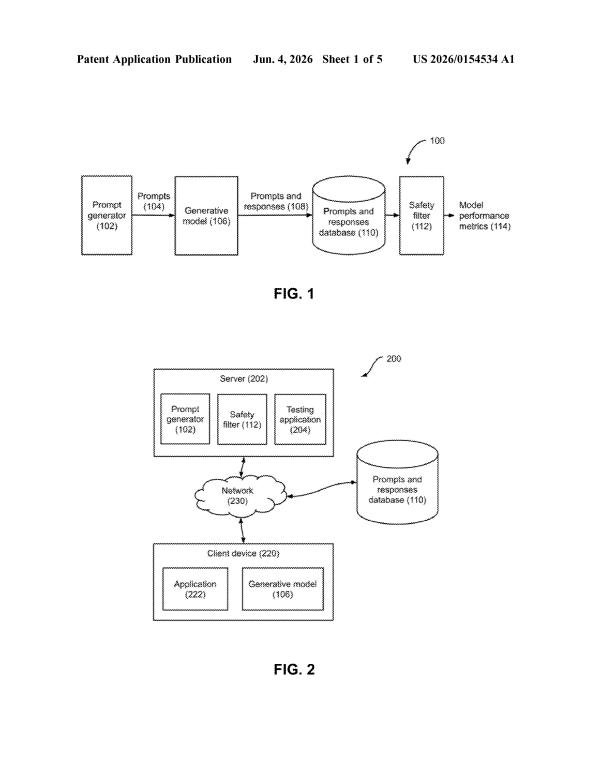
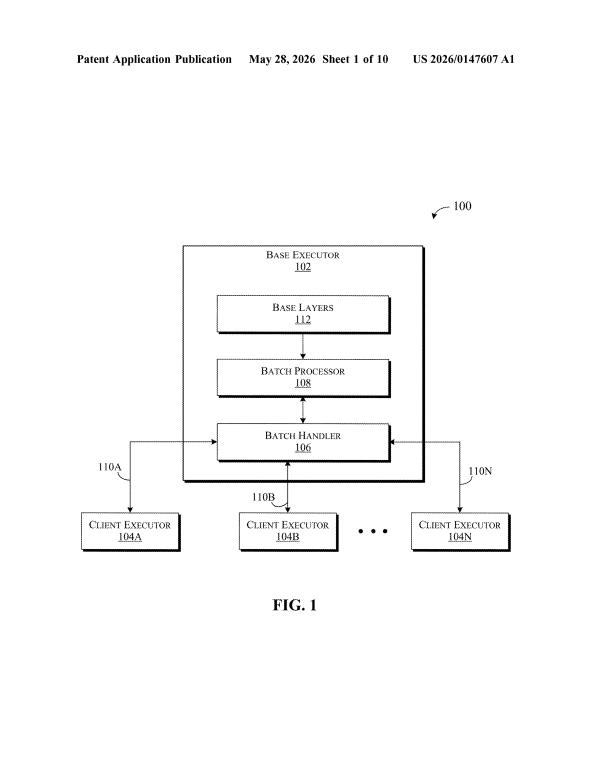
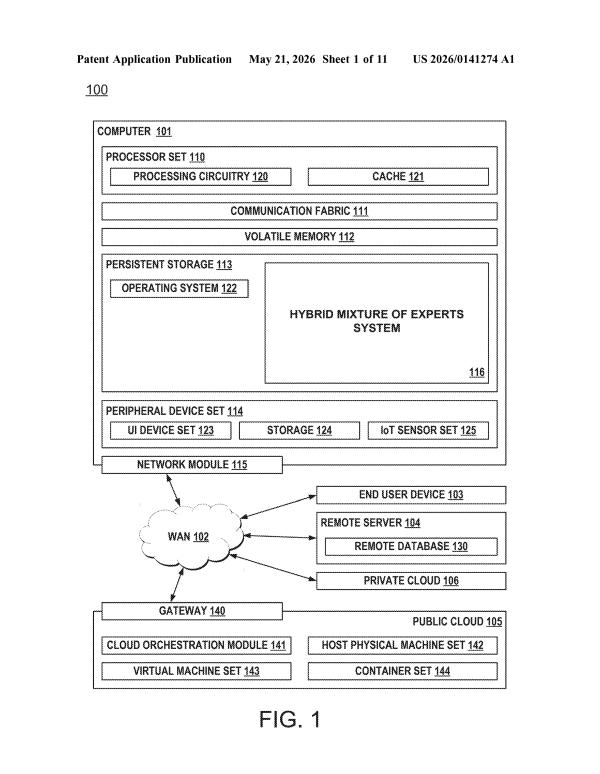
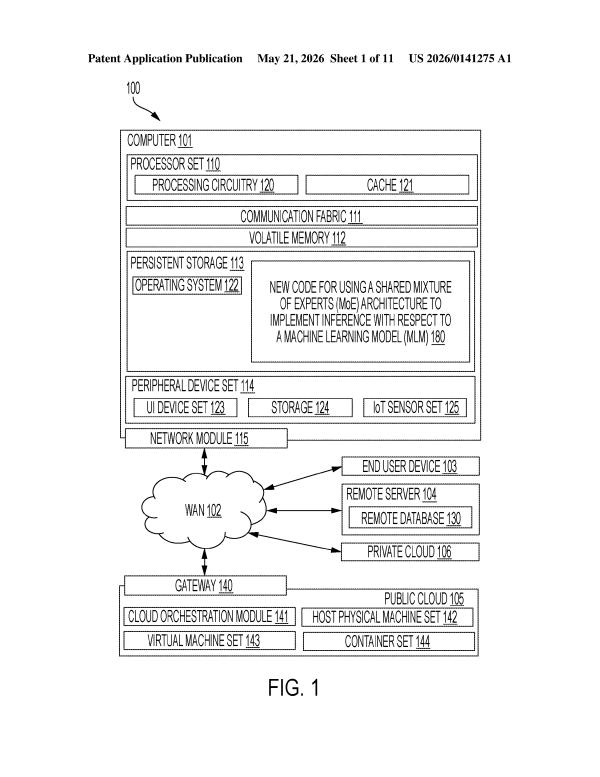
A third group is about cost and quality control rather than routing. IBM's deduplicated mixture-of-experts system and its shared-layer approach both aim at the same problem: running many models or fine-tuned variants at once without loading redundant copies into GPU memory. On the quality side, Google describes a pipeline that fires test prompts at its own models to run safety drills without human testers, and a summarizer trained on whether its output actually helps rather than just sounds accurate. Readers should watch for more filings on evaluating multi-model systems, since testing keeps showing up alongside routing.
Questions readers ask
What problem are these AI patents trying to solve?
These filings focus on getting several AI models to work as a team instead of relying on one model for everything. That means routing questions to the right specialist, merging instructions when models disagree, and catching an AI's mistakes before a user sees them. Like all patents, they describe research directions, not confirmed products.
Which companies are filing these patents?
The storyline currently includes filings from Google, IBM, and Microsoft, each approaching the same problem from a different angle. IBM's filings tend to focus on routing and shared infrastructure for running multiple models efficiently, while Google's cover routing, merging conflicting outputs, and testing AI behavior. Microsoft's filing looks at diagnosing failures inside chains of AI agents.
Does a patent mean this AI teamwork feature is shipping soon?
No. A patent filing shows a company has worked out a technical approach and wants to protect it, not that the feature is built, tested, or scheduled for release. Some ideas here, like routing tasks to specialist models or catching false answers automatically, may show up in products later, but the filings alone don't confirm timing.
Why are multiple companies patenting similar AI routing ideas at the same time?
When several companies file on similar problems around the same time, it usually means the industry has hit a shared bottleneck. Here, running one enormous model for every task is expensive and error-prone, so IBM, Google, and Microsoft are each patenting ways to split work across smaller, specialized models and catch mistakes along the way.