What the filings show
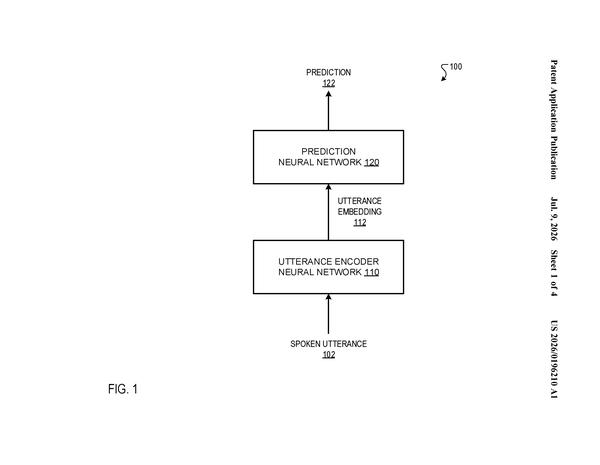
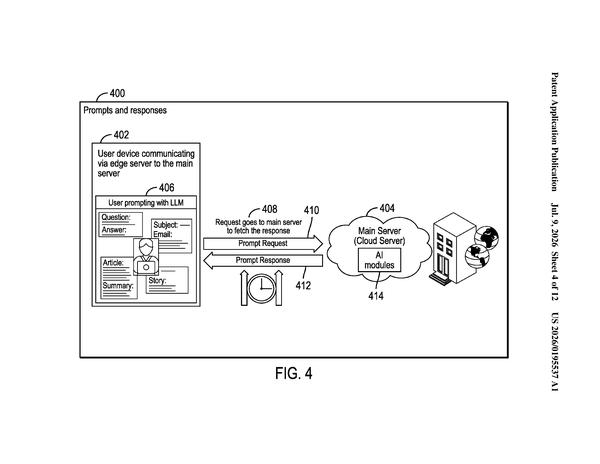
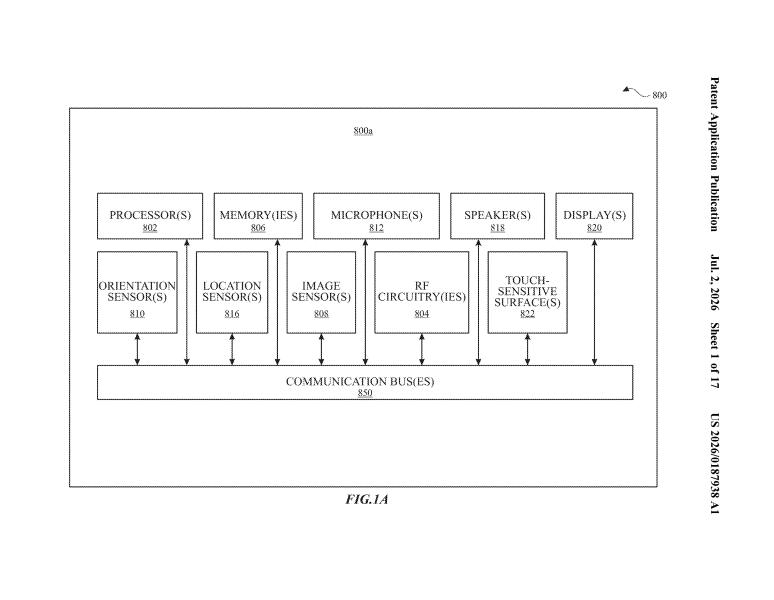
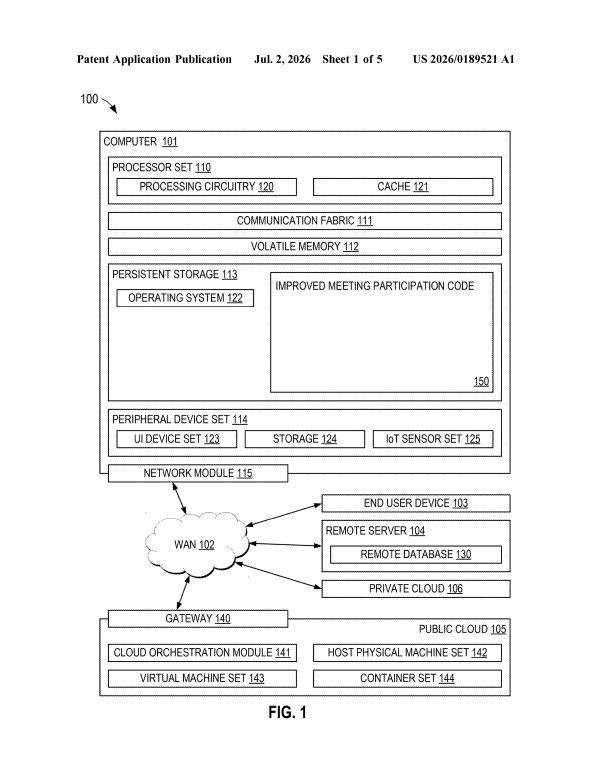
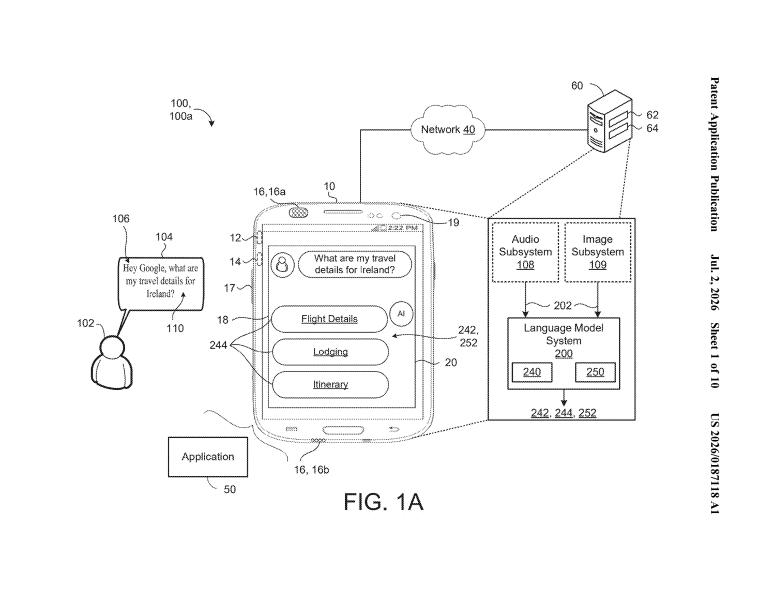
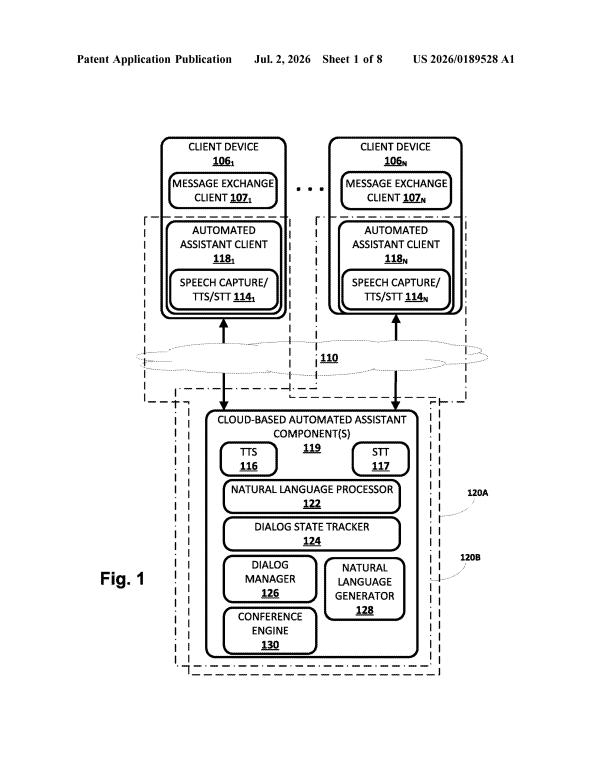
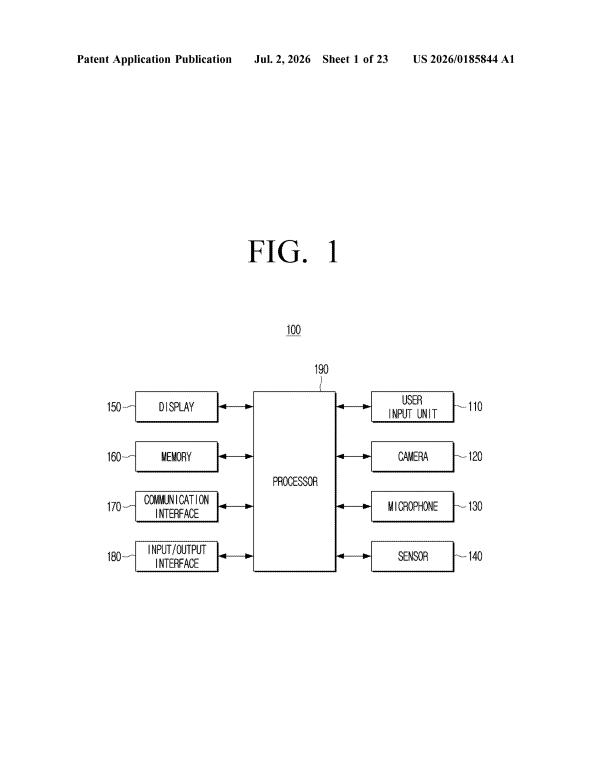
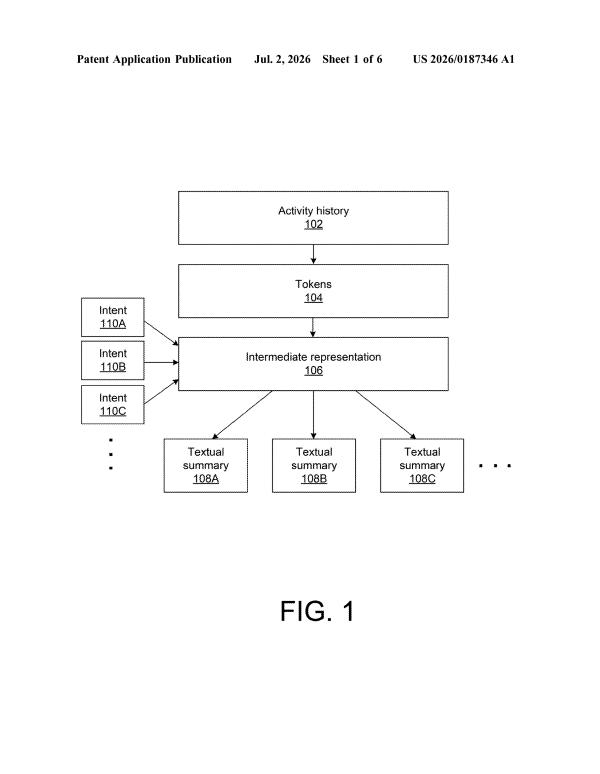
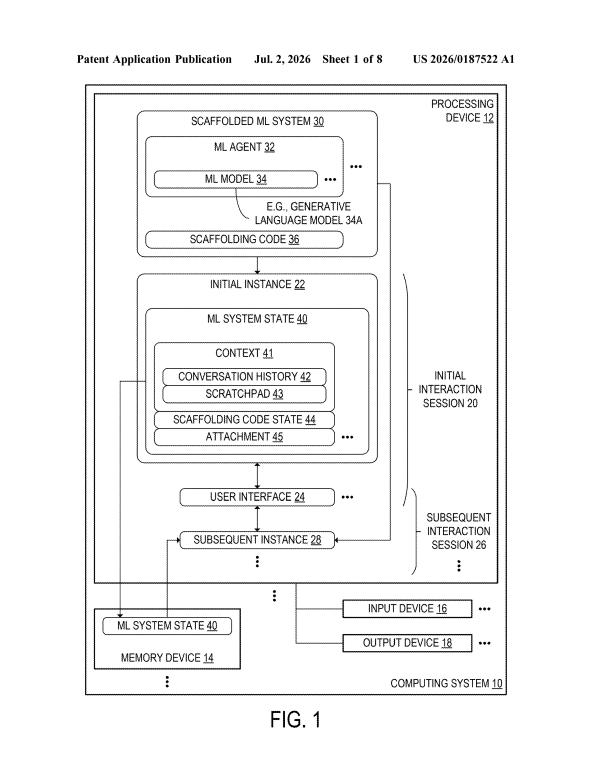
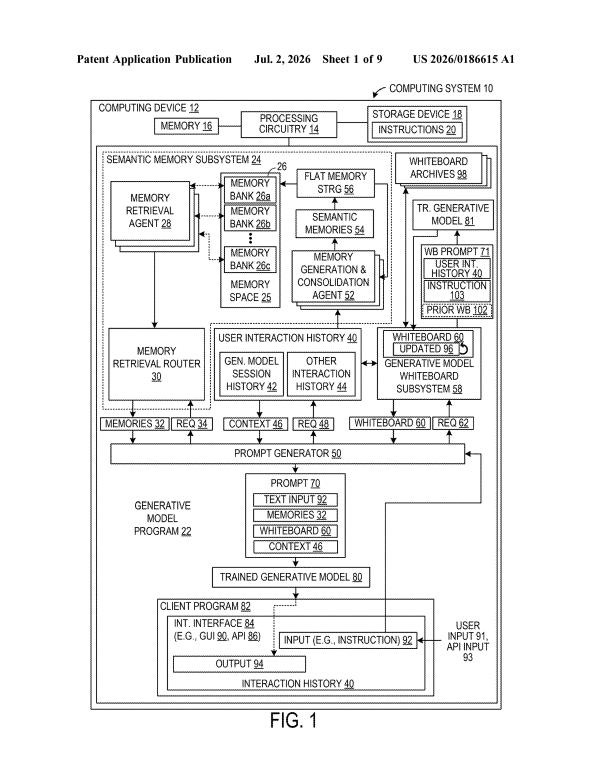
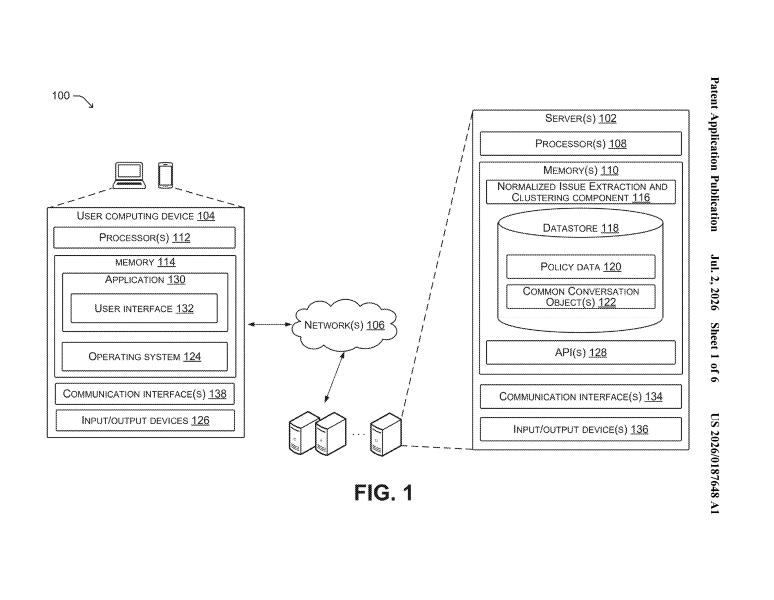
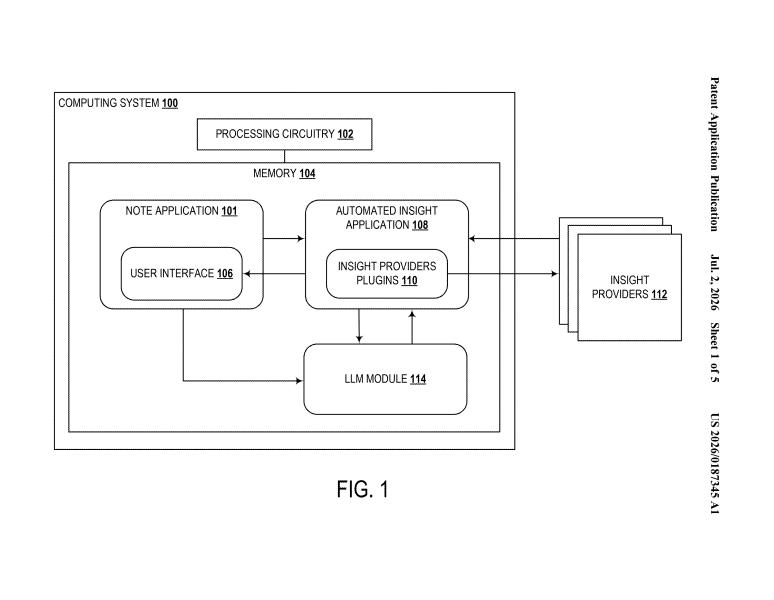
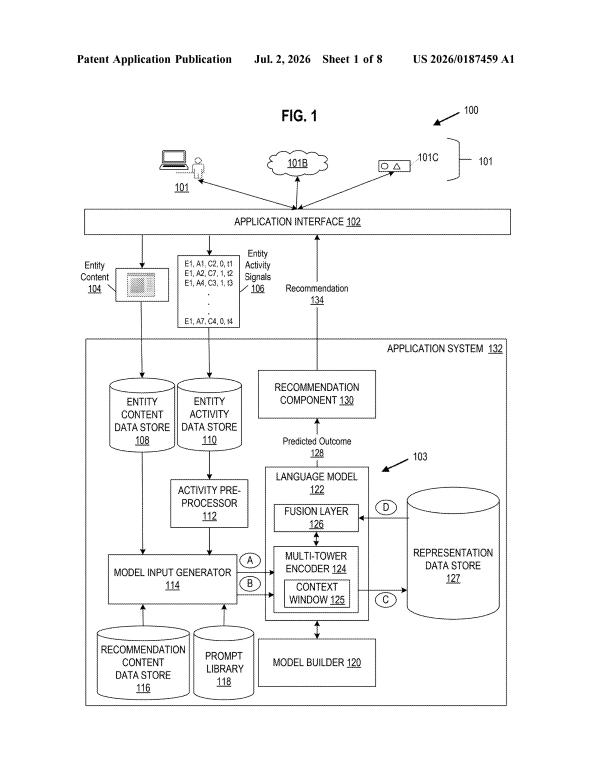
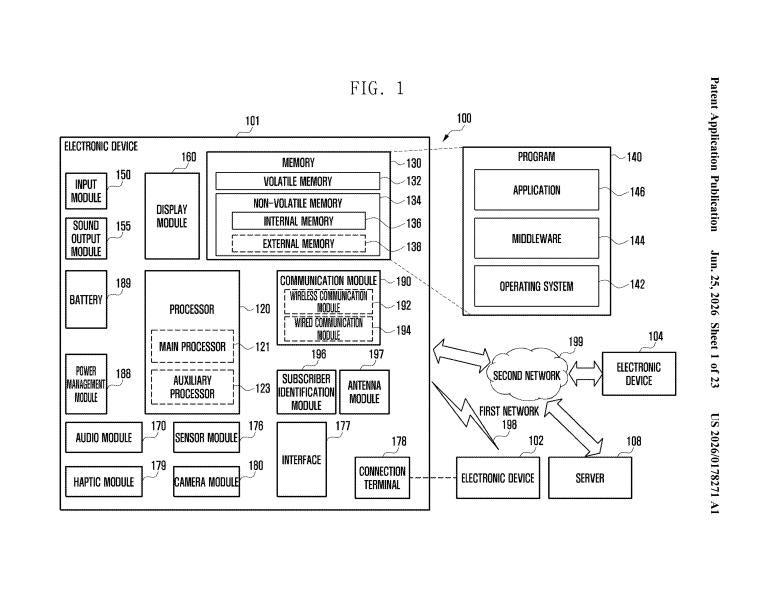
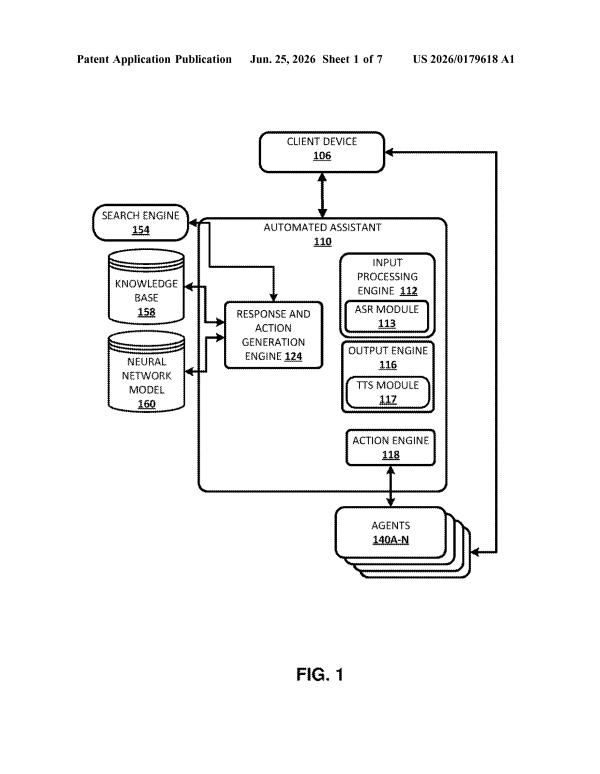
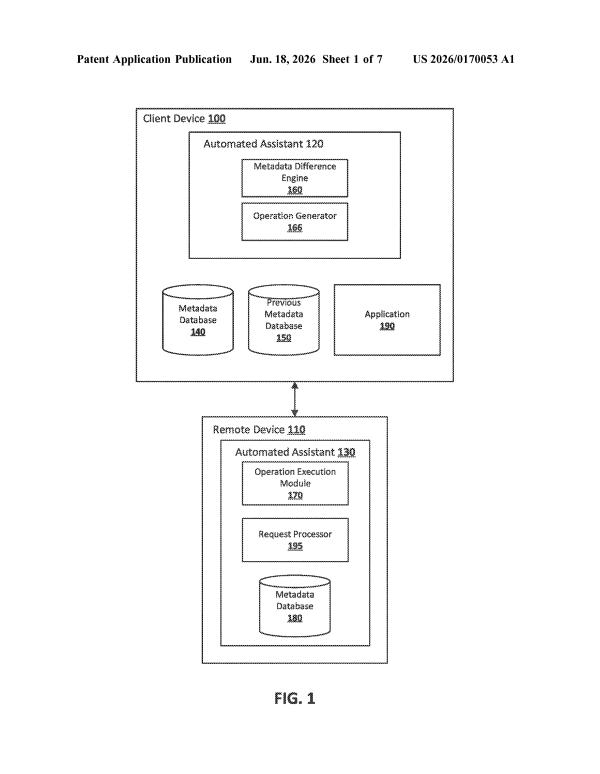
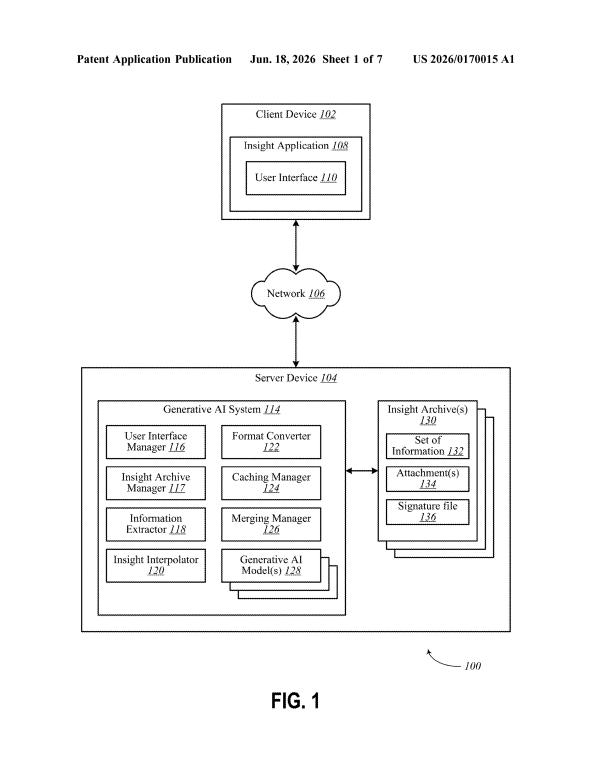
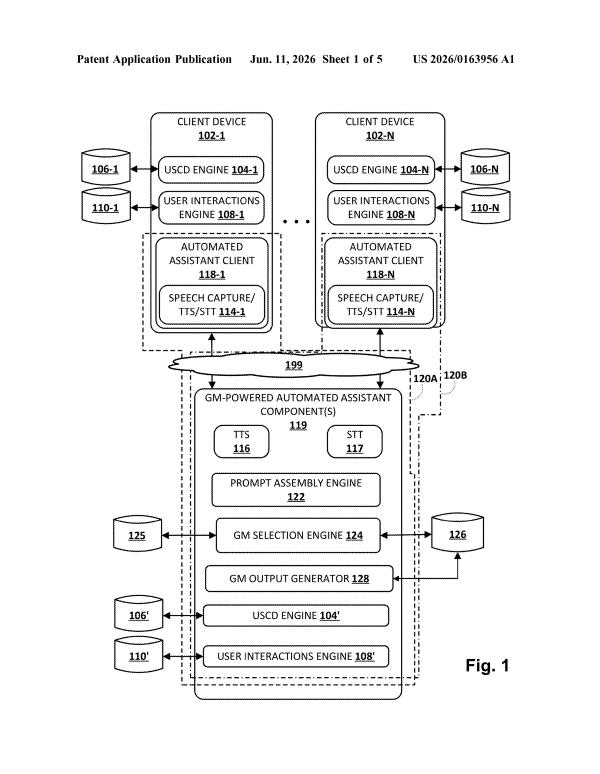
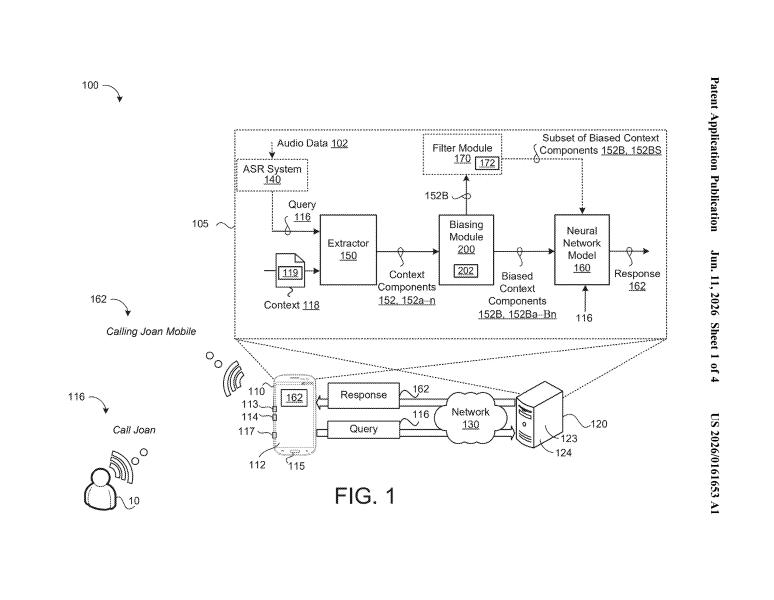
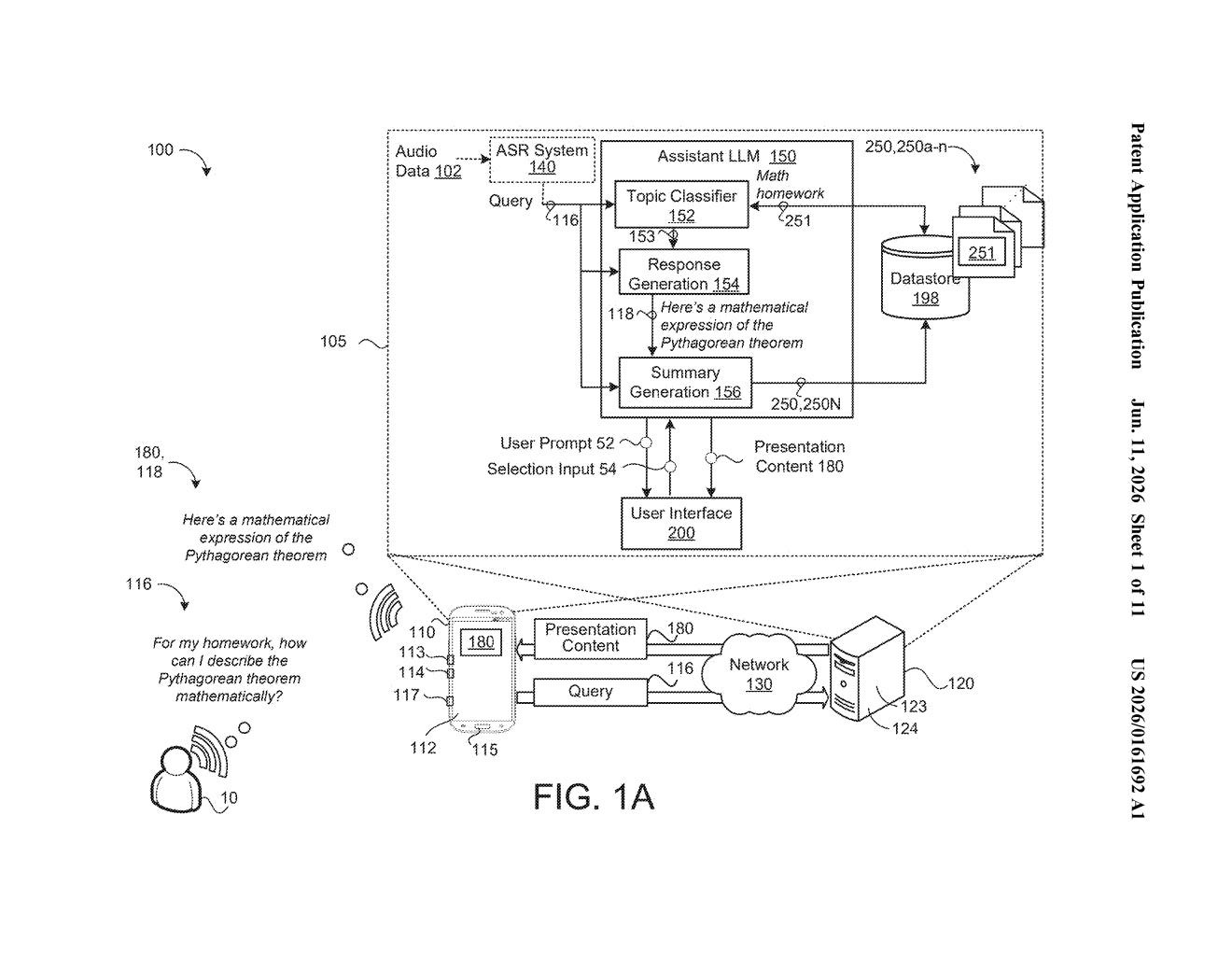
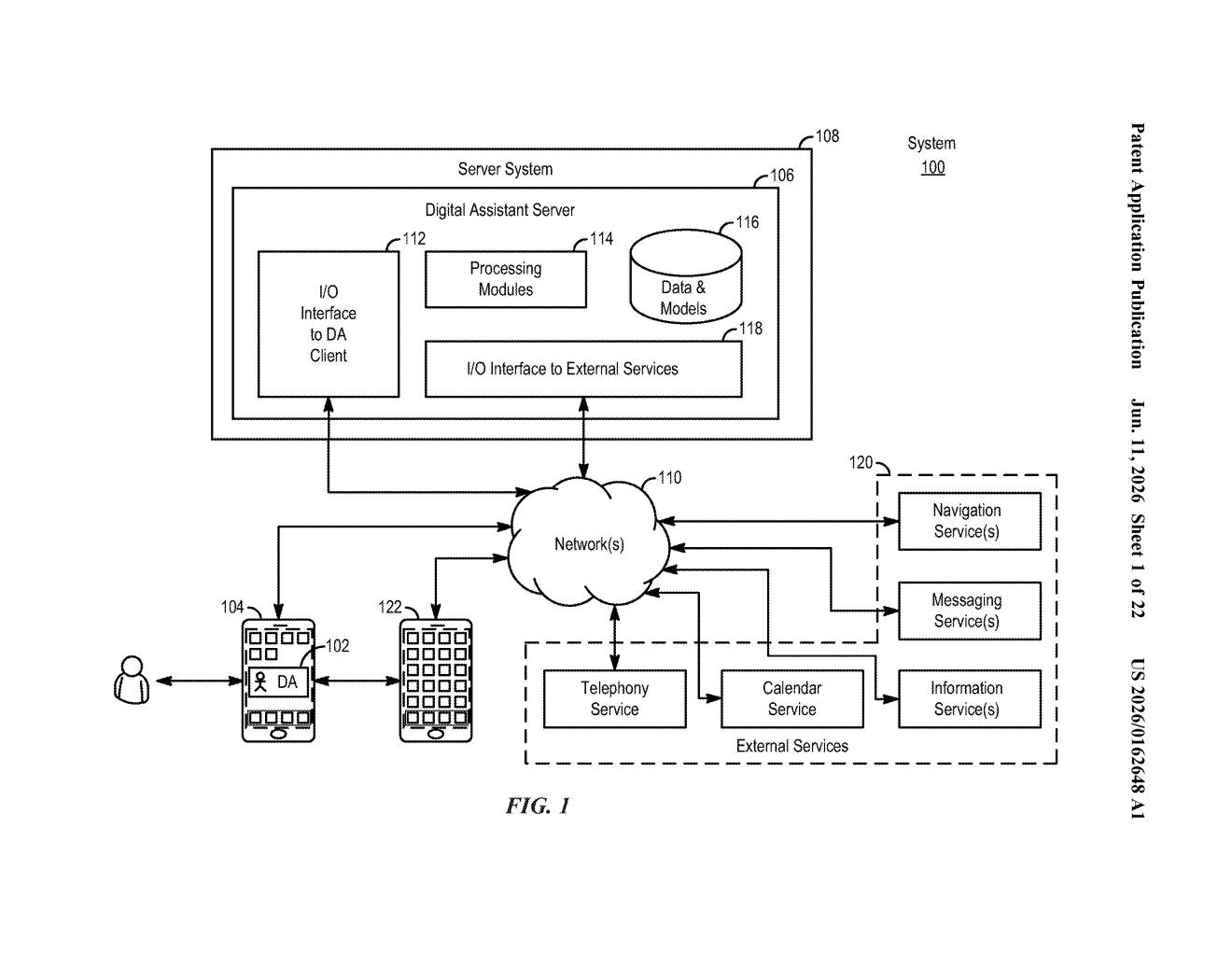
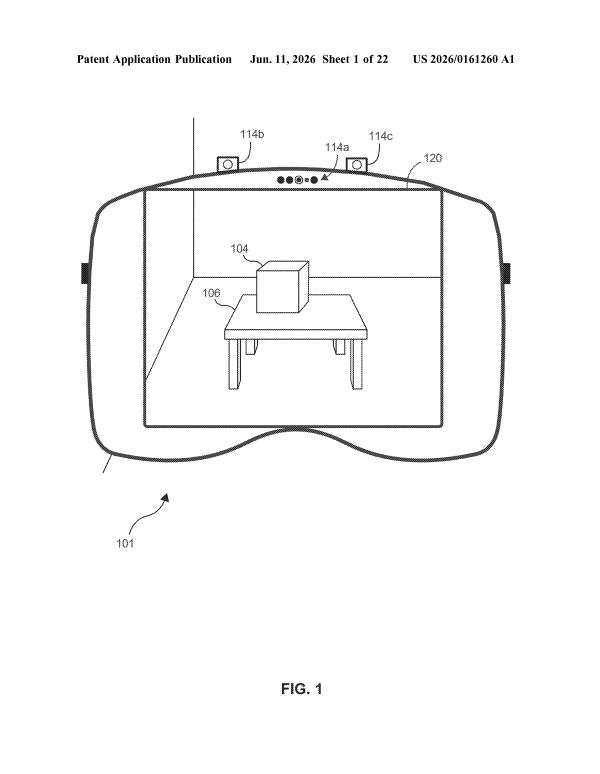
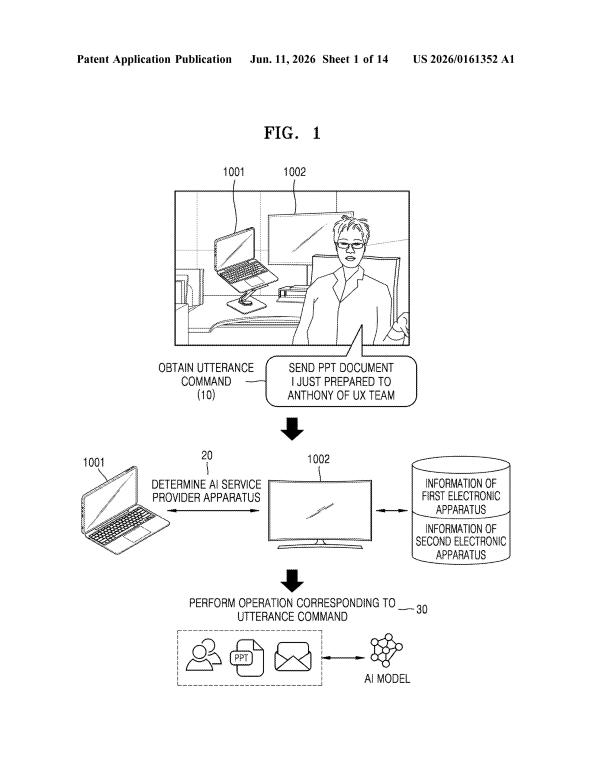
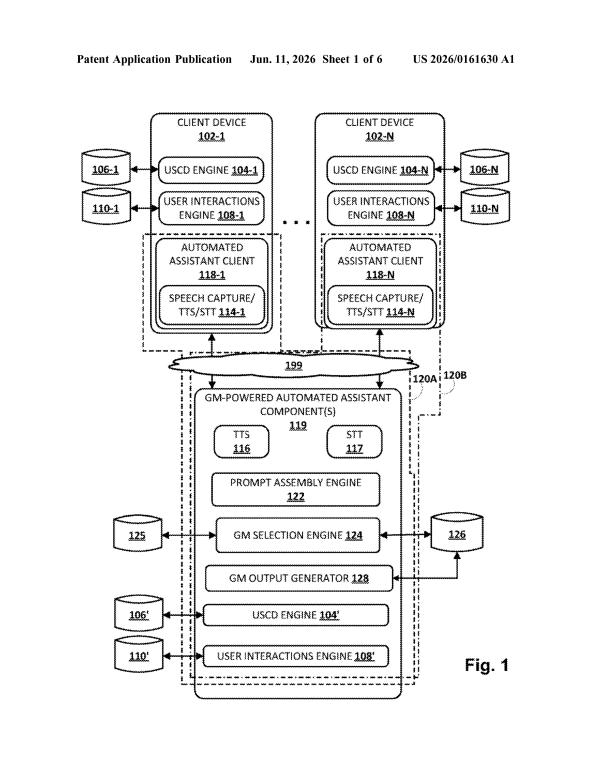
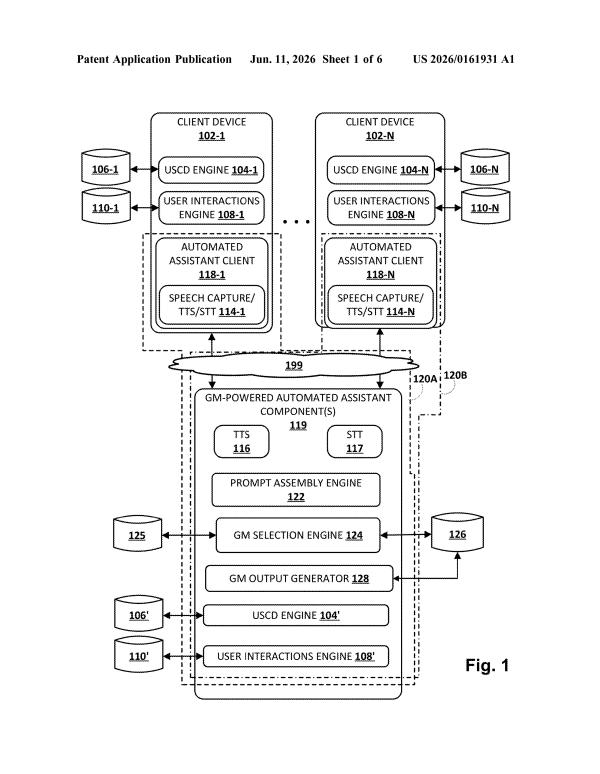
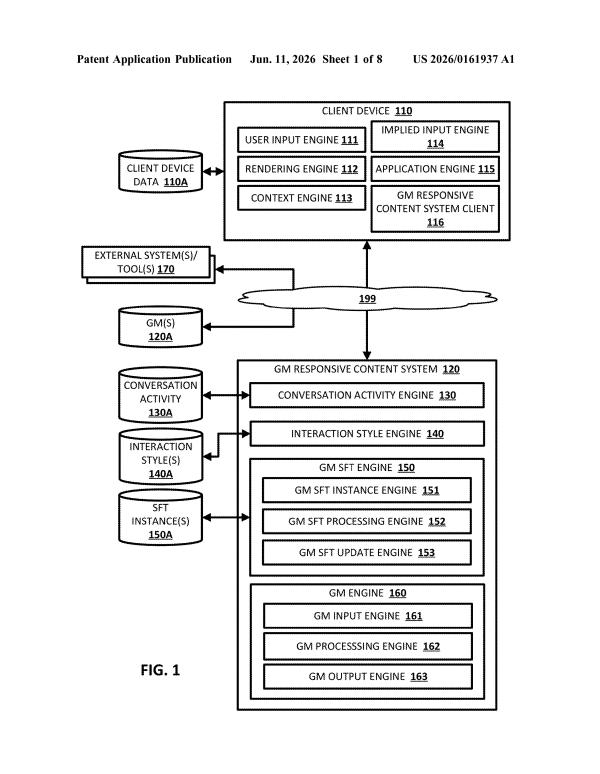
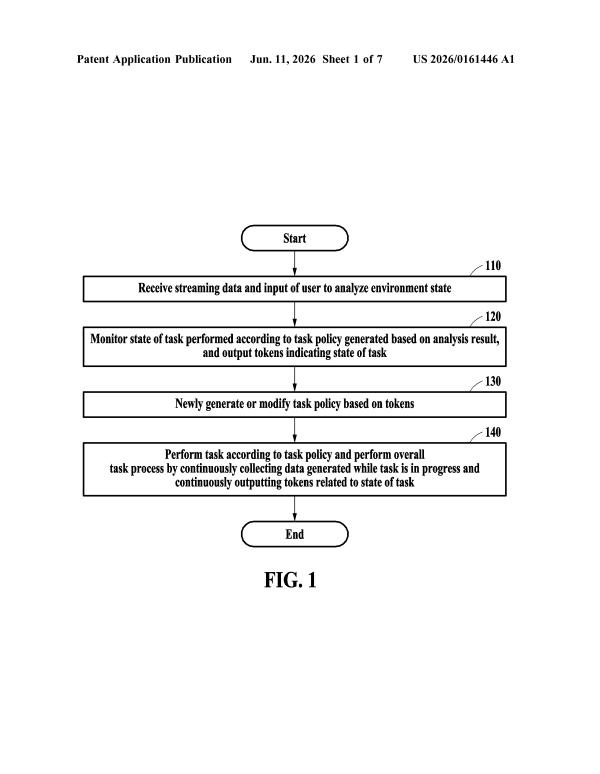
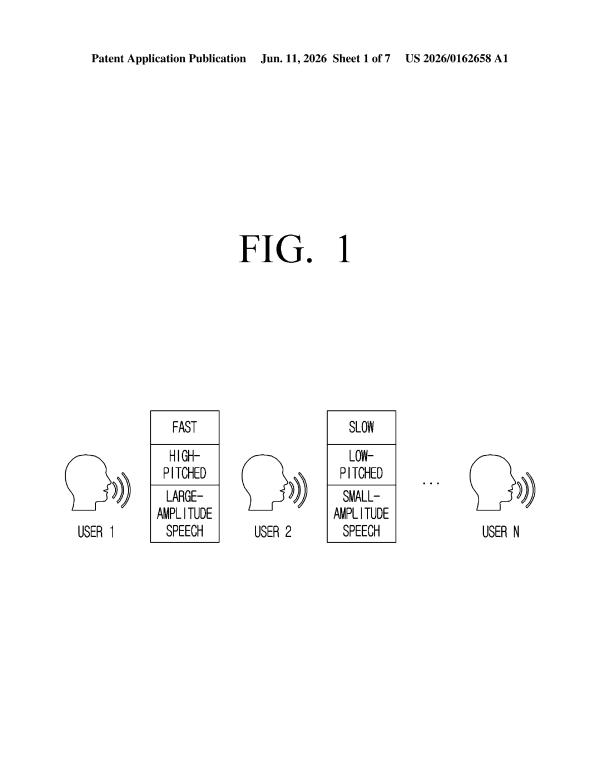
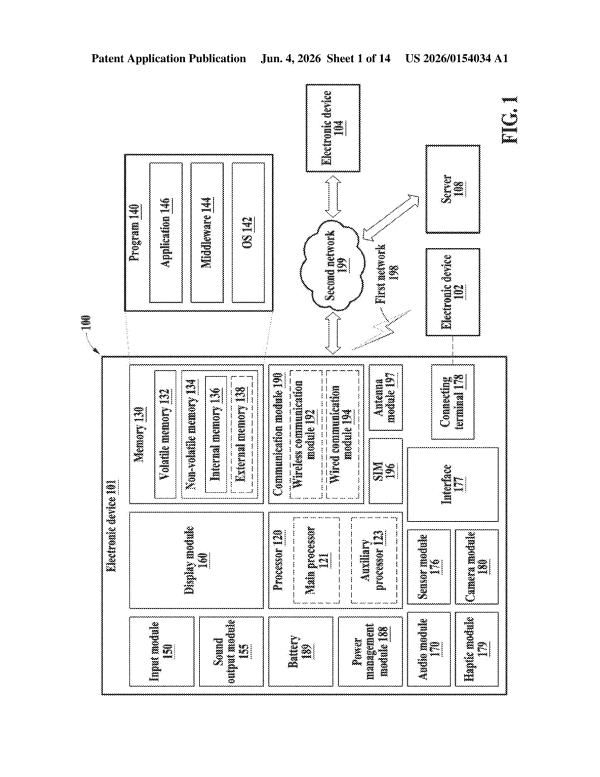
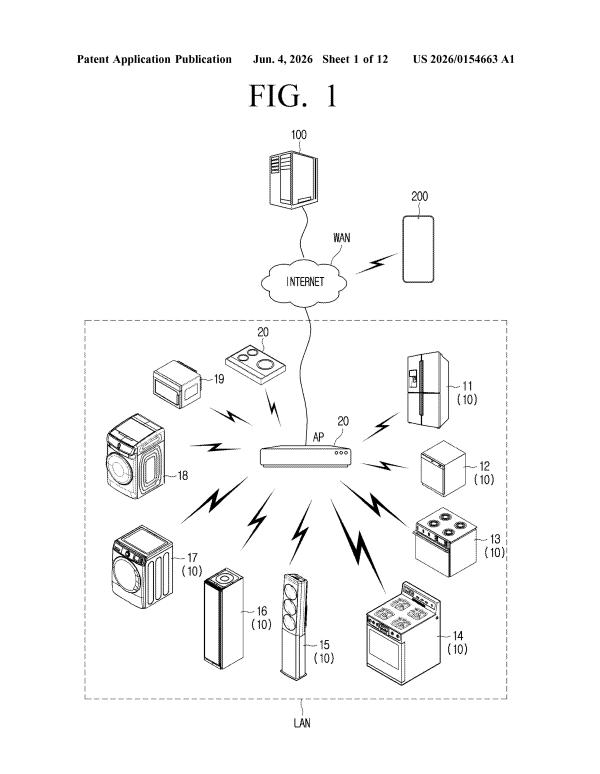
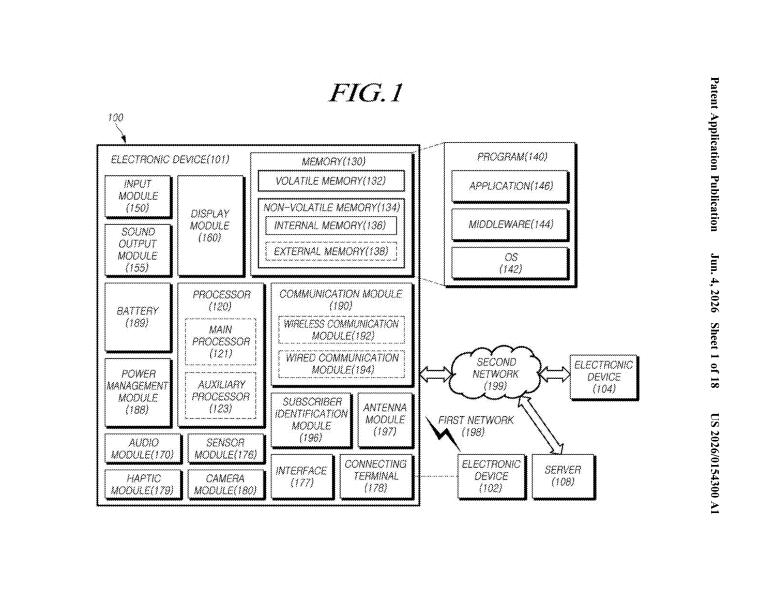
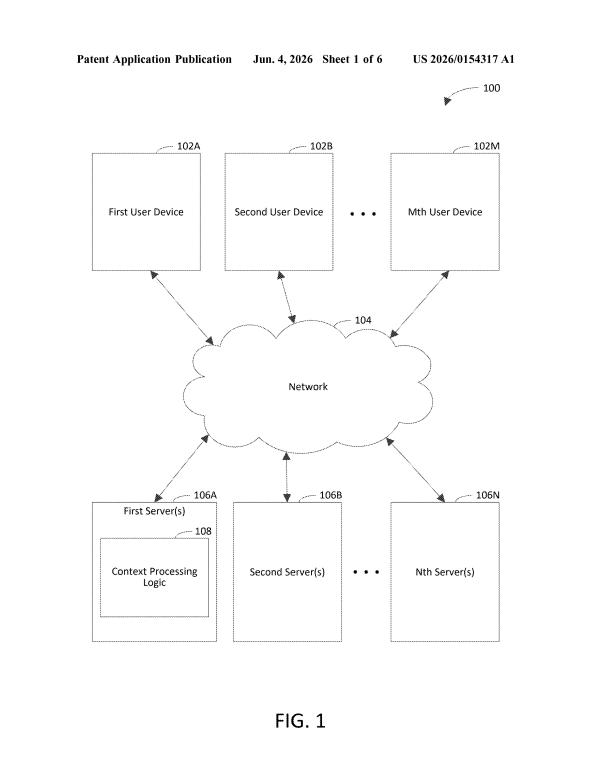
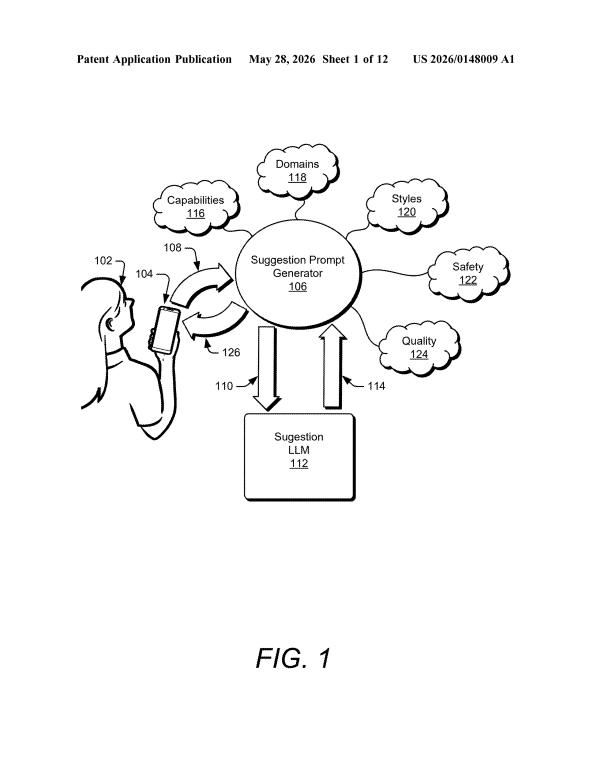
Across these filings the engineering effort clusters around memory: what an assistant should keep, forget, or update. Google's patents cover a context-aware prompt generator, a system that flags when its profile of you has gone stale, and one that mirrors how you talk. Microsoft's filing lets users choose what gets remembered. Samsung spans voice response timing, multi-device task planning, profile-building from service history, and on-device AI that assembles its own team of helpers. Apple's entries focus on resuming playback at the right point and surfacing information based on who's asking and where they stand.
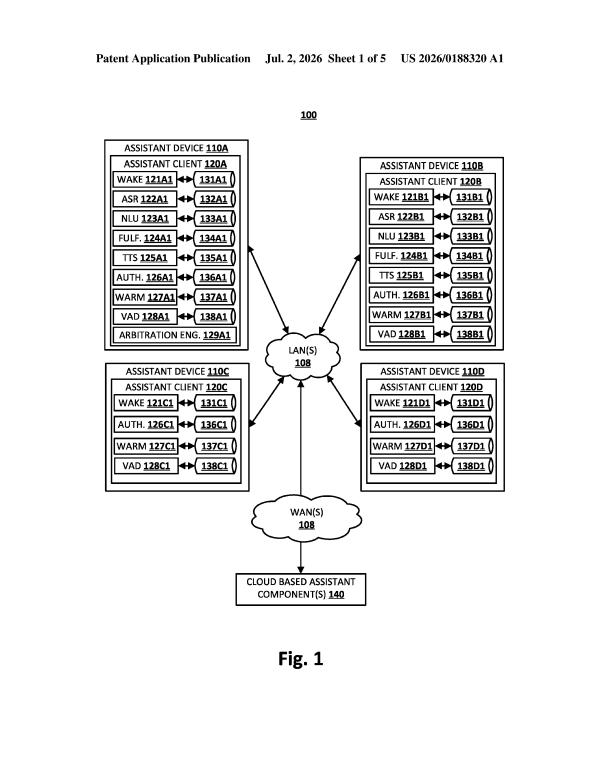
A few problems keep resurfacing. Several filings address when an assistant's stored picture of you goes stale, and how much control a person gets over editing that memory. Others focus on anticipation: Samsung's assistant starts responding before a sentence ends, and Google's prompt generator guesses what you need before you ask. Coordination across devices shows up too, in Samsung's multi-device planner and its on-device team-building patent, suggesting these companies see a single assistant on one device as too narrow a model.
What to watch next: more patents on giving users direct control over what an assistant remembers, since Microsoft's filing already opens that door. Expect more cross-device coordination work, following Samsung's pattern of assistants that plan tasks and assemble help across gadgets. Also watch for filings that use context like location or the identity of whoever is speaking, echoing Apple's approach, since personalization seems to be moving from what you say toward who and where you are.
Questions readers ask
Are these AI memory patents already in products?
No. These are patent filings, which describe research direction rather than shipped features. Some, like Apple's playback-resume system or Samsung's early-response voice assistant, sound close to real product behavior, but a filing only shows what a company is exploring, not what it has released.
Which companies are filing patents on AI assistants that remember you?
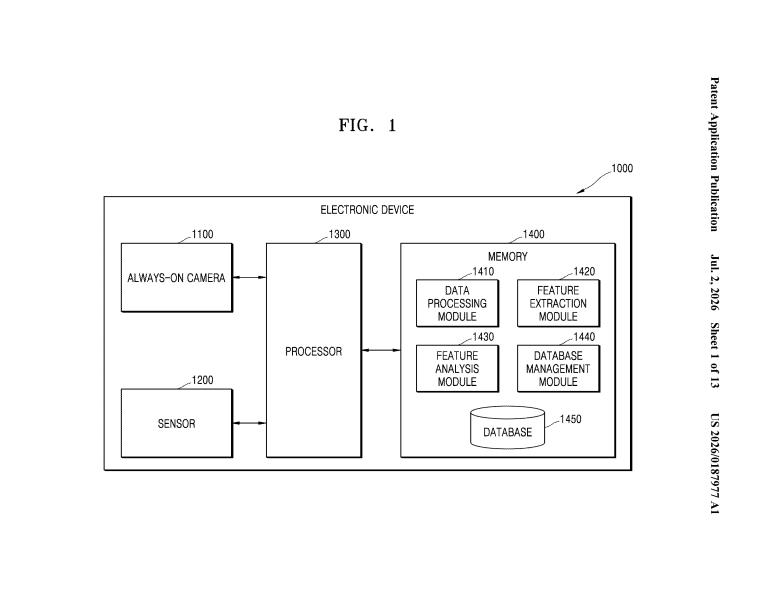
The filings in this tracker come from Google, Microsoft, Samsung and Apple. Each is approaching the memory problem differently, from Microsoft's user-controlled memory settings to Samsung's profile-building from service history and Google's work on detecting outdated assistant memory.
What problem are these AI assistant patents trying to solve?
Most address some version of the same question: what should an assistant remember about a person, and how should it use that memory to act sooner or more accurately. That shows up as anticipating requests, resuming tasks correctly, and coordinating across multiple devices.
Will my AI assistant end up remembering everything about me?
It's unclear. Some patents, like Microsoft's, describe giving users choice over what gets kept, while others, like Samsung's service-history profile, describe assistants building a picture of you automatically. The filings suggest both directions are being explored at once.