What the filings show
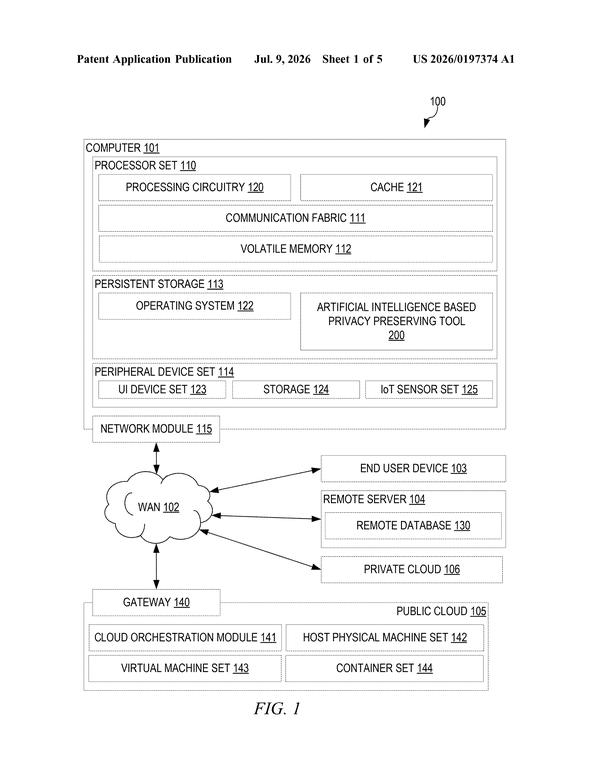
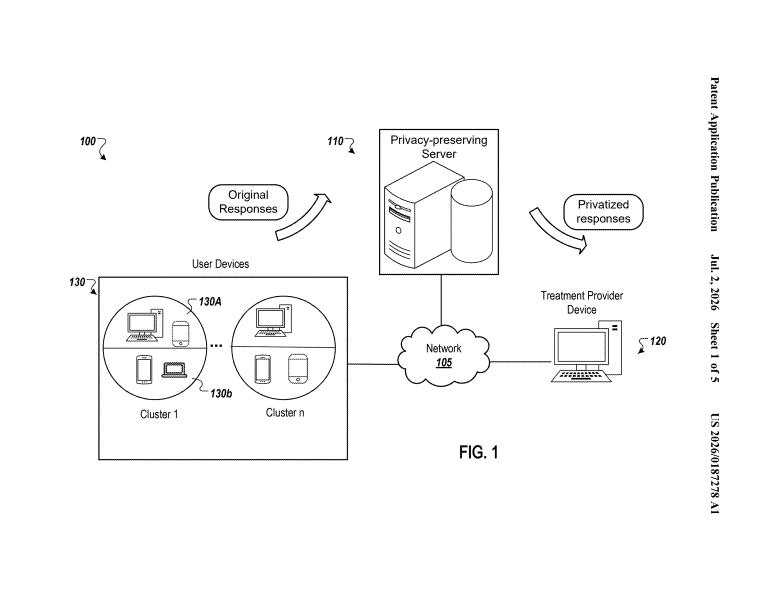
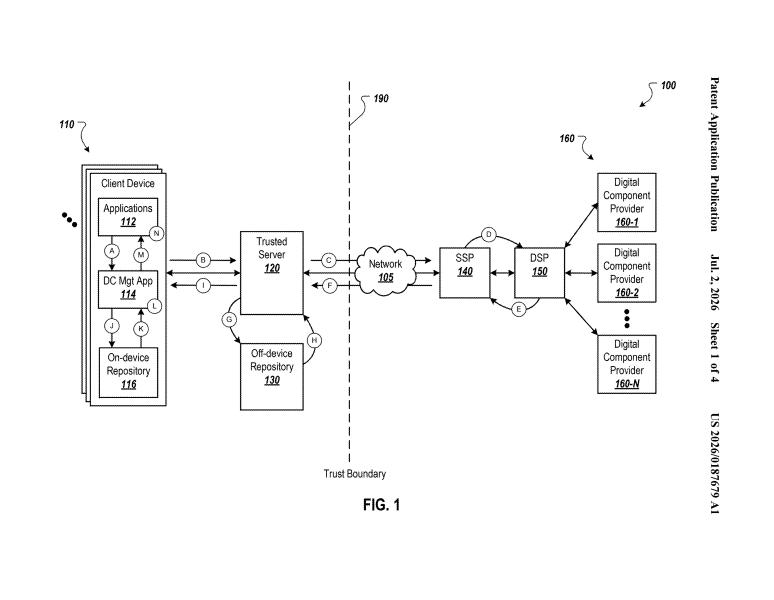
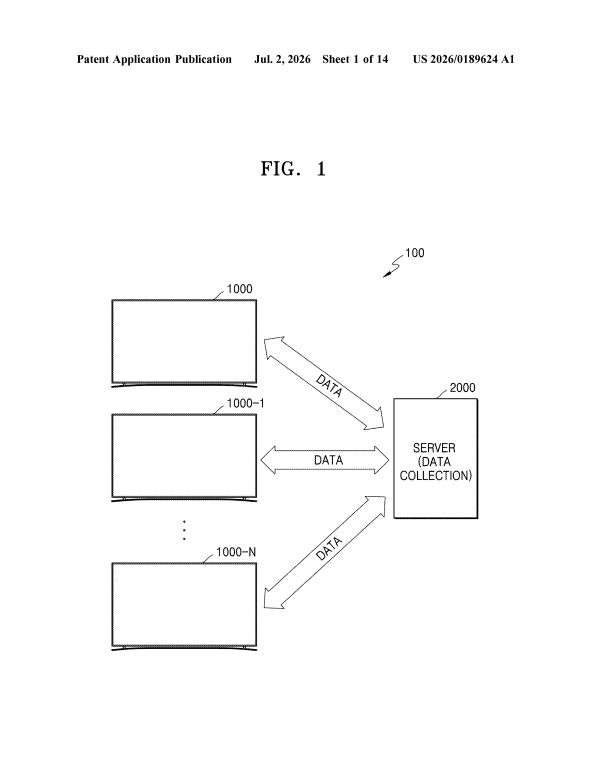
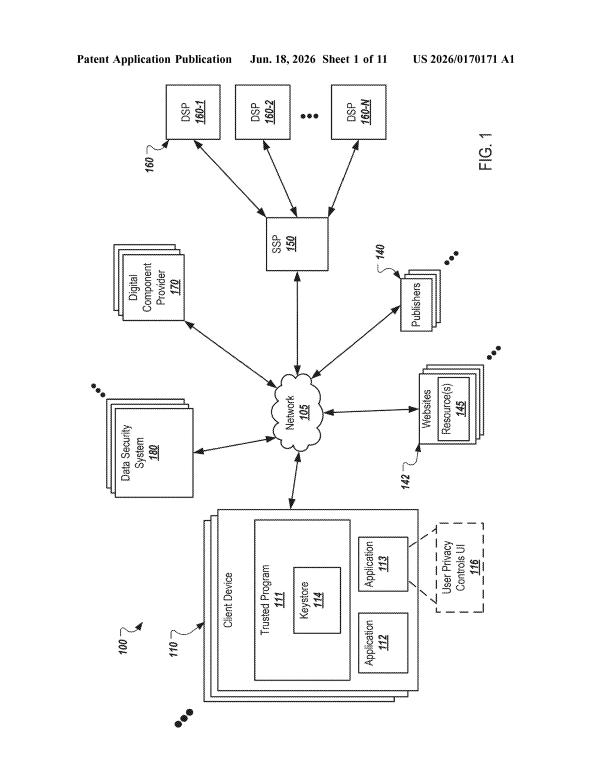
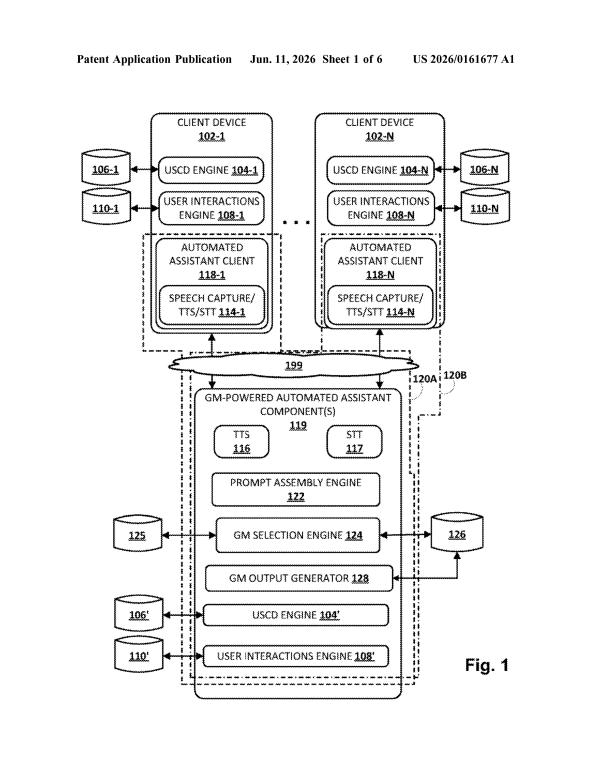
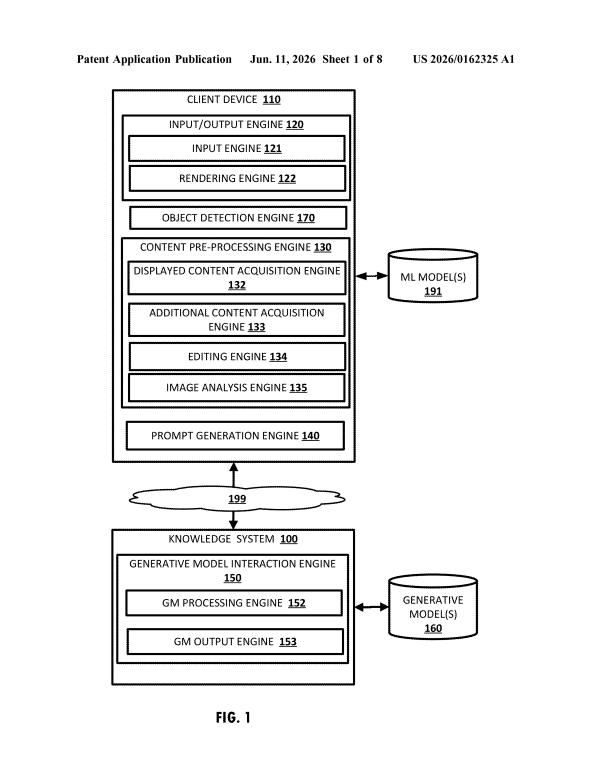
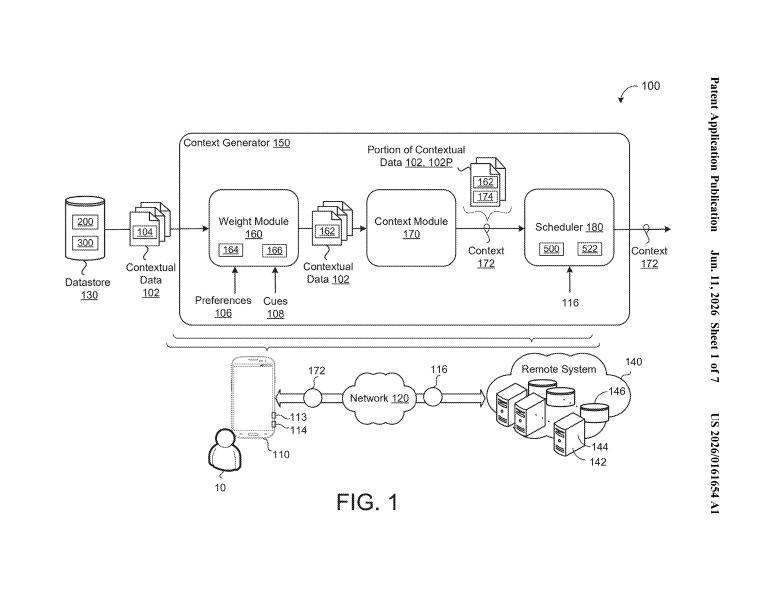
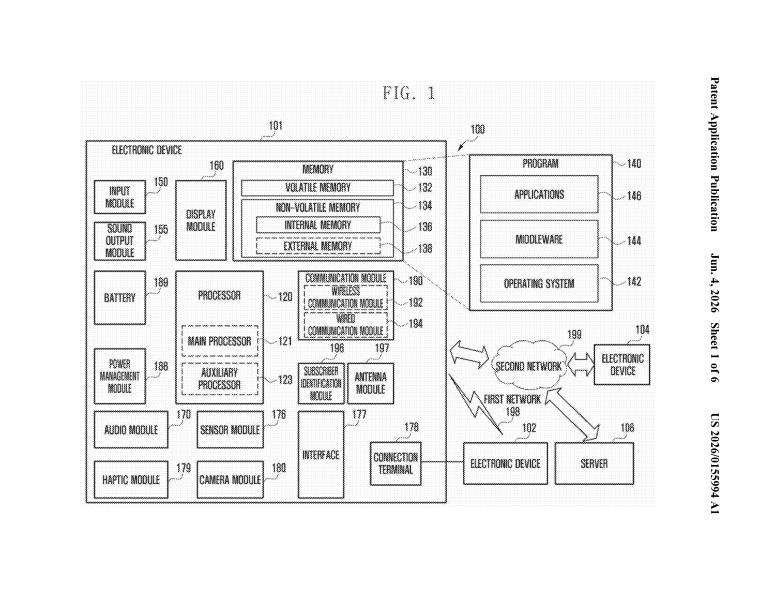
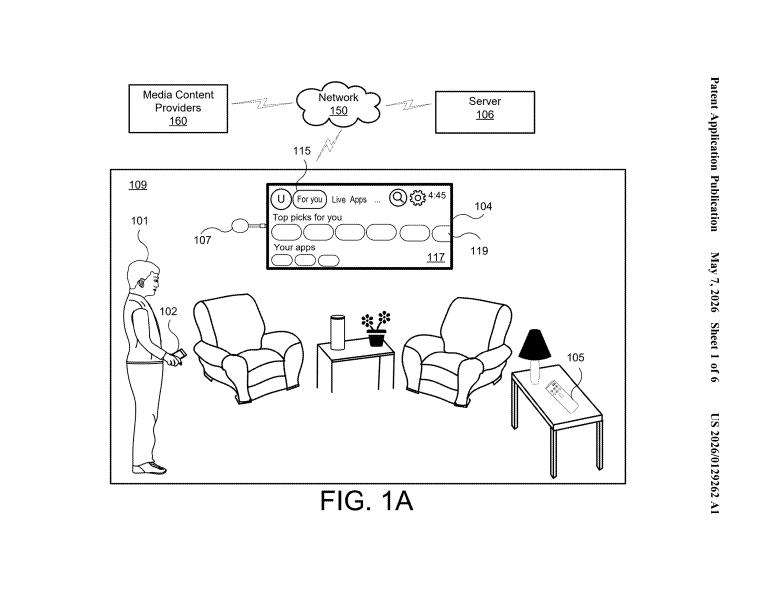
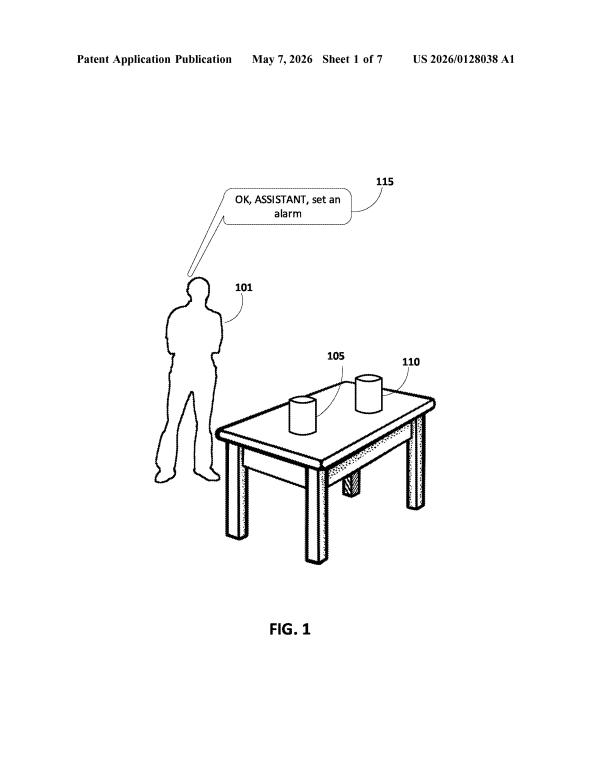
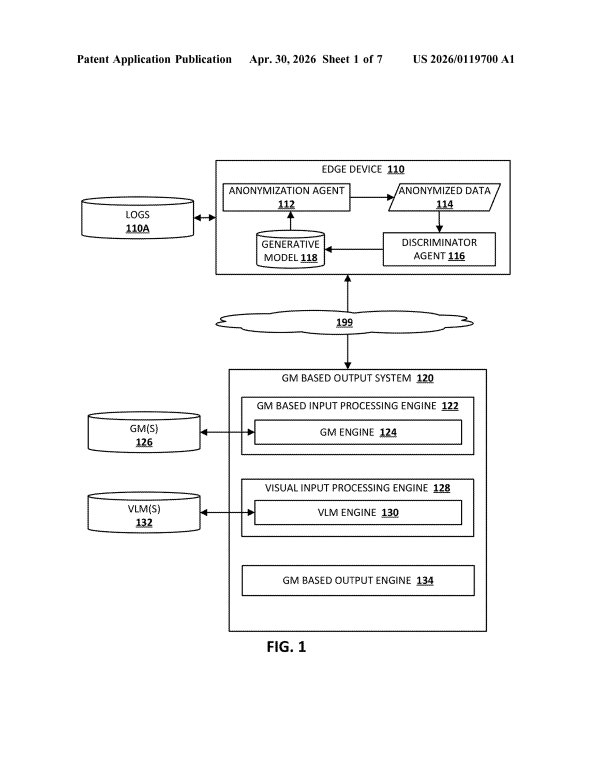
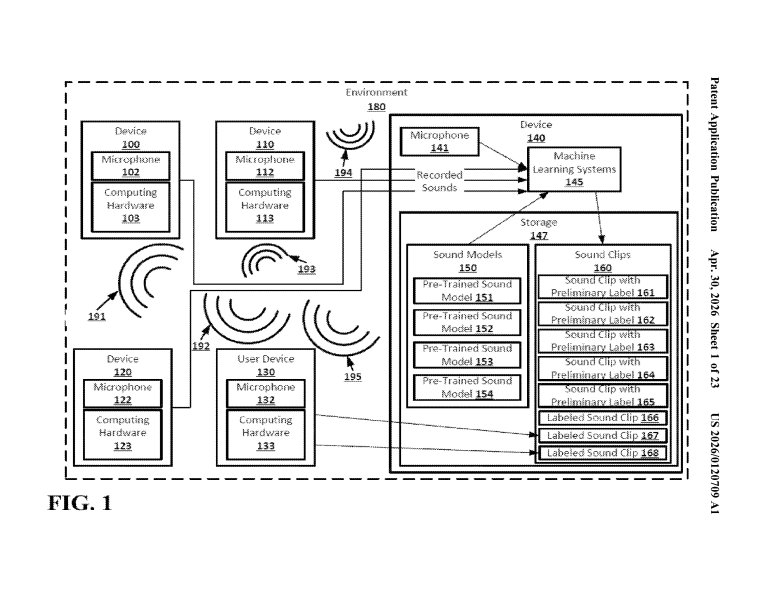
Most of these filings concentrate on moving AI processing onto the device itself, whether that means scrubbing personal details before cloud upload, filtering voice queries before they reach third-party assistants, or building recommendation engines that run entirely on a TV or phone. Samsung and Google both file variations on the same idea: keep raw data local and only send back results, models, or aggregated signals that reveal nothing about the individual user.
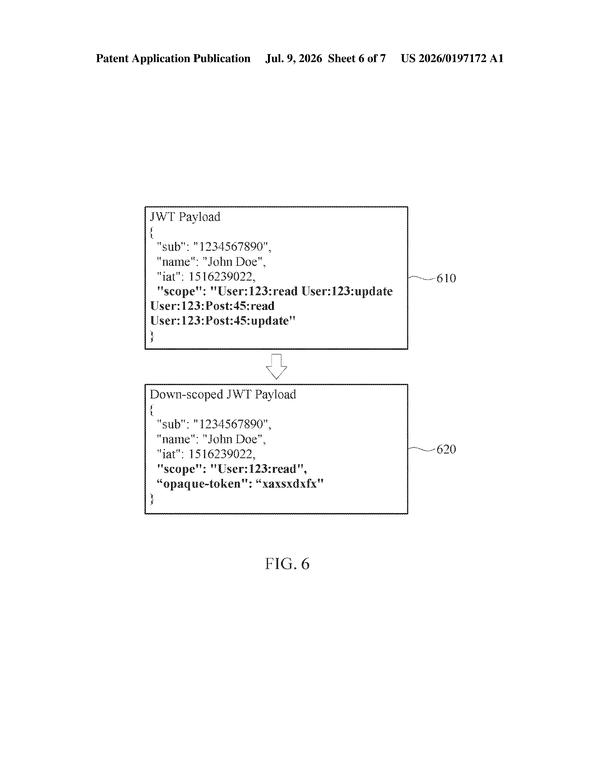
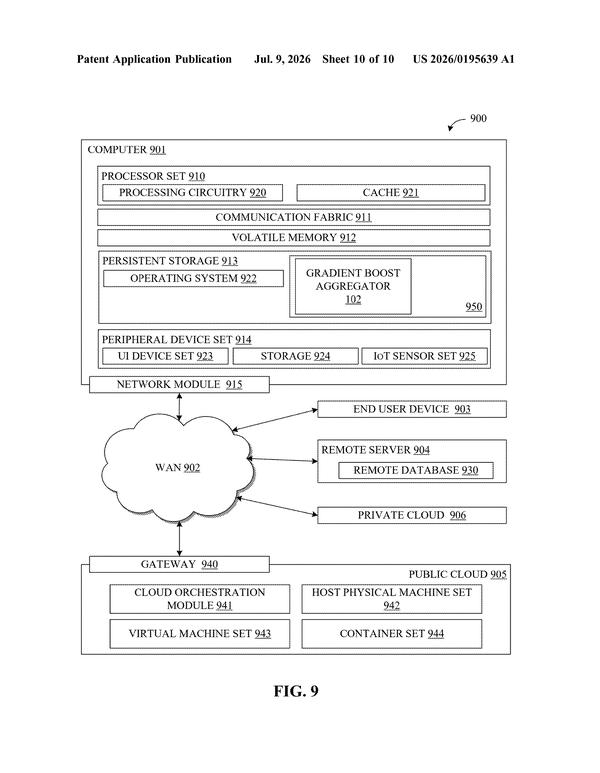
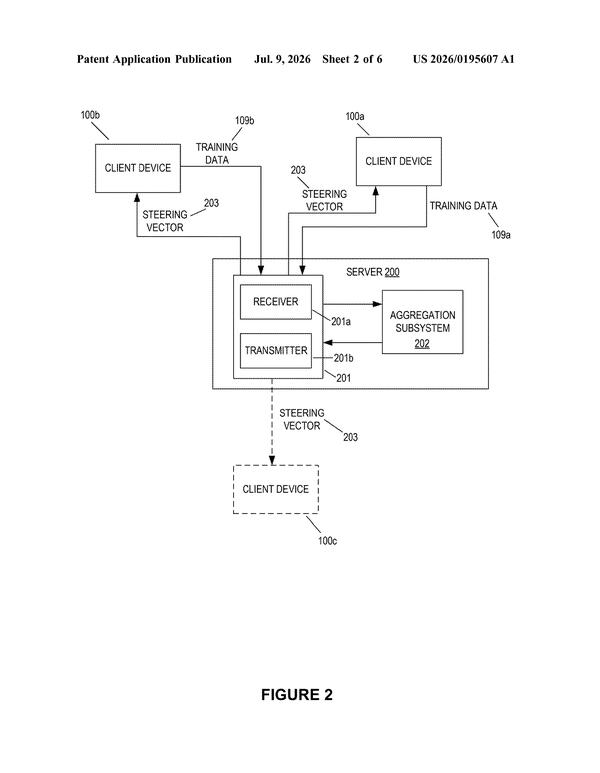
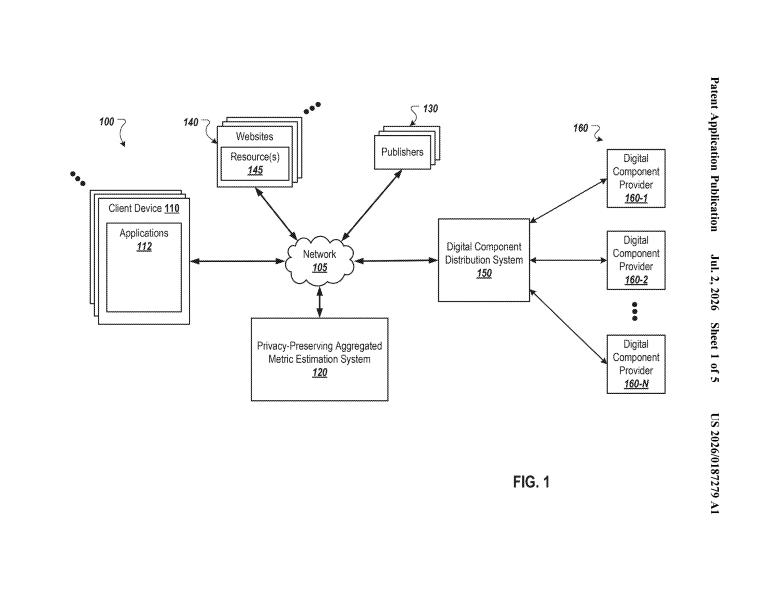
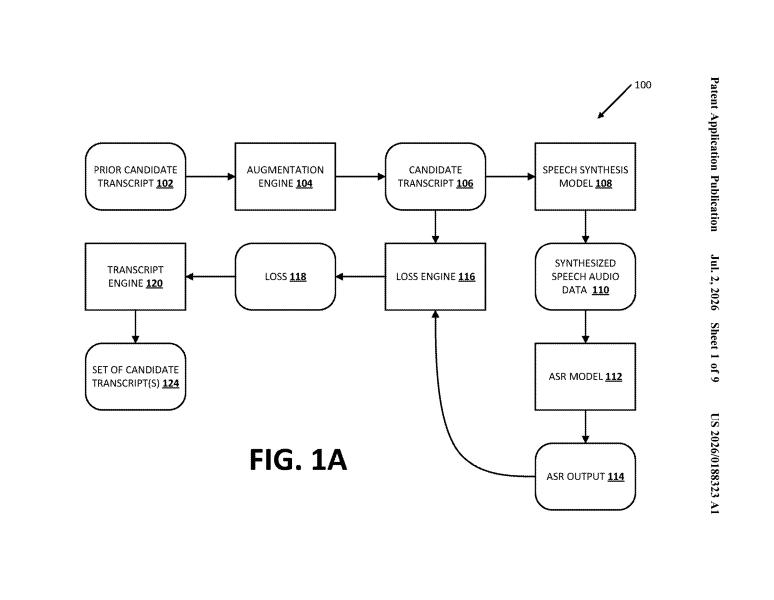
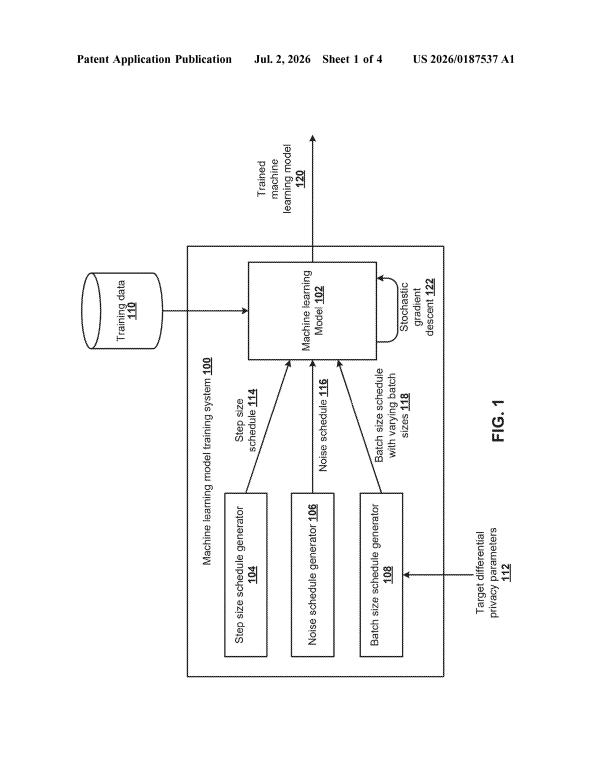
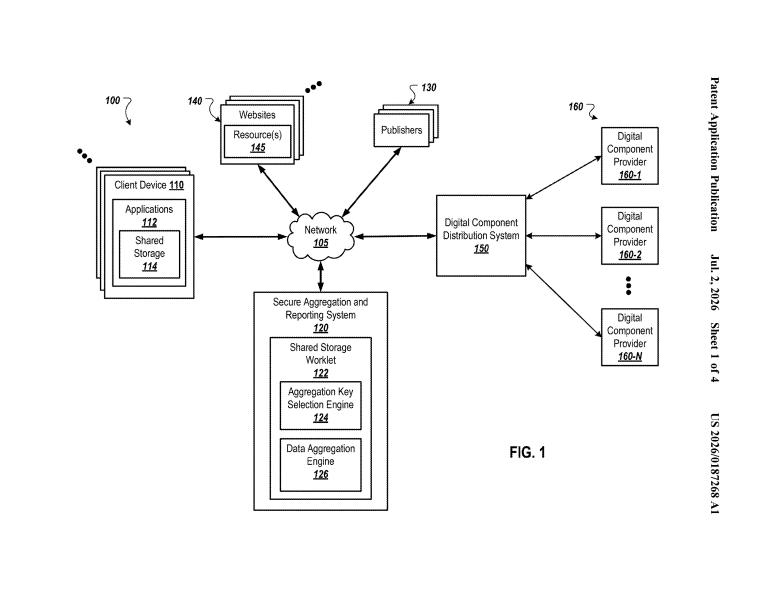
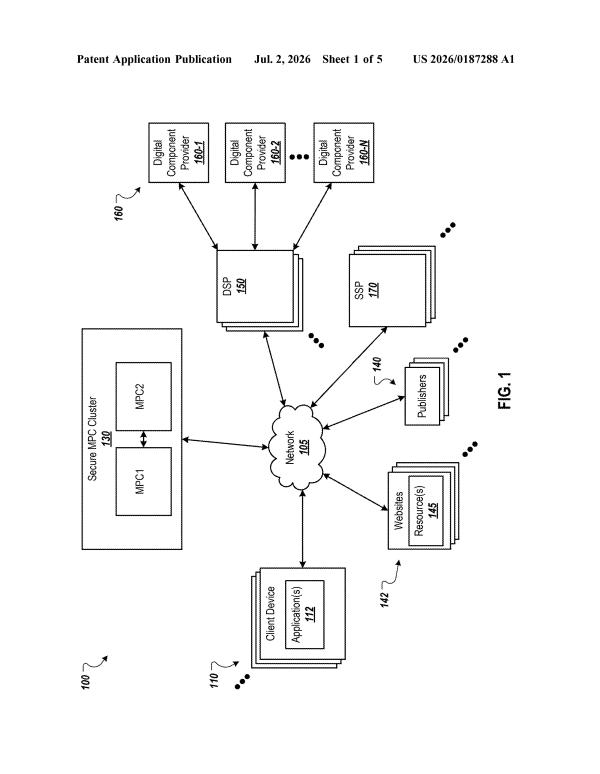
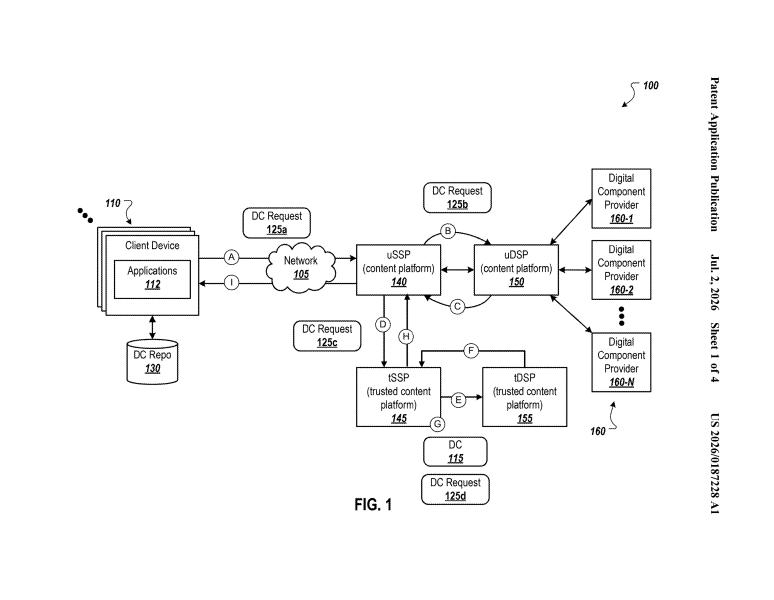
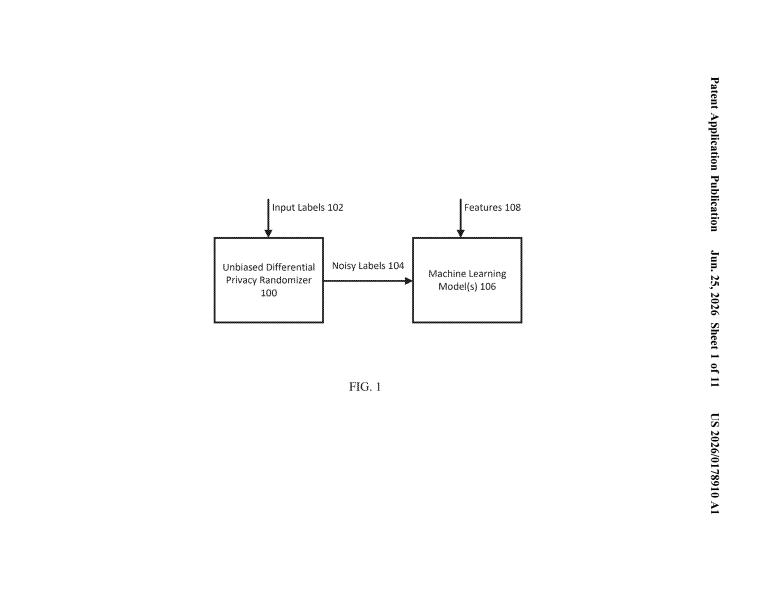
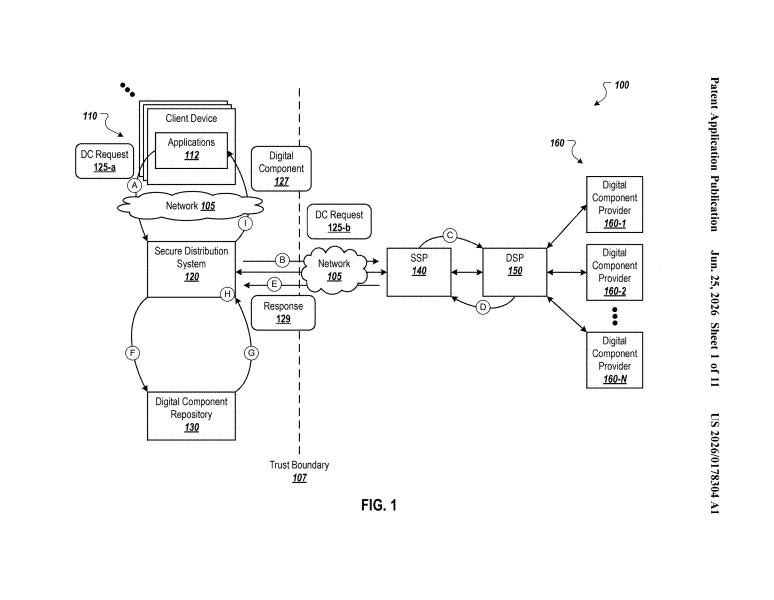
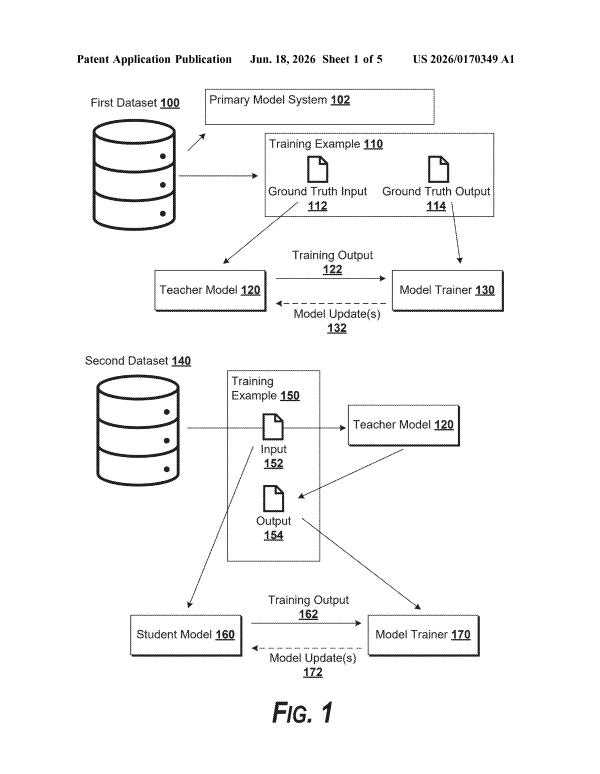
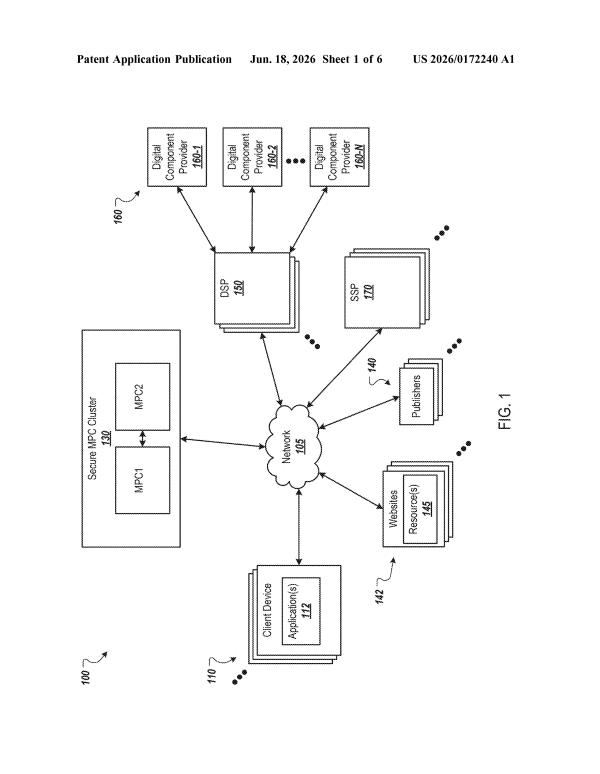
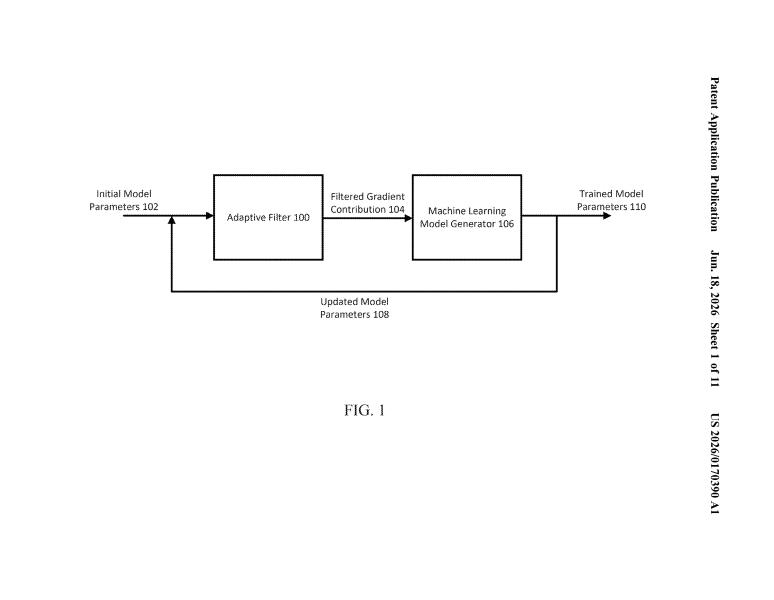
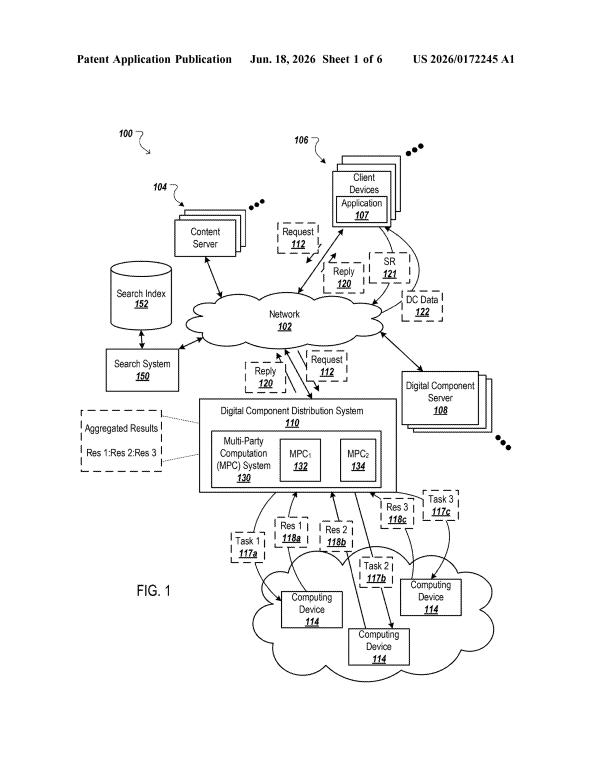
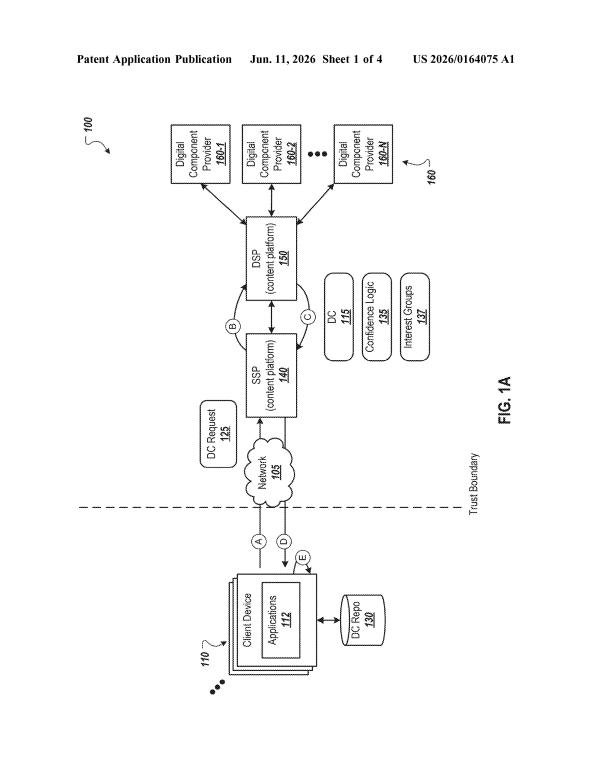
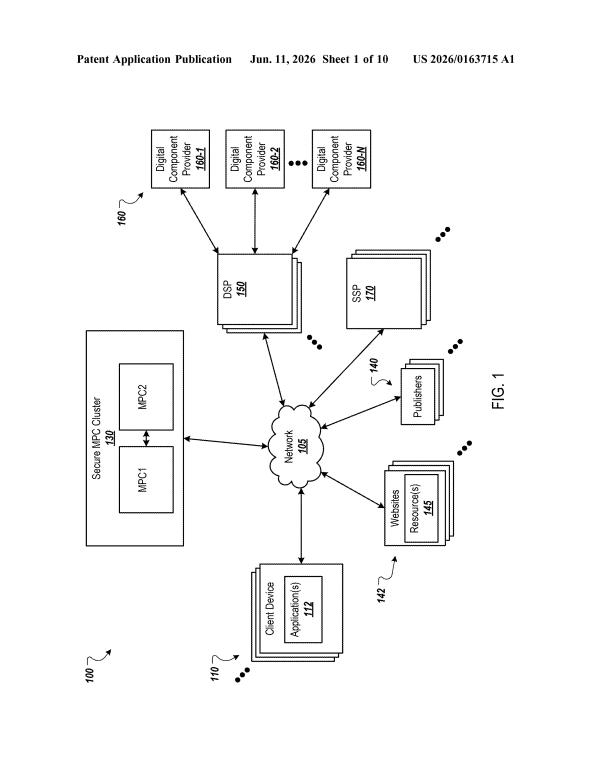
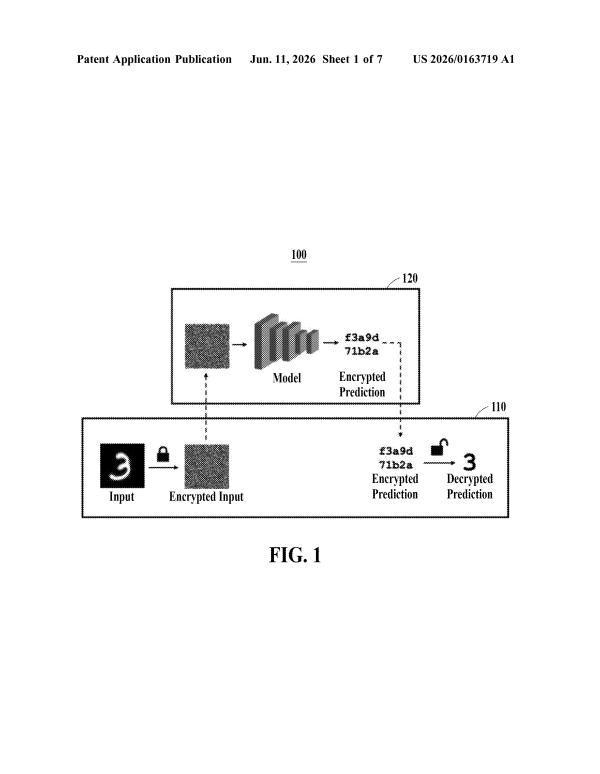
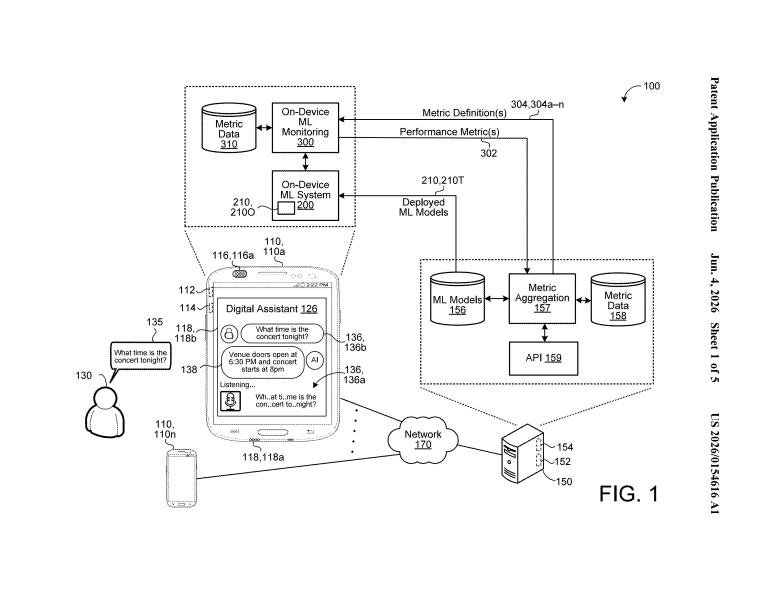
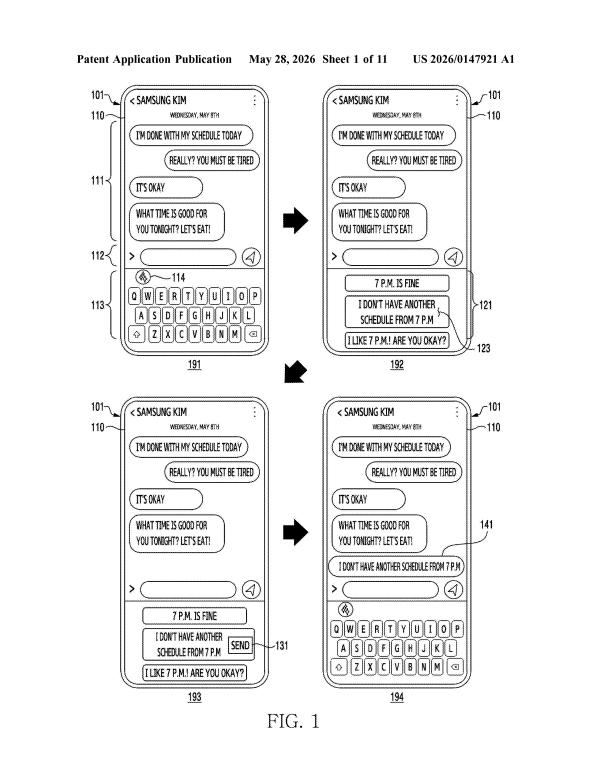
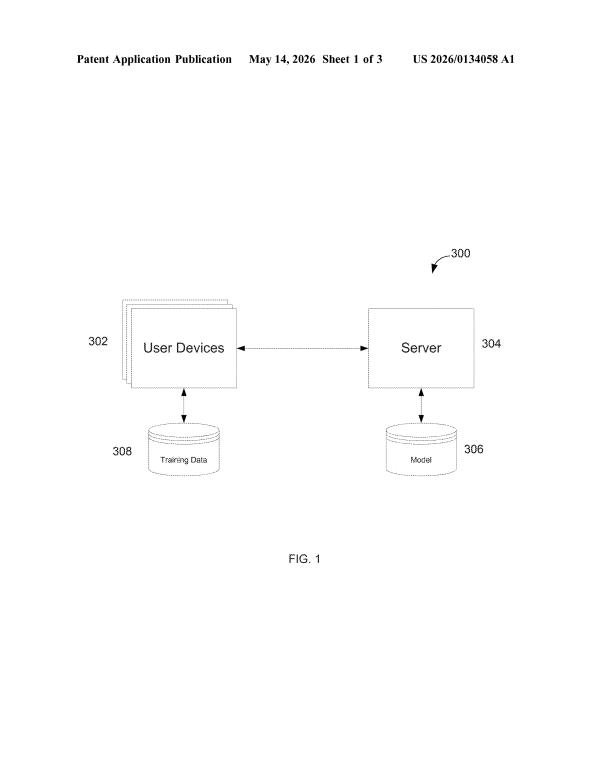
A recurring problem across the batch is proving that on-device AI actually works without letting the company see user data. Filings describe checking model performance without exposing what a phone's AI saw, training shared models across many devices without collecting raw inputs, and swapping real data for substitutes before a model reads messages or contacts. The same pattern shows up in ad targeting and ad auctions, where the goal is to keep browsing behavior on the device while still deciding what to show.
Watch for two things next: whether the filing pool spreads further beyond Google and Samsung to other device makers, and whether security groundwork like post-quantum authentication starts connecting to the privacy features already filed. Right now the storyline reads as an infrastructure build-out, patent by patent, rather than a single finished product, and each new filing narrows in on one more place where data used to leave the device and now might not.
Questions readers ask
What problem is this storyline actually about?
These filings show Big Tech engineers working on ways to run AI tasks like recommendations, voice assistants, and ad targeting directly on a phone or TV instead of a server, so personal data never has to leave the device. The goal is doing useful AI work while keeping raw user data local.
Does this mean Google and Samsung phones already run AI without sending data anywhere?
Not yet, and patents are not proof of a shipped feature. What we see is a documented direction: both companies are filing designs for scrubbing, filtering, and training AI locally, which signals engineering priority even before any feature reaches a real device or app.
Why does Samsung's post-quantum patent show up in a privacy storyline?
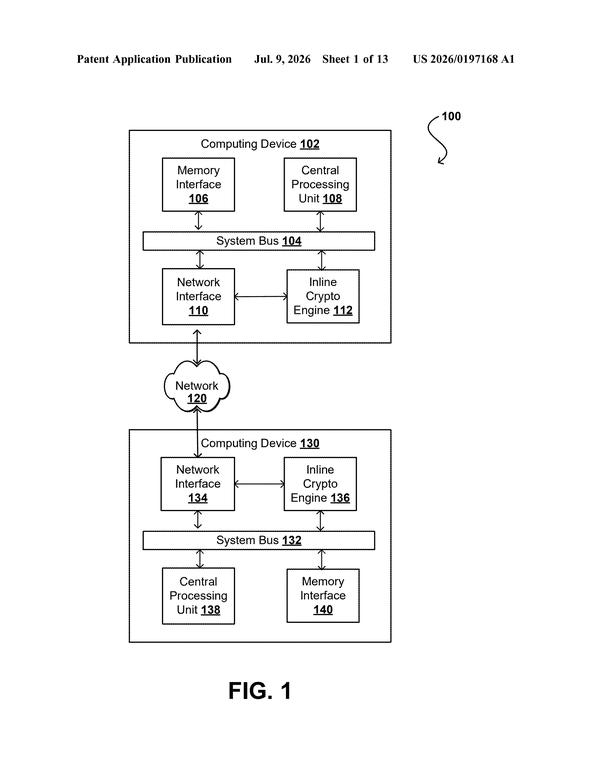
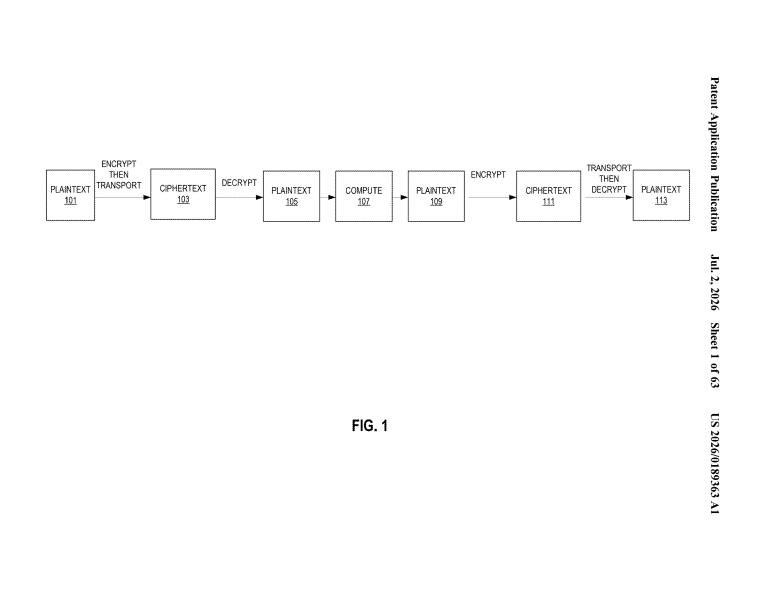
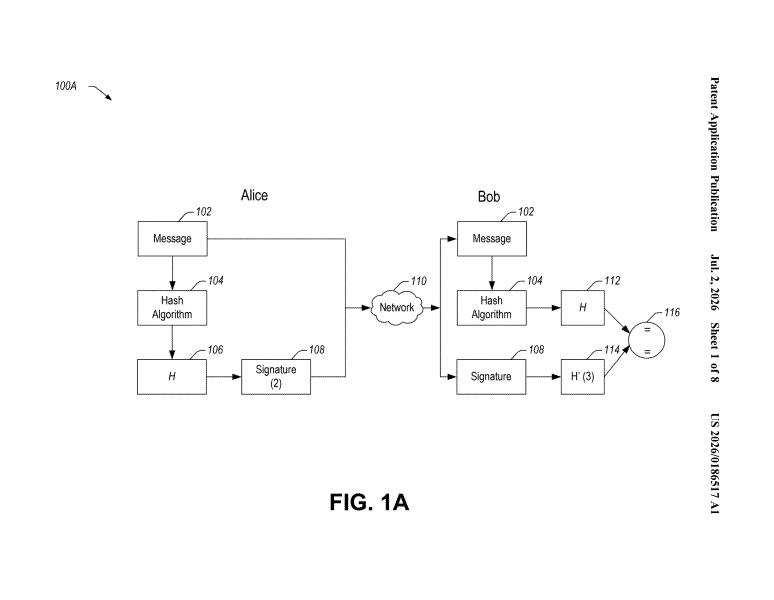
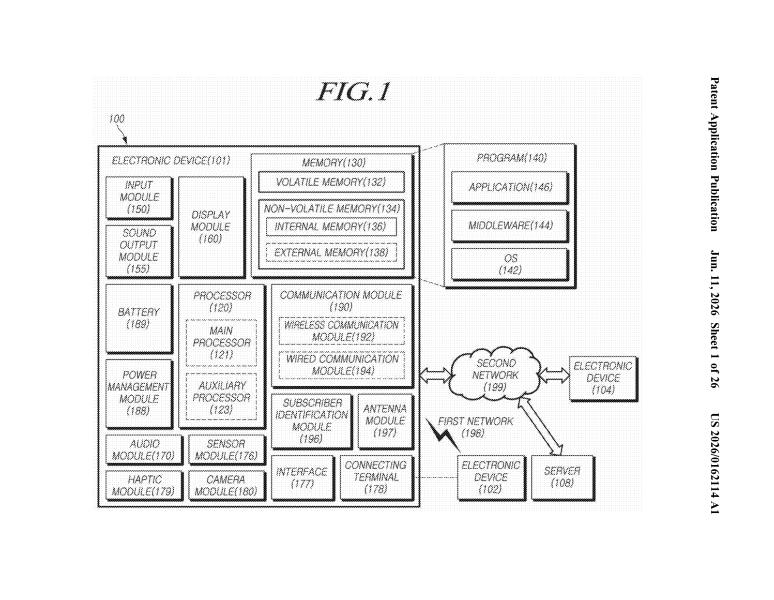
It fits because the storyline tracks device-level trust, not just data scrubbing. A post-quantum authentication system is about making sure a device can prove its own identity securely even after future computers break today's encryption, which supports the same on-device privacy goal from a different angle.
Who is filing the most patents in this race?
Right now the sample leans heavily toward Google, with Samsung also contributing filings on data substitution and future-proof security. The storyline is designed to track new filers as they appear, so the balance between companies can shift as more patents get added each week.