Adobe's Patents on Controllable AI Images, and what they reveal
This tracker follows Adobe's patents for controlling AI image output, from fixing object placement and blending styles to keeping characters and brand looks consistent. Together the filings point to Adobe treating predictability as the real product, not flashier generation.
23 filings
· tracking since May 2026 · latest Sep 2026 · updates weekly
based on all tracked filings in this watchlist · refreshes every week
Adobe's filings are about giving people more direct control over AI-generated images, whether that means typing a description, dragging a slider, or swapping out a style source.
The filings cluster around two problems: keeping characters and visual styles consistent across multiple images, and letting users build scenes piece by piece rather than generating everything in one uncontrollable step.
What’s new in Adobe's controllable AI images
a dated entry each week this watchlist moves · older entries stay archived
Sep 17, 2026 1 filing joined
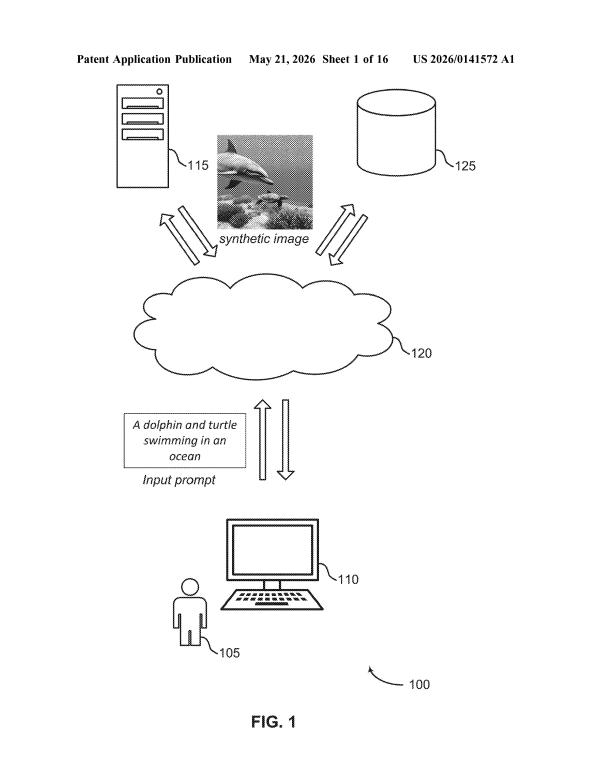
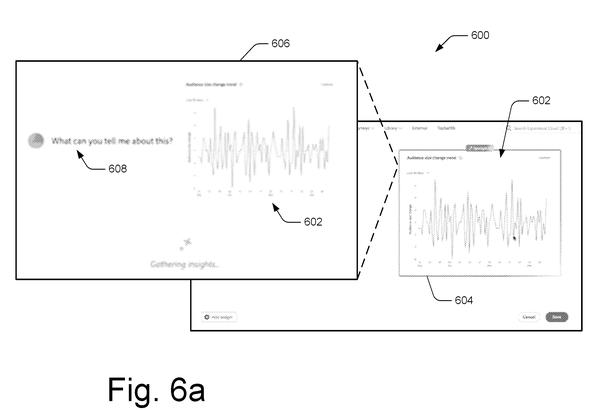
This week's filing covers a tool that watches where your cursor moves and writes image instructions for you automatically. The focus is on removing the need to type prompts by hand.
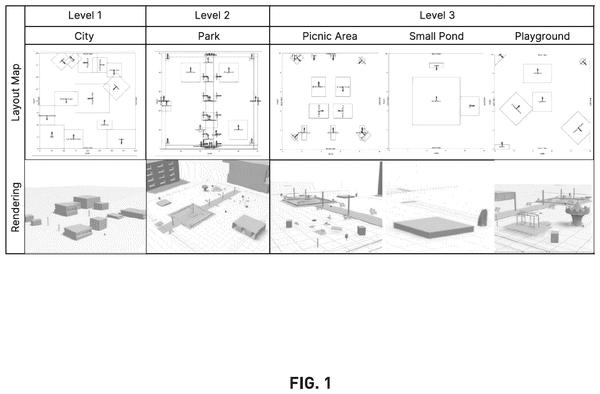
This week Adobe filed patents around two things: building full 3D scenes from a text description, and fixing the scrambled or unreadable text that often appears in AI-made images. Both filings push toward giving users more control over what AI actually produces.
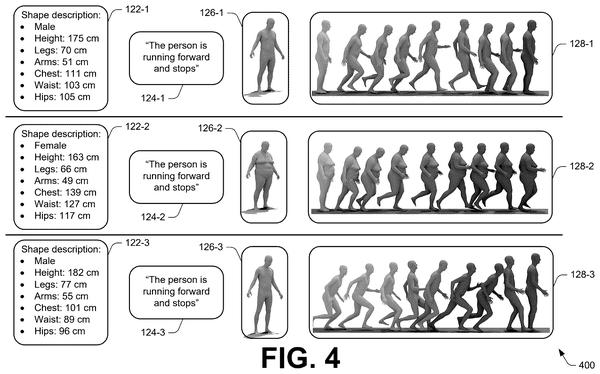
This week's filings center on giving people more precise control over AI-generated images, from building scenes in separate layers to editing 3D objects by describing changes in plain words. The group also covers teaching AI to match a brand's look and making characters move the way real bodies do.
Aug 20, 2026 2 filings joined
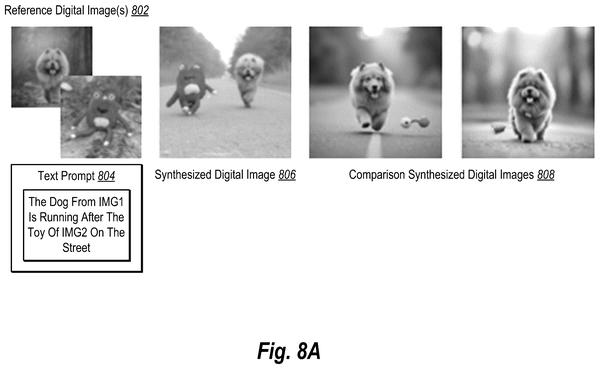
Both new filings show Adobe exploring ways to give people more control over what AI-generated images look like, whether by pulling from several reference photos at once or by turning a text description into a set of matching design pieces.
The filing pace inside Adobe's controllable AI images
The focus areas inside Adobe's controllable AI images
the problems Adobe keeps filing on · each with its three newest filings · new filings join every week
Giving Users Direct Controls 3 filings
Getting AI to produce exactly what you want usually means writing the perfect description, which most people cannot do. These filings cover tools that let users adjust image qualities with sliders, drag to reshape things, and use maps to control where objects appear.
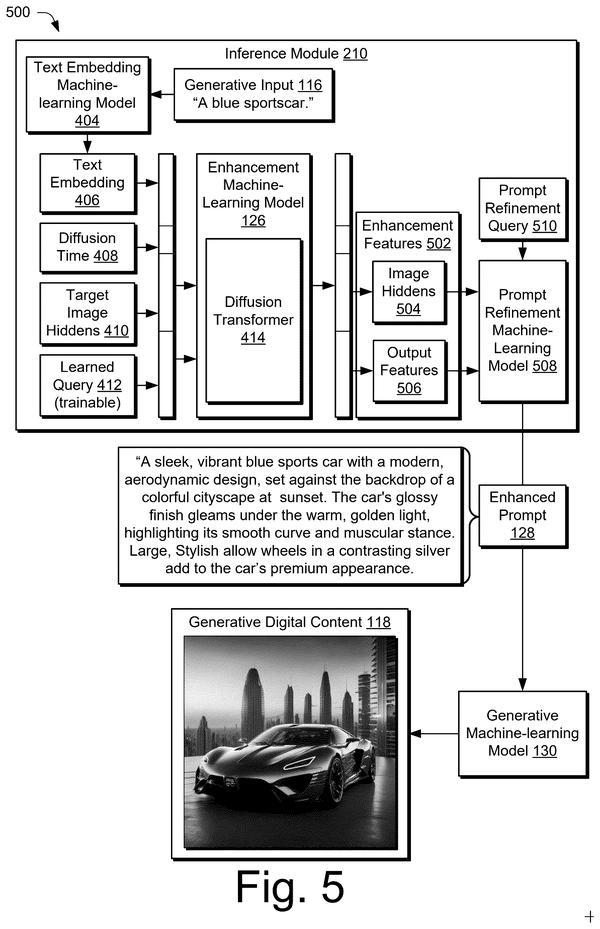
Most people struggle to describe what they want in a way an AI image tool understands. These filings cover systems that write the description for you, rewrite a weak one before the AI sees it, or translate a 3D model plus a short description into a finished image.
AI image tools tend to produce a different look every time, which breaks brand guidelines and character consistency. These filings cover ways to lock in a brand style, pull a style from a separate source, and keep the same character looking the same across multiple scenes.
When AI fills a missing part of an image, the results often look wrong or muddled. These filings cover a two-pass approach for sharper fills, a system that reads how complex a gap is, a fix for mixed-up objects and locations, and tighter control over what the AI leaves out.
Anticipatory prompt generation from cursor position cuts the manual typing step by pre-analyzing what's under the pointer, streamlining the user friction that typically precedes AI image operations.
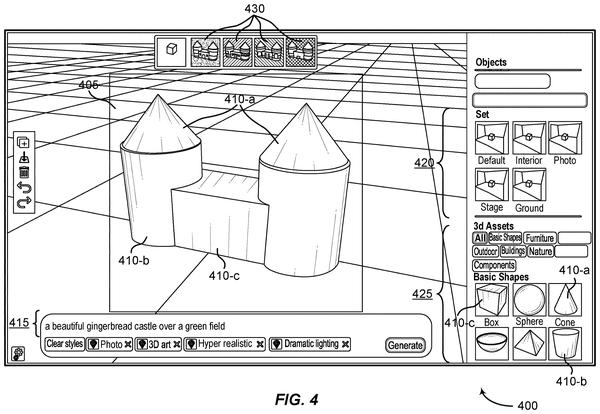
Automating spatial layout cuts the manual placement work that normally consumes hours of a 3D artist's time. A language model plans the scene structure before rendering, letting designers iterate from text rather than repositioning objects by hand.
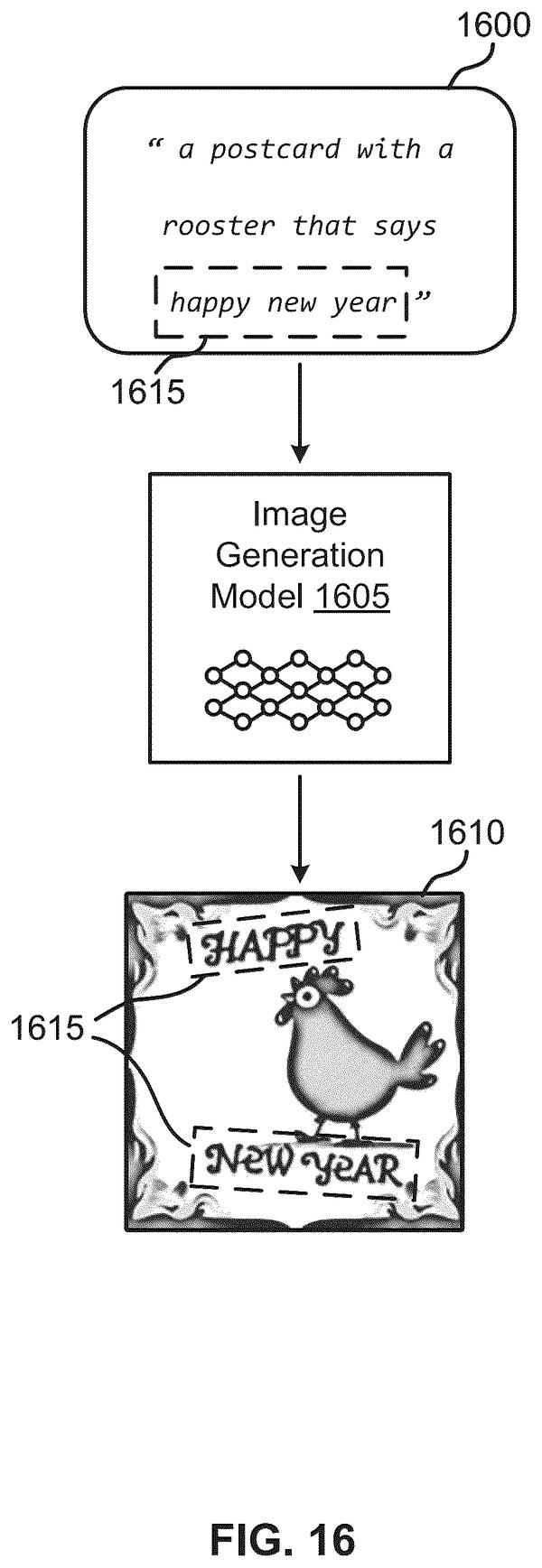
Rendering legible text in generated images requires isolating text processing from general image synthesis, keeping letter sequences from degrading into visual noise.
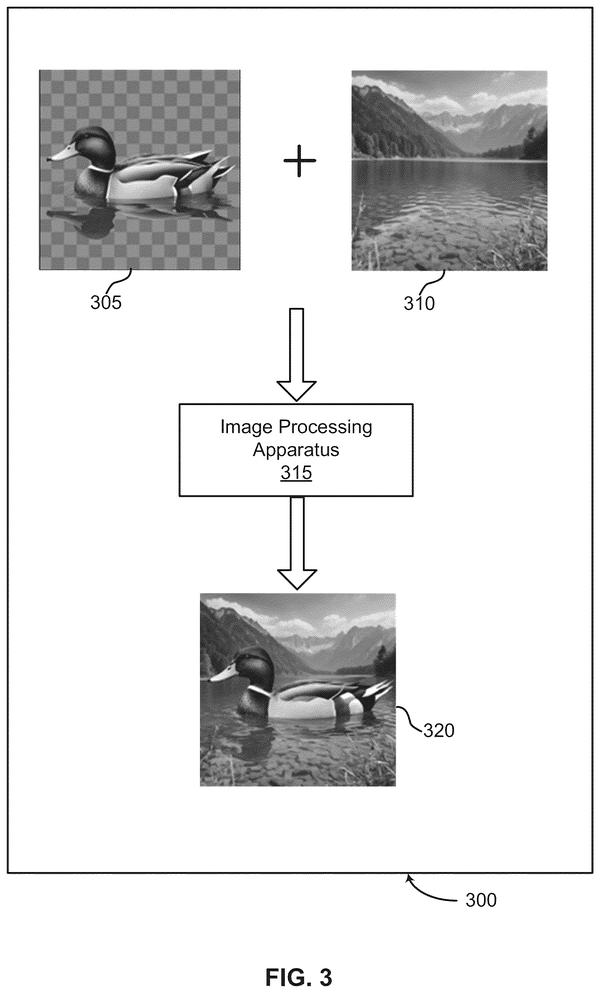
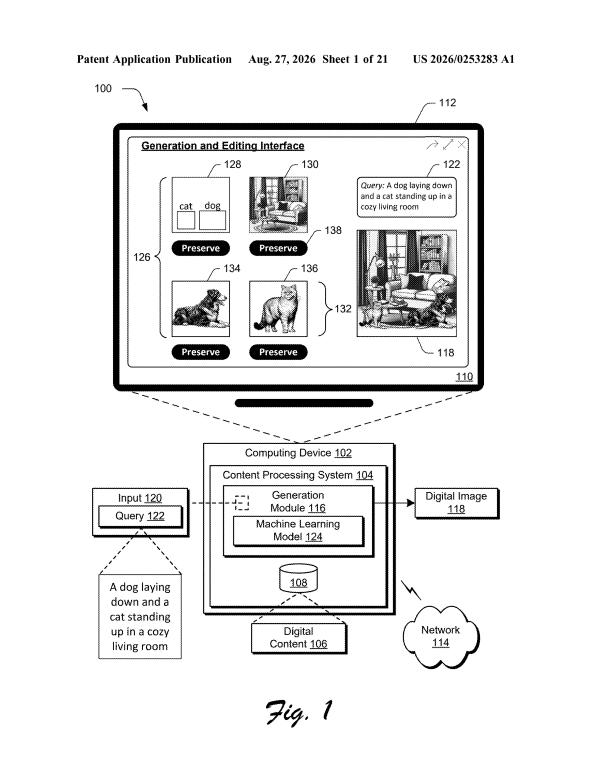
Keeping foreground and background visually coherent requires separating their prompts so each part gets dedicated attention instead of competing within a single model.
Realistic character movement means accounting for body type when generating motion. This filing shows how Adobe can make animated characters move in ways that match their actual build instead of applying one generic gait to every shape.
Users could generate on-brand product shots without laboriously tuning prompts or hand-labeling training data. The filing confirms Adobe is automating the style-capture step that currently forces marketers into trial-and-error workflows.
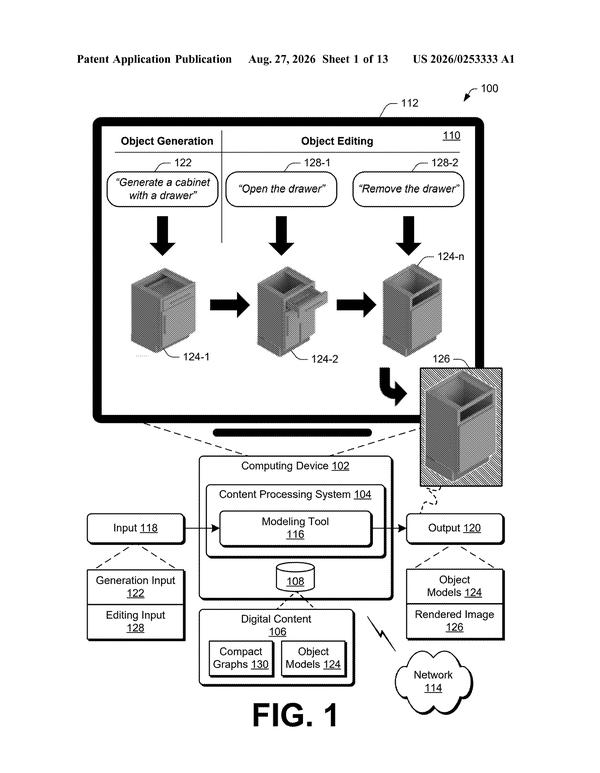
Keeping 3D object geometry stable across text edits. The patent describes how the system regenerates models from revised descriptions without losing structural coherence, extending Adobe's control layer deeper into the generative process itself.
Sequencing image generation into discrete layers lets the system resolve spatial relationships one step at a time, reducing compositional errors like misplaced objects.
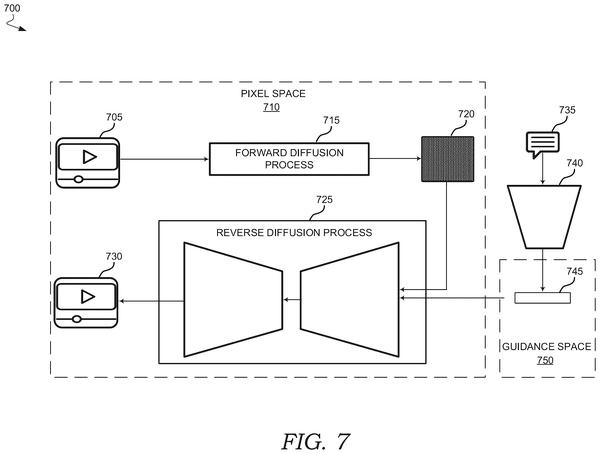
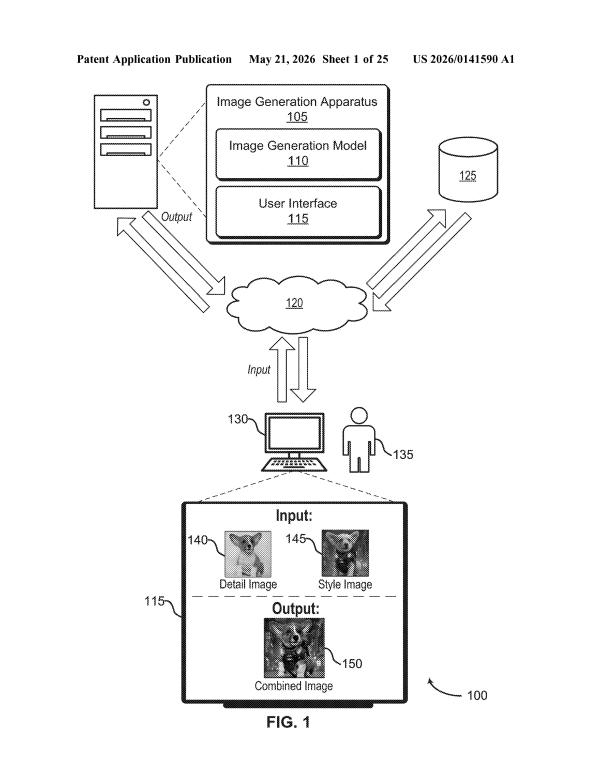
After establishing control over single-image generation, this filing shows Adobe pushing toward multi-source composition, where designers can pull pose from one photo, background from another, and lighting from a third without manual blending work.
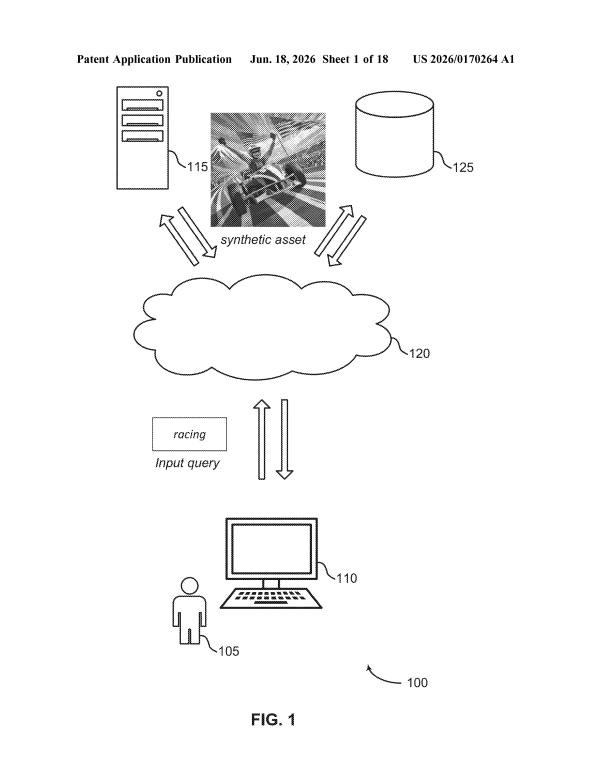
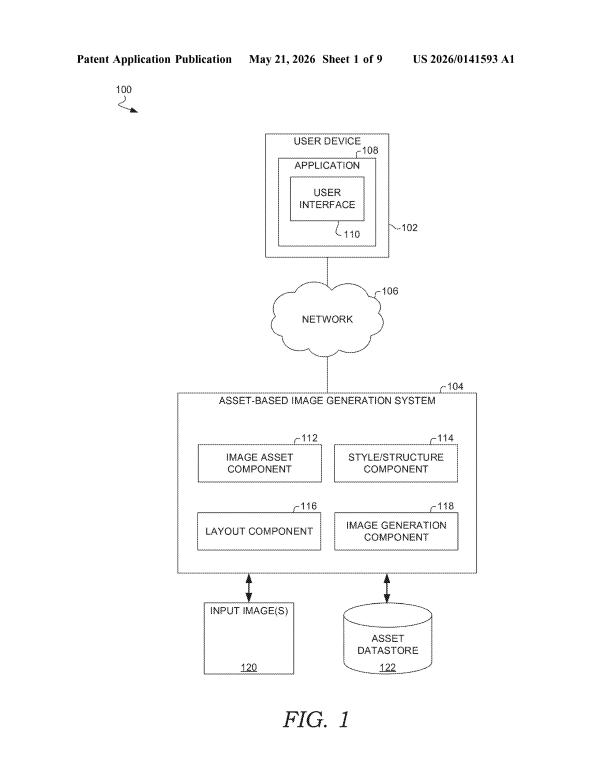
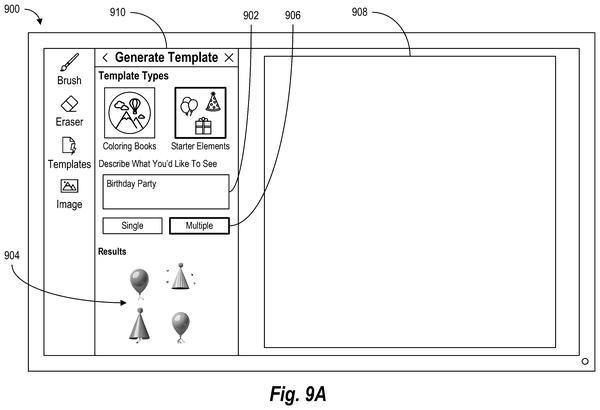
The watchlist so far has focused on placing and styling existing elements consistently. This filing moves earlier in the workflow, automating the creation of matching design assets from a single theme prompt so users don't assemble them manually first.
After mapping object placement and style consistency, this filing shows Adobe moving upstream: automating the prompt refinement step itself, so users don't have to debug their descriptions before generation even starts.
Bridging 3D geometry and text descriptions in one workspace lets designers anchor spatial layout while steering visual style, solving the mismatch between what generative models produce and what specific product shots require.
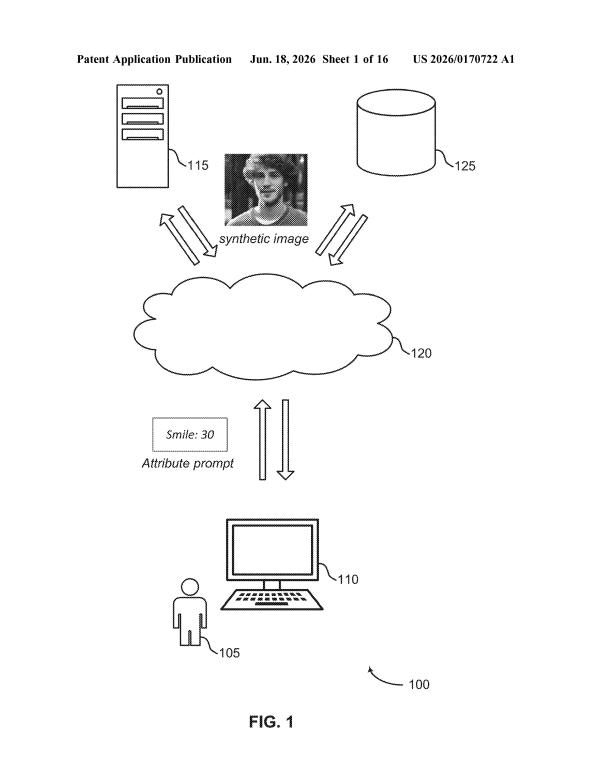
Slider controls replace vague prompts with numerical precision, letting users specify exact intensity levels for visual attributes before generation rather than through trial-and-error re-prompting.
Users could skip the trial-and-error of crafting detailed prompts by letting the system interpret casual descriptions and auto-generate the technical specifications image generators actually need.
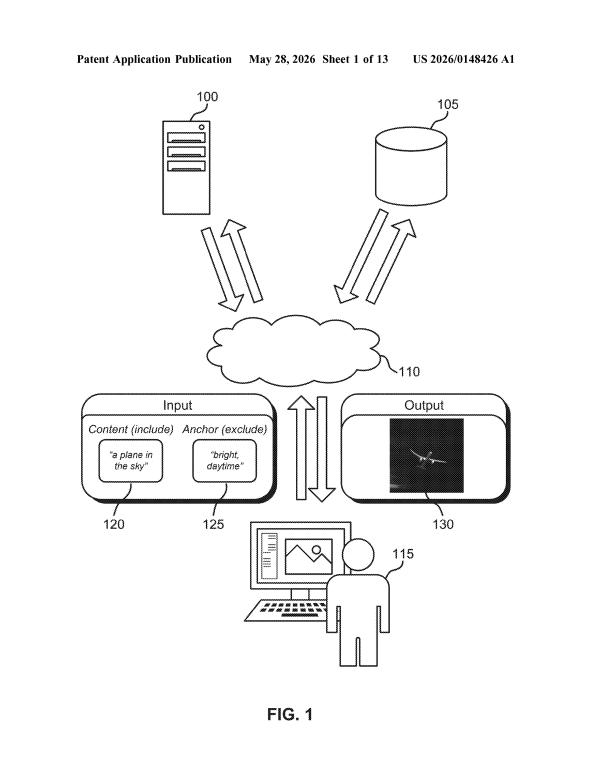
Users could finally stop rewriting prompts when unwanted elements keep appearing. The dual-stream approach lets the model balance what to include against what to exclude as separate, competing instructions rather than forcing both into a single messy command.
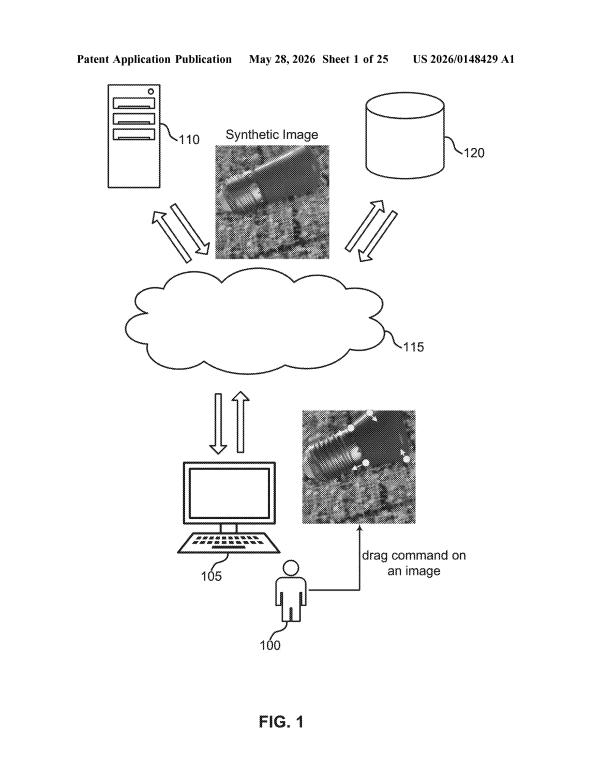
After sparse control points came drag-based editing: this filing shows how users can reshape individual objects by moving just a few anchor points, letting the AI infer realistic deformation rather than requiring manual masks.
Keeping a character's appearance stable across multiple scenes requires the model to maintain consistent features without requiring users to manually specify every detail each time.
Separating content from style as distinct inputs lets users mix visual elements without writing descriptive prompts, shifting control from language to direct image selection.
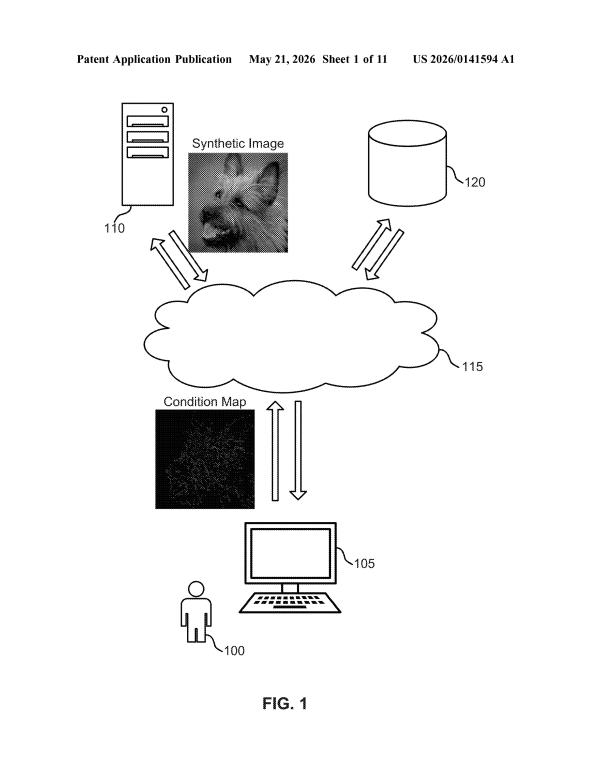
Users could compose images by sketching where objects belong rather than wrestling with text prompts to describe spatial relationships, letting layout control precede generation instead of following it.
Within the spatial control watchlist, this filing focuses on preventing object misplacement before image generation even starts, catching compositional errors at the prompt-parsing stage rather than correcting them after rendering.
Getting detail-level coherence in filled regions requires a two-pass approach: one pass establishes global context and composition, the second refines texture and perspective matching within that frame.
Extracting visual style from reference images lets designers lock AI outputs to specific brand aesthetics instead of watching generated results drift toward generic templates.
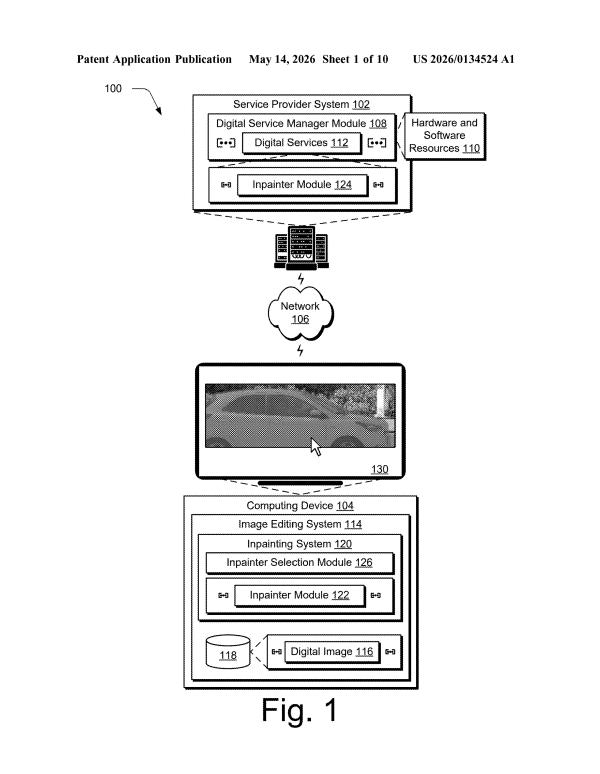
Picking the right inpainting model matters when scenes vary wildly in visual detail. This filing proposes measuring complexity first so the system can route simple backgrounds to faster models and reserve heavier computation for dense, cluttered scenes.
Questions readers ask
Does this mean Adobe is about to release new AI image editing features?
Not necessarily. These are patent filings, which show what Adobe's engineers are researching and protecting, not confirmed product plans. Some ideas here, like slider controls or drag-to-transform editing, may show up in Photoshop or Firefly, but patents describe possibilities, not promises.
Why does Adobe keep patenting ways to control AI image generation instead of just making better generators?
Across this batch, Adobe's filings emphasize predictability over raw image quality: making sure structure, style, and brand identity come out the way the user intended. That suggests Adobe treats control as central to a usable creative tool, not a secondary feature.
What problem do these Adobe patents keep coming back to?
A recurring theme is getting AI output to match what a person actually specified, whether that's object placement, a brand's visual style, or a character's look across scenes. Several filings also target the inpainting and fill process itself, suggesting mismatched results are a persistent frustration Adobe keeps trying to solve from different angles.
Is this list of patents complete?
No. This is a living tracker that adds new Adobe filings on controllable AI image generation as they turn up, so the collection keeps growing over time and never settles into a fixed, final set of patents.
Want this weekly breakdown for a company we don't cover?
Patentlyze Pro →
The weekly email: the best of Big Tech's filings, in plain English. Free.