New Samsung Patents For Their Home Robots, and what they tell us
This tracker follows Samsung patents that give robots better balance and recovery, teach appliances to sense spills, boiling water, or mineral buildup, and add fallback controls for when a smart home glitches. Together they point to a home where machines monitor themselves and adjust instead of waiting for a command.
47 filings
· tracking since May 2026 · latest Sep 2026 · updates weekly
based on all tracked filings in this watchlist · refreshes every week
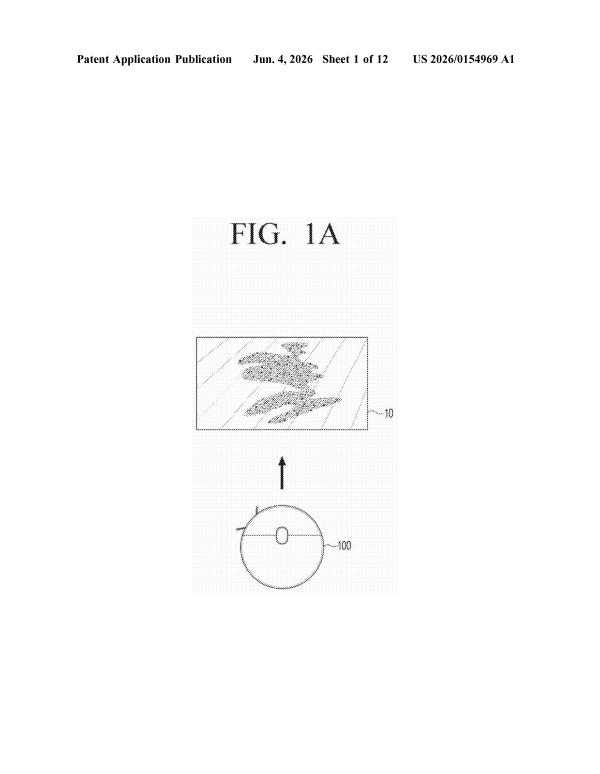
Samsung is filing patents around robots that can move through a home, clean it, charge themselves, and understand the objects and spaces around them.
The filings cluster most heavily around two problems: helping robots navigate and avoid getting stuck, and making charging work more reliably on its own.
What’s new in Samsung's home robots
a dated entry each week this watchlist moves · older entries stay archived
Sep 17, 2026 6 filings joined
This week's filings focus heavily on how the robot finds, reaches, and locks into its charging base, plus how it reads the floor around it. A few filings also cover the robot's lights and mop pad swapping.
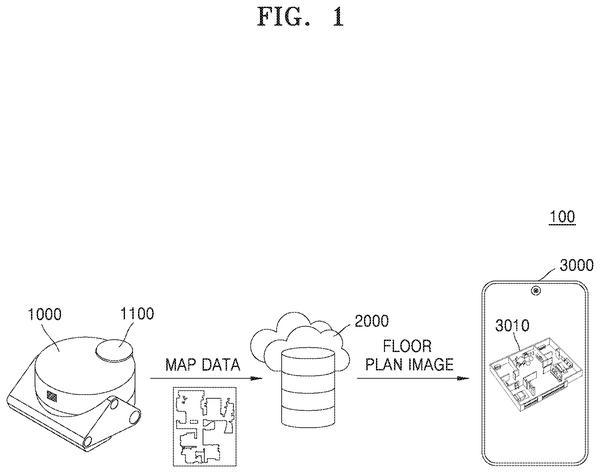
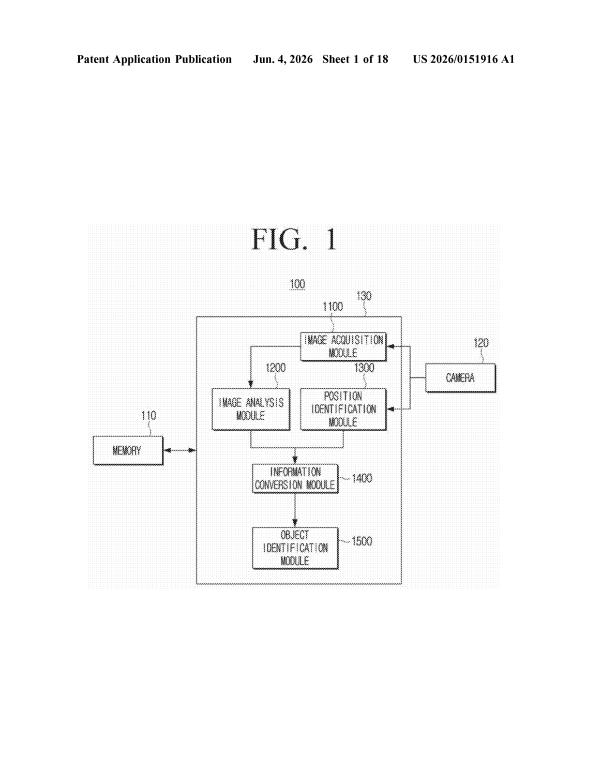
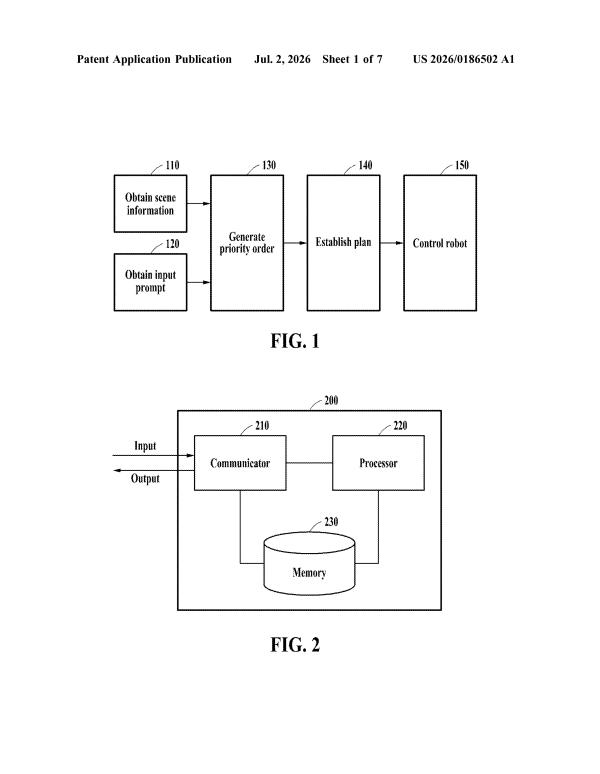
This week's filing focuses on helping a robot understand where it is inside a building. It does this by matching the robot's own scans of a space to an existing floor plan using AI.
the problems Samsung keeps filing on · each with its three newest filings · new filings join every week
Robot Vacuums and Cleaning 8 filings
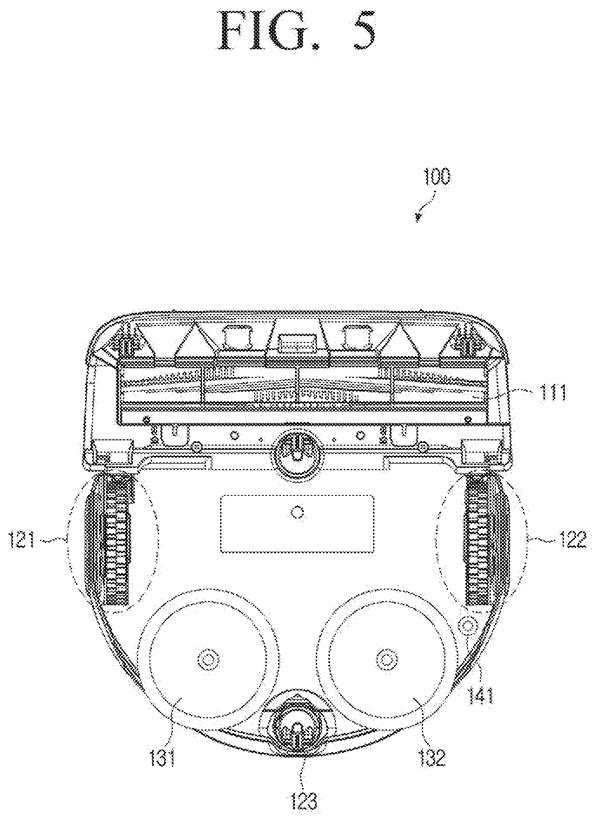
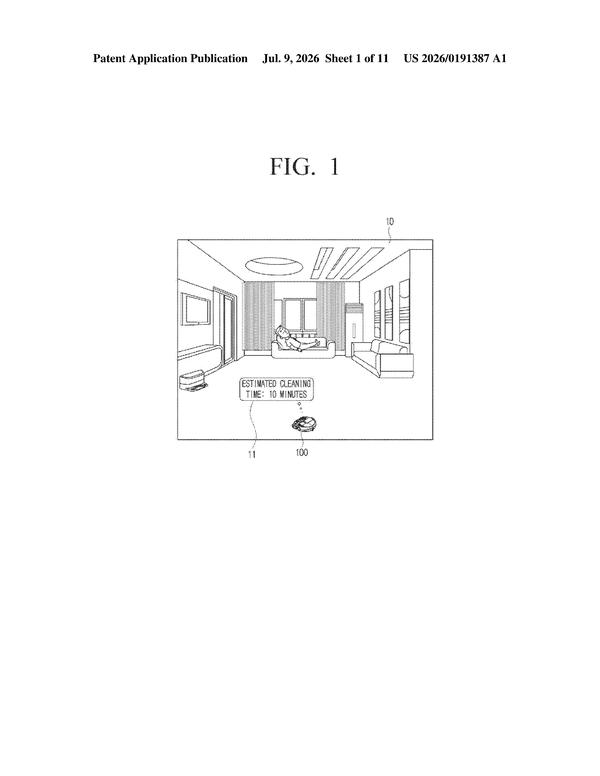
Cleaning robots often miss spots, get stuck on obstacles, or start jobs without enough power. These filings cover checking battery before mopping, estimating cleaning time, deciding what to drive over, finding liquid spills, and checking whether a stain was actually removed.
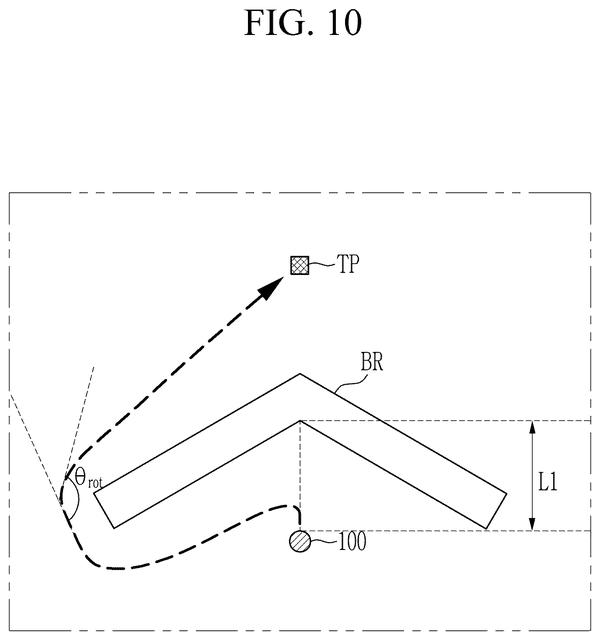
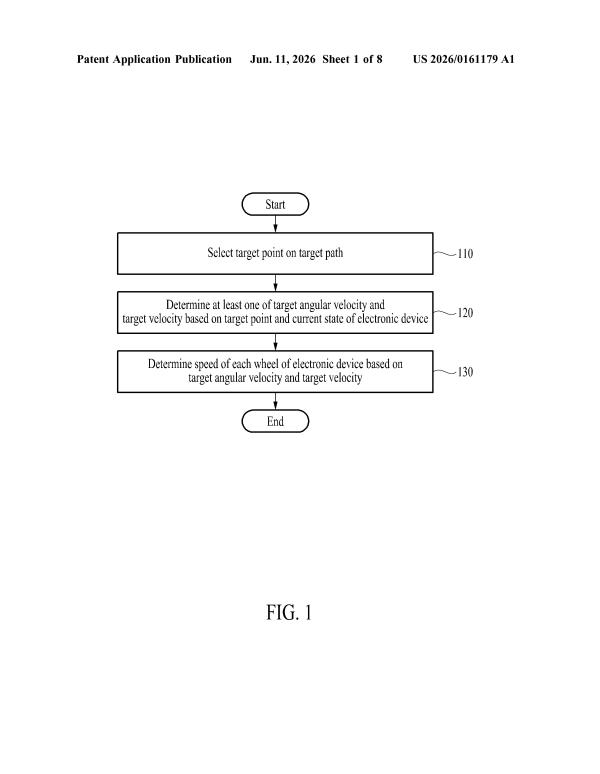
Robots can freeze, wander into dead ends, or drift off course with no way to recover. These filings cover systems that shake wheels free, unfreeze a stuck robot, avoid dead-end paths, and keep each wheel at the right speed.
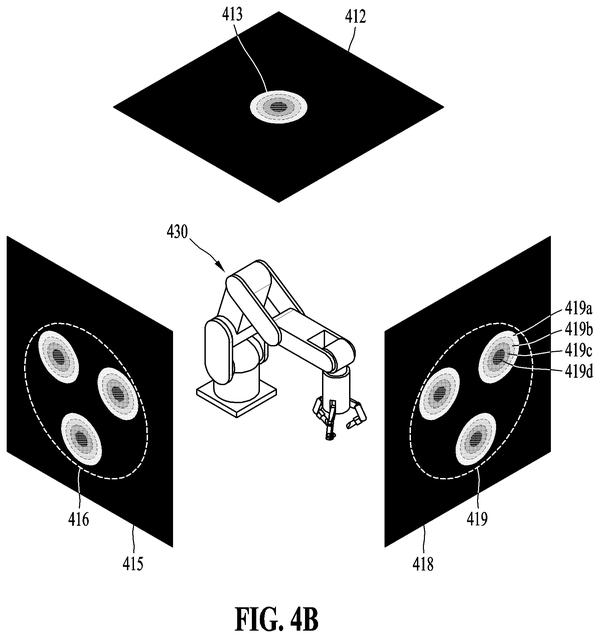
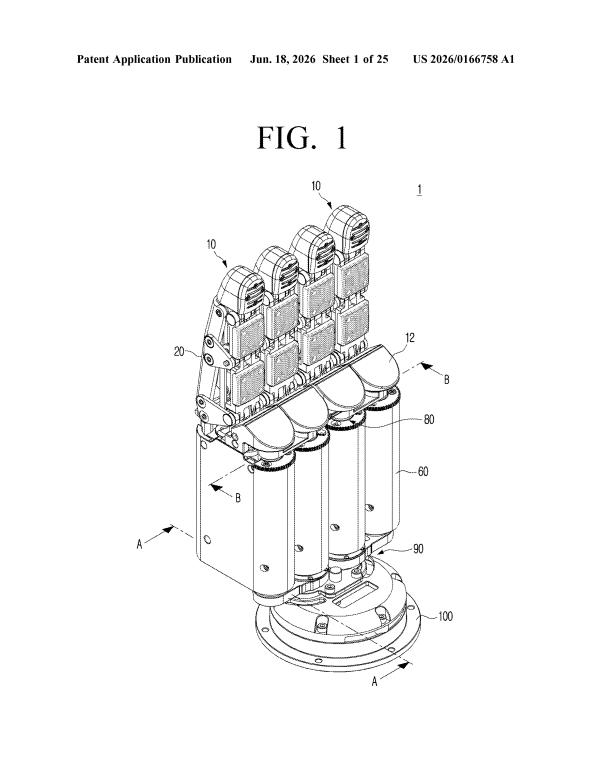
Grabbing objects is hard when a robot cannot see well or position its fingers correctly. These filings cover an arm that zooms in before grabbing, a hand where each finger moves itself into place, and an arm that retrains itself after a failed attempt.
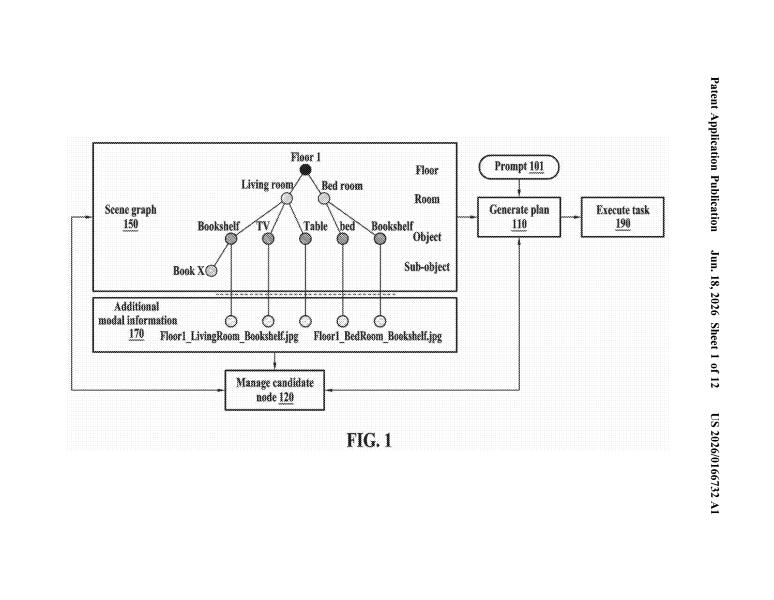
A robot needs to know what is in a room before it can work safely. These filings cover choosing a best position to map a room, updating maps using plain-language descriptions, using a phone camera to build a 3D map, and figuring out what each object is used for.
Robots often fail when a plan goes wrong and they have no way to adjust. These filings cover breaking instructions into step-by-step plans, fixing failed plans, and figuring out what a person is looking at.
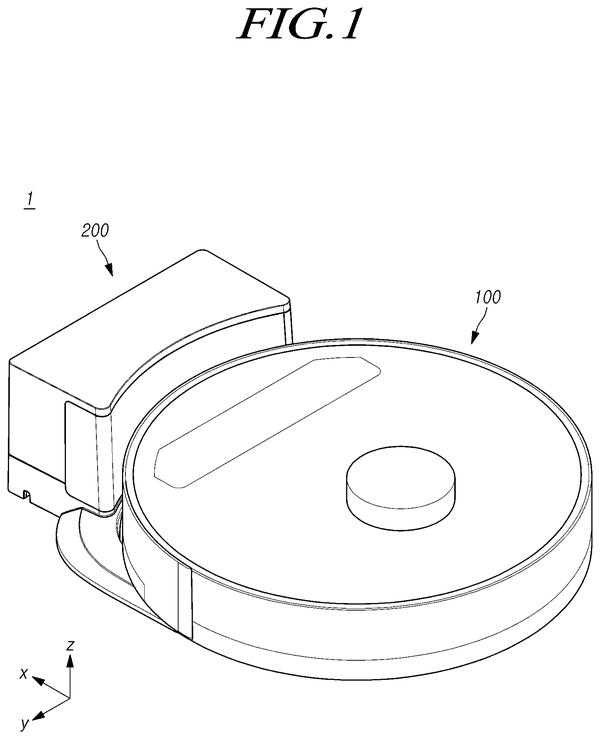
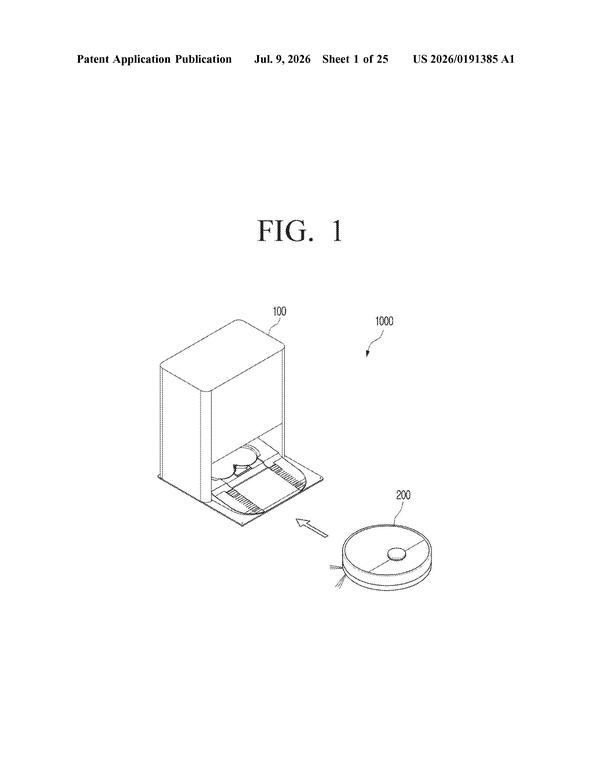
Docking stations and charging connections can fail or waste energy if not managed carefully. These filings cover a magnetic connection that prevents bad charging, a dock that picks its own sleep mode, and a station that removes its own mineral buildup.
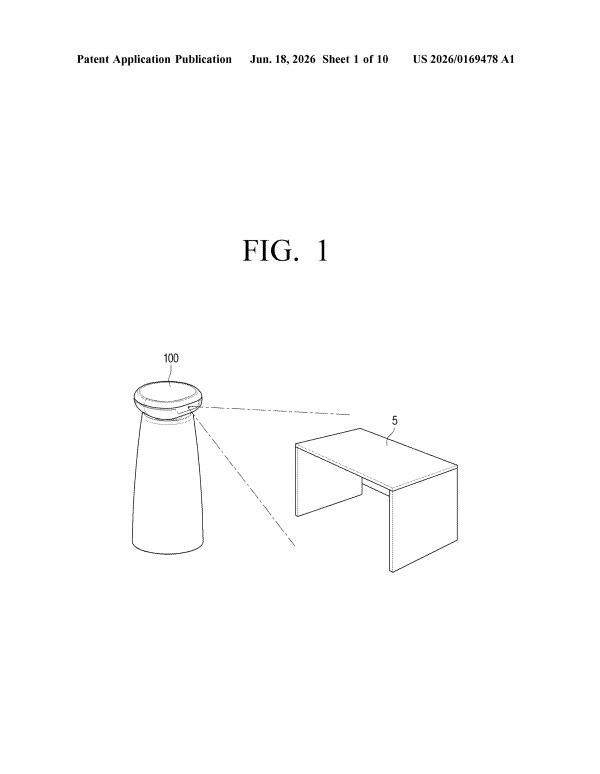
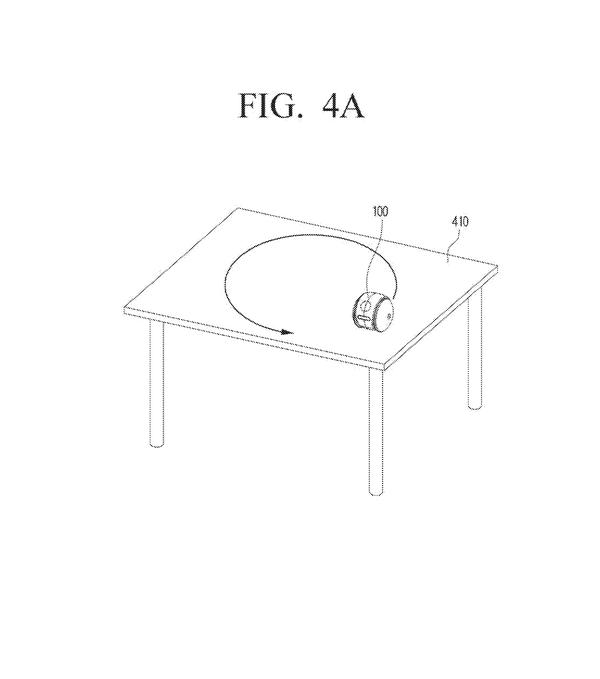
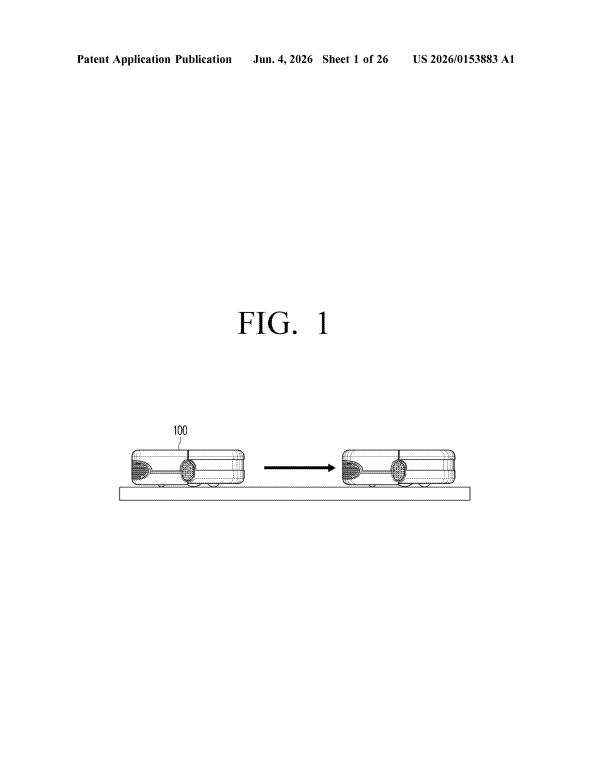
Detecting when the robot has been lifted off the ground lets it reduce speed on restart, preventing falls from countertops or tables where owners often place it to clean around obstacles.
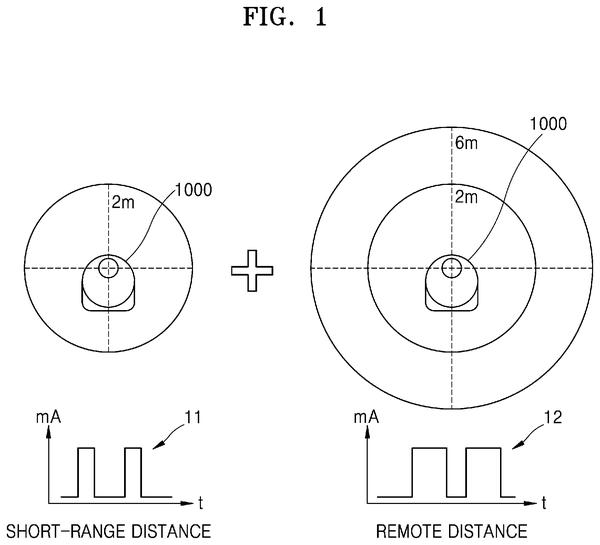
Extending the sensor's usable range without losing precision on nearby obstacles, the dual-power LiDAR approach lets robots map both close furniture and distant walls in a single sweep.
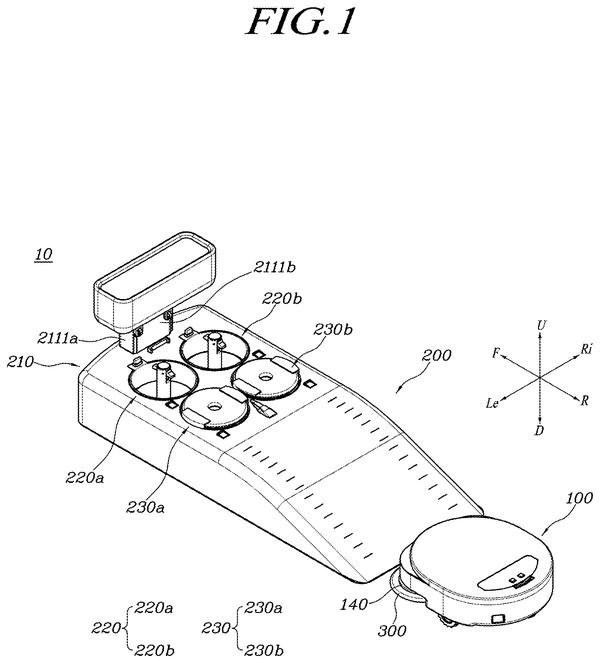
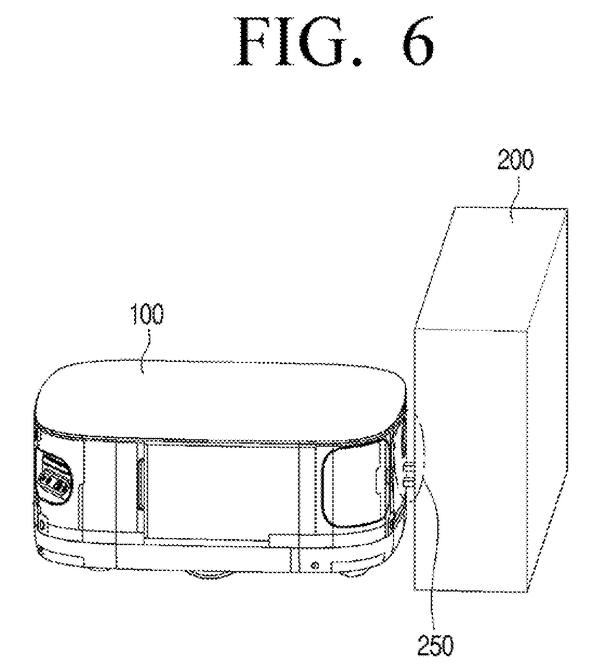
Builds on the balance work by solving the docking problem autonomous robots hit during recharge cycles: the station's contacts extend on contact rather than requiring millimeter-perfect alignment from the robot.
A wheel with a narrowed middle section acts as a mechanical guide, centering the vacuum on the charging base without requiring additional sensors or camera calibration.
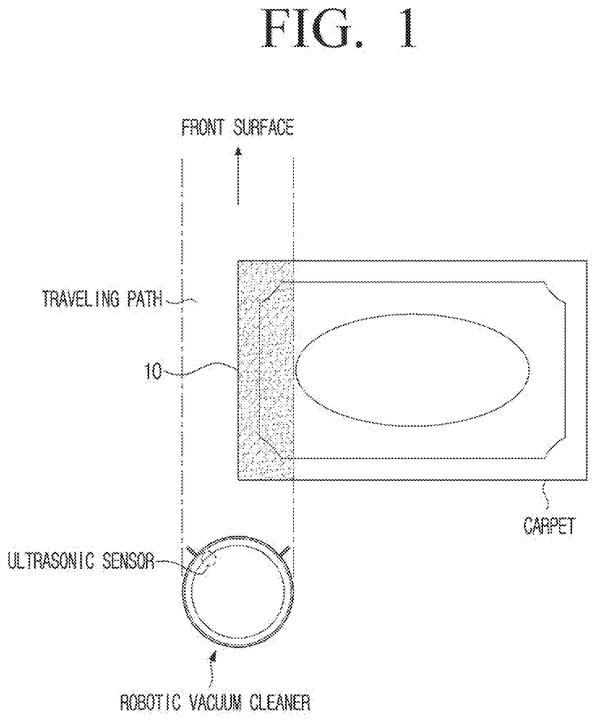
Ultrasonic sensing lets the vacuum detect floor type in real time without stopping, moving toward active surface monitoring instead of reactive bumping between carpet and hard floors.
After teaching appliances to sense spills and mineral buildup, Samsung now removes the final friction point: the manual pad swap. An automated dock that changes mop cloths eliminates the one truly annoying task left for humans.
A robot navigating indoors needs to know where it actually is, not just build its own map. This filing automates the step of matching a robot's self-generated layout against the building's official floor plan, eliminating manual correction work.
Dual-mode navigation lets the robot detect when its normal obstacle avoidance is cycling without progress, then switch to a different strategy to escape corners and tight spaces instead of spinning in place.
A magnetic alignment sensor confirms proper seating before power transfer begins, preventing the false-dock failures that waste battery life and leave robots stranded mid-task.
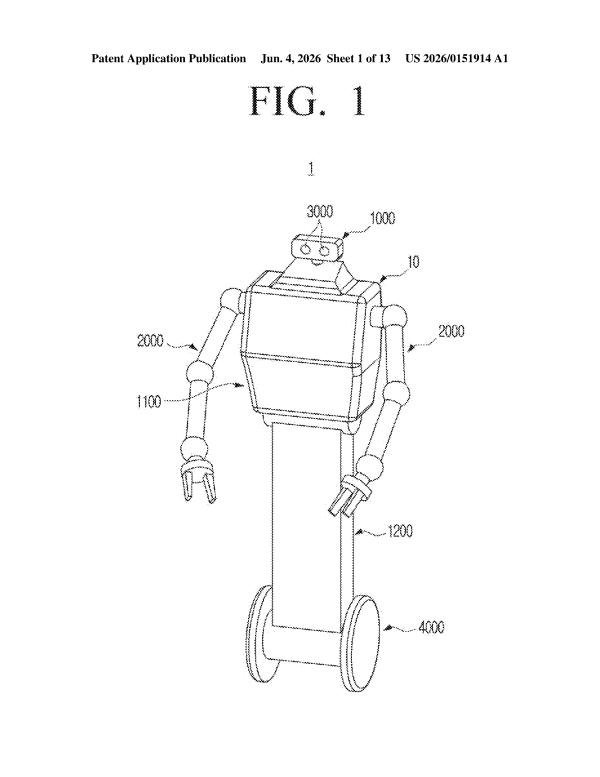
The balance-and-recovery work gains a practical complement: robots that maintain momentum through terrain shifts, reducing the vulnerable moments when switching wheel power could cause a stumble or loss of traction.
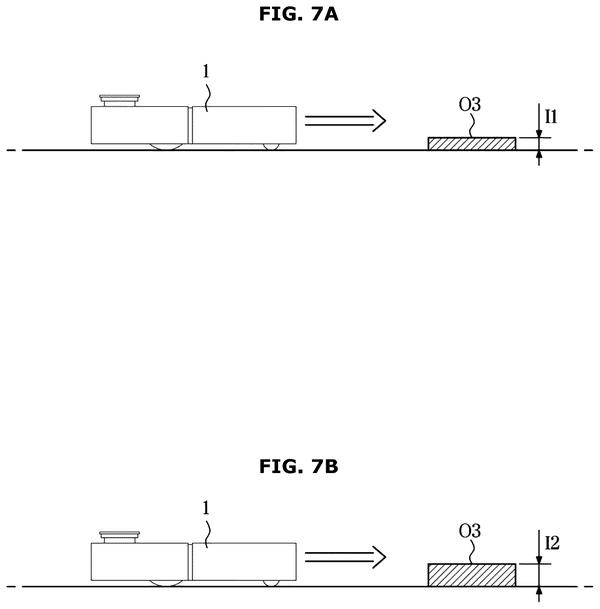
Sensor-based height and geometry assessment lets the robot distinguish passable thresholds from actual obstacles, moving beyond the current binary choice between blind charging and retreat.
A camera that zooms in on the target before the gripper moves reduces the precision demands on the arm itself, letting Samsung's robots pick small objects from messy environments without requiring pixel-perfect positioning from the start.
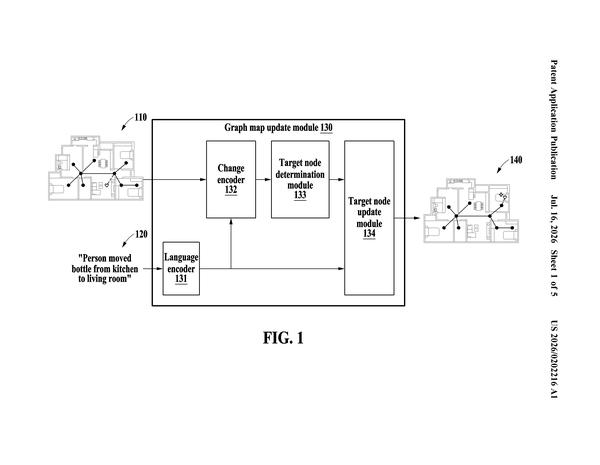
Keeping robot maps current without manual remapping solves a practical friction point: users can now verbally update layouts rather than triggering full environment rescans, letting home robots navigate accurately after furniture moves.
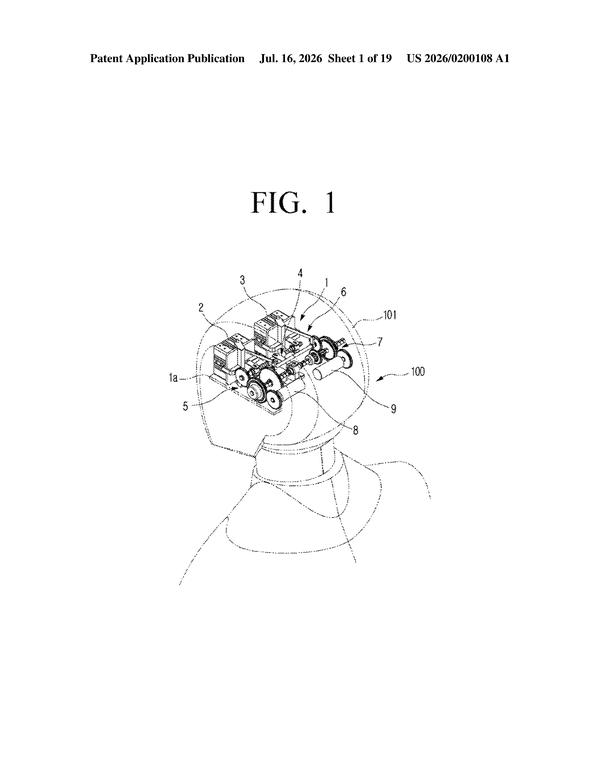
Coordinating multiple camera movements from a single motor simplifies the mechanical complexity that prevents robots from tracking objects naturally. This reduces the parts count and control logic needed for fluid visual following.
Converting flat floor maps into room-height 3D models requires combining vacuum navigation data with phone camera views to fill in vertical space the robot can't see.
A foot-gesture interface replaces voice and touch inputs, letting the robot read user intent from floor-level movements. This adds a fallback control path when hands are full or voice recognition fails in noisy kitchens.
The fallback controls watchlist gains a power-management layer: the dock itself learns to hibernate when the robot is away, cutting standby drain by shifting between active and minimal-power states based on internal voltage readings.
A real-time computer vision model lets the robot predict task duration by analyzing room geometry and floor debris mid-clean, replacing the current guessing game for users planning around arrival times.
Vibrating the wheels to break free from snags confirms Samsung's focus on self-recovery: the robot diagnoses immobility through sensor feedback, then applies mechanical force rather than requesting human intervention.
Mapping object function by room zone lets robots move beyond simple location awareness to understand which items they can actually manipulate, a shift from spatial awareness alone to task-readiness.
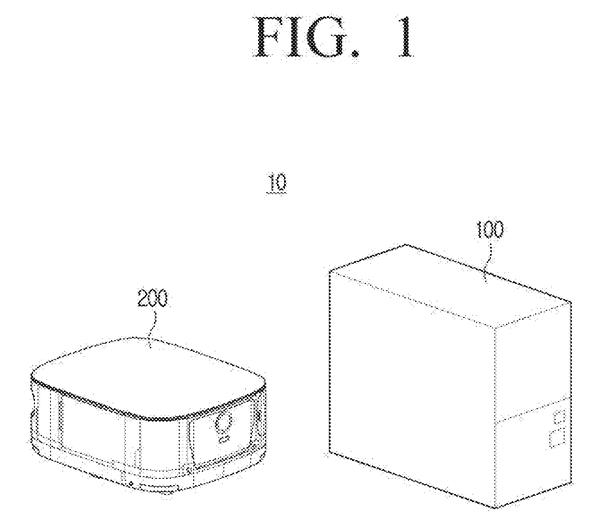
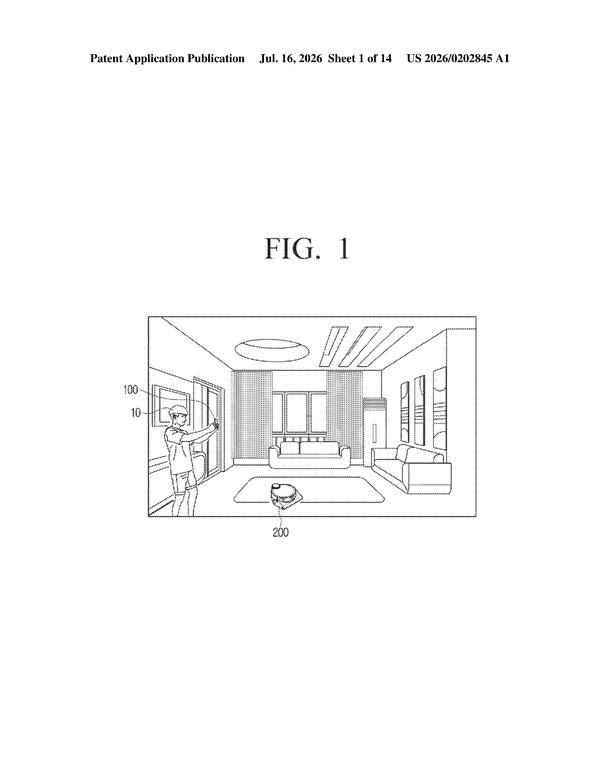
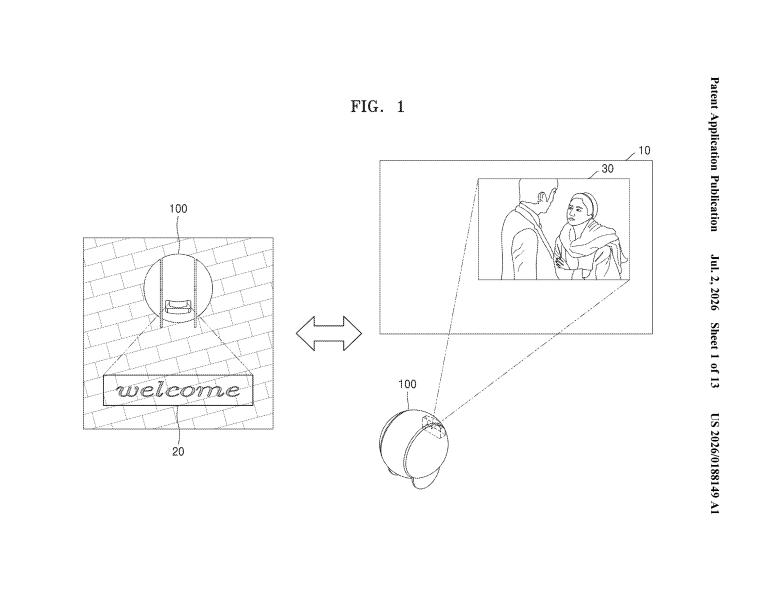
A mobile projector that navigates to a user's location and self-orients eliminates the setup burden when smart home devices need human interaction, extending the robot's practical reach beyond fixed positions or manual adjustment.
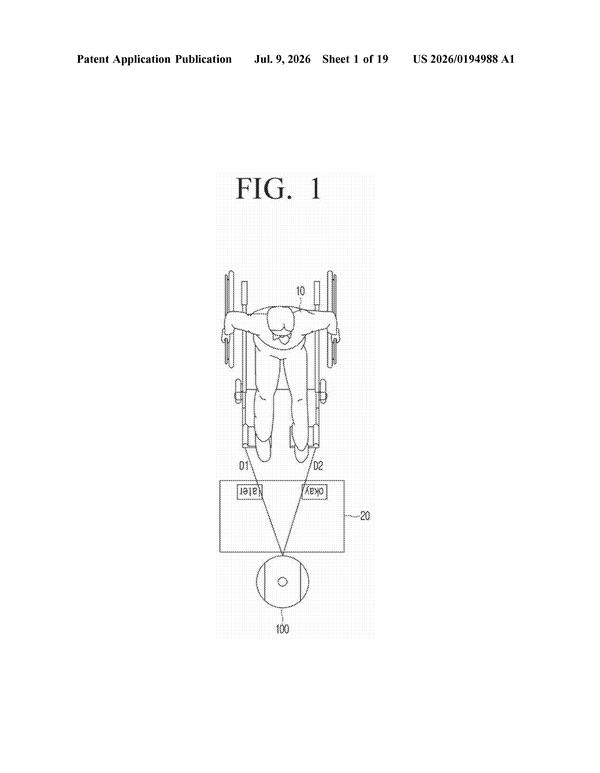
The guide robot adds personalized alerts to the balance-and-recovery work, checking your vision upfront so it can switch between visual warnings and audio or haptic cues when obstacles appear.
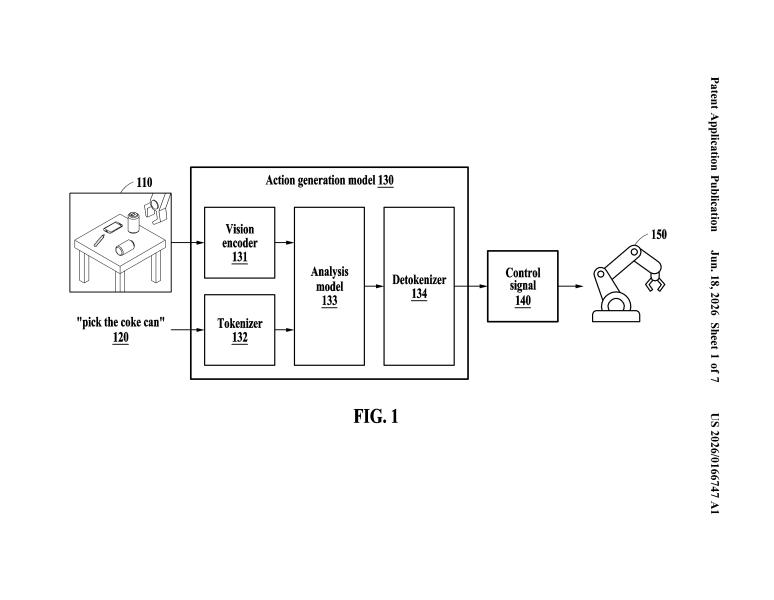
The home robot watchlist so far assumes appliances can sense and respond to mess. This filing reveals the scaffolding underneath: how a robot converts a human command like "make coffee" into the precise sequence of movements it actually needs to execute.
Getting useful maps from a single camera angle fails when furniture blocks the view. Samsung's robot solves this by scanning multiple heights at once and selecting whichever level shows the clearest landmarks.
Self-positioning fingers let the hand adapt its grip width before closing, solving the gap between picking up thin objects and bulky ones without requiring the arm to reorient the entire hand.
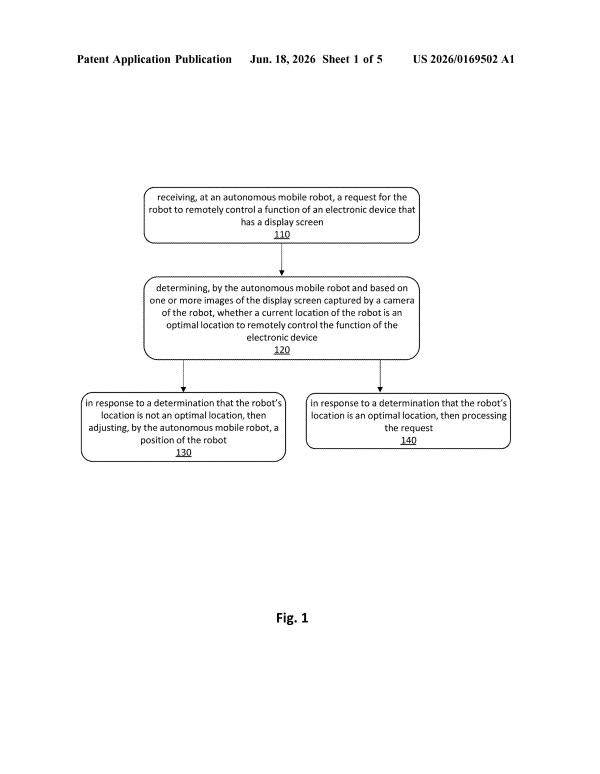
A home robot that can actually operate your screens means it could handle tasks like turning off a forgotten TV without needing voice commands or app controls that already exist elsewhere in the house.
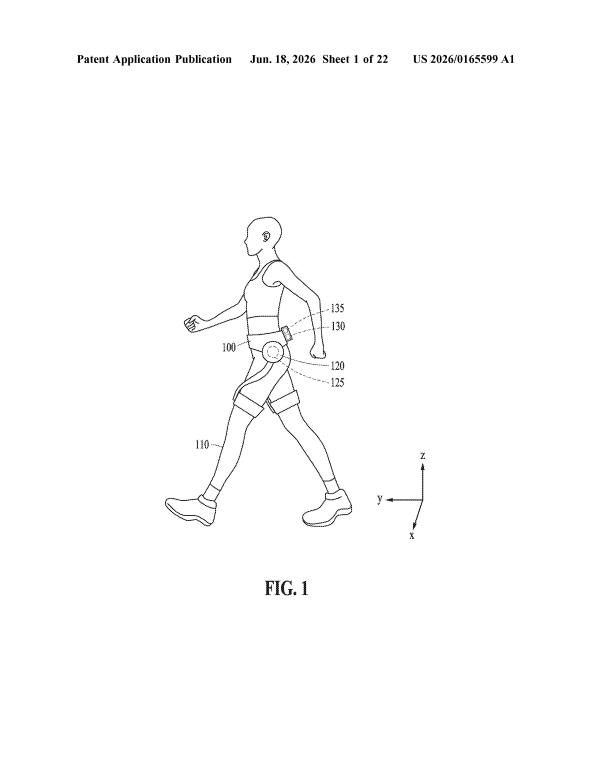
Keeping users in correct movement patterns during exercise requires active correction, not passive support, a robotic leg brace that applies targeted force through a cycling routine to retrain joint mechanics after injury.
A robot arm that learns from observation and retrains itself after failed attempts moves Samsung's home robots past one-shot programming toward machines that improve through their own mistakes.
The home robots need to keep working unsupervised. This filing shows how Samsung plans to let them escape physical jams on their own, eliminating the human intervention that would otherwise interrupt a cleaning cycle or task sequence.
A robot that can hold its cleaning path around corners without overshooting or cutting inside means the machine stays in its assigned zones and covers ground efficiently rather than redoing areas or missing spots.
Cutting motor power partway through braking instead of holding full force to a stop lets robots decelerate smoothly, reducing the jerky halts that could topple cargo or spill liquids while moving through homes.
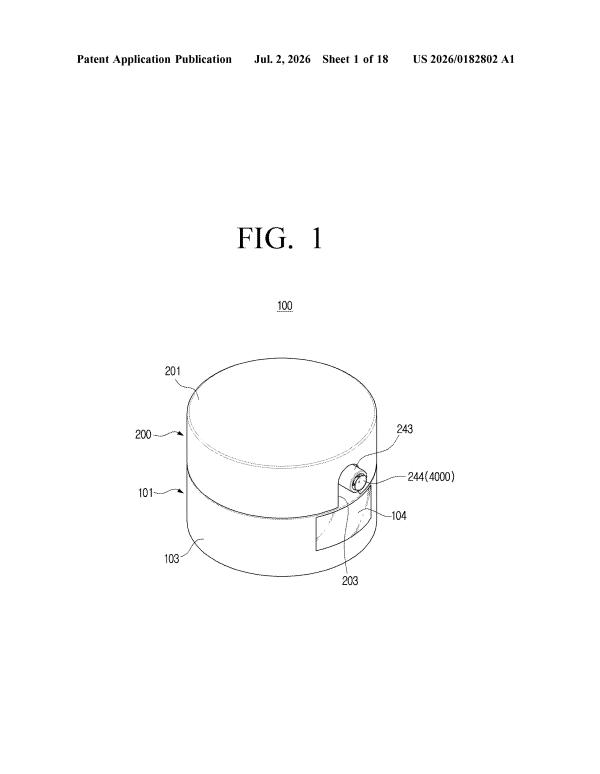
A home robot that can't see past an obstacle becomes useless. This filing shows Samsung working on a robot that physically repositions its own sensors to maintain vision around clutter, letting it keep working through the small chaos of real homes.
Samsung's home robots need to verify cleaning worked, not just assume it. This filing adds computer vision that checks whether stains actually vanished after the initial pass.
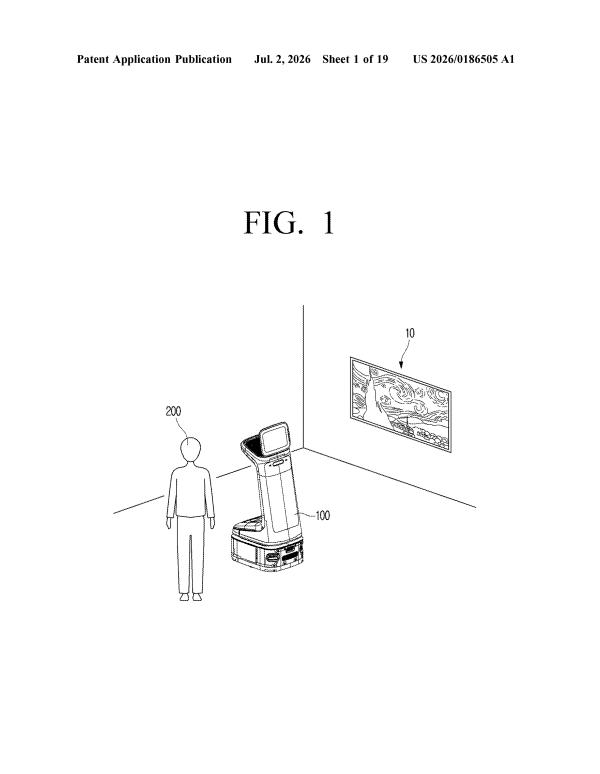
A robot that tracks where you're looking lets users point at objects through eye gaze rather than speech or gestures, simplifying how people command it to fetch or interact with specific items in a room.
When smart home controllers fail, recovering control without a physical remote requires an alternative input method. Samsung's gesture-recognition backup lets users stay in command through camera-based hand signals alone.
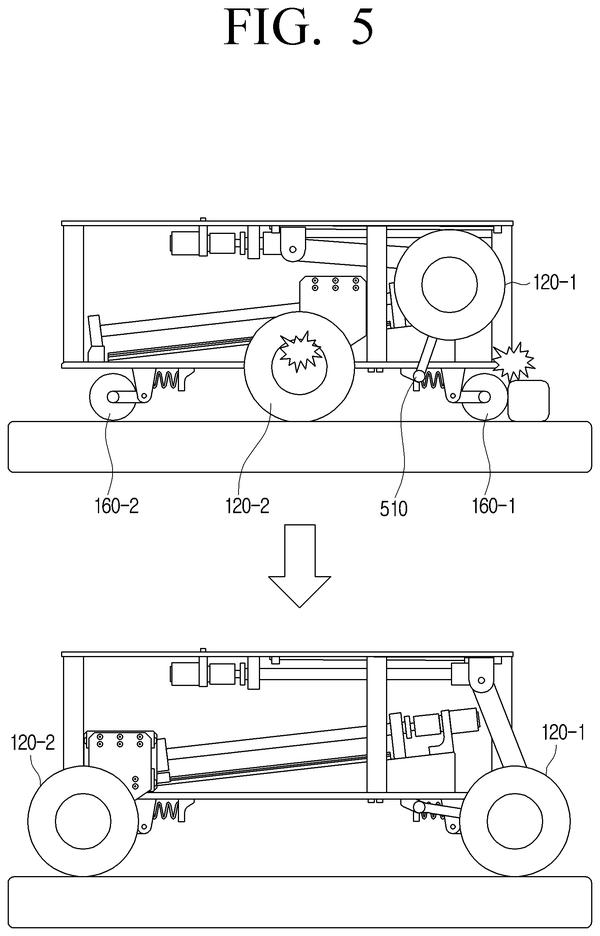
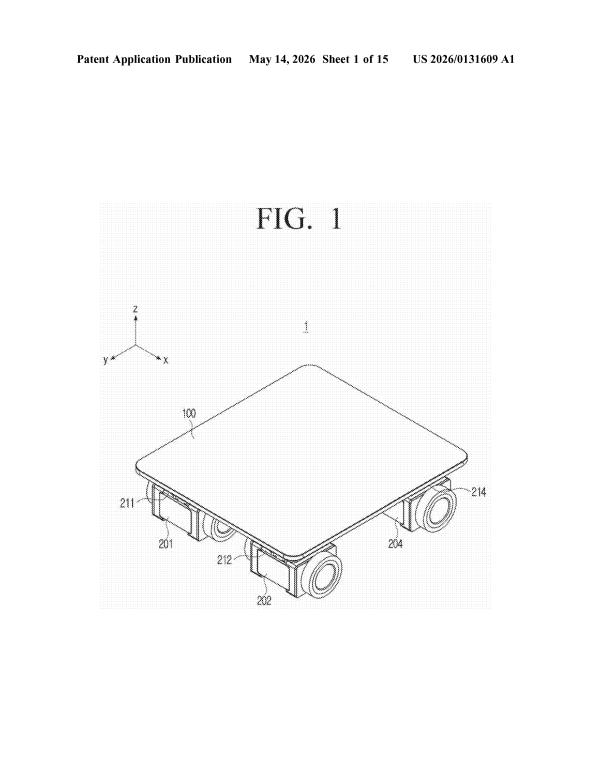
Pivoting arm linkages let each wheel climb independently while keeping the chassis level, so a home robot maintains contact with floors and rugs without tilting or losing traction during transitions.
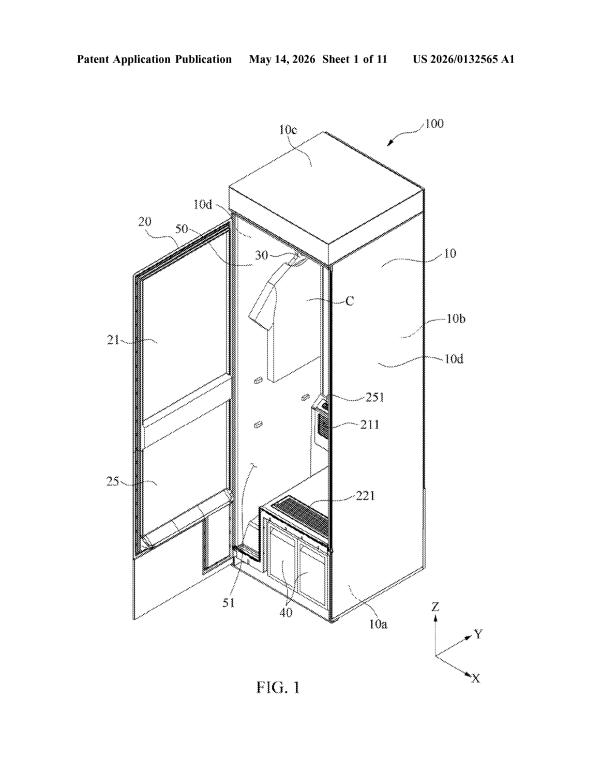
Keeping delicate fabrics safe while steaming wrinkles out requires precise heat control. This filing shows how Samsung splits airflow into heated and room-temperature paths so the cabinet can warm clothes selectively without risking damage.
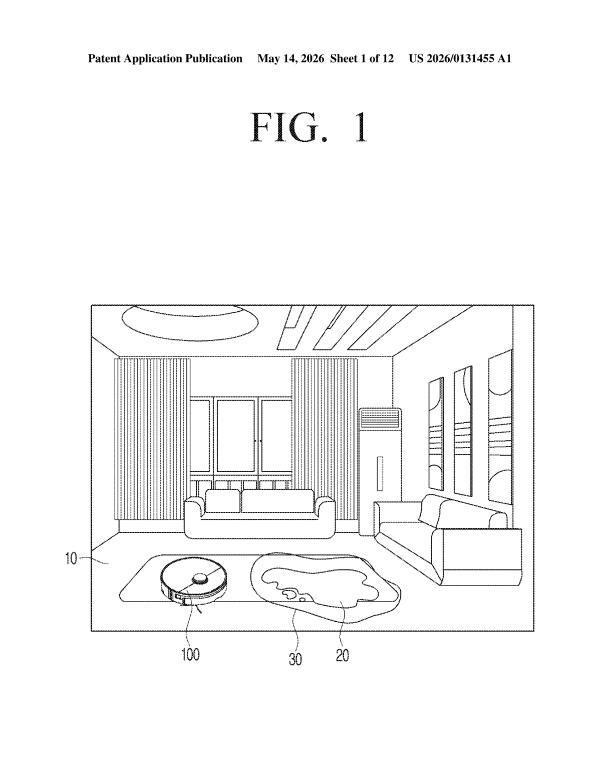
A home robot that independently identifies and responds to liquid hazards removes one obstacle to fully autonomous cleaning, since spills currently force human intervention or risk equipment damage.
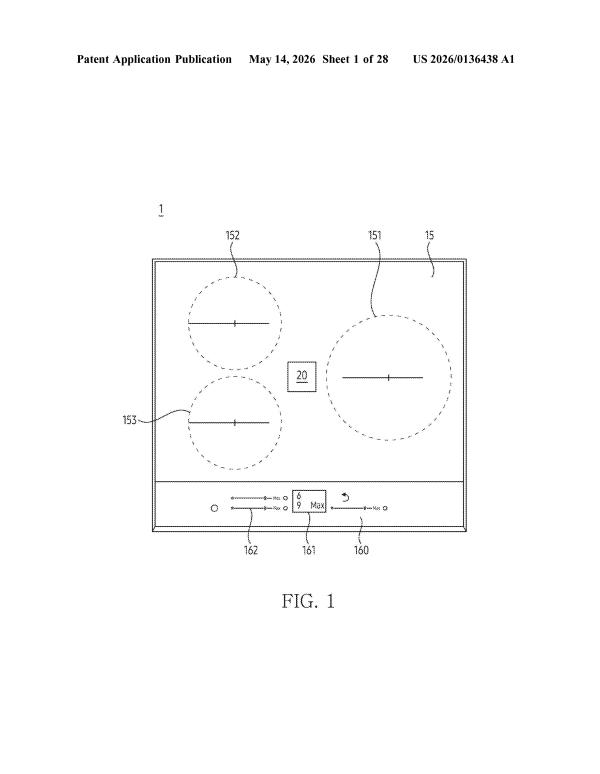
An accelerometer embedded in the cooktop glass detects boiling vibrations and cuts heat automatically, moving the timeline from sensing what's on the burner to sensing what's happening inside the pot.
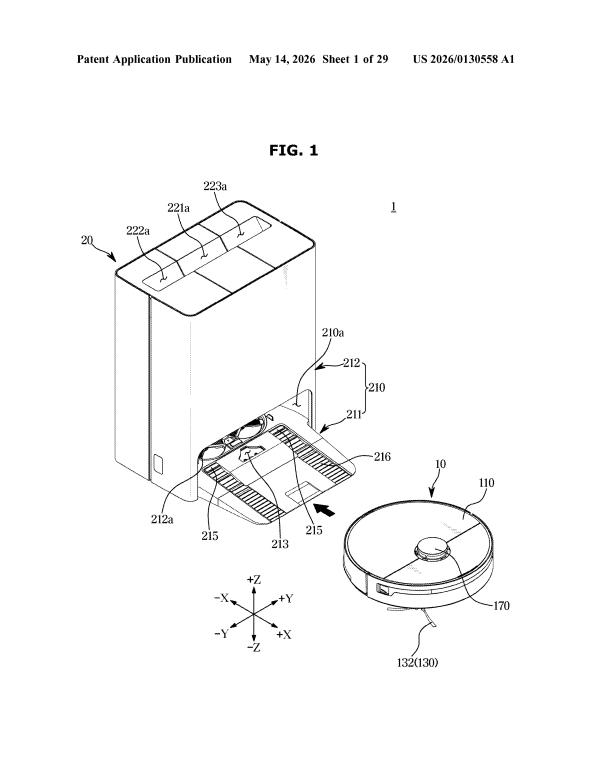
A self-cleaning dock means heated-water mops stay reliable without user intervention, moving the maintenance burden away from the person who owns the robot.
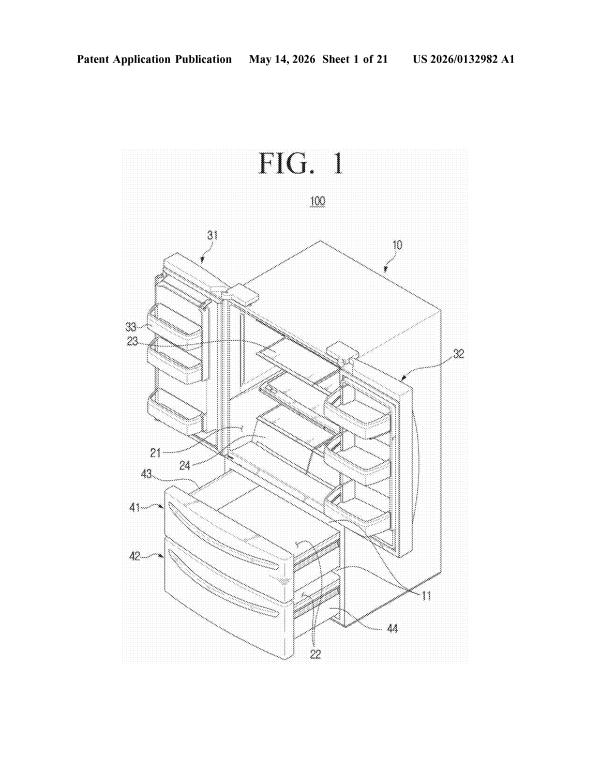
Samsung's freezer-drawer filing shows the robot home needs smarter sensing before it can anticipate needs: lighting that responds to which drawer opens and time of day, not just presence. The system skips one-size-fits-all automation in favor of context.
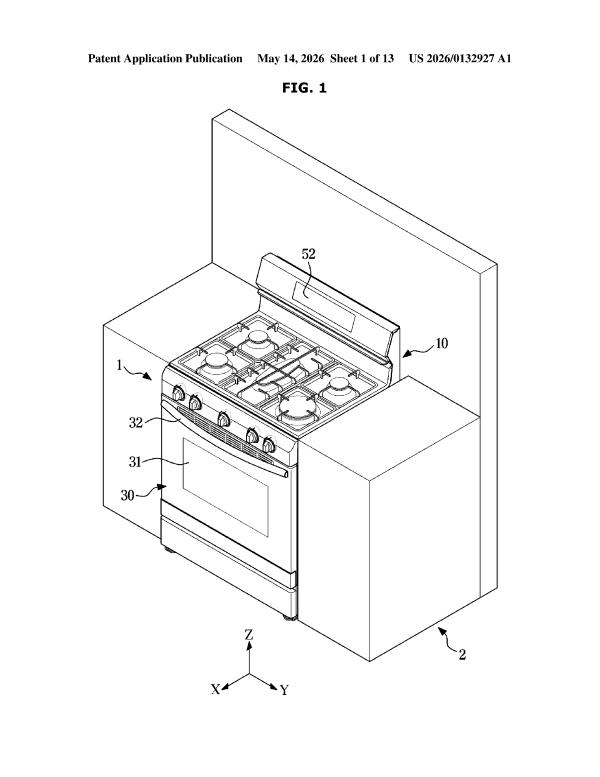
Samsung's self-maintaining appliances need to survive dirty power. This patent adds voltage monitoring to gas burners, protecting ignition circuits from electrical spikes that shorten component life.
Getting water consumption down requires knowing individual habits first. This filing shows Samsung embedding memory into washers so machines can build usage profiles and calibrate cycles to actual household patterns rather than preset defaults.
Questions readers ask
Is Samsung actually building home robots, or is this just patents?
These are patent filings, not product announcements, so they show what Samsung's engineers are exploring rather than what's shipping soon. The filings describe working solutions to real problems, like a robot finding spills or bracing itself on uneven floors, which points to active research, but a patent alone doesn't guarantee a product will reach shelves.
What problems do Samsung's home robot patents solve?
The filings cluster around a few recurring problems: staying balanced and mobile on real floors, recovering when controls stop responding, protecting appliances from electrical or mineral damage, and getting appliances to sense conditions like boiling water or a full freezer drawer instead of relying on fixed settings.
Do these patents cover more than robots?
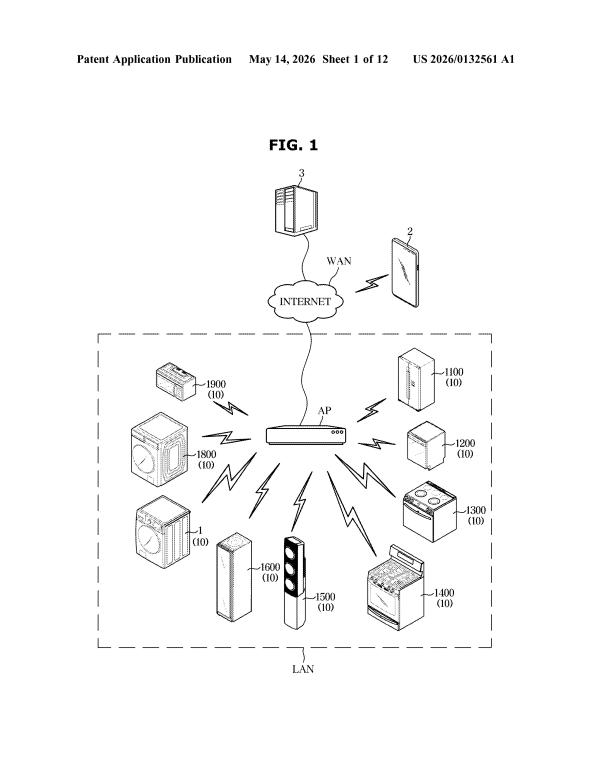
Yes. Alongside mobile robots like spill-cleaning bots and self-balancing designs, the watchlist includes household appliances such as washing machines, induction cooktops, gas burners, freezers, and clothing care cabinets. The common link is machines that sense a condition and adjust their own behavior rather than waiting for a person to notice.
How often is this list updated?
This tracker adds new filings as Samsung publishes them, so the list grows over time rather than sitting fixed at one snapshot. We don't attach dates or promise a release schedule; check back for the latest additions to see how the pattern of filings develops.
Want this weekly breakdown for a company we don't cover?
Patentlyze Pro →
The weekly email: the best of Big Tech's filings, in plain English. Free.