US 2026/0164832 A1
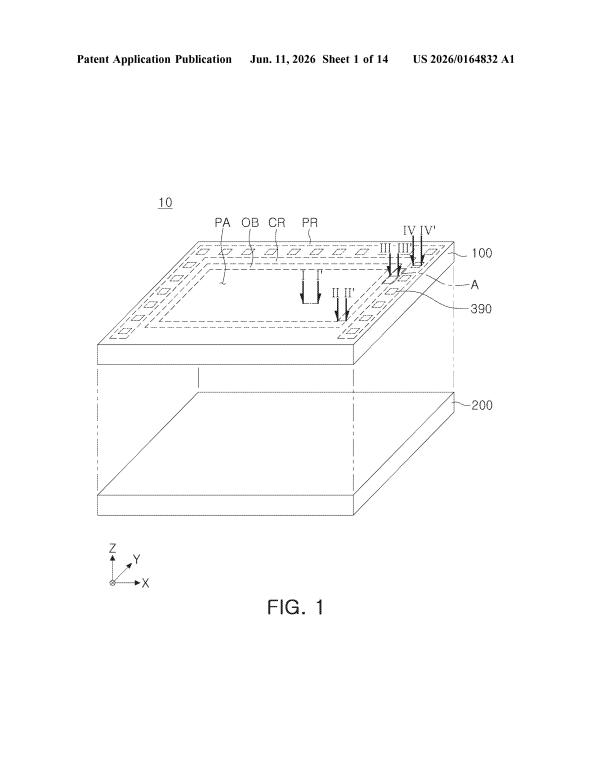
Samsung Patents a Two-Layer Shield for Stacked Camera Sensor Chips
Within the storyline's focus on camera capability, this filing zooms in on the manufacturing reliability that makes advanced sensors actually work in phones.

This tracker follows Samsung filings that address sensor pixel design, video motion blur, AI image fill quality, compression, and upscaling. Together they point to a camera pipeline where more decisions happen automatically, from capture to final edit.
56 filings · tracking since May 2026 · latest Jun 2026 · updates automatically as new filings publish
US 2026/0164832 A1
Within the storyline's focus on camera capability, this filing zooms in on the manufacturing reliability that makes advanced sensors actually work in phones.
US 2026/0197551 A1
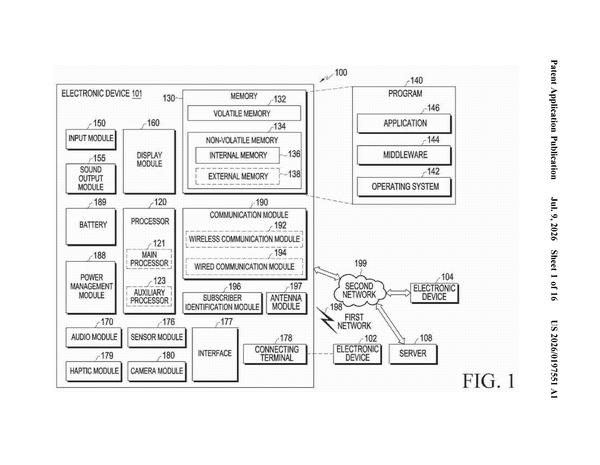
The pipeline's decision-making moves earlier: the camera now evaluates scene conditions during preview and captures multiple exposures automatically, giving downstream processing more raw material to work from rather than correcting a single capture.
US 2026/0195927 A1
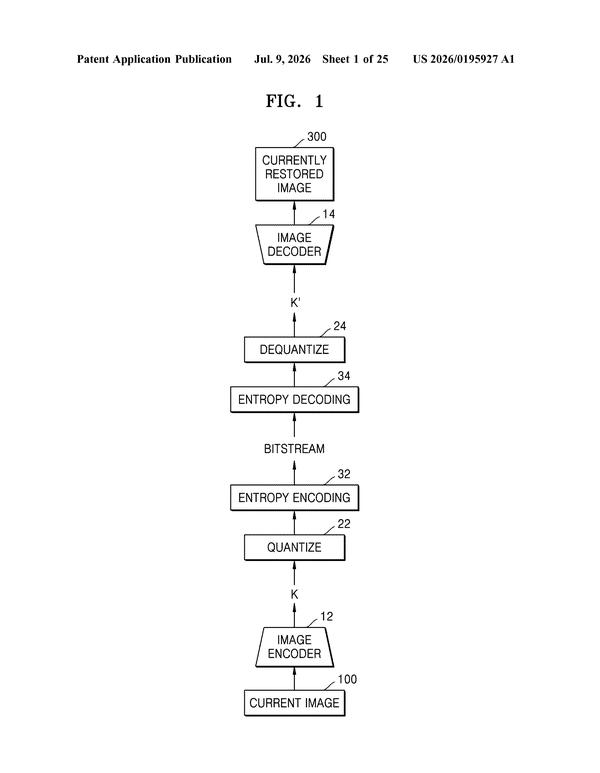
The pipeline's compression stage now has a decoder that adapts its reconstruction based on detected quality levels, letting aggressive file-size reduction skip the usual sharpness penalty at playback.
US 2026/0198118 A1
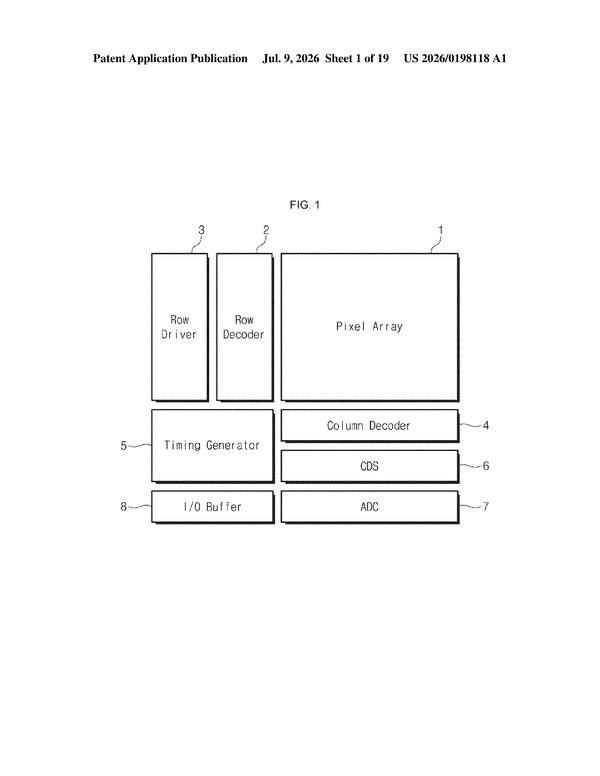
Wavelength-specific antireflective coatings on each color channel reduce internal light scatter that degrades color fidelity, letting the sensor capture truer color information earlier in the pipeline.
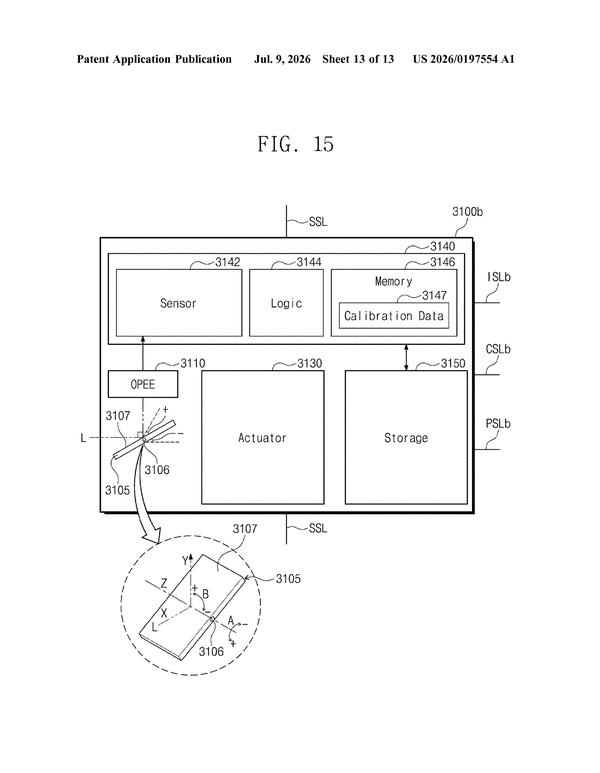
US 2026/0197554 A1
Adaptive shutter switching catches motion artifacts like banding in real time, letting the pipeline choose between rolling and global shutter modes based on what's being filmed rather than forcing a single approach for the entire shot.
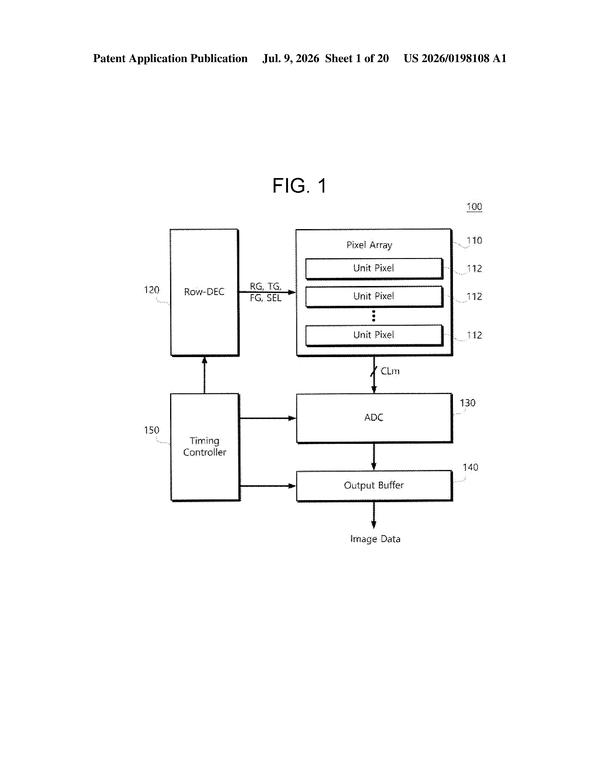
US 2026/0198108 A1
The sensor pixel storage challenge now has a dual-region answer: splitting capacity across two zones with switchable access lets one region handle highlights while the other captures shadow detail in the same exposure.
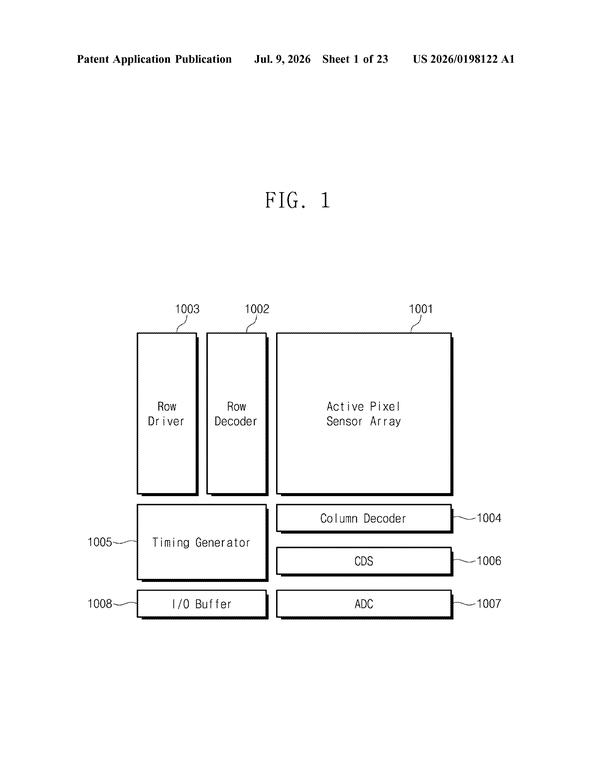
US 2026/0198122 A1
The uneven trench spacing between pixel groups lets Samsung control how light spreads across the sensor array, a direct lever on the low-light performance that the pipeline's earlier filings treated as downstream from sensor design choices.
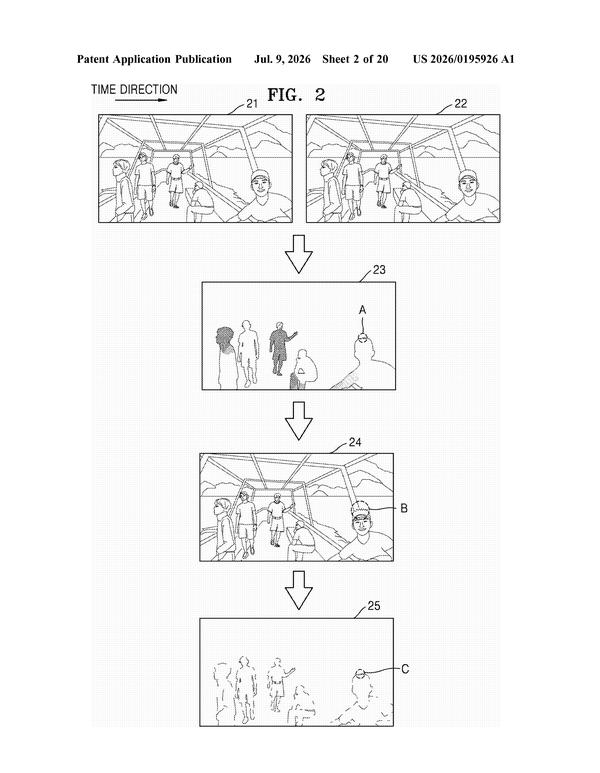
US 2026/0195926 A1
Two sequential neural networks reconstruct compressed video by first predicting motion between frames, then using those predictions to infer missing pixel data, shifting reconstruction work from storage-heavy full frames to learned motion patterns.
US 2026/0197448 A1
Lookup tables let the pipeline correct compression artifacts pixel-by-pixel without expensive real-time processing, shifting quality decisions earlier in the capture chain where Samsung has more control.
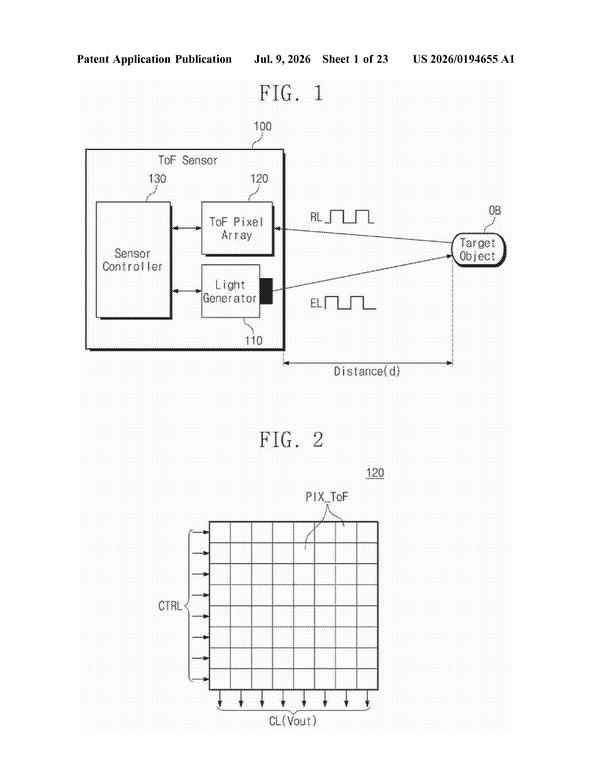
US 2026/0194655 A1
Saturating pixel wells corrupt time-of-flight distance reads in bright conditions. This filing adds optical filtering at the sensor level to prevent that saturation before the measurement circuit sees corrupted data.
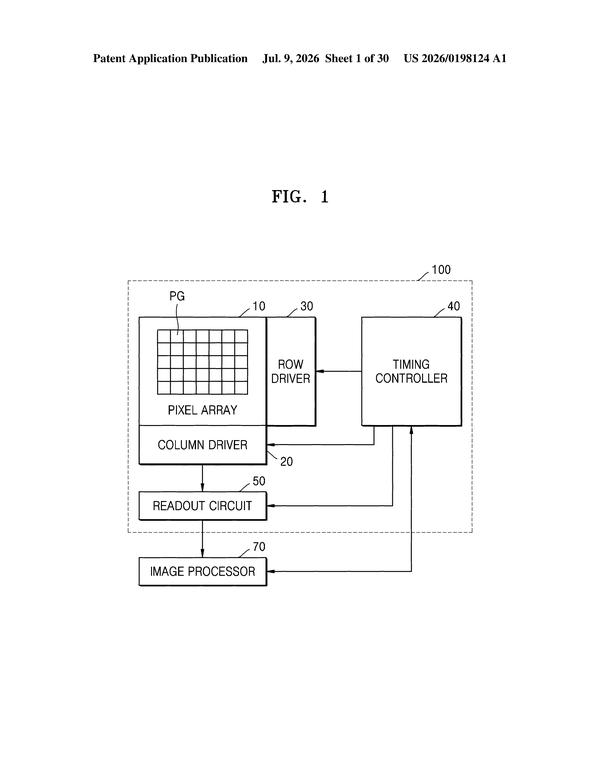
US 2026/0198124 A1
Isolation trenches between pixel groups let Samsung route wiring underneath without crosstalk, freeing up surface area for larger photodiodes that collect more photons in dim scenes.
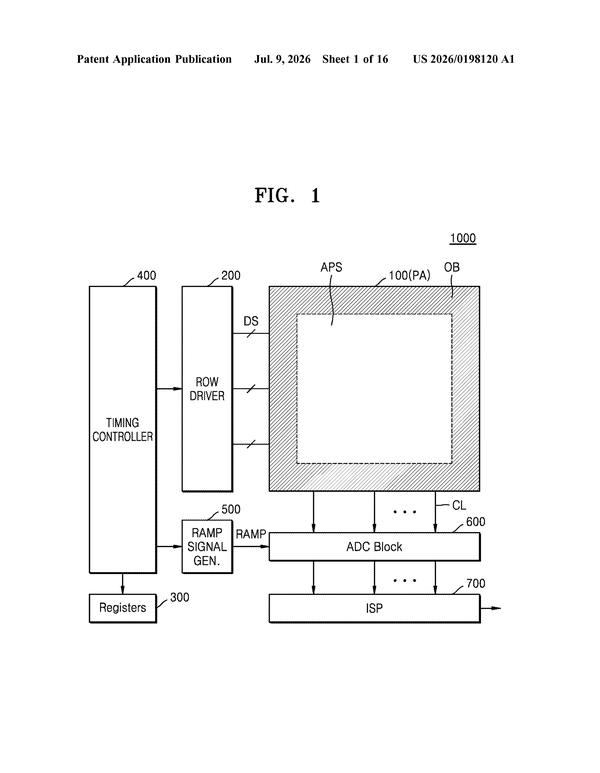
US 2026/0198120 A1
The sensor-stack approach confirms Samsung is pushing light control deeper into the pixel architecture itself, moving beyond traditional lens design to solve focus and sharpness at the component layer where alignment failures cause blur.
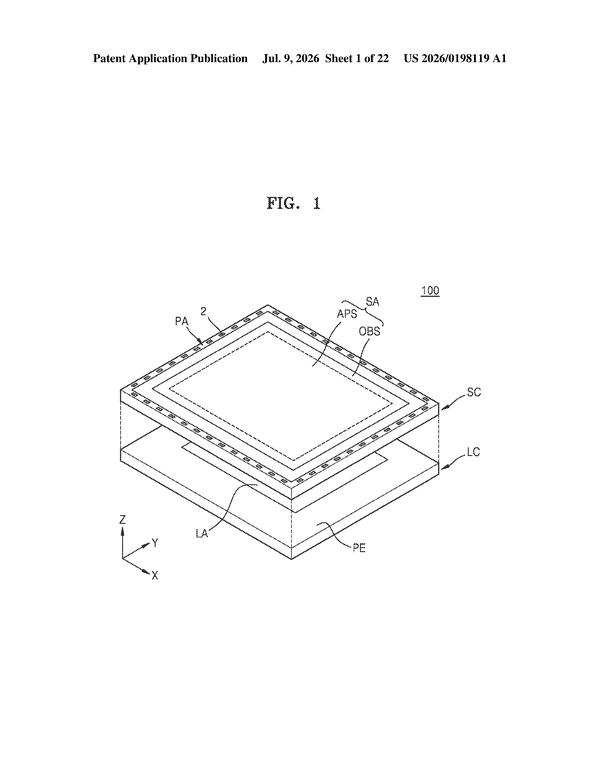
US 2026/0198119 A1
The pipeline's optical layer moves from curved glass to nanostructured pillars, enabling tighter pixel-level light control without the manufacturing tolerances that plague conventional microlenses.
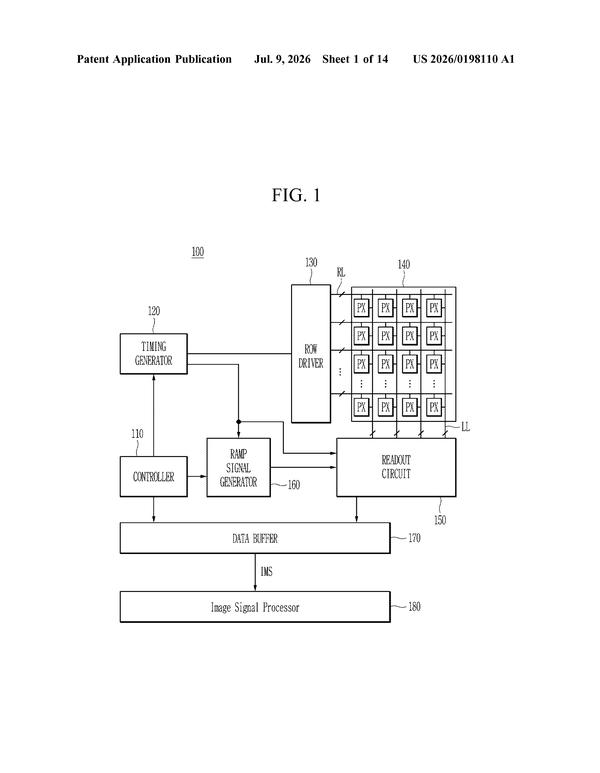
US 2026/0198110 A1
The sensor's stacked-gate structure cuts down on the transistor footprint itself, freeing up more real estate on each pixel for light collection, which feeds directly into the pipeline's ability to capture detail before any downstream processing kicks in.
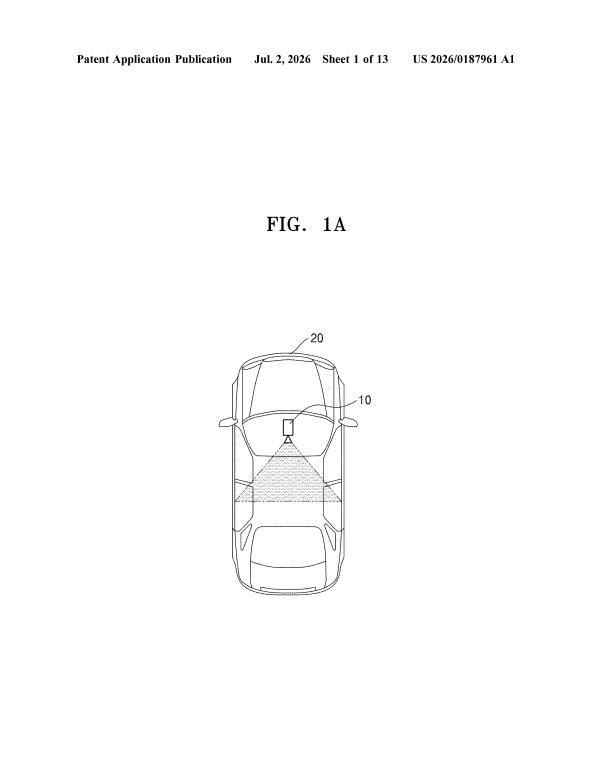
US 2026/0187961 A1
Dual-resolution capture, scanning the full frame at low quality first, then rendering only the focused region at high fidelity, lets the pipeline skip wasteful processing on out-of-focus areas, freeing compute for quality gains where they show.
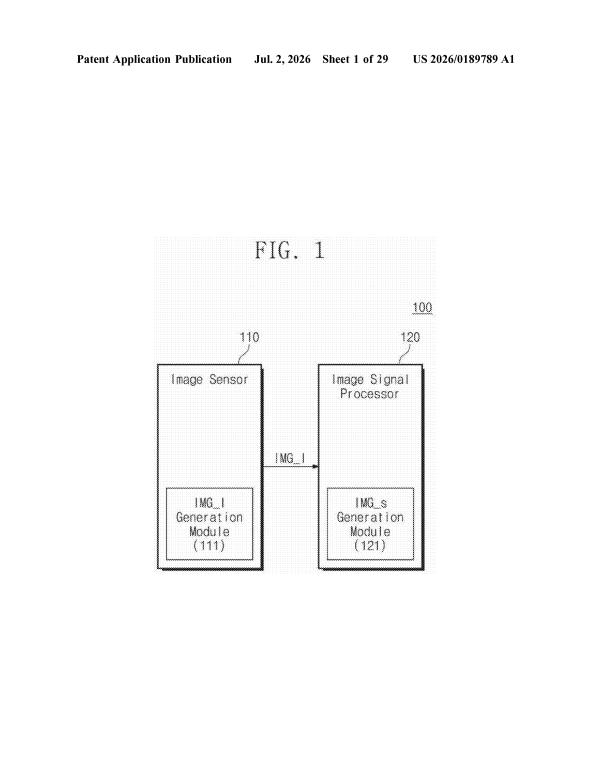
US 2026/0189789 A1
Dual exposure times within a single sensor layer let the chip record highlights and shadows in one capture, removing the tradeoff that normally forces choice between sky detail and foreground visibility.
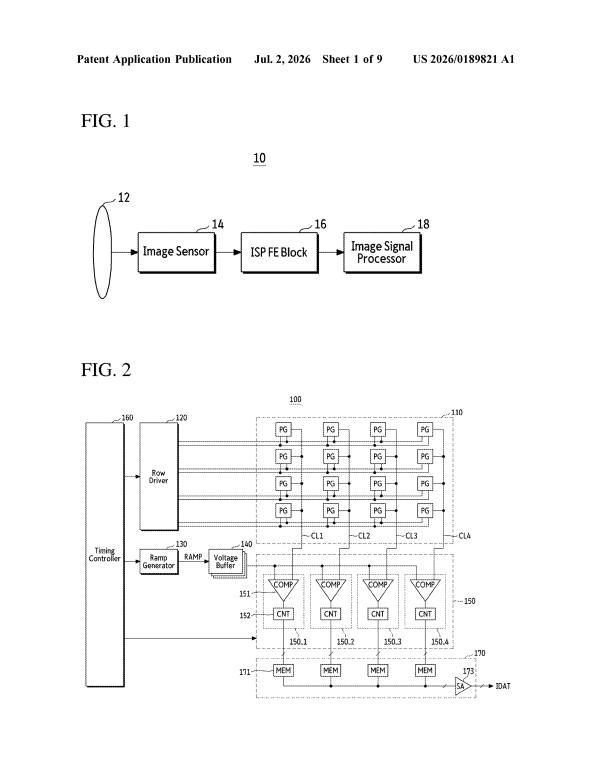
US 2026/0189821 A1
Voltage clamping in the readout circuit constrains signal swing during pixel comparison, reducing noise corruption in the columnar read sequence that processes millions of pixels per frame.
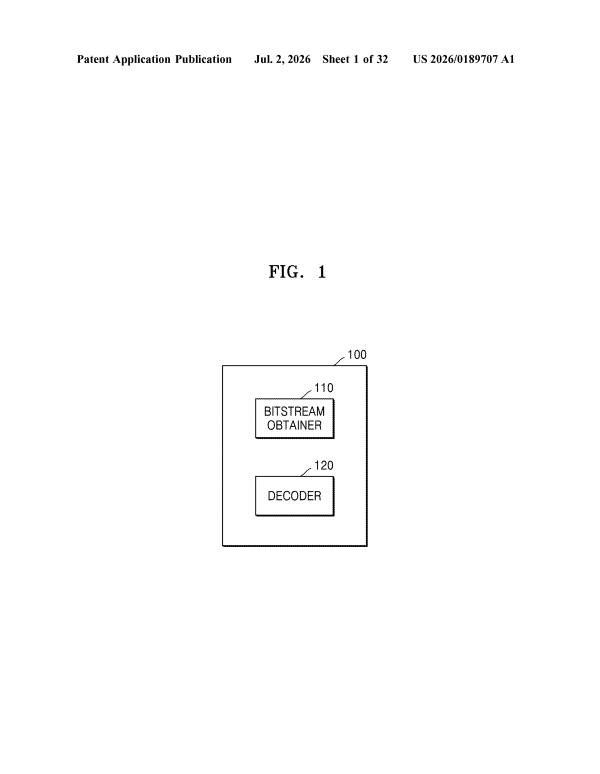
US 2026/0189707 A1
The pipeline needs to recover detail lost during compression, not just capture it cleanly. This filing shows Samsung working backward from the decoder side, applying content-aware corrections as compressed video plays rather than preventing blur at capture.
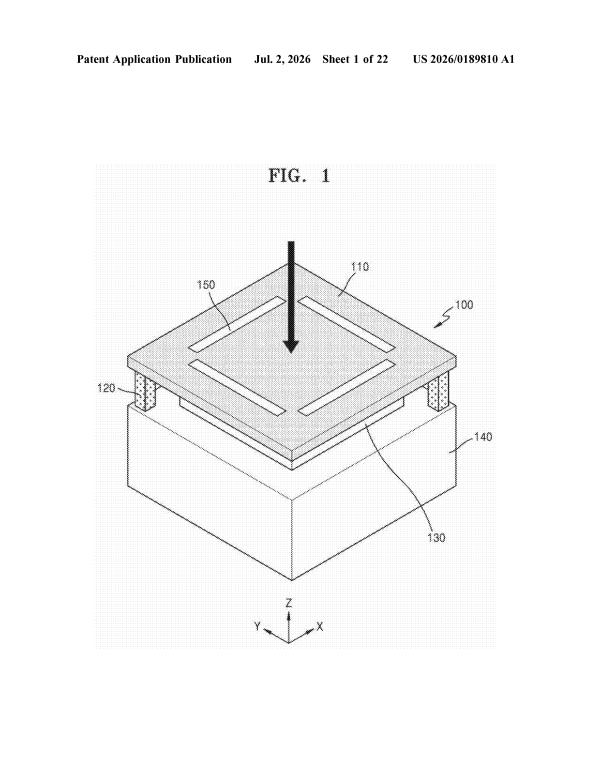
US 2026/0189810 A1
A perforated absorption layer lets the thermal sensor isolate heat detection from stray visible light, sharpening the temperature-to-image conversion when the camera pipeline needs to work without ambient illumination.
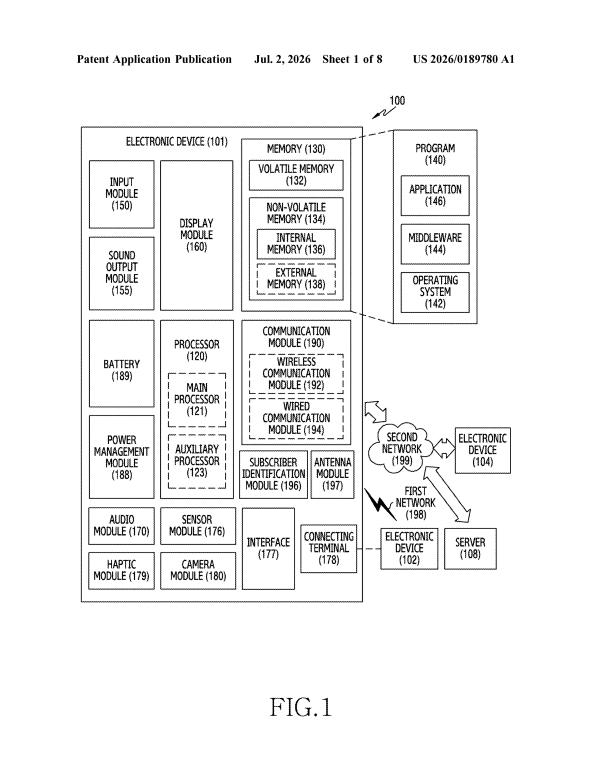
US 2026/0189780 A1
Real-time motion detection in the viewfinder feeds exposure decisions, letting the camera shorten shutter time for active subjects instead of applying one preset across different movement levels.
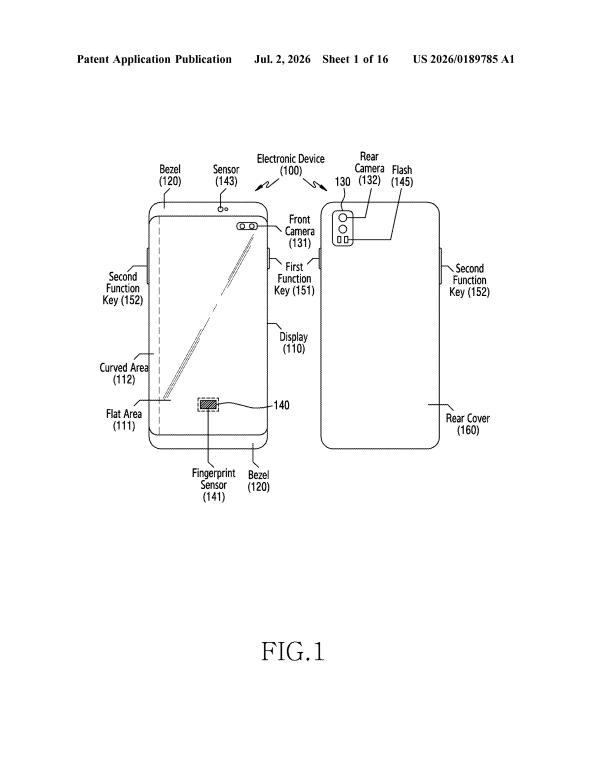
US 2026/0189785 A1
Automatic subject detection triggering dynamic zoom-out keeps multiple faces in frame without manual intervention, building toward a camera pipeline that makes real-time framing decisions based on scene content rather than fixed settings.
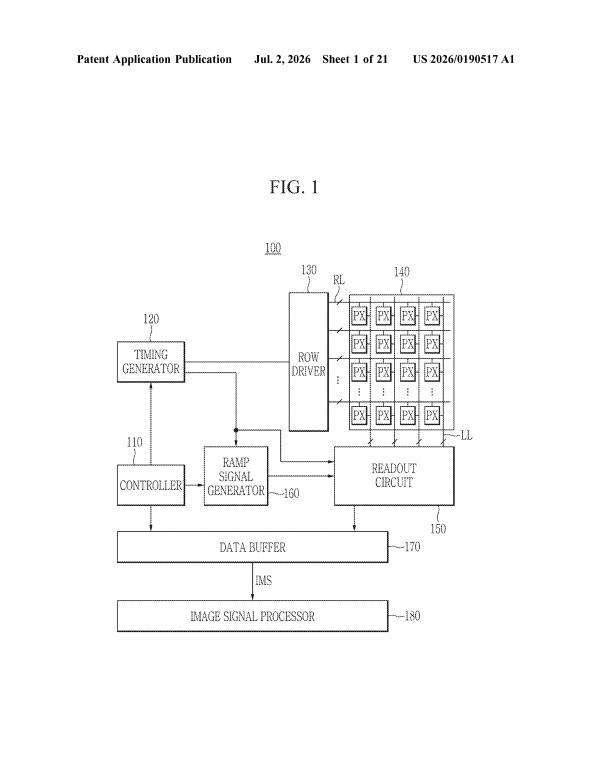
US 2026/0190517 A1
The sensor pixel design work now has a concrete path to collect more light per pixel by consolidating readout circuitry between neighbors, freeing space that currently goes to duplicate transistors.
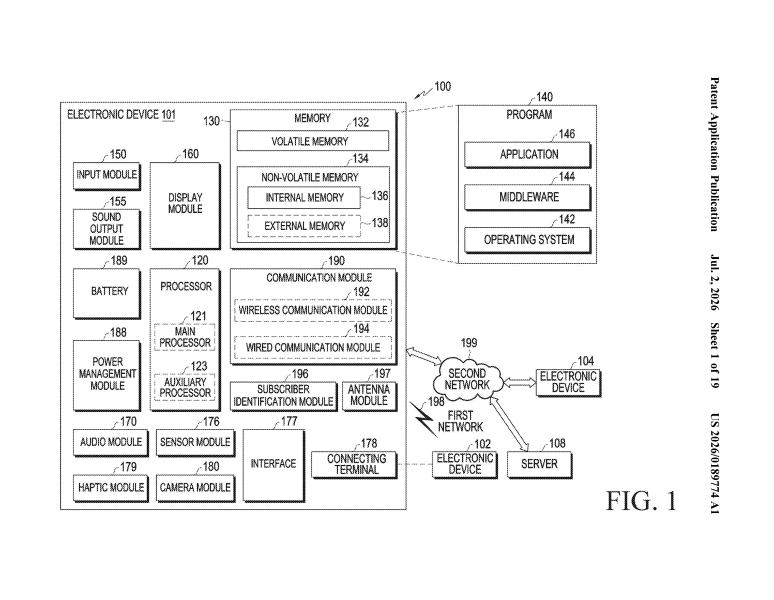
US 2026/0189774 A1
The optical folding patent confirms Samsung's strategy of compressing the light path itself rather than shrinking individual lens elements, a prerequisite for embedding computational zoom decisions deeper into the sensor pipeline.
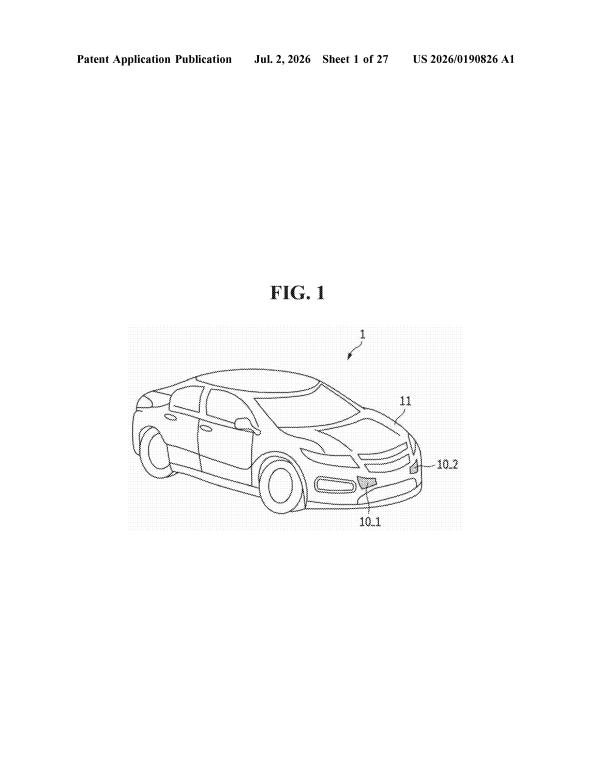
US 2026/0190826 A1
Hollow light-guide tubes redirect off-axis photons toward the sensor surface, letting a flat panel collect signals Samsung's pipeline needs from wider viewing angles in under-display setups.
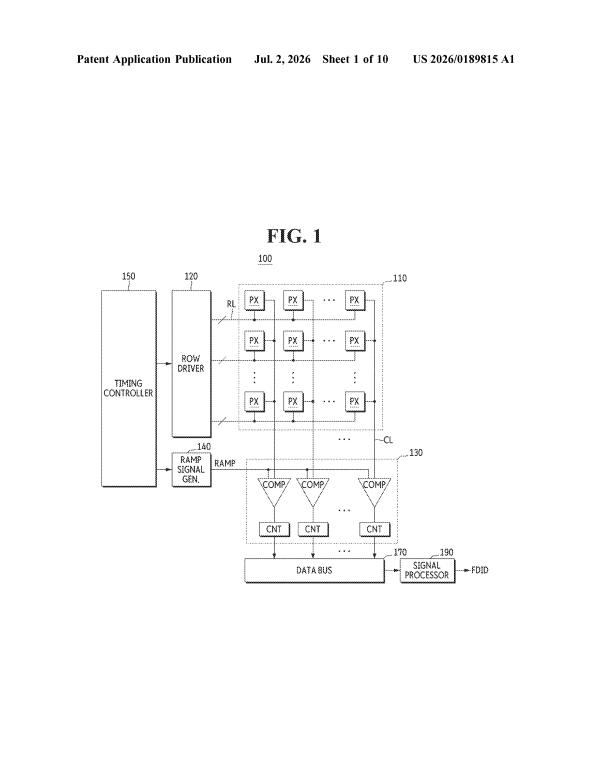
US 2026/0189815 A1
After pixel architecture, now compression: stacking three charge stages per pixel expands the raw data each sensor must process, forcing the pipeline to handle vastly wider dynamic range upstream.
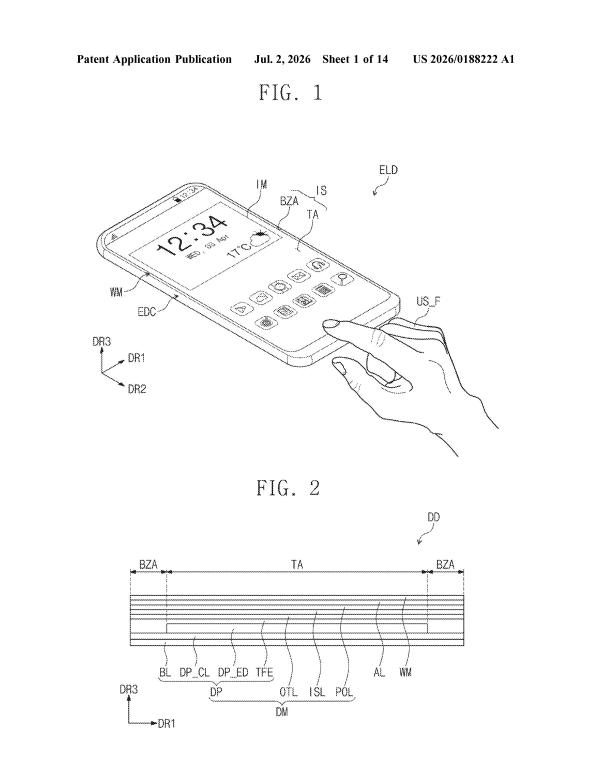
US 2026/0188222 A1
The sensor integration challenge now shifts from pixel density to synchronization: embedded photodiodes need independent timing control to coexist with display driving circuits on the same substrate without crosstalk degrading either function.
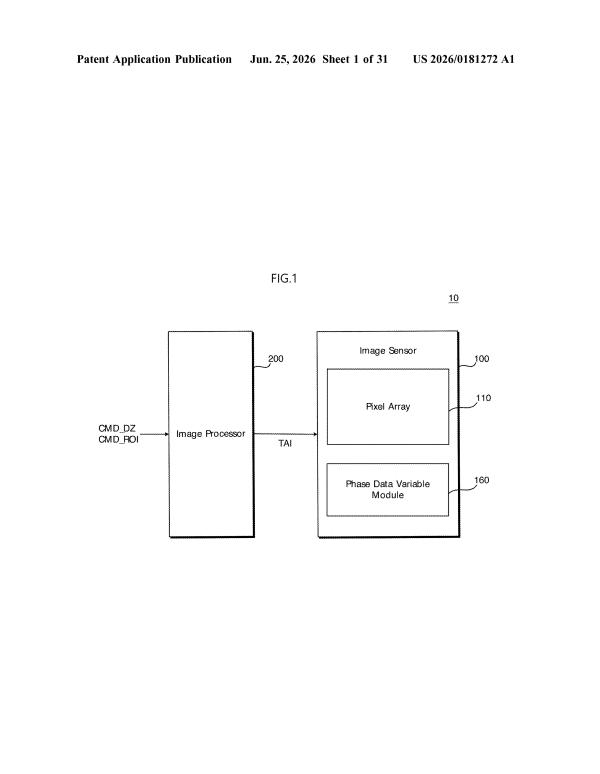
US 2026/0181272 A1
Your phone's autofocus could get faster by having the sensor skip unnecessary data collection in out-of-focus areas, letting it spend processing power only where it matters for the shot you're taking.
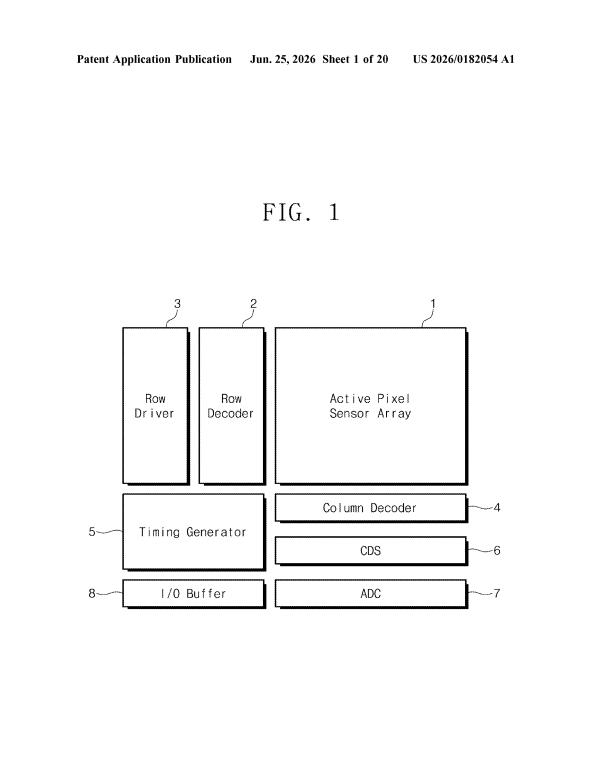
US 2026/0182054 A1
The sensor isolation problem gets a manufacturing solution: air gaps between color filters stop light bleed, sharpening both color accuracy and detail in the final image.
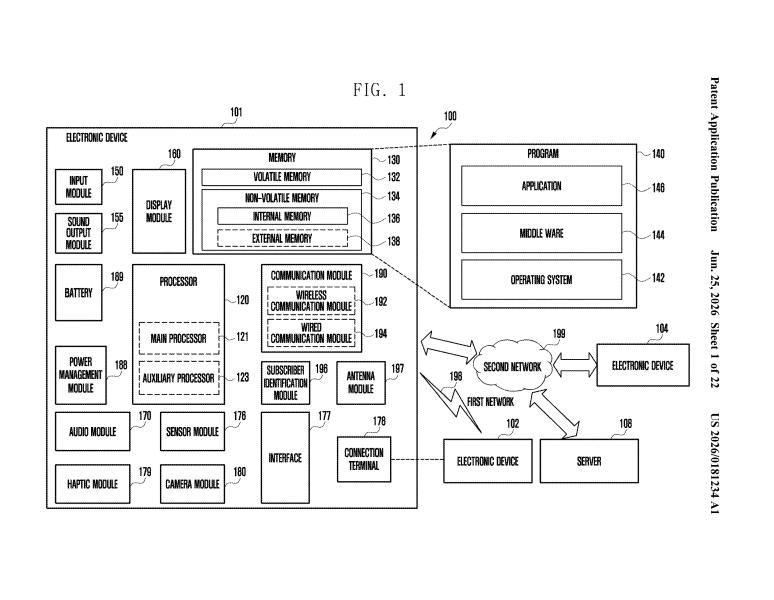
US 2026/0181234 A1
Autofocus blur from wobbly lens movement during focusing cycles gets solved through mechanical guidance that keeps the lens sliding on a straight path instead of drifting sideways.
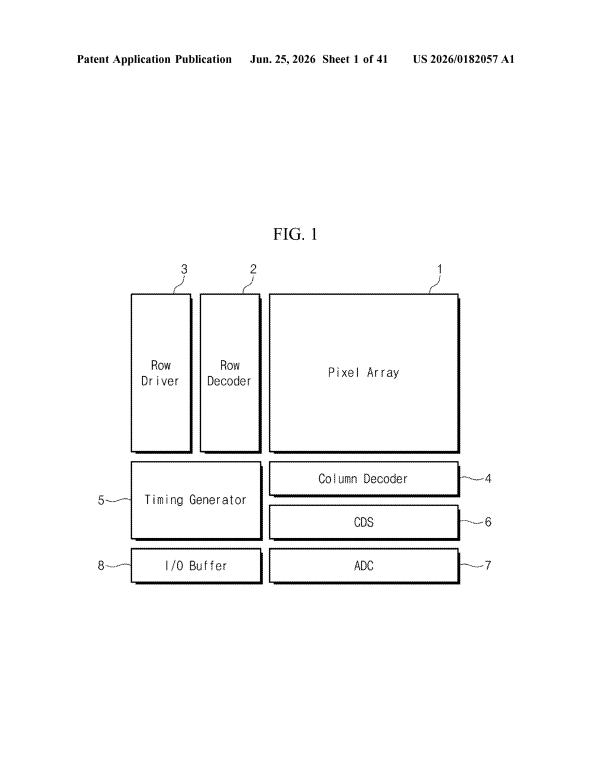
US 2026/0182057 A1
Air gaps between color filters reduce unwanted light scattering that typically degrades image clarity, letting Samsung's sensors capture sharper detail without adding optical coatings that consume space in already-cramped phone designs.
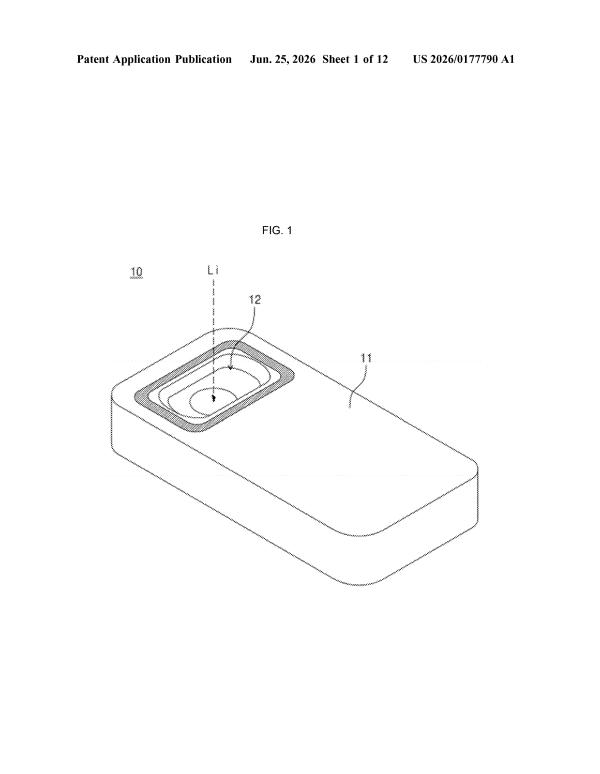
US 2026/0177790 A1
Reducing bulk in optical stabilization by moving only part of the lens stack rather than the whole assembly confirms Samsung's push toward slimmer phone cameras with mechanical image stabilization.
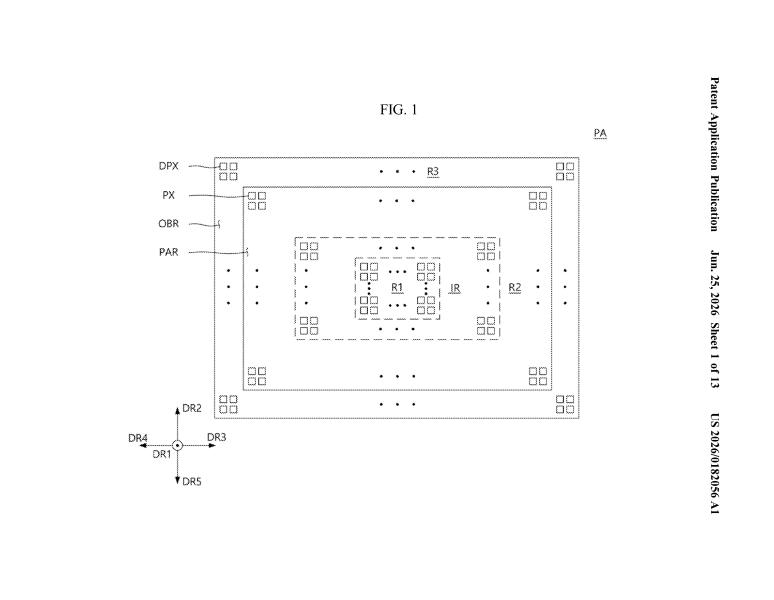
US 2026/0182056 A1
Your phone's camera could capture brighter, cleaner images by varying the barrier heights between pixels, taller walls where light interference matters most, shorter ones elsewhere to gather more light overall.
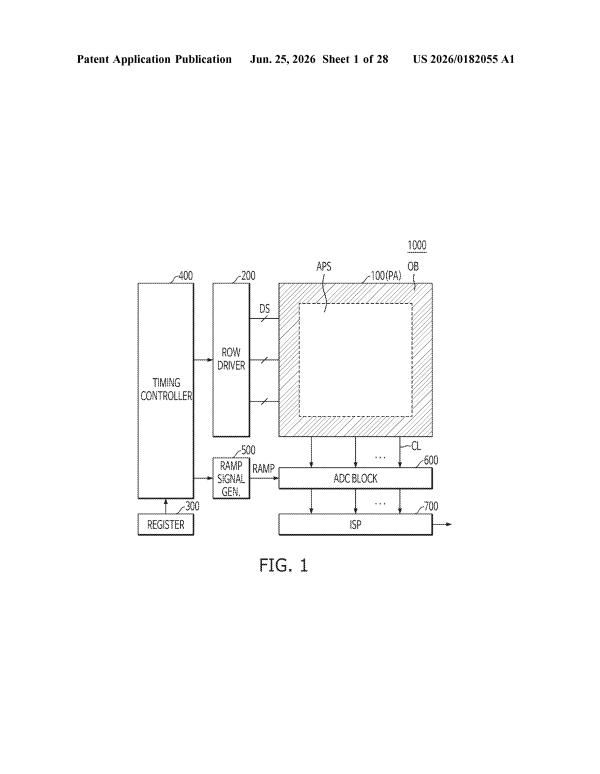
US 2026/0182055 A1
A dual-zone coating that bends light selectively stops stray reflections from bleeding between adjacent pixels, sharpening color accuracy in dense sensor arrays where crosstalk degrades image quality.
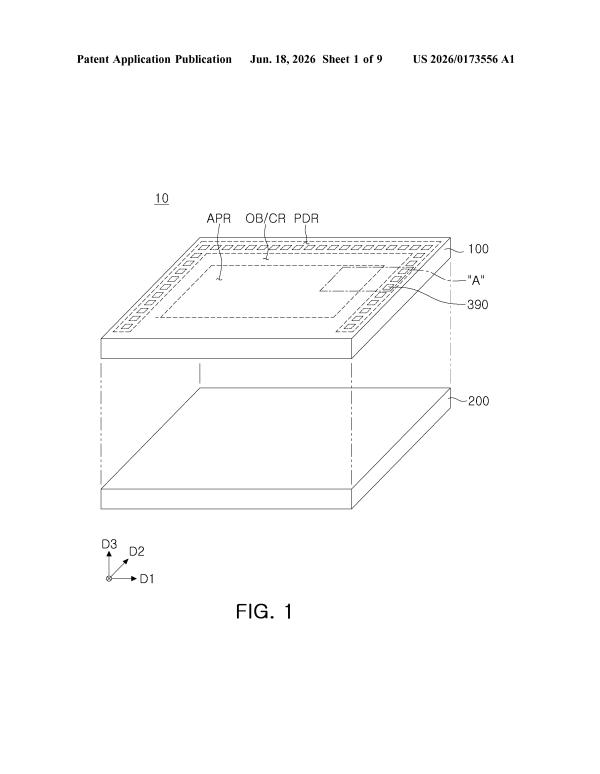
US 2026/0173556 A1
Thinner camera modules could finally escape the physics limits of curved glass by routing light through etched surface patterns instead of stacked lenses.
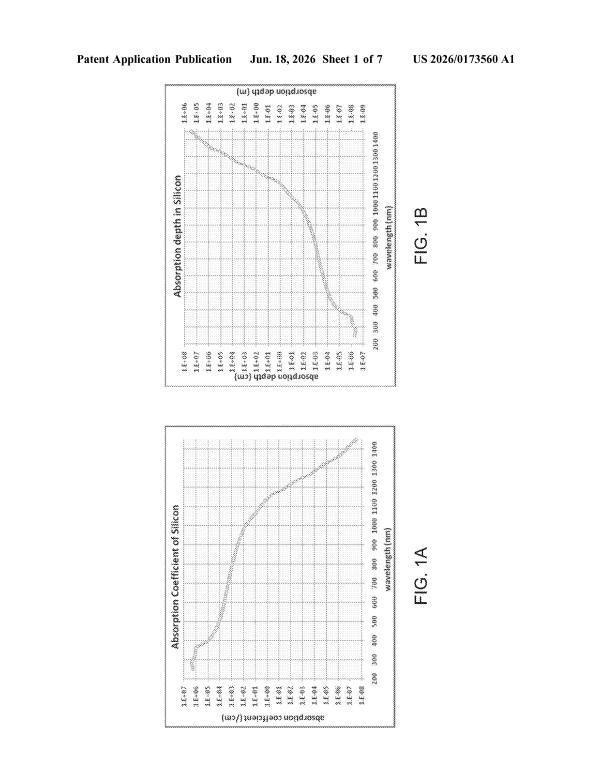
US 2026/0173560 A1
Within the broader camera sensor upgrades, this filing solves a fundamental efficiency problem: recapturing light that currently escapes detection, boosting signal strength without needing larger pixels.
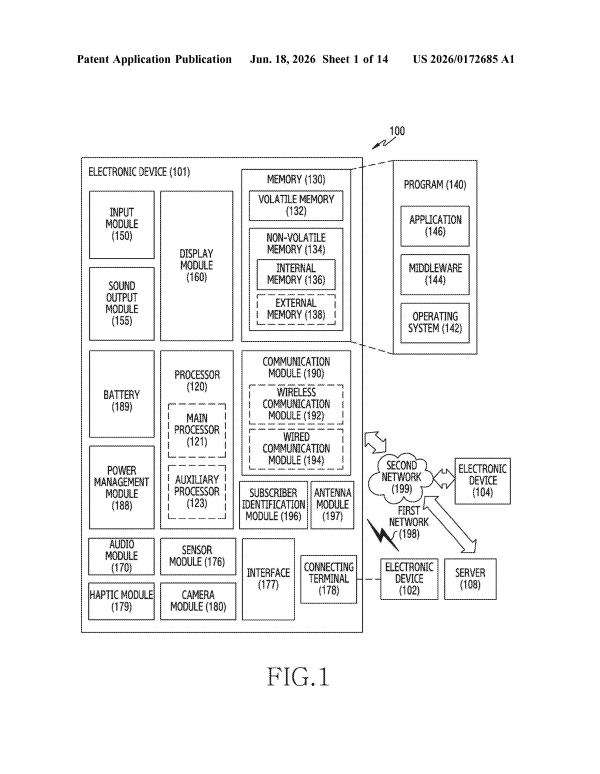
US 2026/0172685 A1
Mechanical image stabilization shifts the lens off-center, requiring the brightness correction table to recalibrate on the fly rather than rely on a fixed calibration.
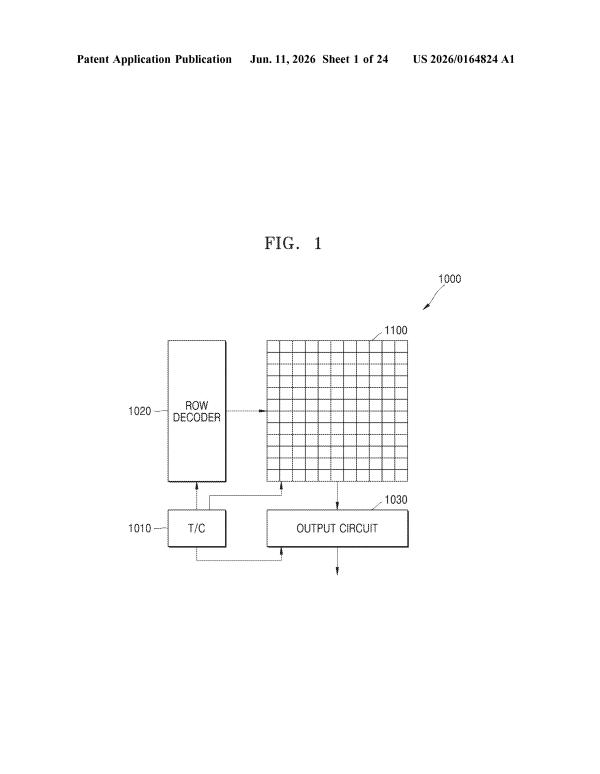
US 2026/0164824 A1
Microscopic optical structures etched directly onto the sensor surface funnel stray light into pixels instead of letting it scatter, sharpening the foundation for smarter computational photography downstream.
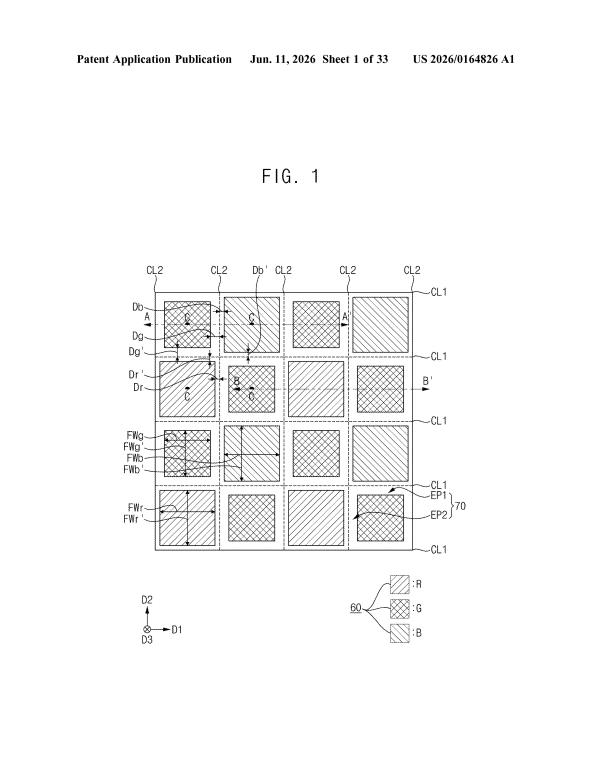
US 2026/0164826 A1
Photos would gain sharpness without requiring larger sensors or additional computational processing. The asymmetrical filter layout lets neighboring pixels share edge detail more effectively, strengthening fine lines and texture in the final image.
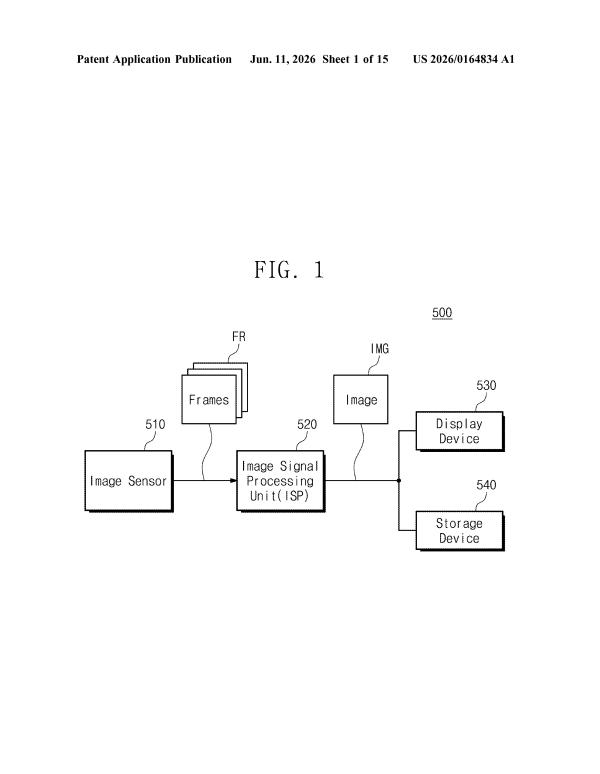
US 2026/0164834 A1
Packing more storage onto each pixel lets sensors capture brighter images without making chips bigger, which matters as phones try to improve low-light photography in confined spaces.
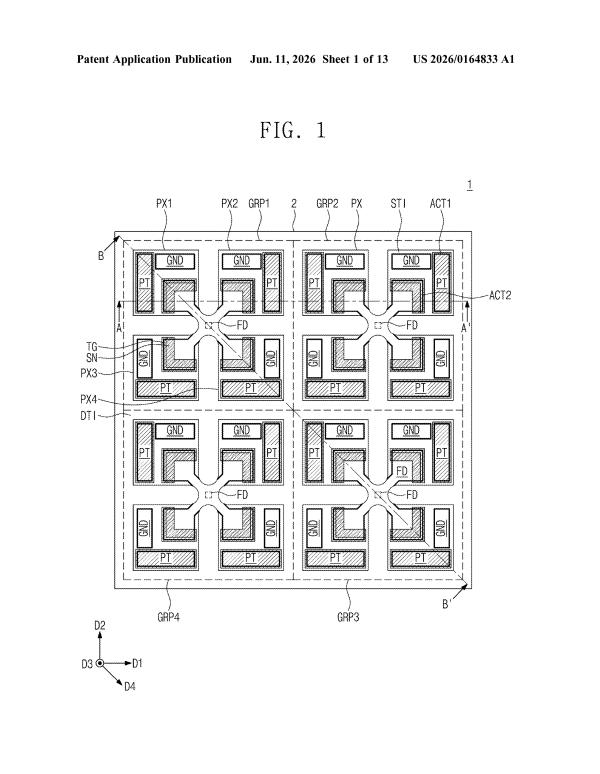
US 2026/0164833 A1
Manufacturing damage to internal electrodes during sensor production limits image quality and yield rates. Samsung's design protects these gates from contamination and misalignment, letting manufacturers build denser, more reliable chips.
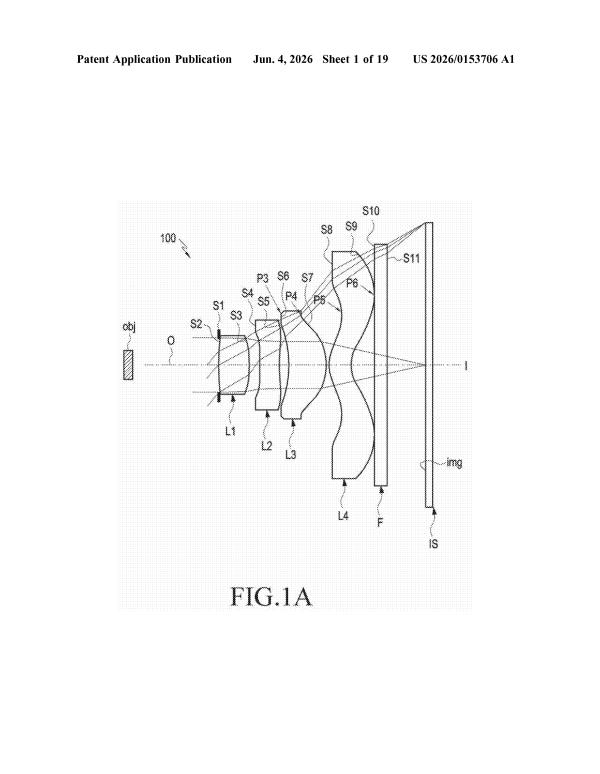
US 2026/0153706 A1
Packing wide-angle capability into minimal depth means the phone itself can stay thinner, a direct payoff from solving the optical stacking problem Samsung describes here.
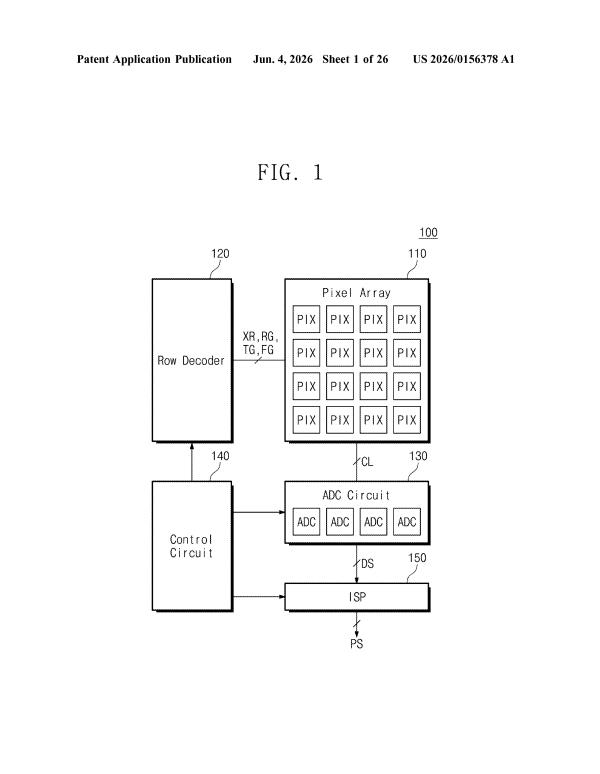
US 2026/0156378 A1
Where the camera struggles most, low light, Samsung adds a second amplification stage to one photodiode per pixel, preserving resolution while boosting signal without enlarging the sensor itself.
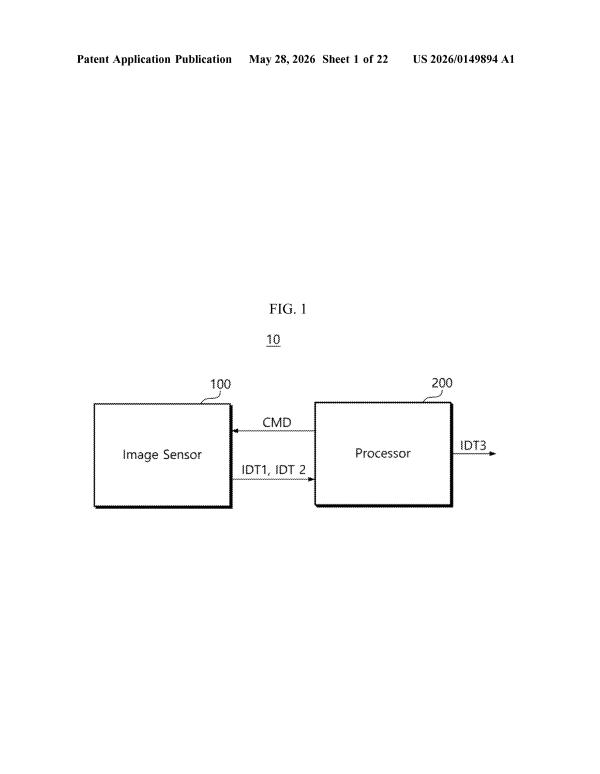
US 2026/0149894 A1
Splitting the pixel array into two independent capture paths lets a single sensor run global and rolling shutters simultaneously, merging the results to preserve motion detail without sacrificing low-light performance in one shot.
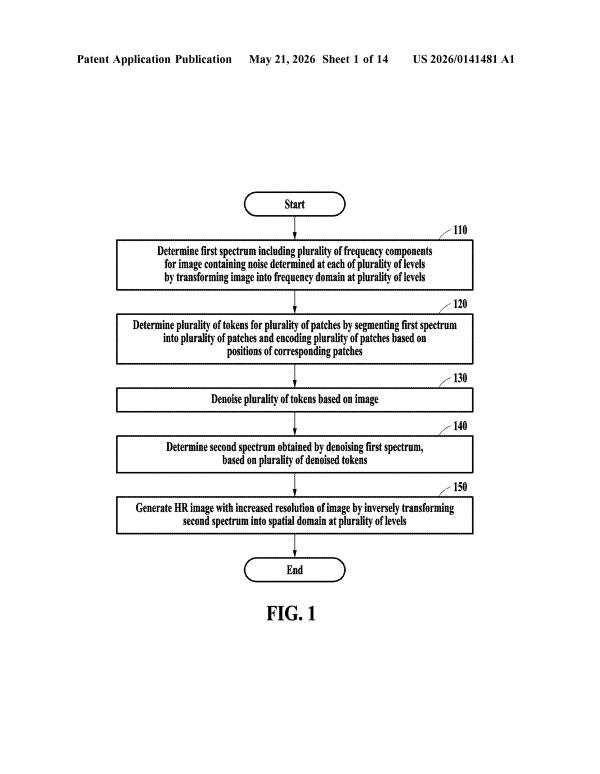
US 2026/0141481 A1
Noise amplification during zoom degrades image quality; this filing shows Samsung separating denoising from sharpening by processing images in frequency space rather than pixel space, preventing grain from being magnified when enlarging photos.
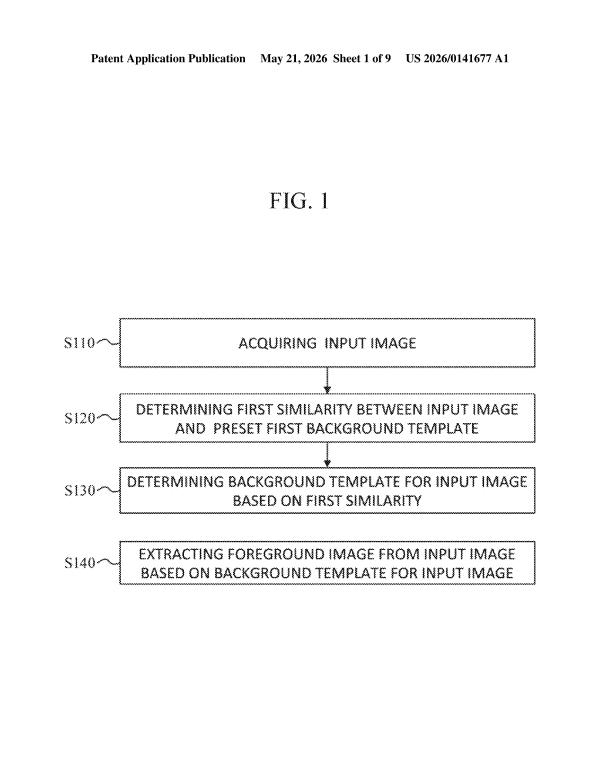
US 2026/0141677 A1
Stripping static backgrounds before running object detection cuts the computational load on the AI, letting the phone do more complex visual tasks without draining the battery as fast.
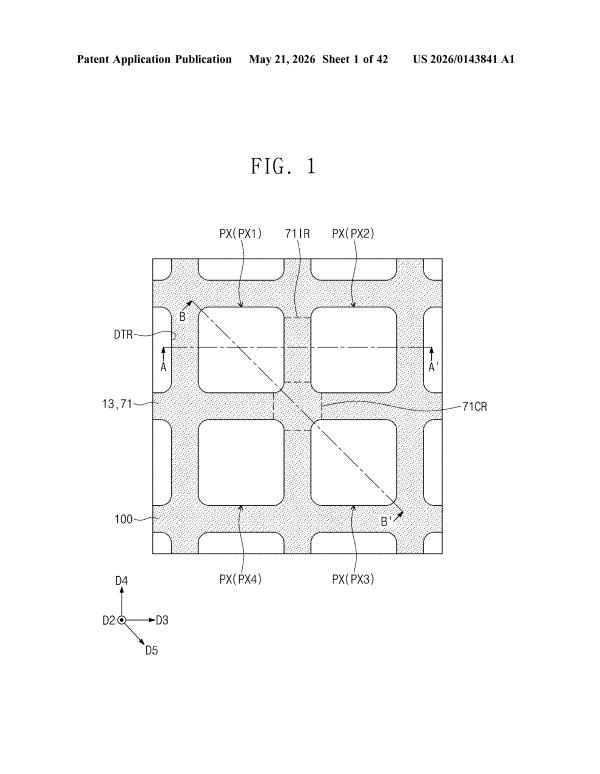
US 2026/0143841 A1
Better color separation between pixels means sharper details and truer hues without computational fixes downstream in the processing pipeline.
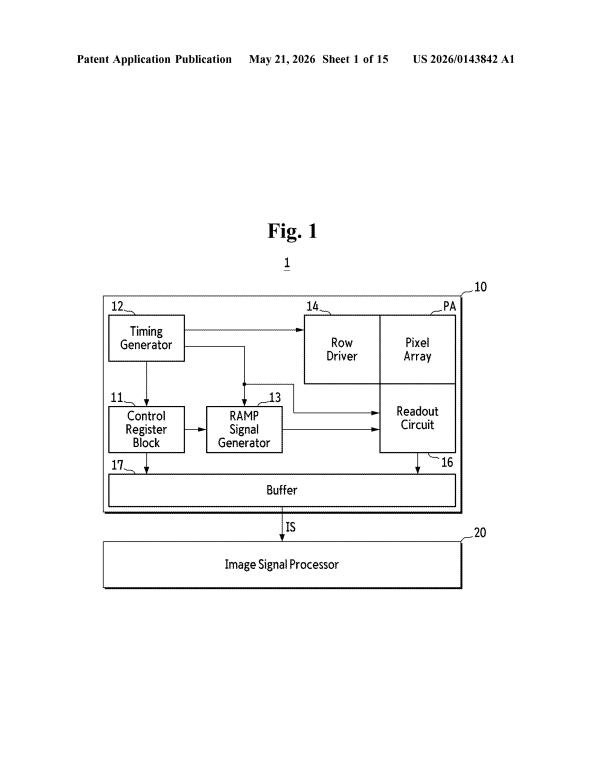
US 2026/0143842 A1
Where the storyline has focused on post-capture processing, this patent pushes the problem upstream: tuning how individual pixels convert light into signal during capture itself, potentially reducing noise before it starts.
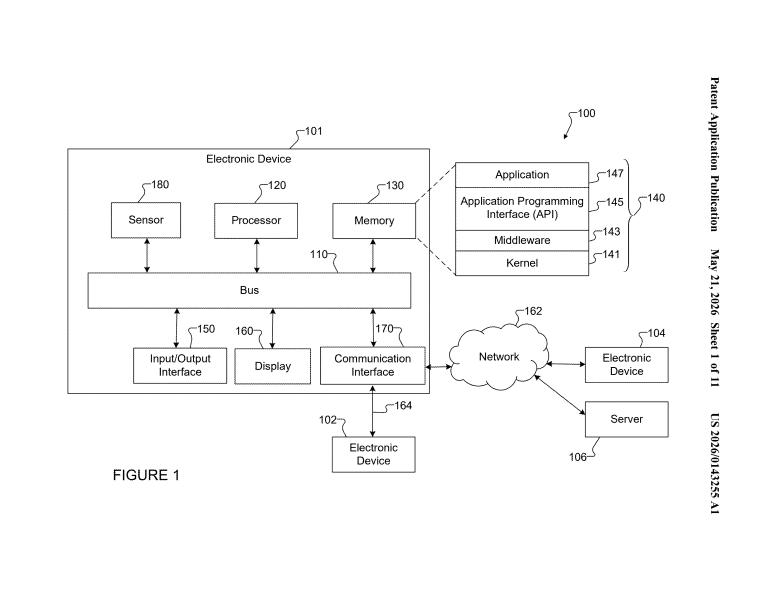
US 2026/0143255 A1
Sensor noise fingerprints shift over time and use. Samsung's system measures these drifts during recording rather than relying solely on factory calibration, keeping low-light video cleaner as hardware ages.
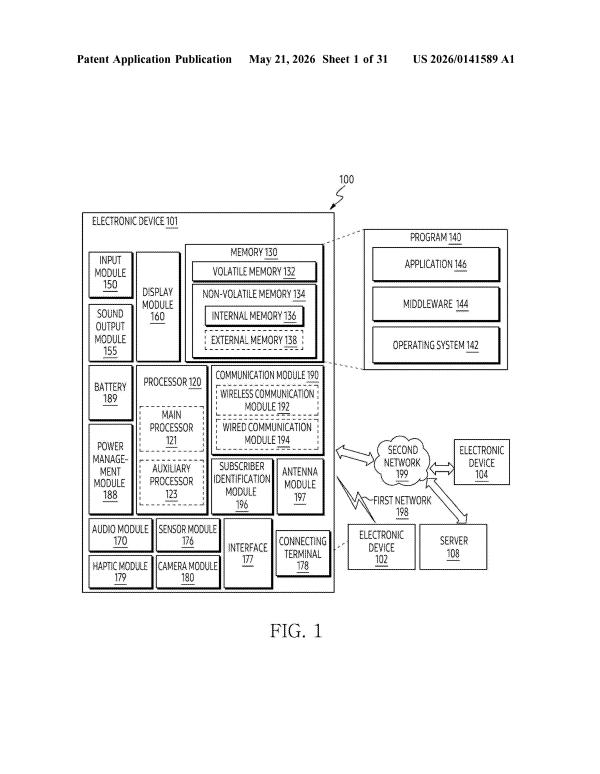
US 2026/0141589 A1
Within the camera app's expanded editing toolkit, this filing adds a quality filter that prevents bad AI fills from reaching users at all, stopping hallucinated backgrounds before they appear rather than forcing manual fixes afterward.
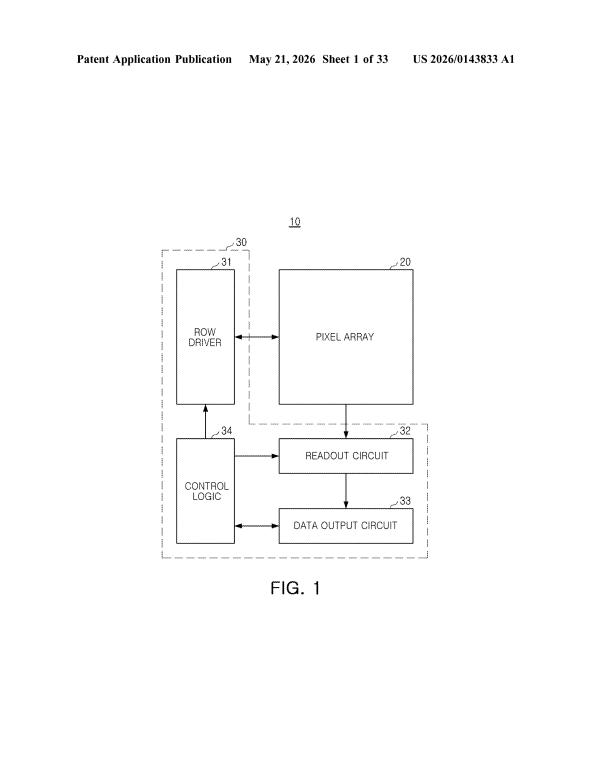
US 2026/0143833 A1
Uneven lighting in a single scene, bright windows alongside dark corners, requires per-pixel exposure tuning rather than one global setting. This dual-node design shifts that adjustment from post-processing software to the sensor itself.
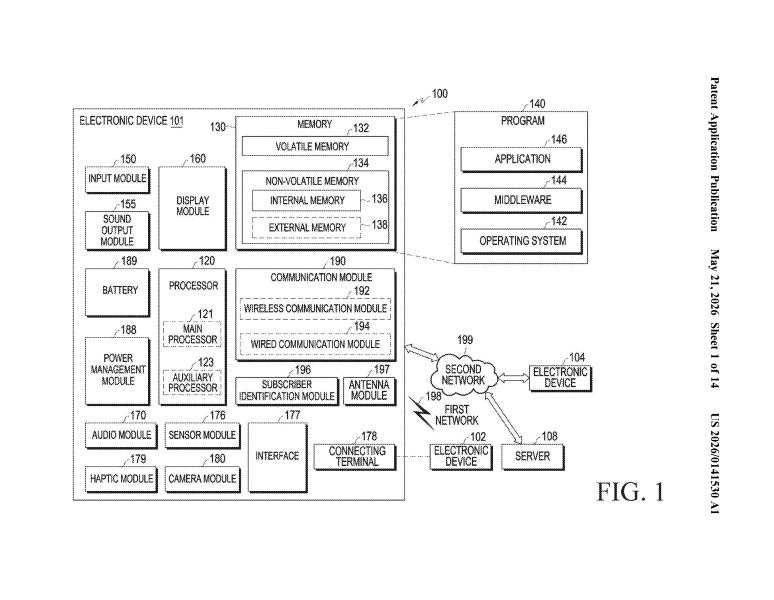
US 2026/0141530 A1
Segmenting a scene into zones before applying effects lets users preview adjustments tailored to sky, subject, and background separately, solving the current all-or-nothing filter problem where one preset can't optimize multiple scene elements at once.
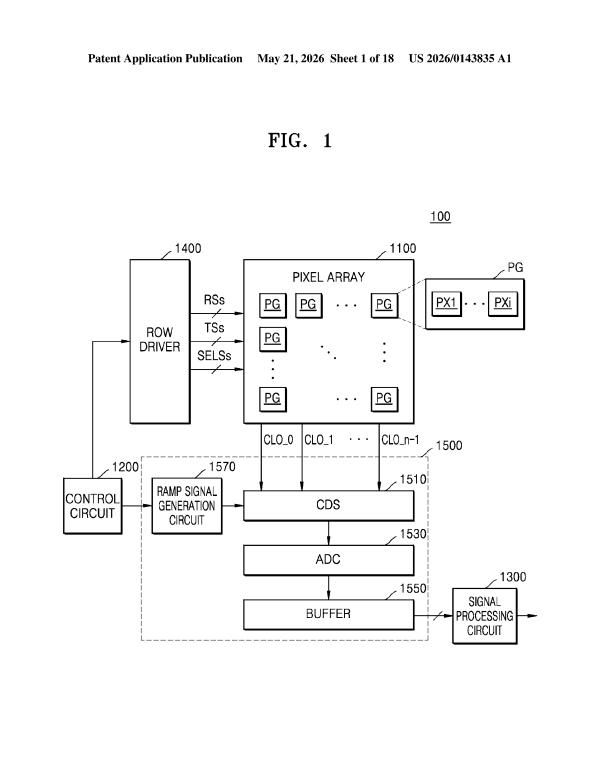
US 2026/0143835 A1
Your phone's camera could fit more pixels into the same sensor by routing control signals through two differently-angled active regions per pixel, letting Samsung compress the supporting circuitry without shrinking the light-gathering areas.
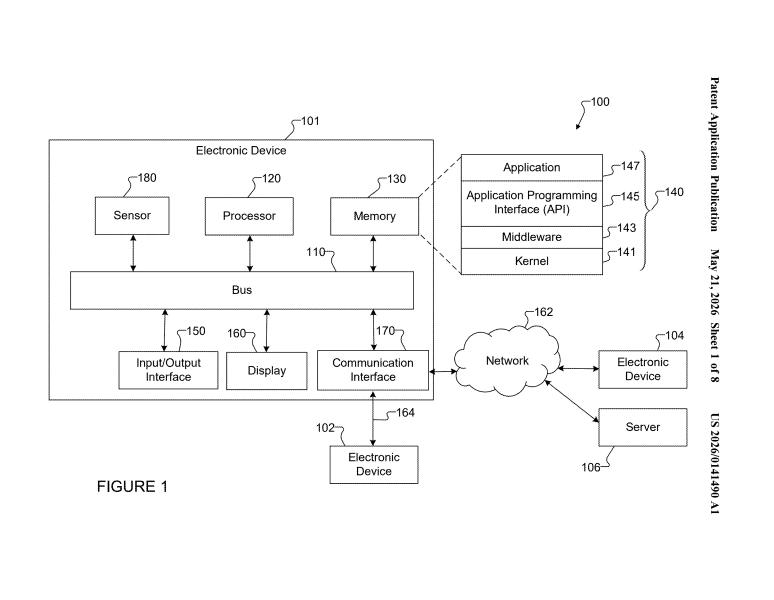
US 2026/0141490 A1
The camera-app expansion needs AI that can generate high-quality images at poster sizes. Samsung's diffusion pipeline solves the memory and speed problems that currently force phone processors into blurry compromises at large scales.
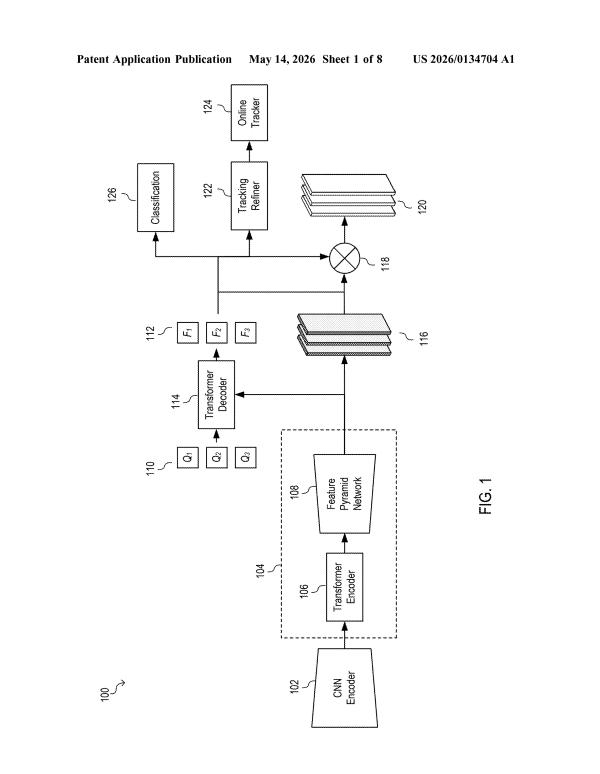
US 2026/0134704 A1
Tracking individual objects across video frames requires the camera to label every pixel consistently without reprocessing footage, a capability Samsung's system handles in a single pipeline rather than multiple passes.
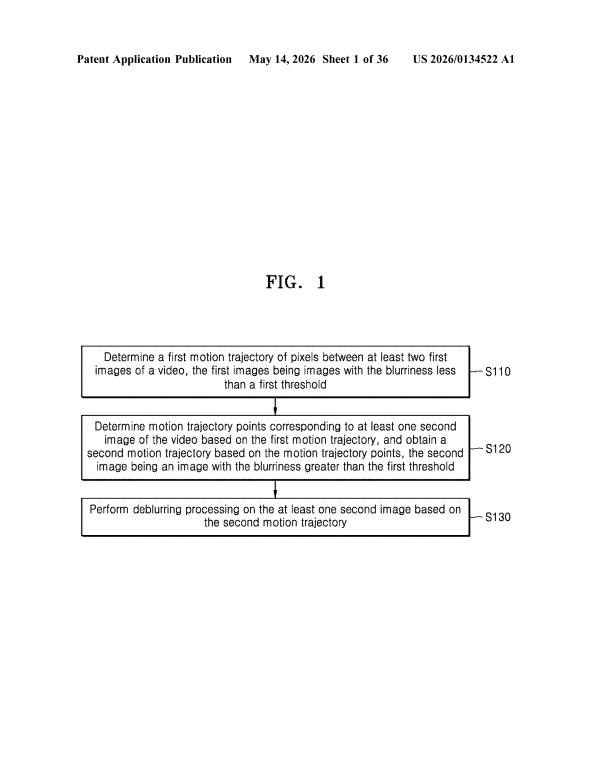
US 2026/0134522 A1
You'd get usable video footage even when the camera can't freeze fast motion, since the system reconstructs blurry frames by analyzing motion vectors from neighboring sharp ones rather than processing each frame alone.
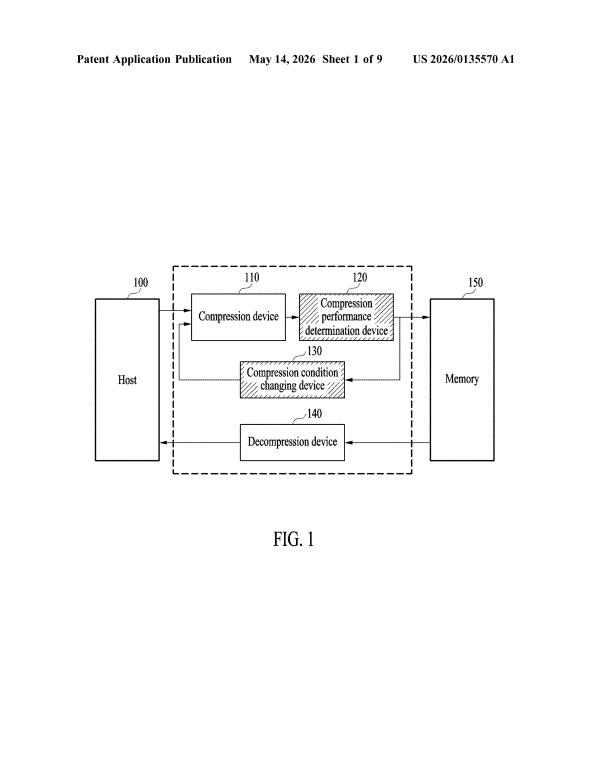
US 2026/0135570 A1
A feedback loop that re-runs compression with adjusted parameters lets the camera capture and store more shots before hitting storage limits, sharpening the practical payoff of shooting and editing more photos on device.
A good chunk of these filings work at the sensor level. Samsung describes a dual-node pixel design with built-in gain control, a multi-directional gate layout meant to pack pixels more densely, a precision grid structure for the scaffolding between color filters, and an image sensor with asymmetric sub-pixel doping layers. These are physical, silicon-level changes rather than app features. They point to Samsung trying to pull more light information and resolution out of a sensor before any software touches the image.
The rest of the batch works after the shutter fires. One filing labels every pixel across video frames in real time. Another catches blurry frames using motion trajectory data and fixes them. A compression system re-runs itself when the first pass looks bad, and a quality gate blocks AI image fill results that don't pass muster. Samsung also describes a camera UI that previews effects by scene zone, a diffusion model pipeline for high-resolution image synthesis, and a frequency-domain upscaler that denoises before sharpening.
A pattern worth watching is self-checking software: filings that generate a result, judge it, and redo the work if it fails, as seen in the compression system and the AI fill quality gate. Another thread is speeding up perception, like the background-stripping method that simplifies object detection. Readers should watch for more filings that pair sensor hardware upgrades with processing steps built to catch their own mistakes, since patents describe research direction rather than confirmed products.
It follows Samsung filings related to phone cameras, split roughly between sensor hardware, like pixel and gate layouts, and image software, like video stabilization, AI fill checks, compression, and upscaling. Each entry gets a plain-English explanation of what the filing describes and why it matters for photo and video quality.
No. A patent filing shows what Samsung's engineers are exploring, not a confirmed feature or release plan. Companies file broadly to protect ideas, and many patented systems never reach a shipping product. This tracker explains what each filing does, not when or whether it arrives.
The filings include a dual-node pixel design with built-in gain control, a gate layout meant to pack pixels more densely, a precision grid structure between color filters, and sub-pixels with different doping levels. These are changes to the sensor's physical structure, aimed at capturing more usable light before software gets involved.
Filings cover real-time pixel labeling across video frames, fixing motion-blurred frames using trajectory data, a compression system that redoes bad results, a gate that blocks weak AI image fill, a scene-aware effects preview, diffusion-based image synthesis, and frequency-domain upscaling that denoises before sharpening.
Which company should we read for you?
We track 17 companies here. Pro is the same weekly breakdown for any company you choose, delivered privately. Type a name and we'll scope it and send you a quote.