Google's Patents For Smart Glasses Displays, and what they reveal
This watchlist tracks Google's patent filings that attack specific AR glasses problems: color fringing, stray light, ghost images, poor text contrast, and precise calibration of modular optics. Together they suggest Google sees smart glasses as a hardware and manufacturing challenge as much as a software one.
42 filings
· tracking since Apr 2026 · latest Aug 2026 · updates weekly
based on all tracked filings in this watchlist · refreshes every week
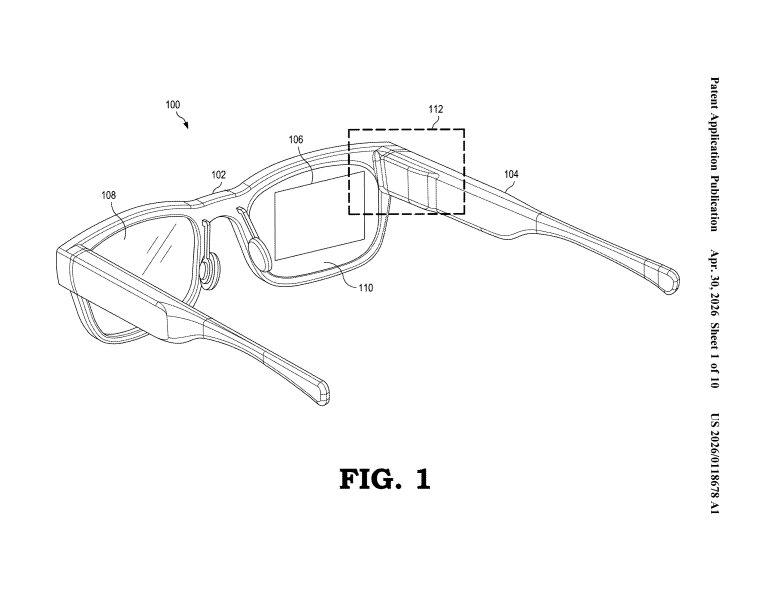
Google has filed 36 patents around making smart glasses displays work better on a real human face, covering everything from how light moves through the lens to how the glasses track your eyes and fit your head.
The filings lean heavily on two problems: getting clean, clear images through the lens without weird reflections or blank spots, and making sure the display lines up correctly with wherever your eyes actually are.
What’s new in Google's smart glasses display
a dated entry each week this watchlist moves · older entries stay archived
Sep 17, 2026 3 filings joined
This week's filings all focus on making AR glasses show clearer, brighter, and steadier images. Google is working on the core visual problems that make smart glasses hard to use.
Both new filings tackle the same core problem: keeping virtual images lined up with the real world. One addresses frame bending, the other focuses on locking images in place more broadly.
This week's filing focuses on making the glass parts that carry light in AR glasses more precise and detailed. Google is exploring a new way to cut those light-carrying paths more deeply and accurately.
This week's new filing shows Google thinking about how a phone camera can stay clear and focused when shooting through a lens, like the kind built into a pair of glasses. The work points to Google exploring how a phone and a wearable lens could work together to capture sharp images.
The filing pace inside Google's smart glasses display
The focus areas inside Google's smart glasses display
the problems Google keeps filing on · each with its three newest filings · new filings join every week
Waveguide and Light Path Design 13 filings
Getting light from a tiny projector into your eye, cleanly and without weird reflections, is one of the hardest parts of building AR glasses. These filings cover the physical structures that bend, split, and guide that light through the lens.
AR glasses need to know exactly where your eyes and head are pointing so the image lands in the right place. These filings tackle the cameras, filters, and systems that make that tracking more reliable.
Even when light reaches your eye, the image can still look blurry, washed out, or full of grid patterns and ghost images. These filings address specific ways to clean up what you actually see.
Smart glasses that sit wrong on your face or have wires and bumps in the wrong places are uncomfortable and hard to use. These filings look at how the glasses sit on your face, hide their components, and respond to physical touch.
Building AR glasses so that every part lines up correctly is extremely difficult, and small errors cause big problems for the person wearing them. These filings cover ways to measure, test, and align the components that make up the display system.
Embedding calibration markers in the lens material itself lets the optical system self-correct for lens drift and manufacturing variation, solving a core alignment problem for modular AR optics.
Sharp 3D images on glasses-free displays need the left and right eye zones sealed off from each other. This filing proposes dimming pixels at zone boundaries to stop light bleed that currently creates the ghosting effect.
Motion sensors feeding real-time correction data keeps virtual objects locked to physical space during head movement, directly addressing the drift and jitter that undermines spatial anchoring in AR overlays.
Waveguide coupling strength varies across the lens surface to maintain even brightness from center to edge, directly addressing the poor contrast problem that degrades readability in peripheral vision.
Precise calibration of modular optics gets a purely optical solution: the glass geometry itself locks images steady during head movement, eliminating drift without software correction.
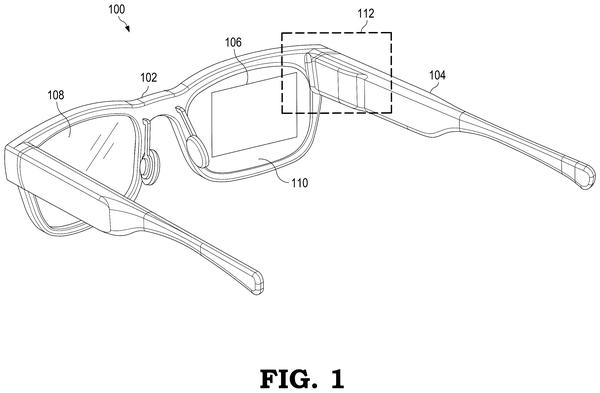
Precise calibration of modular optics: Google detects frame flexing through built-in motion sensors and recalibrates the display position in real time, preventing the digital overlay from drifting when the glasses warp from heat or pressure.
Etching waveguides deeper with process-controlled precision directly sharpens text contrast and fixes light routing misalignment that currently plagues AR displays.
Smart-glasses users won't need recalibration mid-session. Google's approach lets the device self-correct eye-tracking drift by comparing head motion against gaze direction, keeping selection accuracy stable without user intervention.
The calibration challenge expands beyond factory setup: Google now targets real-world frame flexing that throws optical alignment off during daily use.
The ghost image problem has haunted AR displays since their inception. This filing targets the external reflections that make the wearer visible to onlookers, a social barrier Google hasn't previously patented solutions for in this watchlist.
After attacking color fringing and ghost images, Google now targets waveguide efficiency by splitting light beams into separate paths, allowing thinner optical stacks without brightness loss.
The curved multi-surface design builds on the waveguide approach to combat color fringing, distributing light entry points so wavelengths stay bundled longer before reaching the eye.
The watchlist so far has focused on optical quality problems like fringing and ghost images. This filing shifts to a user-fit problem: making AR displays work for the billions of people who need vision correction.
Precise calibration of modular optics requires knowing where each optical element sits on the wearer's head. This filing adds real-time sensor feedback that guides users through physical adjustment, ensuring components stay aligned to spec.
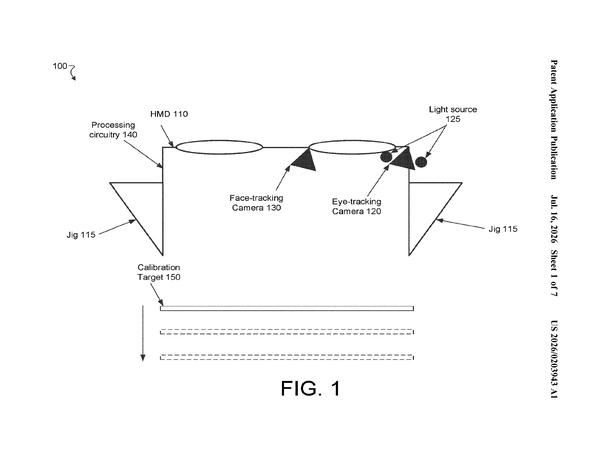
A calibration rig that measures camera positions during manufacture eliminates the sub-millimeter misalignments that throw off eye-tracking accuracy, directly solving the precise calibration problem for modular optics.
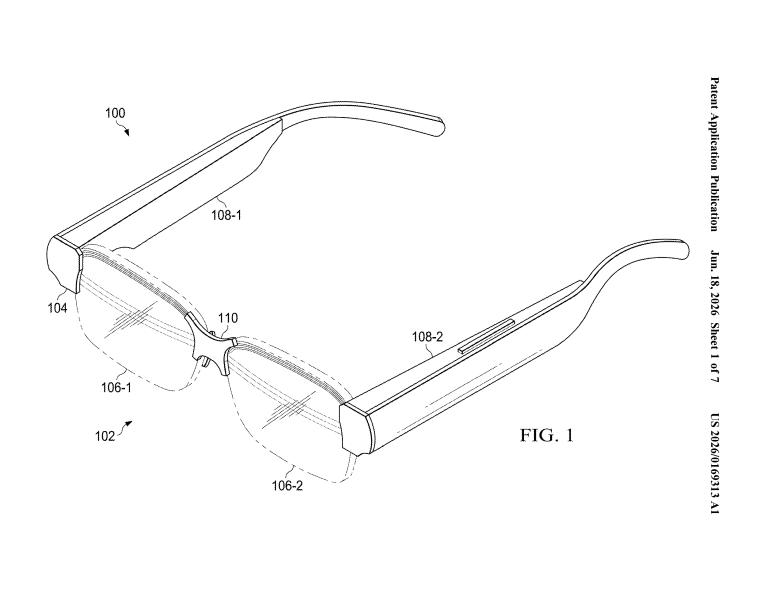
Splitting display light into separate paths lets the optics shrink, moving AR glasses closer to regular eyeglass proportions instead of the oversized frames today's designs require.
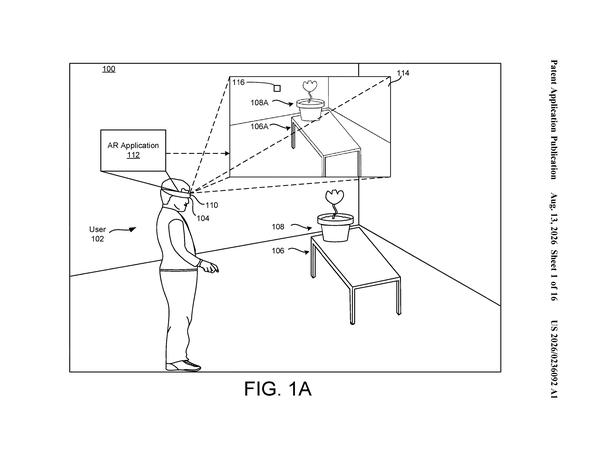
Readable AR glasses outdoors require displays that stay visible in sunlight rather than washing out, and this patent describes an automatic brightness system that maintains usable contrast by shifting the color palette when needed.
The earlier filings focused on making individual waveguides sharper and thinner. This one expands the field of view by running two optical systems in parallel, doubling the screen real estate users actually see.
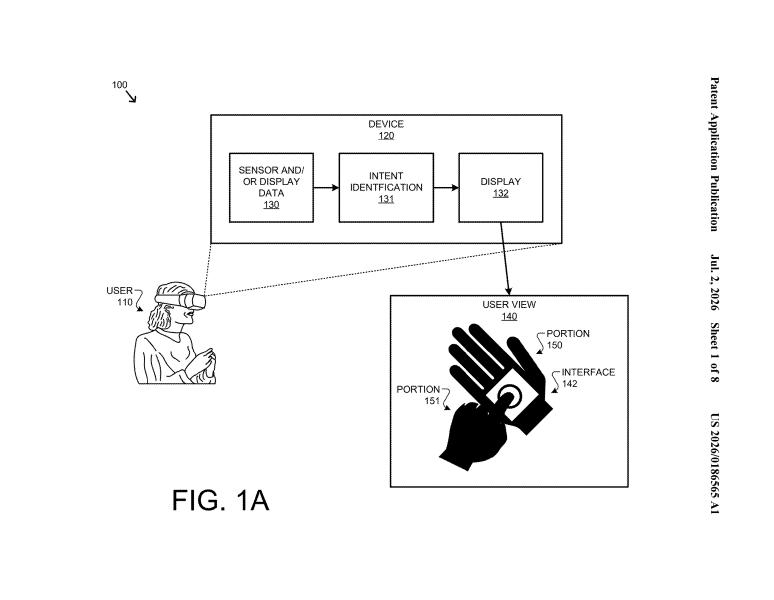
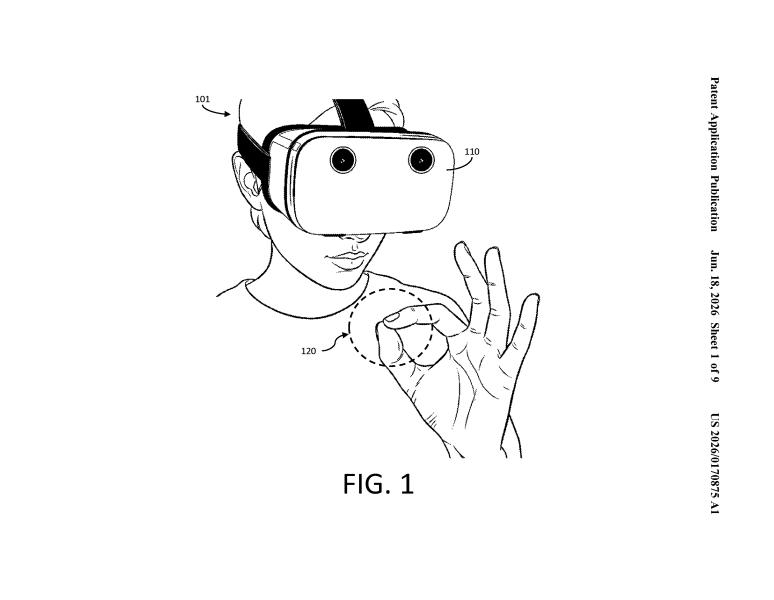
Projecting controls onto skin avoids cramming more buttons onto frames themselves, sidestepping the physical space constraint that makes AR glasses interfaces clunky.
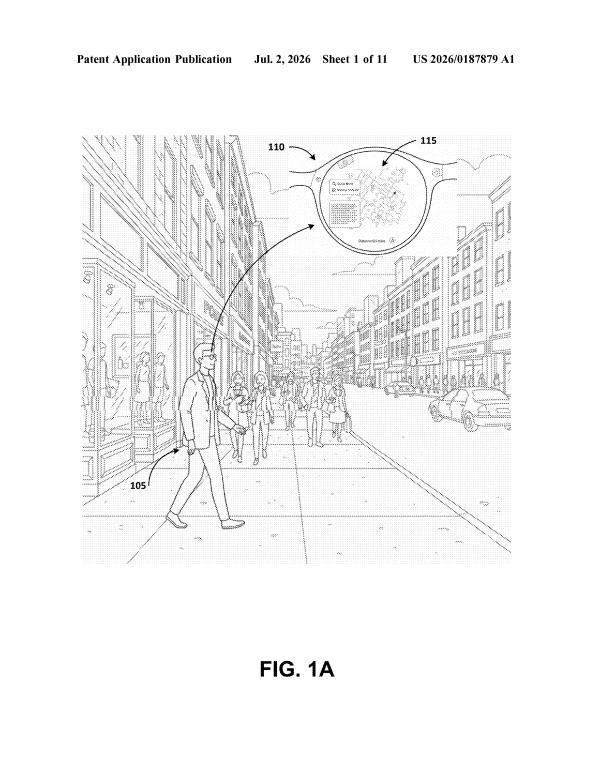
Layering user context onto what gets rendered solves the visual clutter problem that makes dense urban scenes unusable for AR. The system filters the annotation flood by matching what's nearby to what actually matters to the wearer right now.
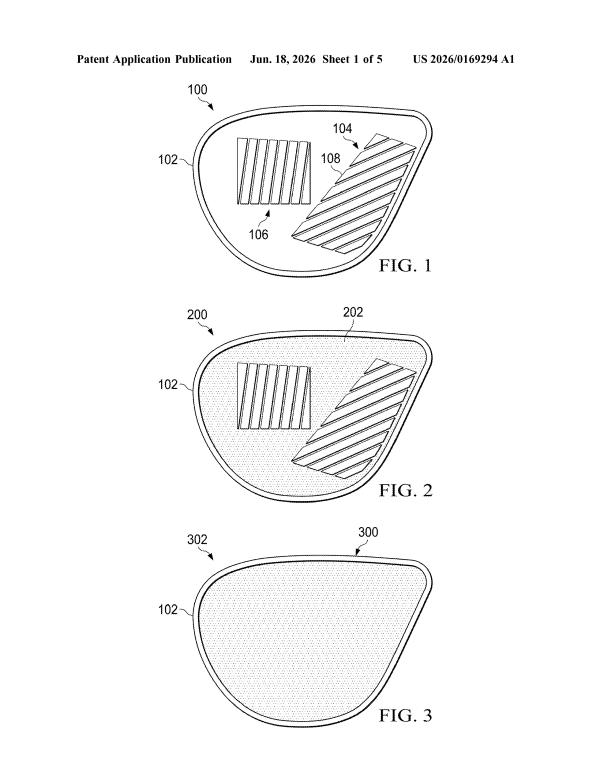
A reflective coating that equalizes light transmission across mirror-filled and clear zones eliminates the visible grid pattern that currently marks AR lenses as obviously artificial rather than transparent.
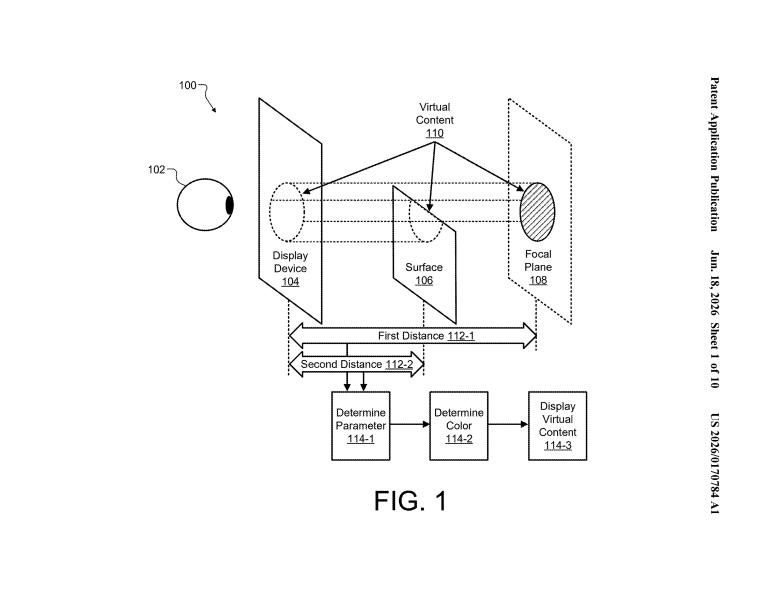
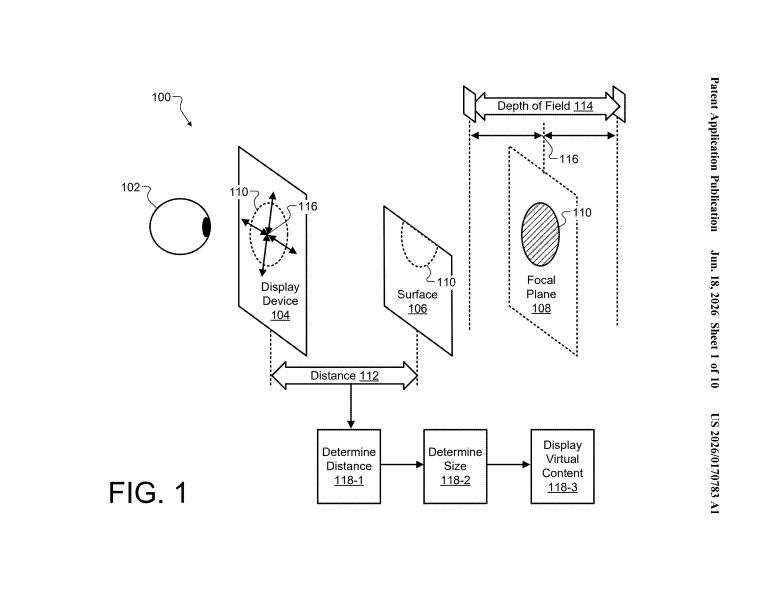
Sharper AR text means adjusting color based on where your eyes naturally focus, not where the display layer sits. This solves eye strain from the mismatch between virtual content depth and real-world focal points.
The lens coupling problem has been the manufacturing bottleneck; this prism design controls light angle and intensity to match what waveguides can actually accept, moving from theory to a buildable component.
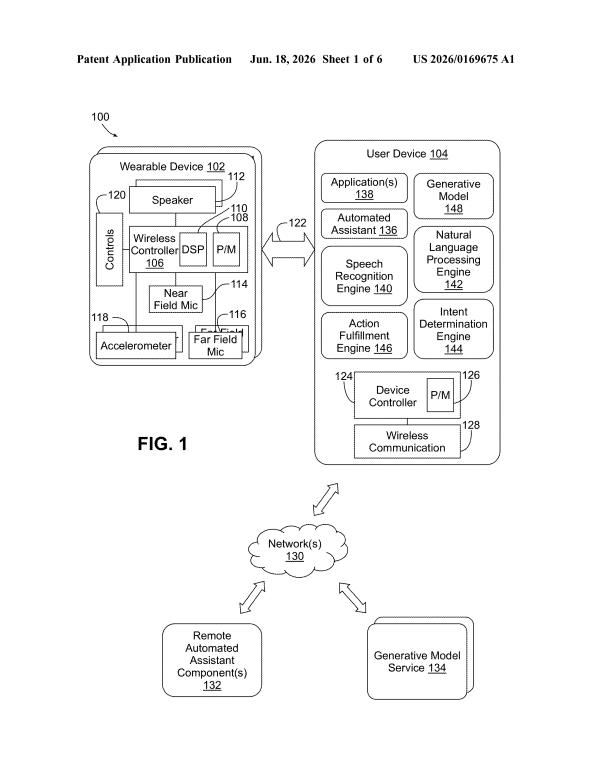
Separating user speech from background noise requires more than microphone audio alone. This filing adds motion sensors to capture jaw vibrations alongside sound, giving the recognition system a second signal to isolate the wearer's voice in loud environments.
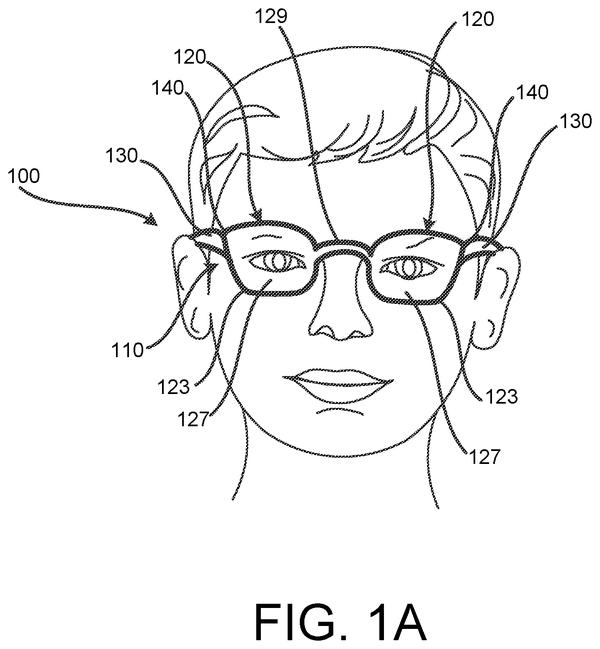
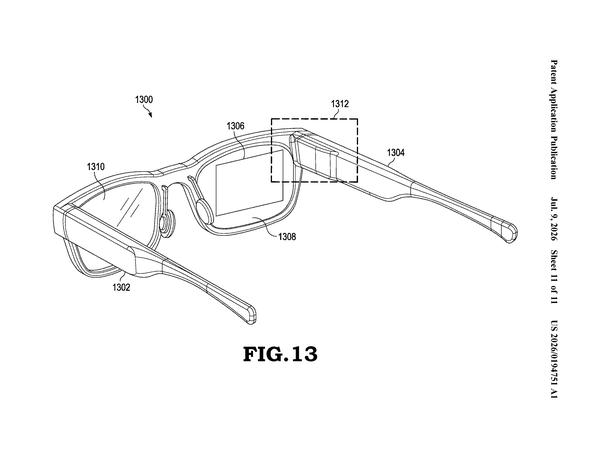
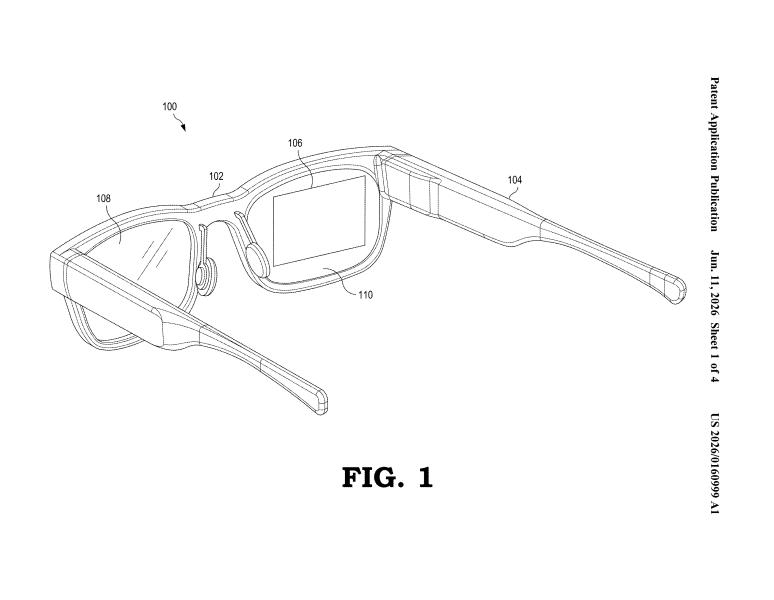
Embedding electrical traces directly in the lens eliminates the bulky wiring that currently runs through the frame, reducing weight and potential failure points while keeping the overall form factor closer to conventional glasses.
The lens-and-optics work assumed reliable hand tracking, but this filing reveals Google needs to filter out accidental gestures first, treating dominant and non-dominant hands separately to cut false positives that would otherwise plague wearable AR controls.
Fixing focus mismatch between where eyes naturally look and where lenses project content requires knowing the real-world distance to surfaces in view, then scaling virtual text accordingly.
Projector distance variability degrades image quality in AR optics. This filing proposes optical solutions to keep the light path efficient even when manufacturing tolerances push the projector farther from the waveguide than ideal.
Embedding crack-detection sensors into the lens assembly itself lets the glasses catch structural damage that wouldn't show up in the display output, addressing a safety gap in wearable hardware that users can't see or easily inspect.
Sharper AR displays require accounting for individual vision defects. This patent sketches how the headset could detect a wearer's prescription automatically, eliminating the current need for manual calibration or wearing glasses beneath the device.
The manufacturing challenge so far has been getting the optics right. This filing moves upstream to the software layer, showing Google is building real-time background sensing into the display pipeline to keep text readable regardless of what's behind it.
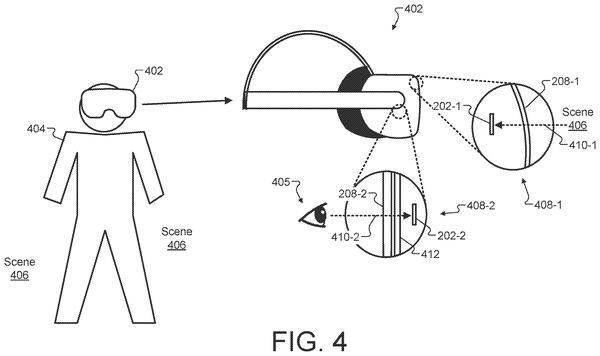
Hiding eye-tracking sensors inside the waveguide itself eliminates the need for a dedicated camera module, shrinking the physical footprint of AR frames while keeping the optics thin enough to look like regular glasses.
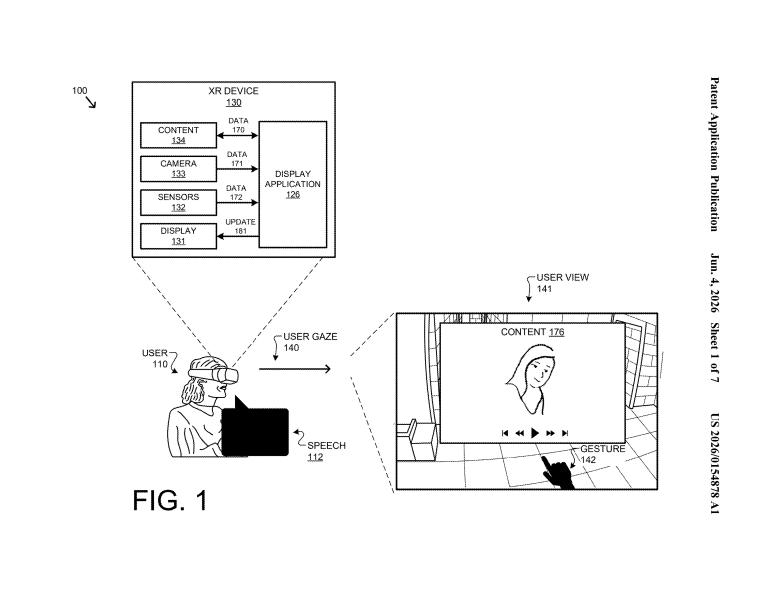
A protocol that lets the headset broadcast its virtual layout to streaming apps means video players can auto-fit their interface to the environment rather than forcing users to manually resize and position every window.
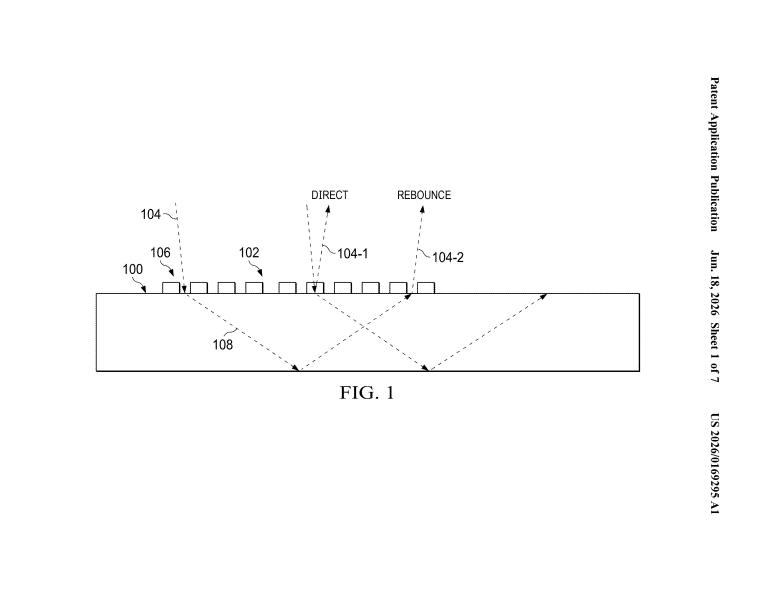
Sharper AR displays need stray light eliminated at the optical stage rather than corrected in software afterward. This filing shows Google attacking the problem upstream, keeping unwanted reflections from ever forming inside the lens stack.
Google's lens-thinning work now includes a content-aware AI layer: the glasses need to understand what's on screen so they can answer questions about it in real time, not just deliver generic results.
Calibrating modular components before assembly cuts down on failed units and rework, addressing a major cost barrier to manufacturing AR glasses at scale.
Two liquid crystal panels working in sequence lets the optics capture light in both polarization states instead of filtering half away, a key efficiency gain for fitting brighter displays into thinner frames.
The lens-sharpness challenge gets a software answer: rather than grinding sharper optics, Google can shift pixels dozens of times per second so the eye perceives a crisper image from standard hardware.
Slimmer lenses require bending light sharply without losing the image. Google's curved lightguide lets it fold the optical path tighter, keeping the hardware compact while maintaining the brightness and color range users need.
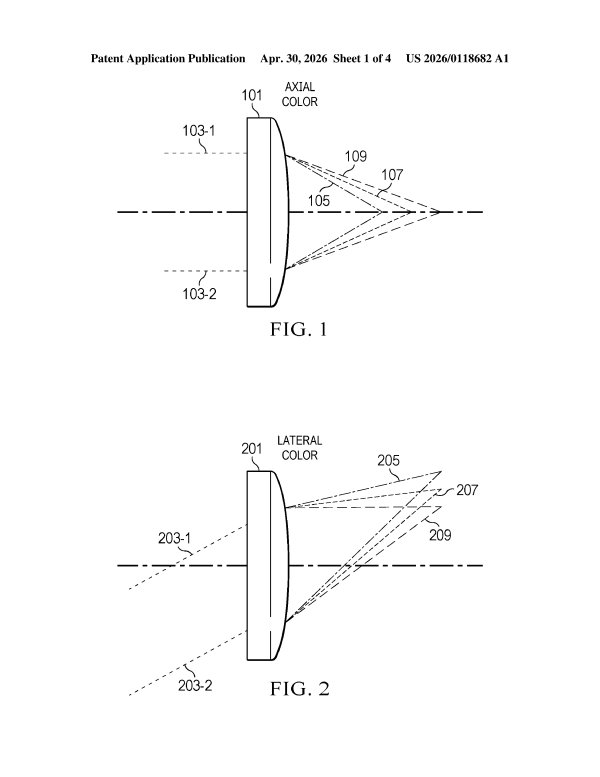
Chromatic aberration in waveguide displays requires stopping color fringing before light enters the optical stack. Google's corrective lens approach intercepts the problem at source rather than trying to fix it downstream through the display itself.
Splitting the incoming beam into two separate paths before the waveguide enters lets each path carry less intensity, reducing the optical distortion that comes from cramming too much light through a thin slab of glass.
Questions readers ask
Is Google actually building smart glasses, or is this just patents?
These are patent filings, not product announcements, so they show what Google's engineers are exploring rather than what's shipping. Still, the pattern across filings like the color-correcting lens system and the curved lightguide points to sustained work on the same hardware problems, which usually means a company is serious about a category even before a product appears.
What problem does Google seem most focused on solving?
Across the filings, the concentration is on waveguide optics: getting bright, color-accurate images into a thin lens while cutting fringing, ghost images, and wasted light. Filings on pre-assembly calibration and light engines suggest Google is also treating manufacturing precision as its own problem, not an afterthought to the optics design.
Do these patents mean AR glasses will be thinner soon?
Patents describe engineering approaches, not release timelines, so they can't confirm when or whether thinner glasses reach shelves. What they do show is Google working on several fronts at once, curved lightguides, dual-pupil prisms, time-multiplexed displays, all aimed at the same goal: fitting a bright, wide image into a slim lens.
Why do so many filings mention waveguides?
Waveguides are the thin pieces of glass or plastic that carry light across an AR lens to your eye, and they're where most of the difficult optical problems show up: color fringing, stray light, uneven brightness. That's why filings on color correction, reflective facets, and curved lightguides all center on the waveguide itself.
Want this weekly breakdown for a company we don't cover?
Patentlyze Pro →
The weekly email: the best of Big Tech's filings, in plain English. Free.